
Making a Difference
How UN Support Can Strengthen Afghan Provincial Festivals
Cultural festivals in Afghanistan bring together music, poetry, craft, storytelling, food and religious or seasonal traditions. In provincial communities, these events can provide a rare public space for people from different backgrounds to meet, share local knowledge and present a more complete picture of Afghan life. Their value reaches beyond entertainment: festivals can support social cohesion, local livelihoods and the preservation of cultural memory.
International assistance can help make these gatherings safer, more inclusive and financially viable. The role of the United Nations may involve coordination, technical advice, small grants, communications support or connections with local authorities and community organisations. The precise form of assistance depends on the province, the security environment, donor priorities and the capacity of Afghan partners.
Why provincial festivals matter
Afghanistan’s cultural identity is expressed differently across its provinces. A poetry gathering in Herat, a craft event in Bamyan, a music programme in Balkh or a traditional food fair in Nangarhar may each draw on distinct histories and community practices. Supporting provincial events allows cultural work to remain connected to the people who create and maintain it, rather than concentrating attention in Kabul.
Festivals can also generate modest economic activity. Performers, cooks, transport operators, tailors, printers, photographers and artisans may all receive income through an event. Local markets can benefit when visitors purchase carpets, embroidery, pottery, dried fruit or other products. For young people, festivals can create practical roles in production, stage management, digital media and event administration.
These benefits should not be overstated. A cultural event cannot substitute for essential services, education, employment or humanitarian assistance. Its contribution is more specific: it can rebuild trust, keep traditions visible and give communities an organised way to celebrate their own identity. That contribution is significant in places where conflict and displacement have interrupted everyday social life.
What UN-backed funding can cover
Funding for Afghan cultural festivals may come through several channels rather than a single dedicated programme. A UN entity could administer donor funds, partner with an Afghan civil society organisation, provide a grant through a cultural or community initiative, or coordinate support between provincial authorities and local groups. Assistance might cover venue hire, transport, accessibility measures, communications, artist fees, training and basic equipment.
A well-designed budget separates essential costs from desirable extras. Security planning, insurance where available, first aid, sanitation and safe transport may be more important than elaborate staging. Small payments to artists and technicians should be transparent and timely. Local purchasing can help retain money in the provincial economy, provided procurement rules are followed and suppliers are not selected through patronage.
The UN’s contribution is often broader than paying invoices. It can help partners assess risks, establish selection criteria, document cultural practices and monitor whether women, young people, ethnic minorities and people with disabilities can participate. It can also bring together provincial officials, community elders, artists and humanitarian actors so that an event is planned with a shared understanding of local conditions.
Funding should be based on clear objectives and evidence. Organisers might record attendance, geographic reach, the number of participating artists, payments made to local workers and the representation of different communities. These measures do not capture the full cultural value of an event, but they can show donors how resources were used and where future support is needed.
Reaching communities beyond Kabul
Provincial delivery presents practical difficulties. Roads may be damaged or unsafe, travel can be expensive, electricity may be unreliable and suitable venues may be limited. An event that looks inexpensive on paper can require substantial expenditure on transport, generators, interpretation, communications and contingency planning. Budgets must reflect these local realities instead of applying a standard capital-city model.
Local partnerships are therefore essential. Municipal bodies, schools, universities, cultural associations, women’s groups, youth networks and traditional community structures may each hold part of the knowledge needed to organise an event. Their involvement can improve attendance and legitimacy, while reducing dependence on outside contractors who may not understand local customs.
The strongest model gives Afghan organisers meaningful control. International agencies can provide safeguards and financial oversight without taking over the creative programme. Local committees should help decide which performers are invited, which languages are used and how revenue or opportunities are distributed. This approach recognises that cultural participation is more sustainable when communities are treated as partners rather than beneficiaries.
Digital access can extend a festival’s reach, but it cannot replace an in-person gathering for communities with limited connectivity. A carefully produced radio segment, photograph collection or short video may allow displaced Afghans and international audiences to see the event. At the same time, online publication requires consent, careful handling of personal information and attention to the safety of people whose identities may expose them to harm.
Protecting heritage and participant safety
Cultural festivals can preserve songs, oral histories, weaving techniques, architecture and ceremonial knowledge that may otherwise disappear. Documentation should be led by people who understand the meaning and ownership of that material. Recording a performance does not automatically give an organisation the right to reproduce it indefinitely or use it for commercial purposes.
Safety planning must address more than physical security. Organisers need procedures for crowd management, emergency medical care, fire prevention, safeguarding and complaints. Women and girls may face barriers to attending or performing, while minority communities may experience discrimination or intimidation. A festival funded through international assistance should set out how concerns can be reported and how participants will be protected from retaliation.
Cultural sensitivity is equally important. A programme should not reduce Afghan traditions to decorative symbols for foreign audiences. Translation, photography and media coverage must be handled respectfully. Donors and international staff should avoid deciding which customs are “authentic” based on assumptions formed outside the province.
The UN’s broader mandate in Afghanistan includes working with national institutions, civil society and communities under difficult conditions. Cultural support can complement humanitarian and development work when it is carefully targeted. It should never be used as a substitute for rights protections, and it should not expose artists or audiences to additional risk in the pursuit of positive publicity.
What Australian audiences can recognise
Australians are familiar with the way local festivals support identity and commerce. Events such as Melbourne’s multicultural celebrations, Sydney’s community festivals and regional gatherings around food, music or First Nations culture often depend on a mix of council support, grants, volunteers, sponsorship and stallholder income. The scale is different from Afghanistan, yet the basic questions are similar: who is represented, who pays, who benefits and how is safety managed?
Everyday habits also shape participation. Australian audiences commonly expect online ticketing, card or mobile payments, accessible venues, public transport information and clear event schedules. Afghan provincial events may operate with very different infrastructure, but Australian donors and media organisations should avoid treating those differences as evidence of lower cultural value. A community event can be effective without resembling a major festival in Melbourne or Brisbane.
The local market offers useful comparisons. Weekend markets in Adelaide, Perth or regional New South Wales often give small producers a route to customers, while councils regulate food handling, trading locations, noise and public safety. In Afghanistan, similar income opportunities may exist for artisans and food vendors, but organisers must adapt to local rules, purchasing power, transport constraints and security conditions rather than copying an Australian market model.
Australian legislation also illustrates why cultural funding needs careful governance. The Copyright Act 1968 can affect the use of recorded music, photographs, performances and written material, while Australian organisations receiving public or charitable funds must meet reporting and accountability obligations. Those laws do not govern Afghan events, but they remind potential supporters that cultural work involves consent, ownership, financial records and responsible use of images.
Understanding the UN’s public information role
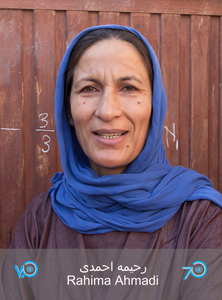
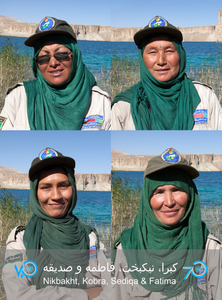
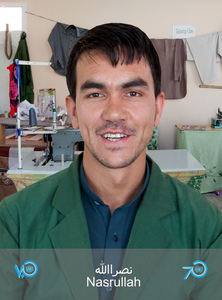
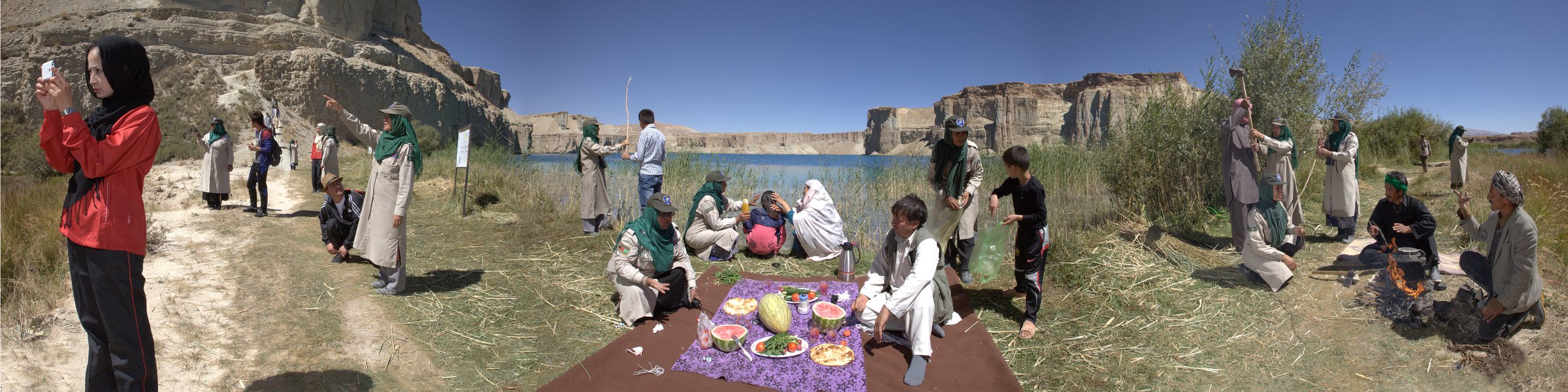
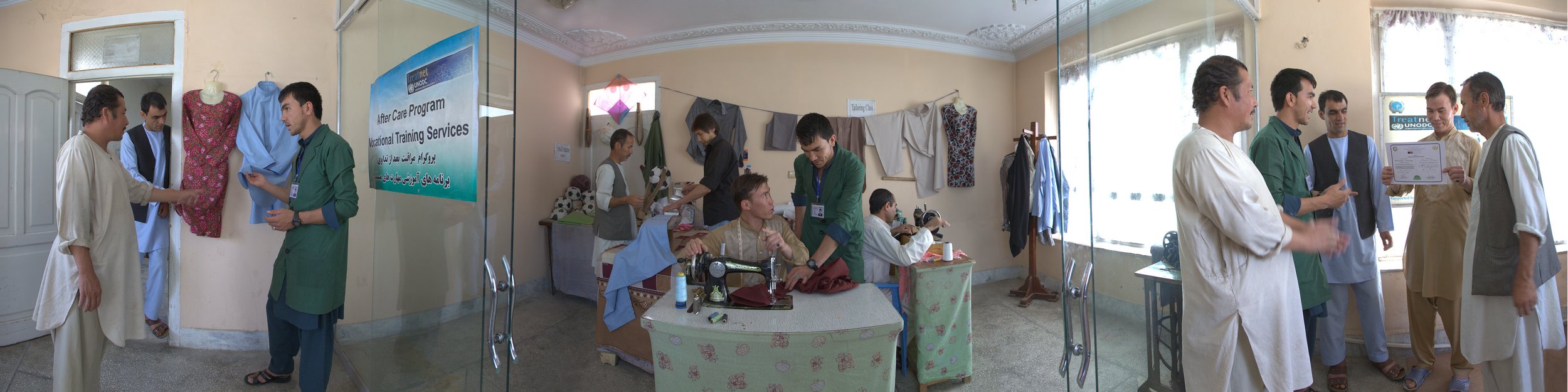
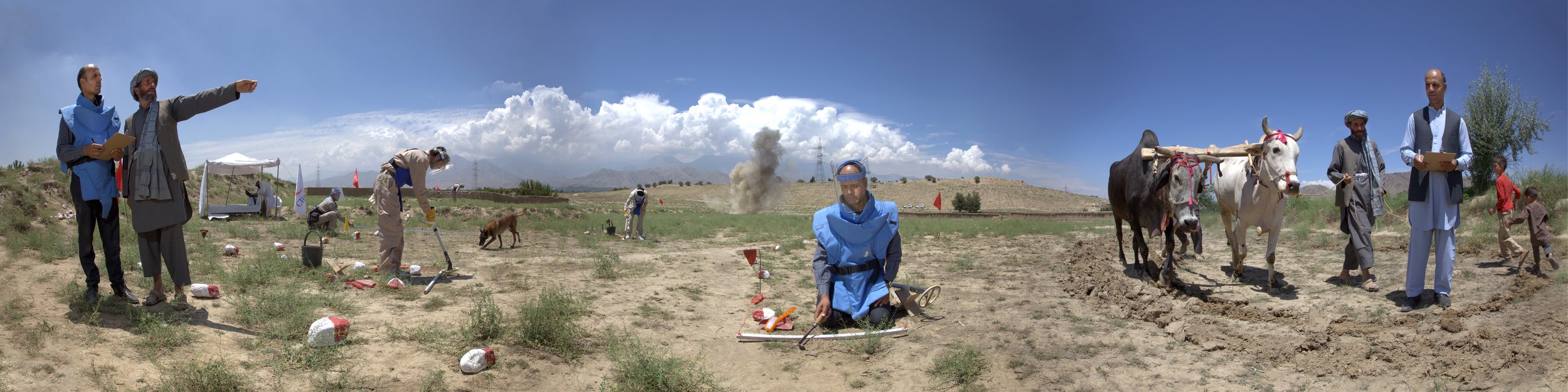
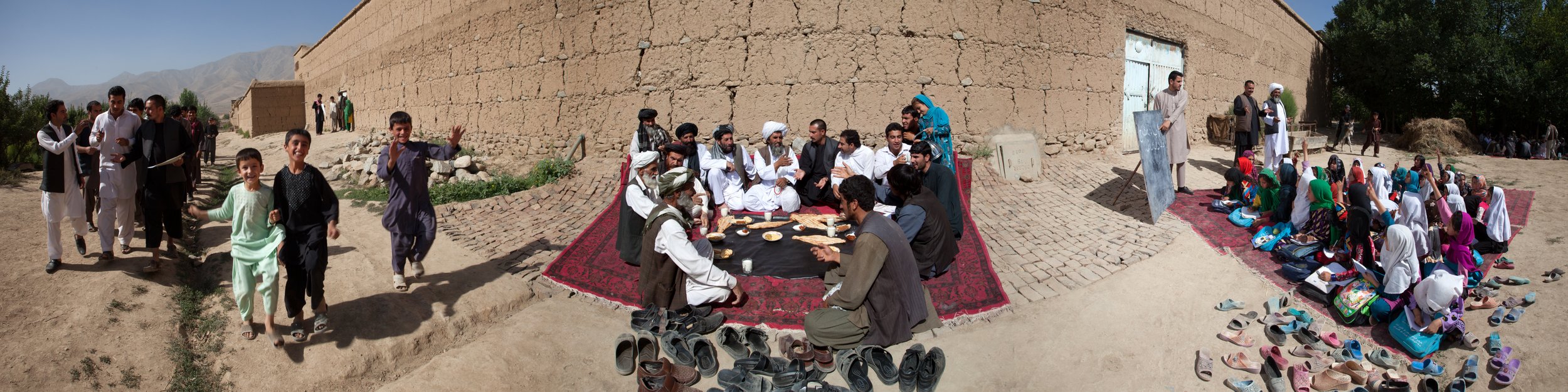
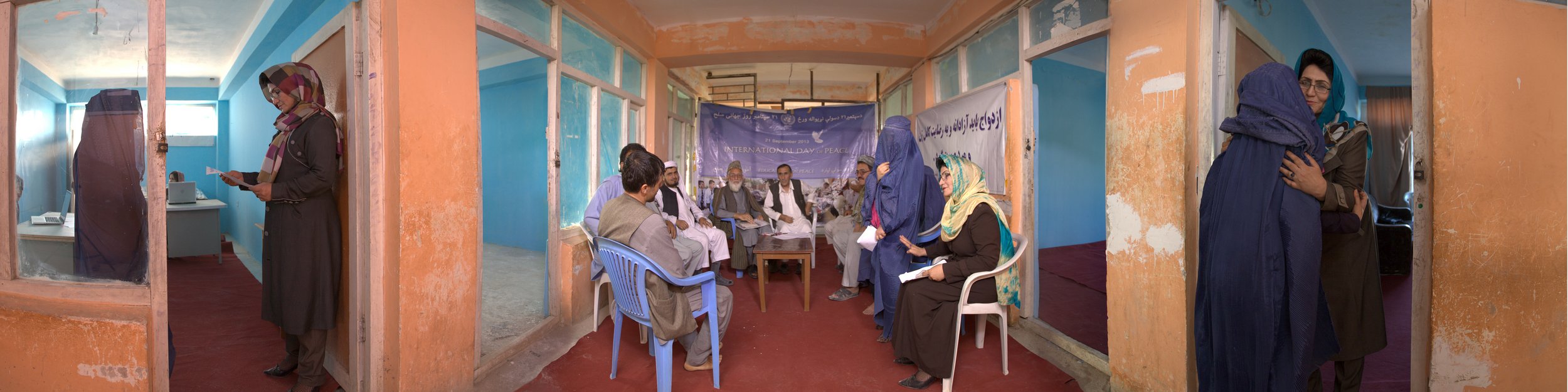
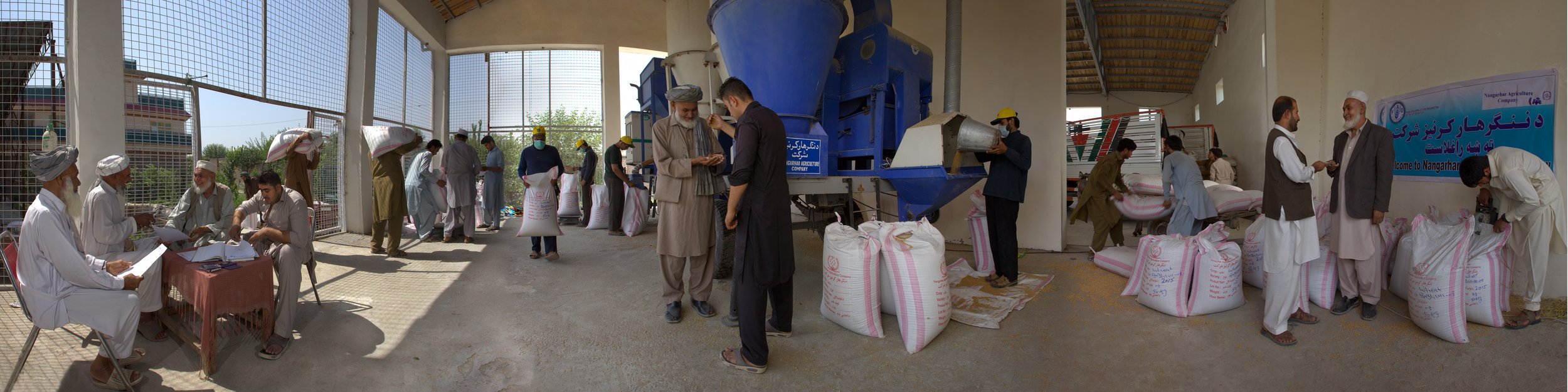
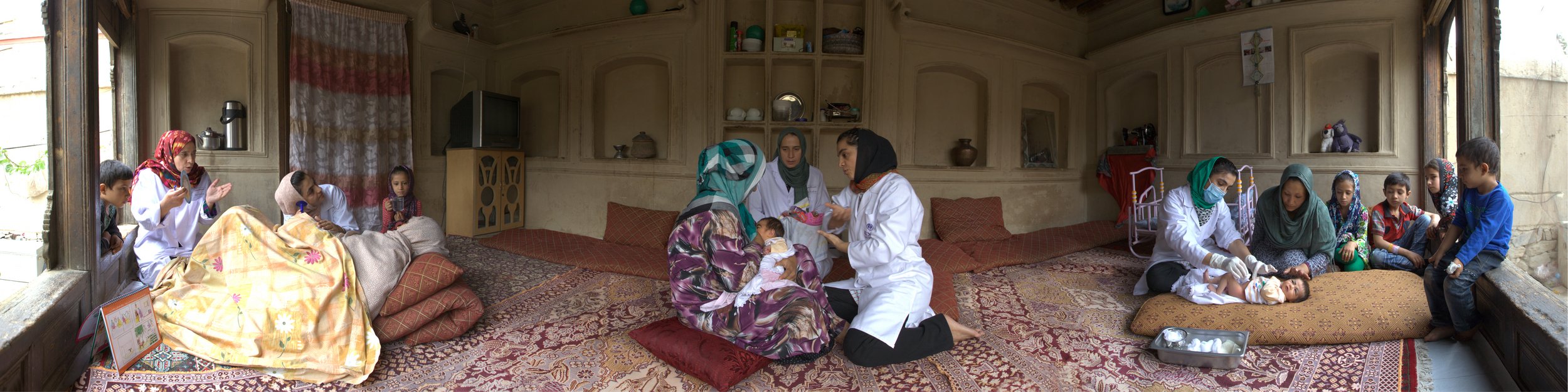
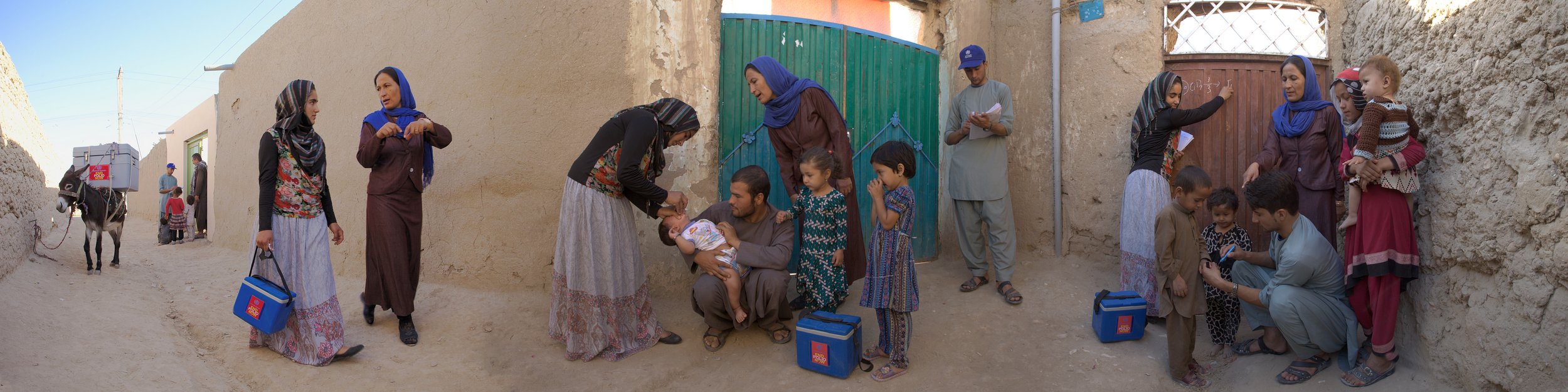
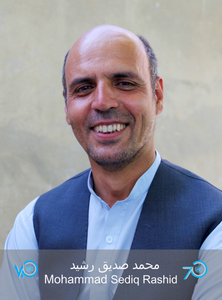
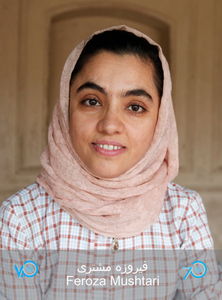
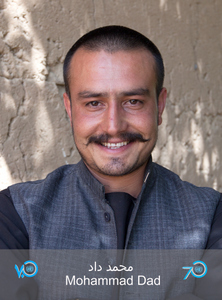
The UN70 campaign, built around the message “Strong UN. Strong Afghanistan.”, presented Afghan individuals and their contributions through stories, photographs and public messages. It was a communications campaign rather than a permanent grant portal. The archived UN Afghanistan archive can help readers understand the public-facing context of the organisation’s work, but it should not be assumed to show current funding rounds or active applications.
That distinction matters when researching support for provincial cultural events. An archived page may contain historical campaign material, links to media channels and messages from UN representatives, while current programmes may have changed or ended. Information about funding should be checked against current UN agency pages, donor announcements and verified Afghan partner organisations before anyone submits a proposal or transfers money.
Public storytelling can still have practical value. Photographs and personal accounts may help donors understand why cultural participation matters, particularly when they show Afghan organisers as active contributors rather than passive recipients of assistance. Ethical communications should identify people accurately, obtain appropriate consent and avoid publishing details that could compromise their safety.
Readers assessing a cultural support initiative should look for several indicators: a named implementing partner, a transparent funding source, a realistic provincial budget, risk management, community participation and a plan for maintaining benefits after the event. They should also ask whether the programme supports local artists directly and whether its reporting recognises cultural outcomes alongside attendance figures.
Supporting Afghan cultural life can take different forms. Donors may fund community-led events through reputable organisations, museums may build professional partnerships, universities may support ethical documentation, and media outlets may publish Afghan voices with proper consent. Australian arts groups can share expertise in event management without assuming that their own systems are universally suitable.
The most useful assistance is respectful, locally grounded and transparent. It treats a provincial festival as a community institution with cultural, social and economic value, while recognising the security and governance pressures that shape life in Afghanistan. Explore verified UN and partner information, scrutinise how funds are administered, and support Afghan-led cultural initiatives that protect participants while keeping local traditions visible.