
Making a Difference
Warmth that protects Afghan families through winter
Afghanistan’s winter can bring snow, freezing winds and hard frost across mountainous provinces, while households in lower, damper areas face prolonged cold and damp. The danger is not simply low temperature; it is the combination of poorly insulated homes, scarce heating fuel, wet bedding and limited access to health services. For displaced families, newly returned people and older people living alone, a warm blanket or safe stove can determine whether a cold night becomes a medical emergency.
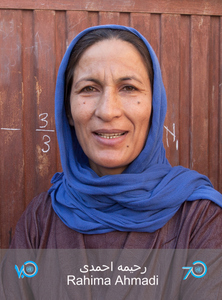
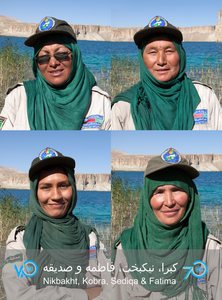
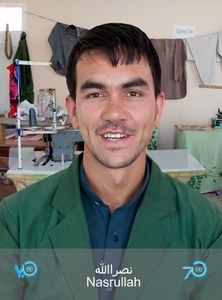
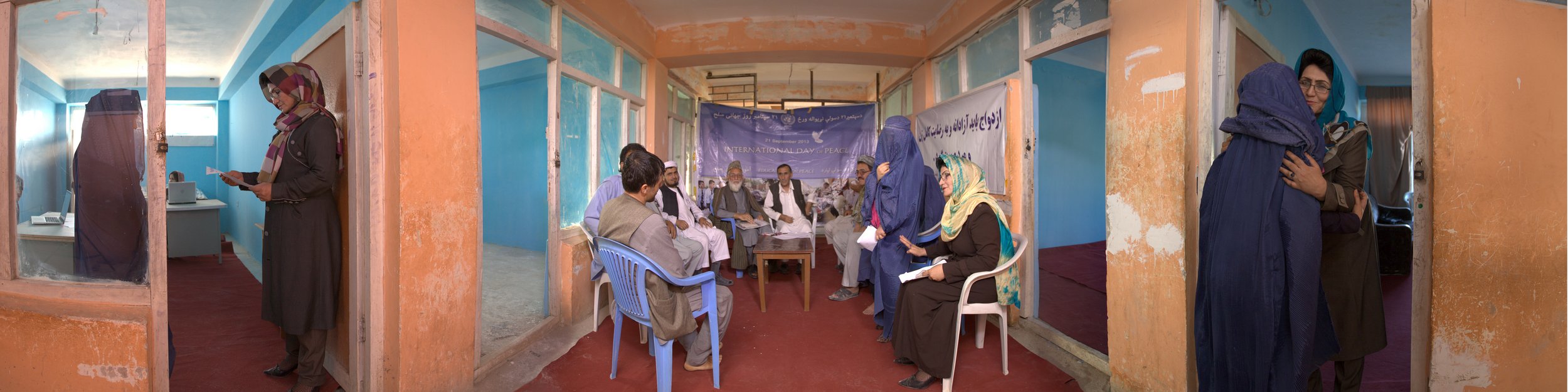
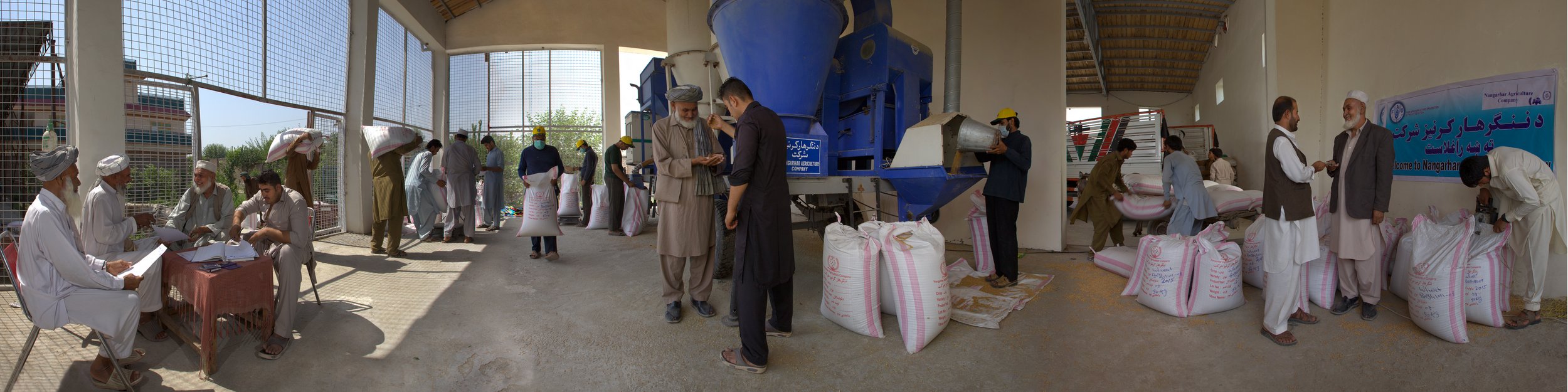
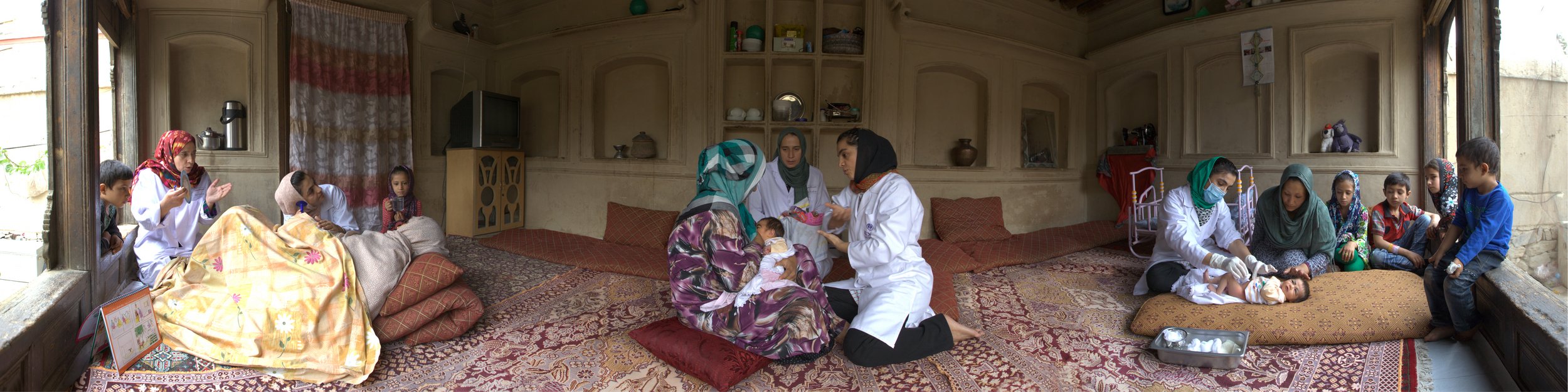
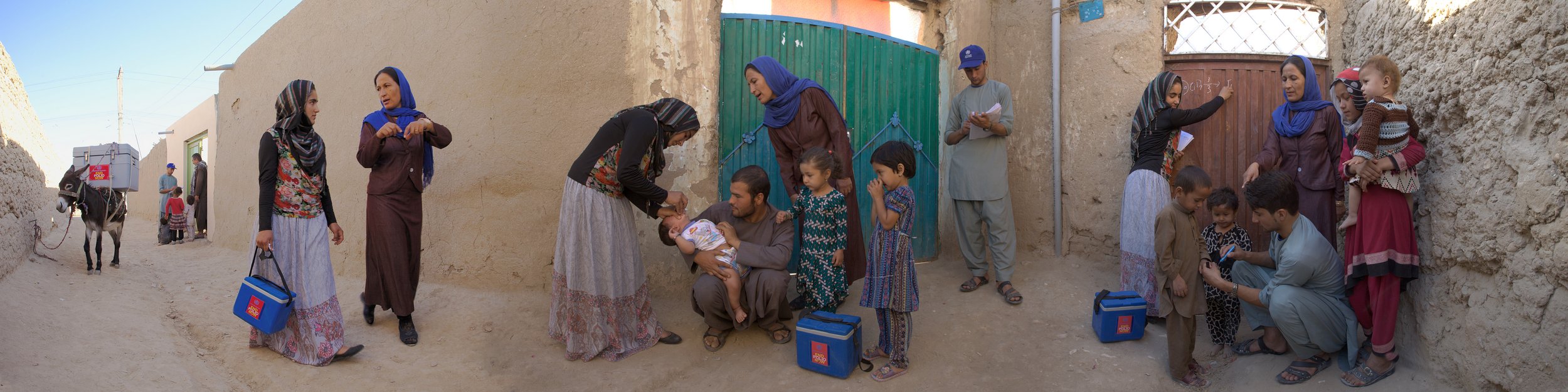
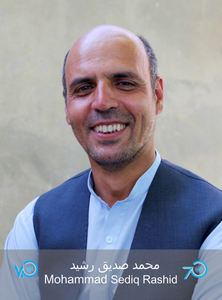
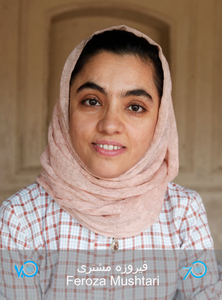
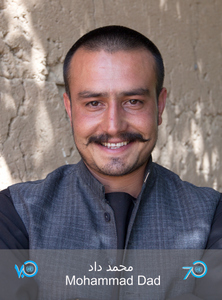
The archived UN70 “Strong UN. Strong Afghanistan.” campaign highlights how United Nations support is delivered with Afghan communities rather than around them. This snapshot records that partnership through Afghan voices, photographs and partner stories. It also offers a useful lens for examining UN-provided Afghan winterization kits: practical items such as blankets, stoves and warm clothing, distributed alongside protection, food, fuel and locally led services that help families survive winter with dignity.
What winterization kits are designed to do
Winterization is the term used for assistance that reduces the immediate effects of cold weather. It is not a single standard parcel. UNHCR, IOM, WFP, UNICEF and other UN entities may support different combinations depending on displacement status, household vulnerability and the local response. In the Afghan context, a package may include blankets or insulated bedding, a fuel-efficient stove with a chimney pipe, a heater, warm coats, sweaters, trousers, socks, head coverings, gloves and footwear.
These winterization kits therefore work best as part of a wider package. A stove is less useful if fuel is unaffordable or unavailable; dry bedding loses value after a leak in a mud-brick roof; clothing has limited effect if it does not fit or is unsuitable for the recipient. Agencies commonly coordinate shelter and non-food items with food assistance, cash or vouchers, health outreach, child protection and fuel support. This joined-up approach helps prevent one gap from undermining another.
Why warmth becomes lifesaving protection
Small children, older adults, people with disabilities and people recovering from illness are especially vulnerable to hypothermia and pneumonia. Smoke from inefficient or poorly ventilated stoves can also harm respiratory health, making the design and placement of heating equipment as important as its presence. In remote areas, the loss of a working stove may force a family to burn plastic or scraps, exposing children to toxic fumes and damaging the environment.
Warm support also protects livelihoods and social participation. When families can heat one room, dry clothes, cook hot meals and keep children warm, they are less likely to sell livestock, take on debt or leave school because they cannot attend in freezing weather. Blankets protect bedding; layered clothing helps a person remain warm without overheating; and a reliable cooking or heating appliance supports meals and medicine preparation.
These gains are temporary but essential. Emergency winter assistance bridges the dangerous months while longer-term work improves insulated housing, safer heating, local markets and disaster readiness. Calling for both phases is practical: the immediate kit must meet present need, while planning, local procurement and durable improvements reduce the severity of the next winter.
Reaching homes beyond the roads
Geography shapes every stage of delivery. Snow can close mountain passes, while remote communities may be reachable only by long journeys on rough roads or by pack animals. UN responders pre-position supplies before the first serious snowfall and use local authorities, community health workers, shelter committees and Afghan logistics organisations to identify households and arrange last-mile delivery. Female staff and women’s groups can be especially important when cultural and safety concerns affect who is able to collect equipment.
Distribution data should therefore distinguish people reached from items delivered and track whether families received the combination they actually needed. A timely blanket is not equivalent to a timely stove, fuel and clothing. Monitoring also needs to follow up after handover, checking whether the stove worked safely, fuel was available, clothes fit and each household could use the kit without taking on new debt.
| Kit element | Immediate function | Essential local condition | Australian reference |
|---|---|---|---|
| Blankets and bedding | Trap heat and protect sleeping areas | Dry storage and a sound roof | Wool and merino blankets are familiar in Australian homes |
| Stove or heater | Cook food and warm rooms | Fuel, ventilation and safe installation | Portable stoves are common in Australian camping equipment |
| Warm clothing | Provide layered insulation | Correct size and weather suitability | Target and Kmart commonly stock thermals and beanies, while Kathmandu serves the snow market |
| Fuel or voucher support | Keep heating and cooking usable | A nearby supplier and fair price | Firewood and gas cylinders are familiar Australian purchases |
Afghan knowledge makes assistance effective
Afghan families and service providers understand the conditions that generic supply lists can miss. They know which wool or cotton layers work in a particular climate, how heating is normally used inside a home, and whether a community can safely reach a distribution point. Consultation also reveals practical details: which sizes are missing, who can carry a heavy stove pipe, what fuel is sold locally and whether older women are comfortable appearing at a public collection site.
Local ownership is not merely consultation after delivery. It can include Afghan organisations selecting items, women-led groups helping with dignified access, local technicians supporting safe stove installation, and community feedback identifying vulnerable households. Cash assistance or vouchers can be effective where markets have supplies and prices are stable, but only if sellers are able to stock the right products. Otherwise, procurement should fill genuine gaps instead of competing with local traders.
Feedback must remain two-way. Humanitarian teams should explain what support is available, how quantities are prioritised and where to report problems. Communities can then report damaged items, changing fuel prices, access barriers or families missed due to disability, remote location or fear of stigma. Correcting these details before the next distribution is more useful than collecting testimonials that never influence the response.
Australian parallels without false equivalence
Australian experience offers useful comparisons without making the two contexts equivalent. Canberra can experience hard frost and snow in the ACT, while alpine towns around Perisher and Thredbo rely on insulated jackets, snow boots and layered clothing. Hobart and Tasmania’s highlands also have severe cold. Sydney’s winter is generally milder, but damp, wind and poor housing can still make a home feel cold. Melbourne’s rapid weather changes and windy conditions can make an inadequately heated room uncomfortable even when daytime temperatures appear moderate.
The local market provides familiar parallels. Australia’s wool and merino industries supply blankets and base layers found in Australian homes, while retailers such as Target and Kmart commonly stock thermal tops, leggings, beanies and thick socks; outdoor brands such as Kathmandu serve people preparing for snow or bushwalking. These items should not be treated as direct substitutes for Afghan household kits. Australian homes generally rely on electricity and central heating, whereas many displaced households live in tents, mud-brick structures or shared accommodation with limited fuel access.
Community customs also shape public support. Neighbourhood collection drives, school fundraisers and partnerships with organisations such as the Australian Red Cross or Uniting Communities are familiar ways Australians mobilise around hardship. The strongest campaigns accept useful, new and correctly sized items, respect the dignity of recipients and work through verified channels. Australian cities also show that homelessness, rising energy costs and power outages can leave insulation and heating support necessary even in a well-resourced, connected country.
Practices that keep winter support effective
Winter assistance is strongest when it is timely, coordinated and based on need rather than visibility. It should be planned before the coldest months, assessed against changing displacement patterns and linked to local health, shelter and protection services. Items should be checked for quality and suitability, and distributors need practical plans for fuel, installation, repairs and replacement. Clear coordination reduces duplication, prevents families receiving unusable equipment and leaves space to reach people who were initially missed.
The archive can also inform responsible public engagement. Record-keeping should make clear which agency, Afghan partner or community group delivered each service, without exposing personal data. Messages should describe humanitarian outcomes and Afghan leadership rather than portraying recipients only as passive recipients of aid.
- Design around Afghan households. Involve women, older people, people with disabilities and remote communities in choosing sizes, heating arrangements and collection points.
- Time support before severe weather. Use seasonal forecasts and pre-positioning to reduce delays while retaining flexible routes for sudden cold snaps.
- Combine immediate relief with durable improvements. Pair kits with fuel access, roof repair, safe heating and year-round local services.
- Fund only verified, live channels. Use archived materials as evidence and storytelling, but direct current donations through transparent appeals that can deliver assistance.
None of these practices is unique to Afghanistan. They are basic requirements for effective humanitarian action wherever winter exposes unequal access to shelter, warmth and safety.
Carry the campaign message into action
The UN70 campaign snapshot is no longer active, so it should not be treated as a live request for donations or a source for current delivery information. Its value is historical and educational: it shows Afghan people describing priorities in their own words and illustrates how UN coordination can support community-led action. Visitors can explore the photographs, news and messages in the archive, then share one verified story with its original context rather than reducing a complex community to a single crisis image.
For immediate action, explore the archived campaign to learn what Afghan partners identified as important, support current humanitarian appeals for communities facing winter, and advocate for Afghan leadership in procurement and delivery. Check that the organisation can explain where funds go, how needs are verified and how feedback reaches communities. Most importantly, keep attention on sustained partnership rather than treating winter relief as a one-off delivery.
Open the UN Afghanistan archive, share an accurately attributed Afghan story, and help ensure current winter assistance reaches locally led services with the dignity, safety and continuity they deserve.