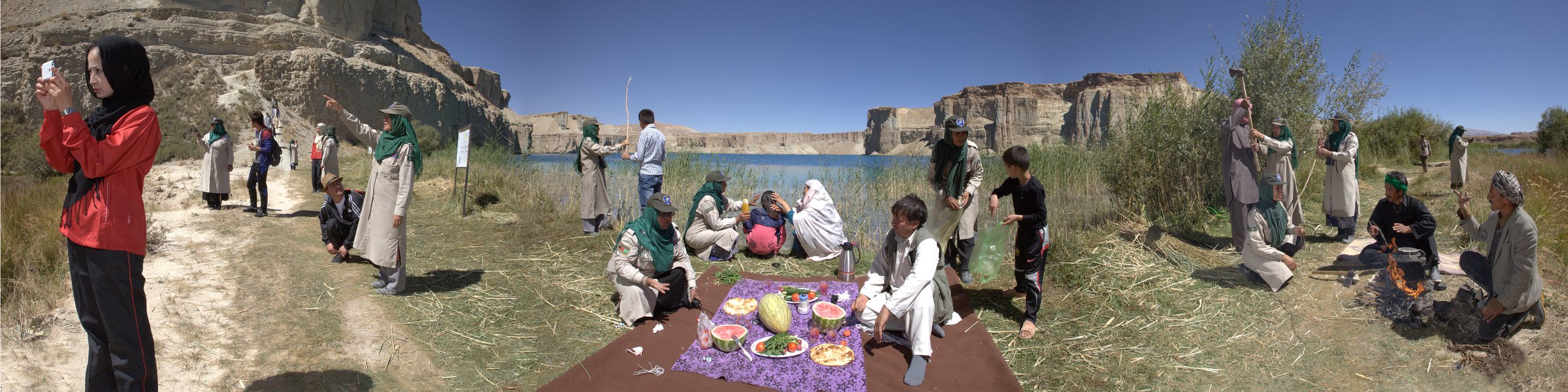
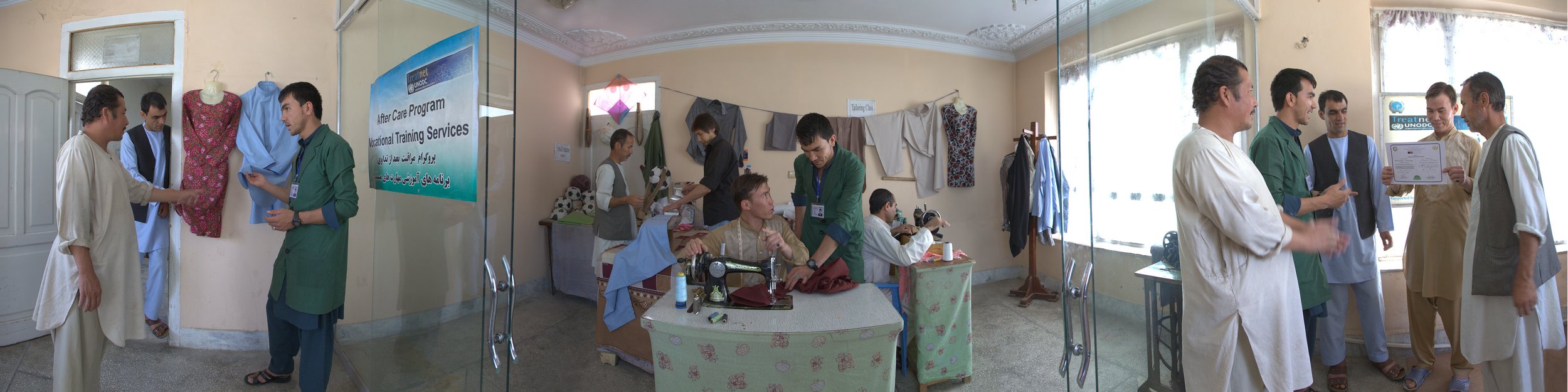
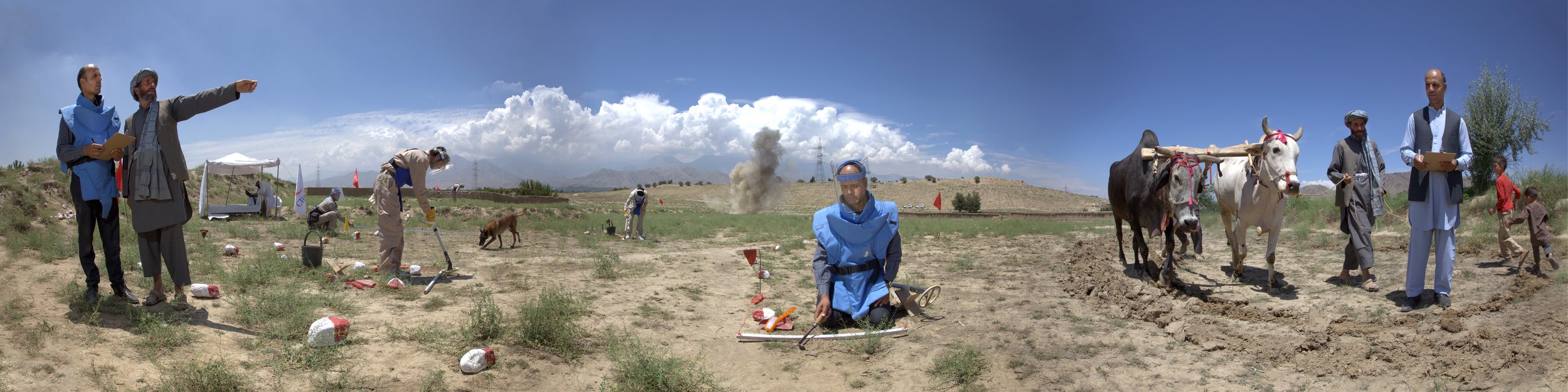
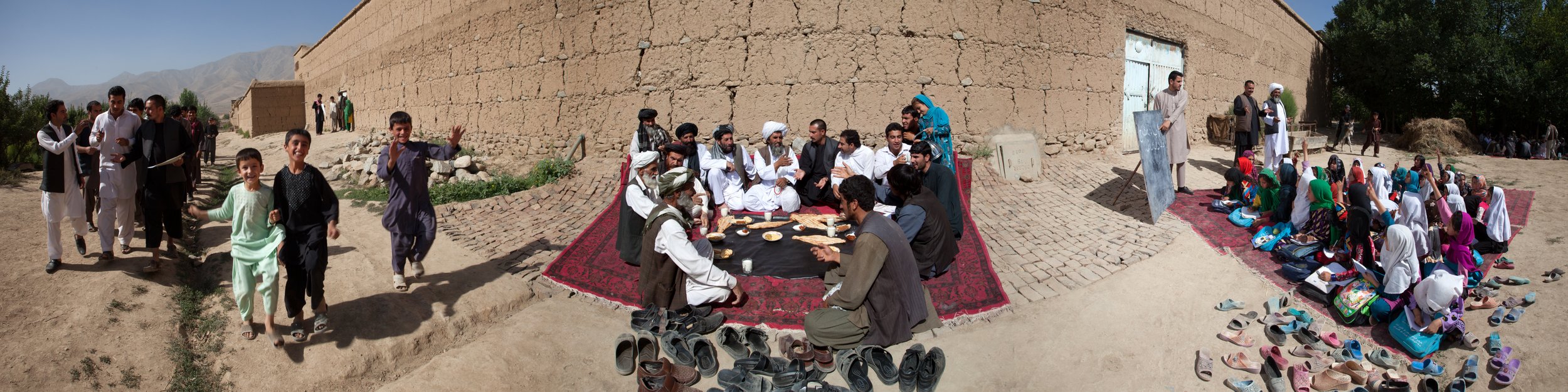

Making a Difference
UN-Monitored Afghan Drug Eradication Through Alternative Livelihoods
Across Afghanistan's mountainous provinces, decades of conflict have pushed rural households toward cultivating opium poppy as a survival strategy. The international community, led by the United Nations Office on Drugs and Crime, has long recognised that forced eradication alone deepens poverty and rarely lasts. A parallel track of programs aims to replace illicit cultivation with licit, profitable farming while rebuilding the rural economy from the ground up. These efforts are most often grouped under the banner of alternative livelihoods, an umbrella term that covers crop substitution, infrastructure grants, vocational training, and microenterprise support for households that have relied on the narcotics trade for generations.
In Australia, awareness of these programs tends to travel through personal rather than official channels. The Afghan-Australian community, concentrated in suburbs like Dandenong in Melbourne's south-east and in western Sydney, maintains close ties with relatives still farming in Helmand, Kandahar, and Badakhshan. As Australians debate their own border protection and regional aid policies, the question of how to wean rural Afghanistan off the narcotics economy has become quietly urgent, both for diaspora families and for the policymakers shaping Australia's overseas development assistance.
How the United Nations Coordinates Counter-Narcotics Work
The United Nations Office on Drugs and Crime (UNODC) is the principal technical body coordinating international counter-narcotics efforts in Afghanistan. Its mandate extends beyond law enforcement to include research, crop monitoring through satellite imagery, and the design of rural development responses that give farmers a viable exit from poppy cultivation. Working alongside the Afghan Ministry of Counter-Narcotics and provincial governors, UNODC has helped establish a tiered system: areas verified as poppy-free receive the Good Performers Initiative bonus, a reward channeled into community projects rather than individual handouts.
Under the UN-monitored approach, eradication is no longer a standalone campaign but a complement to alternative development. Governor-led eradication operations are documented and verified, and the resulting data feeds into national policies on licit crop substitution. The underlying logic is straightforward. A household that loses its harvest without a replacement income will simply plant again next season. Eradication therefore loses much of its moral force if it is not paired with a credible pathway to something else.
Funding for these programs has come from a wide donor coalition. The United States, the United Kingdom, the European Union, and Australia have all contributed at various points, alongside Japan, Germany, and Norway. For Australian readers, the country's involvement is worth noting. Between 2001 and 2021, Canberra was one of the largest non-NATO contributors of development aid to Kabul, with counter-narcotics and rural livelihoods consistently listed as priority sectors. That long engagement means Australian taxpayers have directly supported many of the alternative-livelihood pilots now being studied as models in the region.
Replacing Poppy With Saffron, Wheat, and Orchards
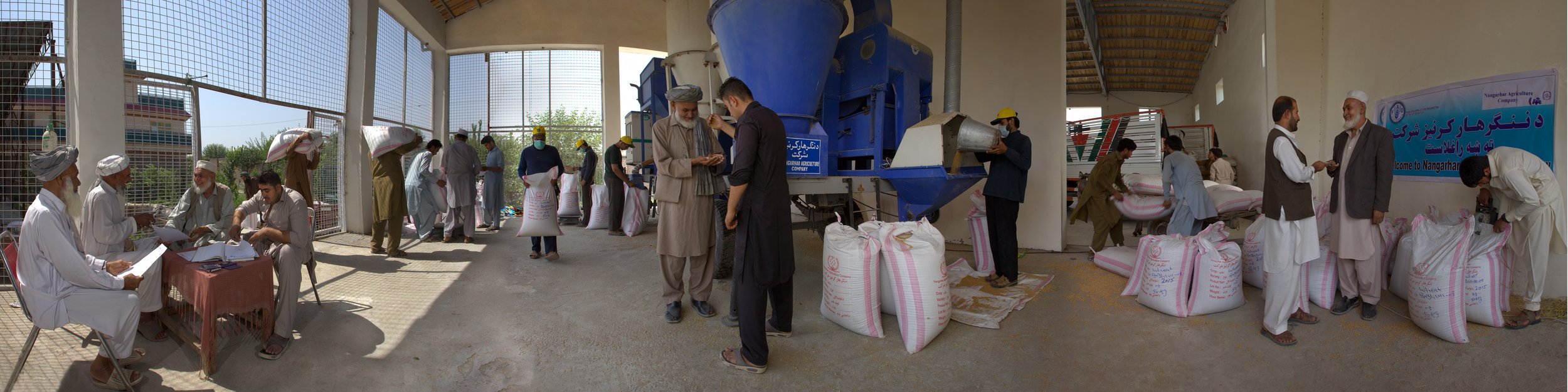
Crop substitution is the most visible element of any alternative livelihood strategy. In provinces such as Herat, Nangarhar, and Balkh, farmers have been offered seedlings, training, and guaranteed buyers for crops like saffron, pomegranate, almond, and high-value wheat varieties. Saffron in particular has attracted significant investment because it produces a higher gross margin per hectare than poppy and can be harvested by hand using traditional tools. Trials in Wardak and Parwan have shown yields that, with continued agronomic support, can compete with the cash appeal of opium resin.
In Helmand, the province most associated with the narcotics trade, the shift has been slower and more fragile. UNODC reports from the early 2020s documented households converting small plots to mung bean, cumin, and cotton, often supported by seed vouchers and tractor services. Yet the temptation to revert remains strong when opium prices spike in the regional market. Programs that treat substitution as a five-to-ten-year commitment, rather than a single-season intervention, have generally outperformed one-off projects that disappear once donor funding cycles end.
The infrastructure dimension is equally important. Rural Afghanistan suffers from chronic under-investment in irrigation canals, cold storage, and farm-to-market roads. Alternative livelihood grants frequently fund these unglamorous assets because without them, even the best-quality pomegranate rots before reaching a buyer in Kabul or Kandahar city. The lesson, repeated in evaluations from the World Bank and UNODC, is that substituting a crop is meaningless without a working value chain attached to it.
A Closer Look at Three Livelihood Models
Alternative livelihood programs are not monolithic. Three broad approaches have been tested at scale, each with different trade-offs between speed, cost, and durability.
| Program Model | Primary Focus | Typical Duration | Key Strength | Main Limitation |
|---|---|---|---|---|
| Crop Substitution Grants | Replacing poppy with licit cash crops like saffron, wheat, or fruit | 3–7 years per farmer | Direct, visible income shift | Vulnerable to price shocks in the licit market |
| Governor-Led Eradication Plus Incentives | Verifying poppy-free status and awarding community bonuses | 1–2 years per verification cycle | Creates collective accountability | Politically sensitive, requires buy-in from local power brokers |
| Integrated Rural Development | Roads, irrigation, education, and microfinance combined | 7–15 years | Addresses root causes of illicit cultivation | Slower to show results, expensive to administer |
Each model carries operational consequences. Crop substitution is popular with donors because results are easy to photograph, with a freshly planted saffron field reading as a clear success story. Integrated rural development, by contrast, often looks like ordinary public works for years before households register a meaningful income change. Australian development practitioners, accustomed to debating the trade-off between short-term aid outcomes and long-term institution building, will recognise a familiar tension between visibility and depth.
Persistent Challenges on the Ground
Security has always been the binding constraint. Alternative livelihood programs require extension officers to travel to remote districts, hold meetings with male and female farmers separately, and maintain relationships over multiple growing seasons. In provinces where the de facto authorities, ISKP, or other armed groups hold territory, that presence is simply not possible. Programs have been quietly rolled back from large parts of the south and south-east since 2021, with field staff withdrawn or relocated to the north-east, where conditions remain more permissive.
Corruption and elite capture represent a second challenge. Governors' offices, tribal councils, and local NGOs all mediate access to grants, and the diversion of inputs like fertiliser or seed is well documented. UNODC has responded by tightening verification protocols and introducing third-party monitors, but the underlying incentive structure in many districts remains tilted toward those with connections to power rather than those with the most acute need. Without transparent targeting, even generous programs tend to reinforce existing inequalities.
Market access is the third constraint, and it is often the silent killer of otherwise promising pilots. Farmers in Uruzgan, Zabul, and parts of Badakhshan can grow high-quality almonds or pistachios, yet the nearest reliable buyer may be hundreds of kilometres away over poorly maintained roads. Without functioning storage, grading, and transport, the price offered at the farm gate collapses and the grower returns to poppy, where traders come to the village. Linking producers to formal markets, including through digital platforms and diaspora-financed cooperatives, is increasingly seen as the missing piece of the puzzle in long-term rural recovery.
Why Australians Follow These Programs From Afar
Australia is not a bystander in this story. Between 2002 and 2021, Australian Defence Force personnel operated in Uruzgan and surrounding provinces, and the country contributed hundreds of millions of dollars in development assistance. The Special Representative of the Secretary-General for Afghanistan has regularly briefed Australian diplomats on counter-narcotics progress, particularly the link between poppy income and insurgent financing. Public debate in Canberra about troop withdrawals and aid priorities has always included a strand focused on whether alternative livelihood programs were actually working on the ground.
The Afghan-Australian diaspora provides a more personal angle. In Melbourne's south-east, the suburbs of Dandenong and Noble Park host one of the largest Afghan communities in the country, with family networks that still send remittances to relatives in Nangarhar, Laghman, and Kabul. Local businesses such as greengrocers and spice shops in the area regularly stock dried pomegranate seeds, mountain tea, and Afghan-style flatbreads, some of it sourced from community-led import cooperatives that aim, indirectly, to support licit agriculture back home. In Sydney, the markets of Auburn and Lakemba carry similar products, and Nowruz gatherings held in community halls each March offer a venue where diaspora members discuss rural development back in Afghanistan.
Australian universities have also contributed. Researchers from the Australian National University, the University of Melbourne, and the University of New South Wales have published field studies on opium economies, household-level decision-making, and the gendered impacts of crop substitution. Their findings have informed UNODC programming and have fed into the Australian aid program's own internal reviews. For an Australian reader interested in how foreign policy meets farming practice, the story of alternative livelihoods in Afghanistan is not abstract. It is, in small but tangible ways, also a domestic story unfolding in shopping strips and lecture halls across the country.
Stand With Farmers Building a New Rural Economy
Read the full UN70 "Strong UN. Strong Afghanistan." campaign archive, share these stories within your networks, and seek out Afghan-Australian producers and traders in your own city. Australians who want to deepen their understanding can follow UNODC reporting, support reputable diaspora-led small businesses, and engage elected representatives on the country's continuing overseas development commitments. Every conversation, every purchase, and every informed vote helps keep the long road out of poppy firmly on the national agenda in Kabul and on the radar of donor capitals, including Canberra.