
Making a Difference
UN-mediated peacebuilding dialogues on Afghan tribal land disputes
For decades, the rugged terrain of Afghanistan has been scarred by more than just physical conflict. Communities across provinces like Helmand, Kandahar, and Nangarhar have long wrestled with land disputes that pit neighbour against neighbour, clan against clan. These disagreements over boundary lines, water access, and grazing rights carry the weight of generations, often tracing back centuries. When the United Nations stepped into this complex web of customary law and fractured relationships, it did so with the recognition that lasting peace cannot be imposed from outside; it must be cultivated through dialogue.
In Australia, the conversation about land rights resonates deeply, though the context is vastly different. The continent's own history of dispossession of First Nations peoples offers a parallel lens through which to view reconciliation efforts abroad. From the Mabo decision in 1992 to ongoing discussions about Native Title, Australians understand that land is more than property, it is identity, heritage, and survival. This shared understanding of land as sacred ground creates a unique cultural bridge, allowing Australian observers and aid workers to engage with Afghan peacebuilding not as outsiders but as fellow travellers in the search for justice.
Roots of conflict: land, lineage, and survival
Tribal land disputes in Afghanistan are rarely simple arguments over acreage. They involve intricate questions of lineage, seasonal migration, water rights, and the legacy of decades of war. In many regions, the disruption caused by conflict has forced families to relocate, blurring historical boundaries and creating overlapping claims. When people return to ancestral lands after displacement, they often find their fields occupied or their irrigation channels rerouted. The resulting tensions can simmer for years before erupting into violence.
The concept of "country" in Aboriginal Australian culture offers a useful parallel. For First Nations peoples, land is not a commodity but a living entity, woven into identity and kinship. Understanding this relational view helps explain why Afghan communities defend their territories so fiercely. Both contexts show that land disputes are fundamentally about belonging, not just boundaries. Without acknowledging these deeper cultural currents, any mediation effort risks addressing symptoms while ignoring root causes.
Traditional jirgas and their limitations
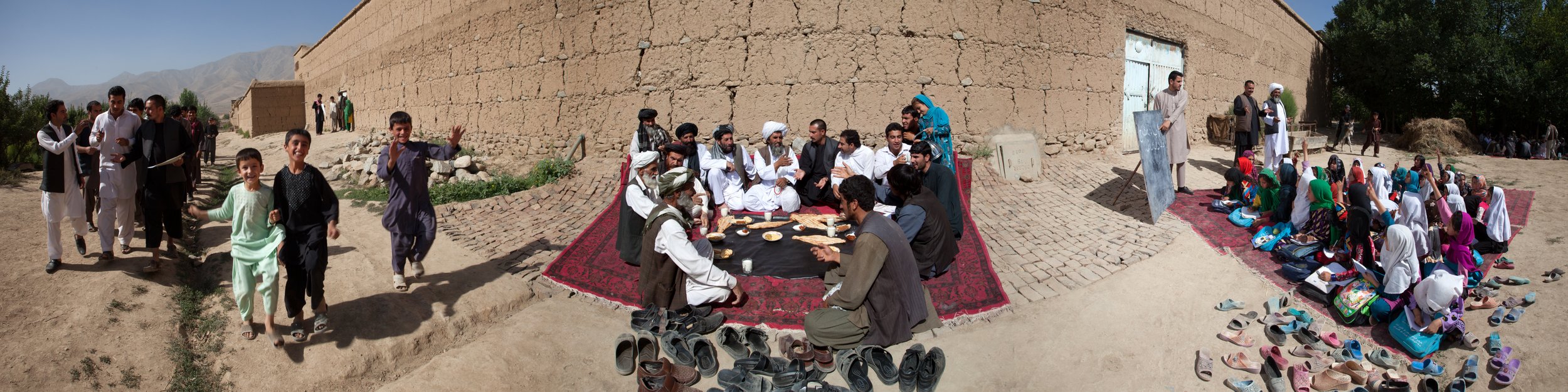
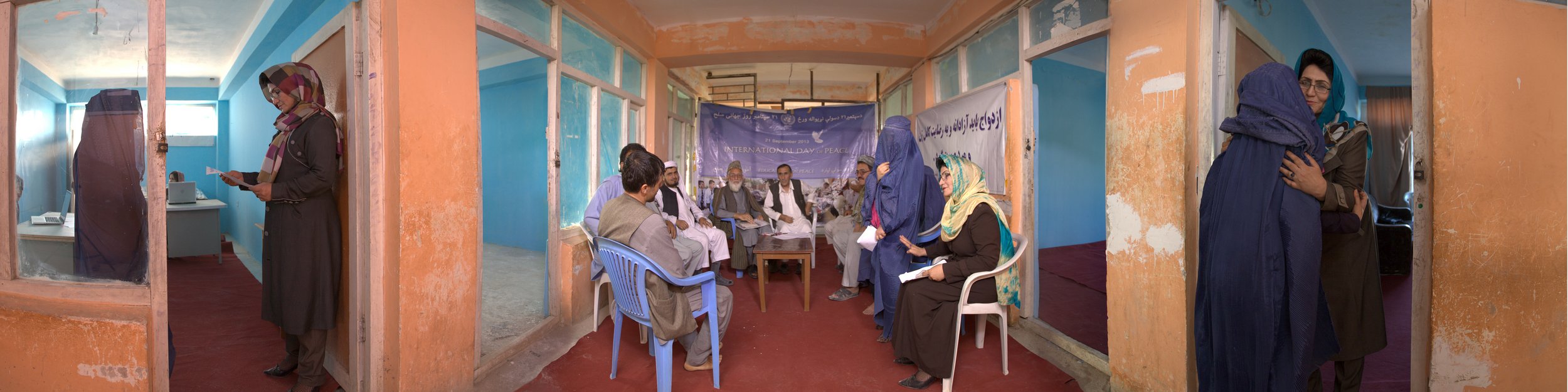
For centuries, Afghan tribes have relied on jirgas, gatherings of elders who deliberate and decide on disputes according to customary law. These assemblies carry significant social weight and remain a vital part of community life. However, jirgas often exclude women, younger generations, and minority voices. They can also reinforce cycles of retaliation, as decisions are sometimes made to appease powerful families rather than serve the broader community. In some cases, warlords and strongmen have manipulated jirgas to legitimise land grabs or settle personal scores.
In Australian English, there is a familiar phrase: having a yarn. It means to sit down for a proper chat, to listen as well as speak. The best peacebuilding dialogues, whether in a Kabul meeting hall or a community centre in western Sydney, share this quality. They create space for stories to be heard and grievances aired. The UN's approach builds on this principle, supplementing traditional forums with facilitators trained in inclusive negotiation and human rights standards.
The UN framework for mediated dialogue
The United Nations Assistance Mission in Afghanistan and the Department of Political and Peacebuilding Affairs work alongside tribal leaders, government officials, and civil society to mediate land disputes. Their methodology emphasises several core elements that distinguish it from informal negotiations. The goal is to create processes that are not only culturally appropriate but also resilient to manipulation.
Guiding principles of UN-facilitated land dialogues:
- Inclusivity across gender and age: ensuring women, youth, and minority representatives participate meaningfully, not just as observers.
- Human rights grounding: aligning customary resolutions with international human rights standards, particularly regarding property and inheritance rights.
- Transparency and documentation: recording agreements clearly to prevent later disputes over what was actually decided.
- Local ownership: supporting community-led solutions rather than imposing external blueprints, which builds long-term legitimacy.
These principles reflect lessons learned from decades of mediation in conflict zones worldwide. They acknowledge that quick fixes often unravel, while patient, inclusive processes lay groundwork for durable peace.
Cross-cultural parallels: Aboriginal land justice in Australia
Australia's own journey with land justice offers both inspiration and caution. The 1992 Mabo decision recognised Native Title and overturned the legal fiction of terra nullius. Yet decades later, communities still navigate complex negotiations with mining companies and government agencies. The destruction of the Juukan Gorge rock shelters in Western Australia in 2020, after legal challenges failed, highlighted how reconciliation remains incomplete and contested. These moments show that legal recognition is just the first step on a much longer road.
Lessons from Australian Native Title for Afghan mediation:
- Legal recognition matters, but relationships sustain it: formal court rulings or signed agreements mean little without ongoing dialogue and trust between parties.
- Economic interests complicate resolution: mining, agriculture, and development pressures can undermine peace deals unless all parties benefit fairly.
- Cultural heritage requires protection: sacred sites, whether Aboriginal rock art or ancient Afghan caravanserai, must be respected in any land use decision.
- Patience is non-negotiable: real reconciliation takes generations, not funding cycles or electoral terms.
These parallels remind us that land justice is rarely a single victory but a continuous process of negotiation, respect, and renewal.
Common pitfalls in mediating tribal disputes
Even with the best frameworks, peacebuilding dialogues can falter. One persistent challenge is balancing customary law with formal legal structures. In Afghanistan, many rural communities do not trust the formal court system, viewing it as corrupt or distant. Yet pure customary processes can violate constitutional rights, particularly those of women. Mediators must find a middle ground that honours tradition while ensuring fundamental freedoms.
Another pitfall is the gap between agreement and implementation. A signed document means little if the terms are not monitored or enforced. Without follow-up mechanisms, spoilers can sabotage deals, and communities can lose faith in the process. The UN attempts to address this by engaging local monitors and supporting community-based dispute resolution committees that can intervene when old tensions resurface. Trust, once broken, is hard to rebuild, so consistency matters more than speed.
The role of Afghan women and Australian aid workers
Afghan women have historically been excluded from jirgas, yet they are often most affected by land disputes, particularly regarding inheritance and access to resources. UN Security Council Resolution 1325 on Women, Peace and Security provides a framework for their inclusion. When women participate in mediation, agreements tend to be more comprehensive and durable. Their perspectives on water management, agricultural use, and family welfare bring practical wisdom that purely male deliberations often miss. Their voices are not peripheral; they are central to any lasting solution.
Australia contributes to these efforts through diplomatic channels, development programs, and its vibrant Afghan diaspora. In Melbourne's southeastern corridor around Dandenong, and in Sydney's western suburbs near Lakemba, Afghan-Australians maintain strong cultural ties to their homeland while building new lives. Some engage in advocacy, translation services, or community development work that supports peacebuilding back in Afghanistan. Their dual understanding of Afghan customs and Australian systems, like the Native Title framework, makes them invaluable bridges between communities separated by thousands of kilometres but united by the struggle for land justice.
Sustaining peace after the talks
A peace agreement is not an endpoint but a beginning. Sustaining dialogue requires ongoing engagement, economic opportunity, and institutional support. The UN works with Afghan partners to establish local peace councils, train mediators, and support land registry reforms that reduce ambiguity. These efforts aim to prevent disputes from reigniting and to give communities the tools to manage conflicts independently over time. The work is generational, requiring commitment long after the cameras leave.
For Australians watching from cities like Perth, Brisbane, or Hobart, the lessons from Afghan peacebuilding extend far beyond that country. They speak to the universal challenge of living together on shared land, respecting diverse histories, and choosing conversation over confrontation. The work of mediation is slow, often unglamorous, but essential. It reminds us that peace is not a single treaty or handshake but a thousand small decisions made every day by people choosing understanding over violence.
To explore the stories behind these efforts and the campaign that highlighted them, visit the UN Afghanistan campaign archive. There you will find photographs, news, and messages that capture the spirit of a nation working toward reconciliation. Each story is a reminder that dialogue, however difficult, remains our most powerful tool for building a more peaceful world. Support these initiatives by sharing what you learn, advocating for inclusive peace processes, and recognising that every voice matters in the quest for justice.