
Making a Difference

Clean water at the village hearth
At a community water point in Afghanistan, a handpump can set the rhythm of an entire day. A person turns a cast handle, water rises through a narrow pipe, and families fill cans, buckets and animal skins before the heat arrives. The machine may look modest beside a mountain range or an unmarked track, yet dependable water can decide whether children reach school with time to spare or women spend hours walking for every household task. This is the everyday promise behind the UN-installed Afghan community water pumps documented by UN Afghanistan.
Afghanistan’s communities already manage scarce water through wells, springs, streams, irrigation channels and water deliveries that vary with the season. Recurring drought, difficult geology and damage to water systems can intensify that pressure. Women and girls often carry much of the responsibility for collecting water, so a nearby source affects safety, school attendance and the time available for paid work as well as household survival. A handpump improves access only when its water yield, design and upkeep suit local conditions.
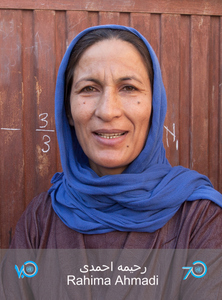
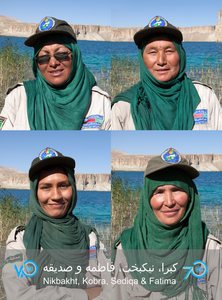
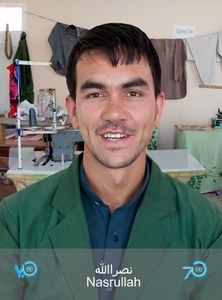
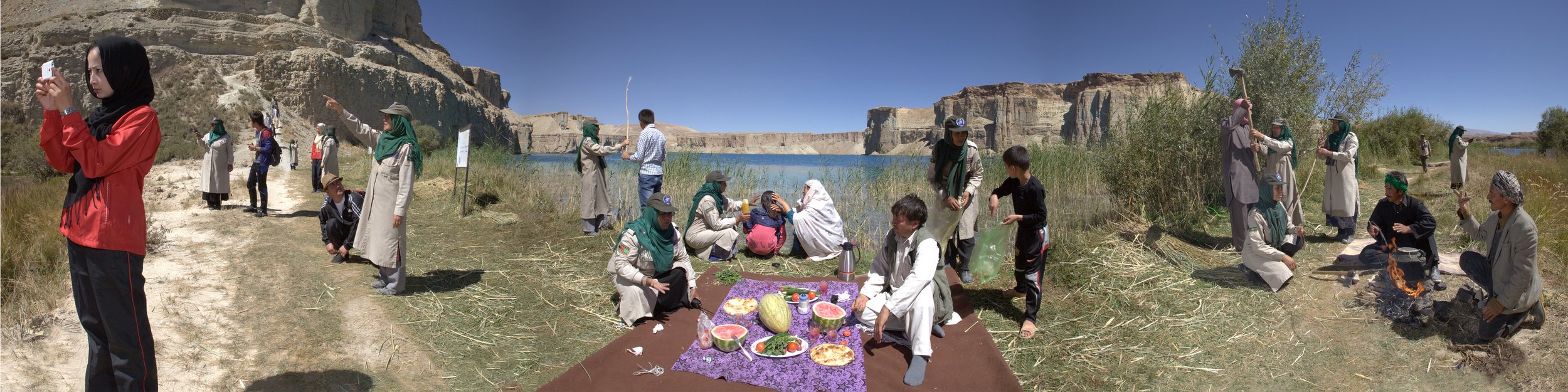
The archived UN70 “Strong UN. Strong Afghanistan.” campaign brings these realities into a wider story about what sustained partnership can achieve. Its photographs, Afghan accounts, messages from the Special Representative of the Secretary-General and links to media channels offer a record of communities as partners and contributors, rather than passive recipients. Because the campaign is a completed snapshot rather than an active programme page, the archive now serves as evidence and a source of practical lessons for anyone working on water, sanitation and rural resilience.
A village pump changes the daily rhythm
The first change is often measured in time saved. Instead of walking to a distant well, spring or tanker stop, people can collect water within the village. Containers can be filled earlier in the morning, journeys can be made in daylight, and fewer trips are needed for a household’s daily supply. That simple proximity can give girls more time for education and women more time to work, shop or care for children without changing the underlying role of those who collect water.
Volume matters as much as distance. A pump can serve more people than an open source, but only until the aquifer, spring or well reaches its practical limit. Designers therefore consider seasonal yield, anticipated population, peak drawing times and the possibility that dry years will reduce output. Community members also need an agreed method for prioritising essential uses when water is short, so the equipment does not deepen conflict between households with different needs.
Clean water also depends on what happens around the source. A damaged well, animals near the collection point or a missing apron can contaminate water that the pump itself has drawn from a protected source. Testing, sanitation and clear rules for keeping the site clean are part of the service. The handpump is best understood as one link in a wider chain that includes a sound source, sound infrastructure, sound hygiene and dependable management.
Engineering for difficult ground
Every installation begins with a site that has been assessed rather than chosen from a map alone. Engineers and local specialists check the water source, expected drawdown, ground conditions, access for repairs and the distance from contamination. In mountain valleys and arid plains alike, a pump rated for one set of conditions can fail quickly in another. Raising the handle too high, using unsuitable seals or setting the structure on unstable ground can turn a modest project into a recurring expense.
Useful handpumps rely on robust, standard parts: a handle and linkage, piston and cylinder, seals, a protected outlet and a firm base. Standardisation matters because a village mechanic should be able to identify a worn component and replace it without waiting for a special order. Local fabricators can also produce compatible pieces when supply chains are interrupted. The strongest designs leave enough room for repair, place vulnerable parts where they can be checked, and account for the dust, cold and heavy use common in Afghan villages.
The surrounding works are equally practical. A concrete apron reduces mud and makes cleaning easier, while drainage carries waste water away from the source. The outlet should prevent hands, cups and containers from touching the pump’s wet components. Installation teams need to explain how the pump works, where to obtain spare parts and what signs of damage require action. Those instructions create the bridge between engineering drawings and the people who will operate the asset for years.
Women keep the water system accountable
Women are central to village water management because they use the system every day and understand changes in water availability that may not appear in an official record. Their knowledge includes which sources remain reliable, when queues become longest, which families face special needs and how disagreements over access are usually settled. Inviting women to identify these patterns helps engineers and committees design a service that reflects daily life rather than an abstract average user.
Representation matters on the water committee that oversees fees, repairs and opening times. Women can challenge decisions that ignore safety, menstruation, disability or the burden of collection, while men and women together can prevent one group from monopolising control. Clear records, regular meetings and an accessible complaints process help the committee earn trust. Even where women cannot hold every formal office, meaningful participation in decisions and maintenance gives them a voice in a service on which the whole village depends.
Leadership should also be connected to training and resources. A woman asked to check a pump needs tools, technical advice and the authority to act when a seal fails or a drain becomes blocked. The aim is to share authority and work fairly, rather than transfer unpaid responsibilities without support. When women help direct budgets and maintenance, communities are more likely to spot problems early, retain skilled local technicians and keep the water point open through difficult seasons.
Maintenance decides whether water stays
A handpump will eventually need attention. Bearings wear, seals leak, links loosen and heavy use can damage the handle or base. The difference between a short outage and a pump abandoned for months lies in preparation. Each installation should have nearby spare parts, a named technician and a simple way to report a breakdown. A trained mechanic from the district can then travel between villages with the right equipment instead of diagnosing the same fault on every visit.
Small user contributions can fund routine servicing, while clear agreements prevent a system from depending on promises that disappear when finances become difficult. Fees should be set with the community, kept in a visible account and used for approved costs such as parts, transport and technician visits. Any support from public institutions or humanitarian partners can help cover capital repairs or gaps in collection. Transparency lets families see that the money returns to the water point rather than disappearing into an unclear fund.
Long-term stewardship also protects the source. Users can watch for erosion around drainage channels, unsafe waste nearby or early signs that yield is falling. Schools, health workers and local councils can reinforce safe practices through the information they already control. When maintenance is treated as ordinary village work rather than exceptional assistance, the handpump becomes a durable public service. Its success can be counted in reliable hours of operation, rapid repairs and continued trust, as well as in the number of units installed.
What the UN70 archive preserves
The campaign archive is valuable because it keeps the human contribution visible alongside the infrastructure. Afghan engineers, water committee members, mechanics, teachers, health workers and residents appear as people solving practical problems in difficult circumstances. Their photographs and accounts show that village water is more than a line from an aid budget. It is a service maintained through daily choices, technical knowledge and cooperation among people who have a direct stake in the supply.
The archive also demonstrates how United Nations support works best when it strengthens local capacity. Equipment, engineering advice, training, spare-parts networks and links with Afghan institutions can reinforce a system that local leaders can continue after outside funding ends. National and provincial authorities remain essential for standards, coordination and oversight. Community organisations and humanitarian partners add reach, while residents provide the local judgement that no external plan can fully replace.
Since the campaign is no longer active, the archive should not be mistaken for a current appeal or a live list of projects. Its photographs, news and messages document what was achieved and how partnership was understood at that time. They can guide present work by showing the value of visible Afghan leadership, sensible engineering and maintenance planning. For visitors, the most useful response is to engage with the stories as evidence, then carry their lessons into current programmes that Afghan people shape and support.
Put the lesson into action
Australian communities have their own version of water infrastructure. Across much of regional Australia, a raised rainwater tank on a tank stand and a reliable bore are familiar features of a homestead or small town. People talk about checking a bore, changing a pump or paying for water carting, and the everyday priority in places such as Alice Springs is securing supply through dry periods and reliable management through floods. The technology differs from a village handpump, but stewardship and preparedness are familiar concerns.
In South East Queensland, the City of Logan provides another local lens. The Logan area combines fast-growing suburbs, established neighbourhoods, waterways and exposure to both flood and drought planning. Councils there work across infrastructure, emergency management, community facilities and land-use decisions, so water cannot be treated as a stand-alone appliance issue. Local knowledge about rising streams, road impacts and neighbourhood needs is as important there as it is around an Afghan village well.
Australian markets reinforce that practical approach. Households and councils buy tanks, pumps and fittings through hardware retailers and specialist suppliers, while drillers, plumbers and pump technicians provide installation and repair. Councils often manage water through formal strategies, budgets and tendered works, and drought plans shape restrictions before shortages become emergencies. Local trades depend on compatible parts and accessible service networks, a lesson that travels well to Afghan communities maintaining a handpump with locally made components.
Use the UN Afghanistan archive to learn from the Afghan people whose work sustained these water points, and share those stories with colleagues, schools and community groups. For practical support, direct attention and contributions to a current, Afghan-led clean-water programme through a reputable United Nations or humanitarian partner; support local training and spare-parts networks; and keep water decisions connected to the people who use them. Clean water endures when communities have the tools, authority and durable systems to keep it flowing.