
Making a Difference
How Improved Seeds Support Afghan Farmers And Food Security
Reliable access to seed can determine whether an Afghan farming household produces enough food for the year ahead or faces another season of debt, hunger and dependence on aid. UN-supported agricultural programmes have helped distribute improved wheat seed and vegetable seed to farmers whose land, livestock, tools or incomes have been affected by drought, conflict and displacement. These efforts connect emergency relief with longer-term rural recovery.
The UN70 “Strong UN. Strong Afghanistan.” campaign presented Afghan people as contributors to their communities rather than passive recipients of assistance. Seed distribution belongs within that broader story. A bag of certified wheat seed may appear modest beside large infrastructure projects, yet it can support household nutrition, local markets, employment and the confidence to plant again. The campaign is now an archived record, but its lessons remain relevant to anyone studying food security and practical development partnerships.
Why Seed Access Matters In Afghanistan
Afghanistan’s rural economy depends heavily on agriculture, with wheat occupying a central place in household diets and national food planning. Farmers also grow vegetables such as onions, potatoes, tomatoes, okra, beans and leafy greens. When rainfall fails or irrigation systems deteriorate, families can struggle to buy seed for the next planting season. Many may consume or sell the seed they had saved, creating a difficult cycle in which one poor harvest reduces the chances of recovery.
Improved wheat varieties can offer stronger yields under suitable conditions, earlier maturity or better resistance to particular diseases. The term “high-yield” should not be interpreted as a guarantee. Results depend on soil fertility, water availability, planting dates, weed control, local temperatures and access to fertiliser. A variety that performs well in an irrigated valley may be unsuitable for a dry highland district.
Vegetable seed adds another layer of value. Wheat supports staple food supplies, while vegetables diversify diets and can provide products for village markets. A small plot planted with vegetables may generate cash faster than a cereal crop, allowing families to pay for transport, school needs or medical care. For households with limited land, this combination of staple and horticultural production can spread risk across several harvests.
How UN-Supported Distribution Reaches Farmers
Seed assistance is generally organised through cooperation among UN agencies, Afghan institutions, local organisations and donor governments. The precise arrangement can vary by province and season. Partners identify vulnerable farming households, assess available land and water, procure suitable varieties, and arrange delivery before planting windows close. Local agricultural experts and community representatives are important because they understand soil conditions, customary practices and the reliability of irrigation channels.
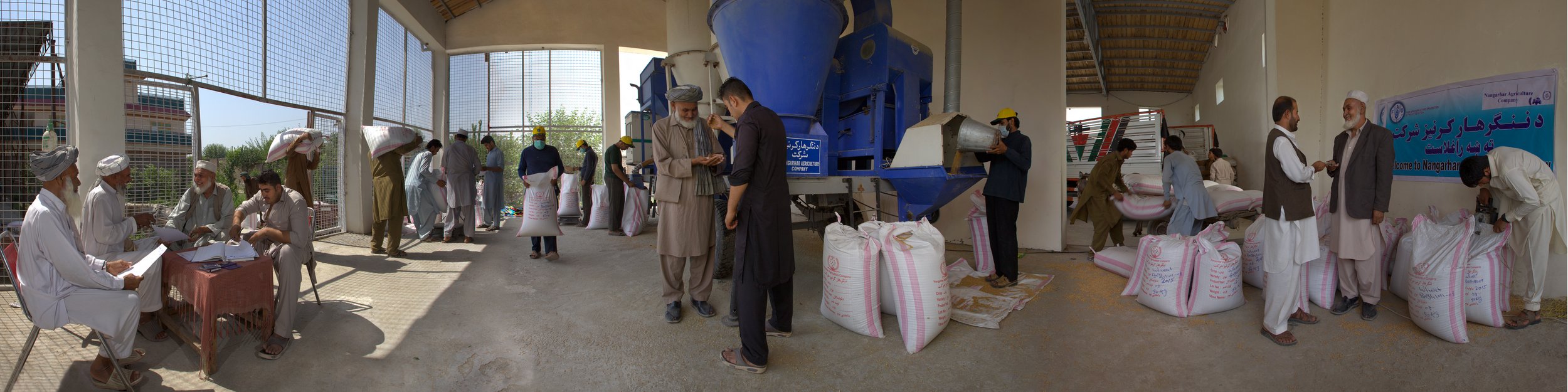
A useful distribution system does more than hand over a sack. Farmers may need advice on seed treatment, sowing rates, row spacing, fertiliser use, pest management and storage. Demonstration plots can show the difference between improved seed and recycled grain, while extension workers can explain when a variety is likely to perform well. Such support helps prevent disappointment and reduces the risk that farmers use costly inputs in ways that lower yields.
Targeting is also significant. Women-headed households, smallholders, returnees and families living in drought-affected areas may face barriers to formal markets and agricultural services. Distribution points need to be accessible and safe, with transparent selection criteria. Where women contribute substantially to kitchen gardens, poultry or post-harvest processing, programmes should consider how information and inputs can reach them directly.
Wheat And Vegetable Seeds In A Difficult Growing Environment
Afghan farmers work across sharply different environments, from irrigated river valleys to dry plains and mountainous districts. Water scarcity is one of the most serious constraints. Improved seed cannot compensate for an empty canal or a failed borehole, so responsible programmes match varieties with local water conditions. Drought-tolerant or early-maturing wheat may reduce exposure to late-season heat, but it still requires timely moisture during critical growth stages.
Soil health is another concern. Repeated cultivation, erosion and limited access to organic matter can reduce productivity. Vegetable growers may face additional pressures from pests, poor-quality irrigation water and a lack of cold storage. Training in composting, crop rotation, water-saving irrigation and integrated pest management can make seed assistance more effective without pushing farmers towards excessive chemical use.
Quality assurance protects both farmers and donors’ investment. Seed should be correctly labelled, adapted to the area and tested for germination and disease. Packaging and transport must protect it from dampness and extreme heat. Community feedback and post-distribution monitoring can reveal whether the seed reached the intended households, germinated as expected and produced a harvest that farmers considered worthwhile.
From Emergency Relief To Local Market Recovery
Seed distribution can help restore local trade as well as household production. Farmers who harvest a surplus may sell wheat, vegetables or seed-quality grain to traders, millers and nearby households. Increased supply can improve food availability in local markets, although prices also depend on transport costs, fuel, border conditions and regional harvests. A successful harvest therefore supports a wider network of labourers, truck drivers, vendors and small businesses.
The timing of aid matters. If improved seed arrives after the sowing period, its value falls sharply. Procurement and transport planning must account for Afghanistan’s seasonal calendar, difficult roads and interruptions caused by weather or insecurity. Local sourcing can shorten delivery routes and strengthen Afghan seed enterprises, provided quality standards are maintained and farmers retain access to a range of suitable varieties.
There is a useful comparison with Australia’s grain sector. Farmers around Wagga Wagga, Horsham and Geraldton routinely select varieties according to rainfall, soil type, disease risk and market requirements. They may use agronomists, soil tests and forward contracts before sowing. Afghan smallholders often make similar technical decisions with far fewer resources, which is why affordable extension support and dependable seed channels are so important.
What Australian Readers Can Learn From The Model
Australia’s everyday relationship with food can make the impact of seed assistance easy to overlook. Shoppers in Melbourne, Sydney or Brisbane may see bread, flour, onions and tomatoes as consistently available supermarket products. In Afghanistan, the chain from seed to meal is more exposed to drought, transport disruption and household purchasing power. A failed harvest can affect both what a family eats and what it can afford to buy.
Australian agriculture also operates under a detailed regulatory system. The Biosecurity Act 2015 supports national controls intended to prevent the entry and spread of pests and diseases, while seed businesses work within certification, labelling and variety protection arrangements. Australian growers are familiar with quarantine declarations, traceability and careful separation of seed stock. Similar principles are valuable in humanitarian seed programmes, even when local systems and resources differ.
There are social parallels as well. Community gardens in Canberra, market gardens near Perth and vegetable plots in regional towns show how access to seed can support nutrition, learning and modest income. However, Australian growers usually have easier access to irrigation equipment, farm machinery, finance and agricultural advice. The comparison should encourage practical solidarity rather than suggest that a single Australian farming model can simply be transferred to Afghanistan.
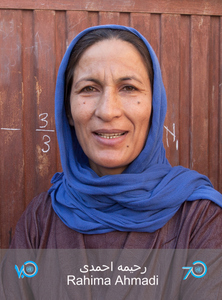
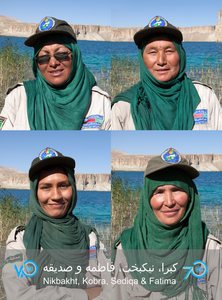
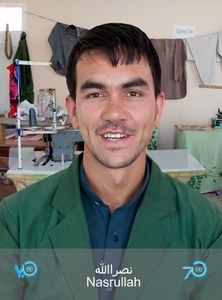
Archived campaign pages can preserve personal stories that statistics cannot. For readers reviewing field-level accounts, the most useful question is how a programme affected a particular farmer’s choices, harvest and household prospects. Those accounts should be read alongside independent evidence on seed quality, yield, market access and community participation.
Principles For Stronger Seed Assistance
Effective agricultural support combines an appropriate input with the knowledge, infrastructure and local decision-making needed to use it well. The following principles can guide future UN-backed seed distribution and similar development programmes:
- Match wheat and vegetable varieties to local climate, elevation, soil and water availability.
- Deliver certified, clearly labelled seed before the relevant planting window.
- Pair distribution with practical extension advice, demonstrations and follow-up visits.
- Include women farmers, smallholders, returnees and people affected by displacement in transparent targeting.
- Strengthen Afghan seed producers, local traders and agricultural service providers where quality can be maintained.
- Monitor germination, yields, household food use, sales and farmer satisfaction rather than counting bags alone.
- Connect emergency seed aid with irrigation repair, soil improvement, storage and market access.
These principles apply beyond Afghanistan. They show why food security is built through linked decisions: which seed is selected, who receives it, whether water is available, how knowledge is shared and whether farmers can sell or store the harvest. A distribution campaign is most valuable when it leaves behind stronger skills, trusted relationships and functioning local supply chains.
The UN70 campaign’s central message remains relevant in this context. A strong partnership recognises Afghan farmers as people with experience, preferences and ideas. External funding can purchase seed and transport, but lasting results depend on Afghan communities shaping the programme, testing what works and holding delivery partners accountable.
Supporters, researchers and agricultural organisations can keep this work visible by examining archived UN materials, comparing them with current food-security evidence and sharing accurate accounts of Afghan-led recovery. Public attention should extend beyond the moment when seed is handed over, following the crop through planting, harvest, household consumption and local trade.
When agricultural assistance is planned with care, improved wheat and vegetable seed can become more than an emergency input. It can help families rebuild productive capacity, strengthen rural markets and protect dietary diversity. Engage with credible humanitarian reporting, support responsible food-security partnerships and help ensure that Afghan farmers’ contributions remain central to the story of recovery.