

Making a Difference


School gardens in Afghanistan grow lessons for a sustainable future
A school garden can be a classroom, a food source and a meeting place at the same time. In Afghanistan, gardens supported through United Nations programmes have helped children connect lessons about soil, water, nutrition and seasonal crops with the realities of daily life. The work reflects a practical idea: education becomes stronger when it is rooted in the community.
UN-funded Afghan school gardens are part of a wider effort involving education, food security, livelihoods and climate resilience. Depending on the programme and province, support may include tools, seeds, irrigation materials, teacher training, nutrition education and links with local farmers. The garden itself may be modest, yet the learning can extend into household plots and village farming practices.
For Australian readers, the model has familiar features. A primary school in regional Victoria, a community garden in western Sydney or a waterwise learning plot in Perth may use similar hands-on methods. The Afghan setting is different, with greater pressure from drought, displacement and limited resources, but the educational principle travels well: children learn by growing, measuring, caring and sharing.
Why school gardens matter in Afghanistan
Afghanistan’s rural economy depends heavily on agriculture, while many families face unreliable water supplies, damaged infrastructure and limited access to nutritious food. A school garden cannot resolve those problems by itself. It can, however, create a small and visible space where children practise useful skills and see how careful resource management affects harvests.
Students may learn to prepare soil, plant seeds, recognise pests and record growth. These activities reinforce science and mathematics lessons without requiring expensive equipment. Measuring the distance between rows, tracking rainfall or comparing germination rates turns an ordinary garden bed into a working laboratory.
Gardens can also encourage regular attendance and a stronger connection between families and schools. When parents, teachers and local growers contribute knowledge, the school becomes part of the community’s food system. Children may take ideas home, such as composting household organic matter, using mulch to reduce evaporation or choosing vegetables suited to the local season.
What United Nations support can provide
United Nations agencies and partner organisations generally design agricultural education projects around local needs. A school in a highland area may require cold-tolerant crops and protected growing spaces, while a school in a dry lowland district may prioritise shade, water harvesting and efficient irrigation. Projects need to respect local farming knowledge rather than impose a single model.
Funding can cover practical items that are easy to overlook: fencing to protect plants from livestock, hand tools sized for students, storage for seeds, raised beds in poor soil and simple water containers. Teacher guidance is equally important. Without a person responsible for planning and maintenance, a garden can become unused once an initial grant ends.
Food and nutrition work may be linked to school meals or demonstrations. Students can learn how leafy vegetables, legumes, herbs and fruit contribute to a balanced diet. Where culturally appropriate, lessons can include food preparation, hygiene and household budgeting. These activities make the connection between agricultural production and family wellbeing clear.
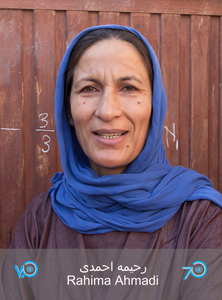
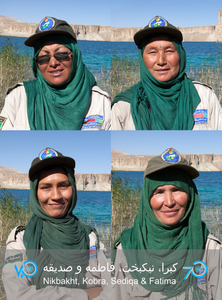
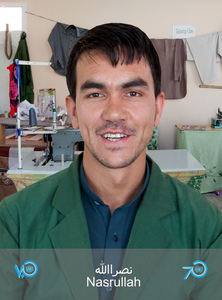
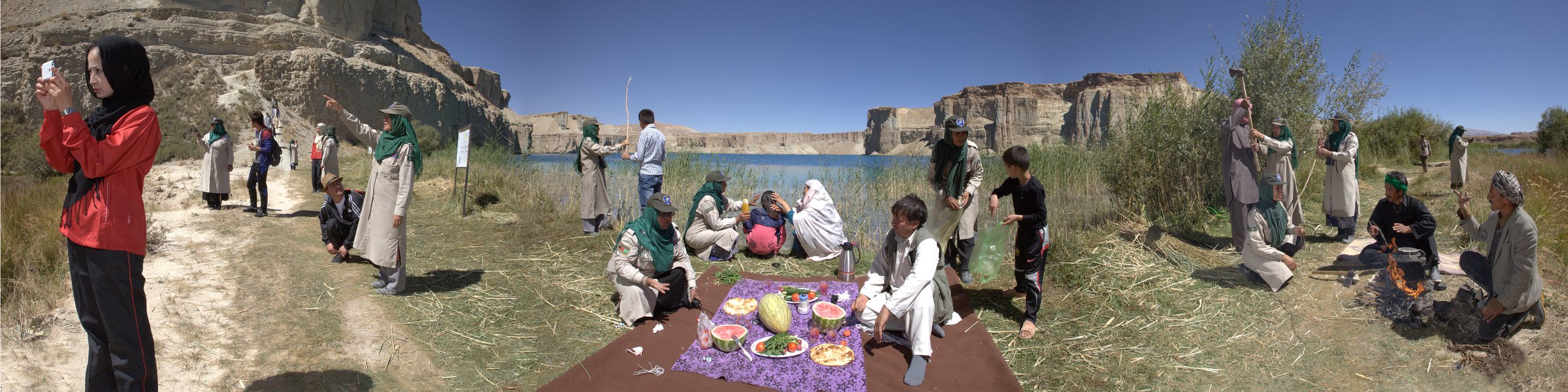
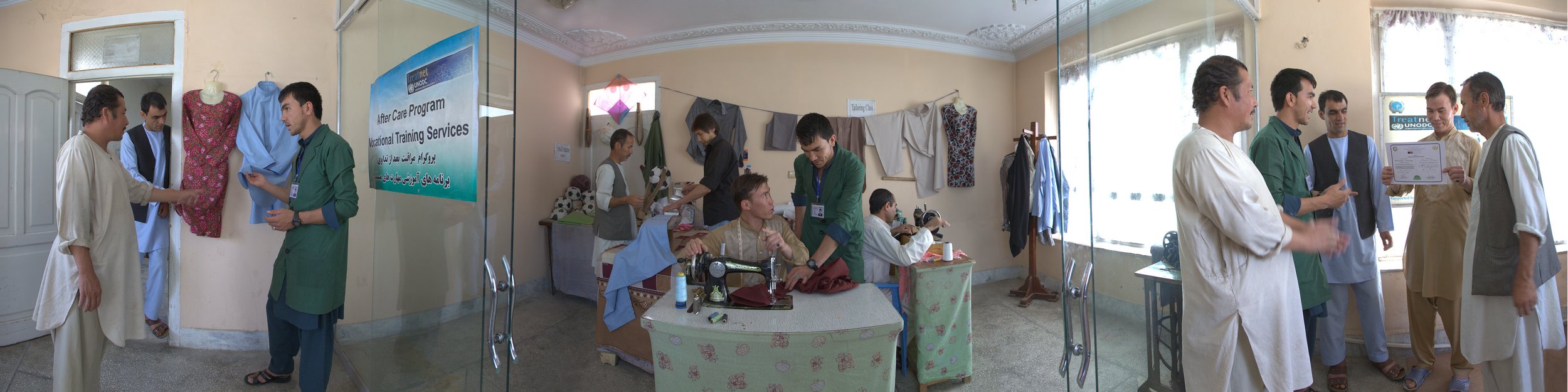
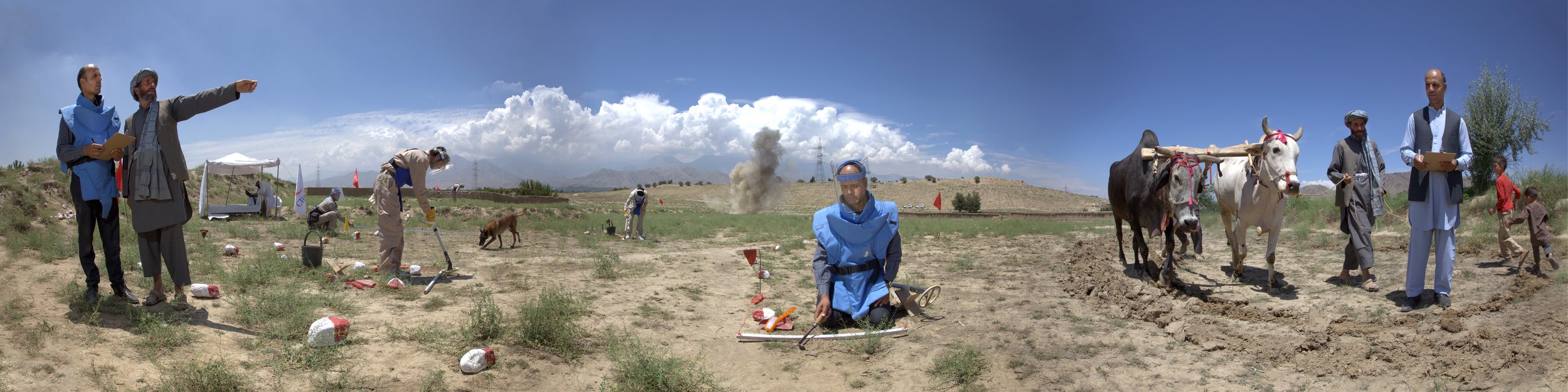
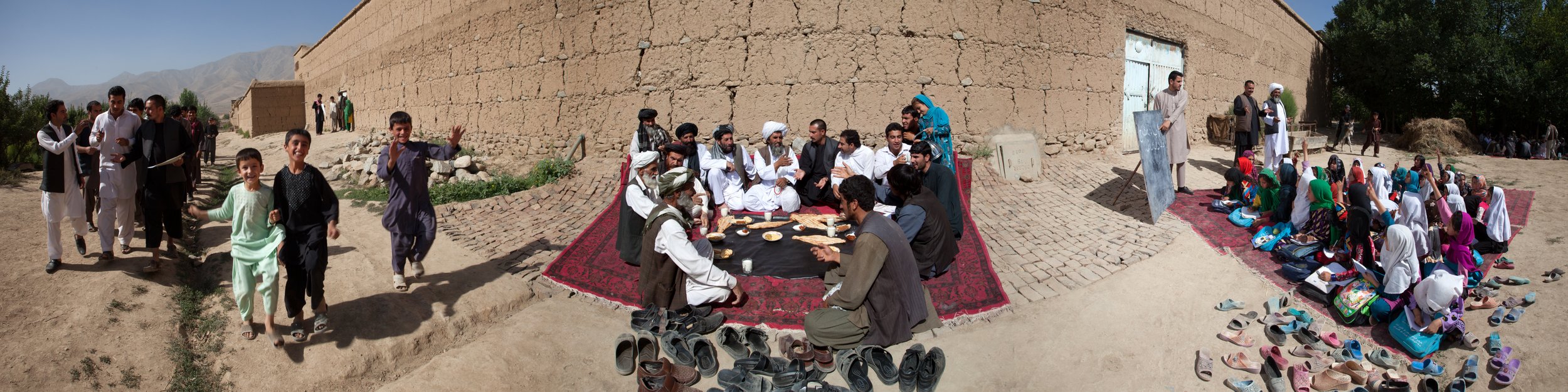
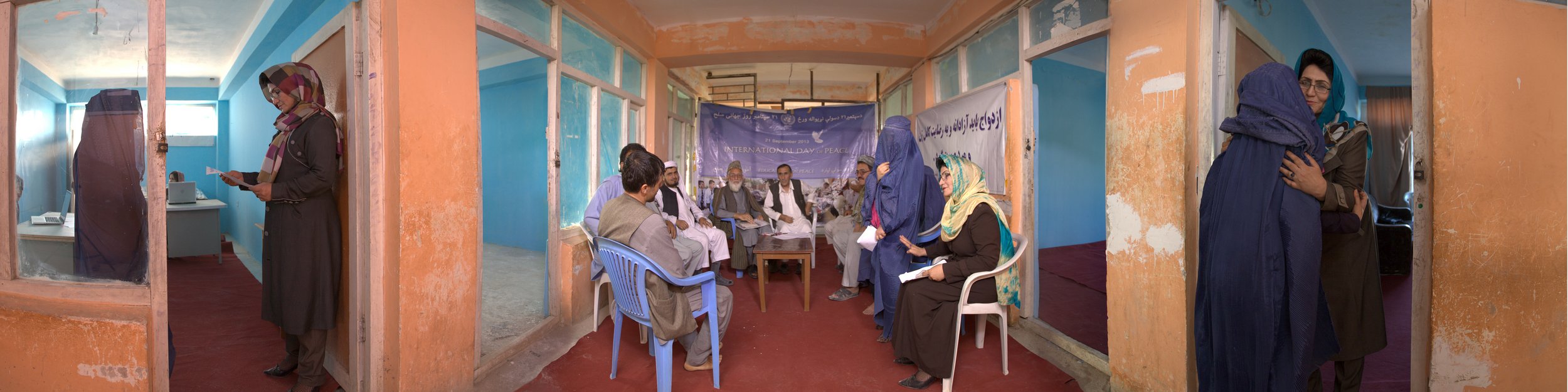
The UN70 “Strong UN. Strong Afghanistan.” campaign presented Afghan people and their contributions through photographs, stories and messages from the Special Representative of the Secretary-General. School-based agriculture fits that wider picture of partnership: international support is most meaningful when Afghan teachers, farmers, students and community leaders shape the work.
Growing with limited water and changing weather
Water management is central to any sustainable agriculture project in Afghanistan. Rainfall can be erratic, drought can reduce yields and irrigation systems may be damaged or unaffordable. A school garden therefore provides a manageable setting for teaching methods such as drip lines, watering at cooler times, mulching and collecting rainwater where conditions permit.
Crop selection matters as much as irrigation. Fast-growing vegetables may provide visible results during a school term, while hardy local varieties can offer better resilience. Teachers can compare different crops and discuss why farmers select particular seeds. The lesson is broader than gardening: sustainable agriculture means matching production methods to the available climate, soil and labour.
The Australian parallel is clear in places such as Adelaide, inland New South Wales and parts of Queensland, where schools often plan around water restrictions, hot summers and dry spells. Australian teachers may use water tanks, wicking beds or shade cloth, while an Afghan school may rely on simpler low-cost techniques. The underlying question is the same: how can every litre support healthy growth?
A school garden should also teach restraint. Students can observe that overwatering may damage plants, that bare soil loses moisture quickly and that chemical inputs require careful handling. These lessons support safer farming decisions and introduce children to climate adaptation in a direct, practical way.
From the garden to the classroom
A well-planned garden supports several areas of learning. In science, students study plant life cycles, soil organisms and pollination. In mathematics, they calculate bed areas, estimate yields and display harvest data. In language classes, they can write crop diaries, interview farmers or produce short reports about seasonal work.
Social studies can explore land use, household livelihoods and the role of food in local communities. Art classes may use leaves, seed shapes and garden patterns as inspiration. A garden also creates opportunities for responsibility: students can work in groups, follow a roster and make decisions about planting or harvesting.
Teachers do not need a large site. A few beds, containers or a protected courtyard can support meaningful activities. Where land is scarce, vertical planting, sack gardens and small demonstration plots may be suitable. The goal is not to imitate a commercial farm; it is to create a reliable learning environment that can be maintained with local resources.
For Australian schools, this approach aligns comfortably with outdoor learning and sustainability education. A school in Melbourne might connect a garden to compost collection, while a class in Darwin could investigate tropical crops and seasonal rainfall. In Afghanistan, the curriculum link may be shaped by local farming customs, but the same inquiry-based approach can make lessons memorable.
| Garden feature | Educational value | Sustainability benefit | Adaptation for Australian schools |
|---|---|---|---|
| Seed selection | Compares crop traits and growing seasons | Encourages climate-suitable varieties | Use local seed libraries and native edible plants |
| Drip or measured watering | Builds numeracy and observation skills | Reduces water loss | Link activities to council waterwise guidance |
| Compost and mulch | Explains decomposition and soil health | Improves soil structure and moisture retention | Pair with canteen food-scrap collection |
| Student planting rosters | Develops cooperation and accountability | Supports consistent care | Include house groups, scouts or community volunteers |
| Harvest and cooking lessons | Connects food, health and culture | Encourages fresh, seasonal eating | Work with school canteens and local growers |
Nutrition, livelihoods and dignity
A garden’s harvest may be small, yet its value is not measured only in kilograms. Children learn which foods grow locally, how long crops take to mature and why fresh ingredients matter. If produce is used in a school meal or shared through a community activity, students see a direct link between effort and nourishment.
Nutrition education is especially important where families face food insecurity. A garden can demonstrate affordable ways to include vegetables, pulses and herbs in meals. It can also reinforce hygiene practices, including washing produce, keeping tools clean and protecting food from animals.
Agricultural learning may influence future livelihoods. Students who understand soil improvement, water efficiency and crop planning carry knowledge into family farms or later vocational training. For girls and boys alike, practical agricultural education can support confidence and decision-making, particularly when schools make sure all students have meaningful roles.
This dignity-centred approach matters. A programme should avoid presenting Afghan communities as passive recipients of aid. Farmers and elders already hold extensive knowledge about seed saving, livestock, weather and land management. United Nations funding is most effective when it strengthens that knowledge, fills practical gaps and gives young people a reason to see agriculture as skilled and valuable work.
Community ownership keeps gardens alive
The most durable garden projects usually have clear agreements about responsibility. Teachers may coordinate lessons, students may manage daily tasks, and families or local growers may advise on crops. A parent committee or village group can help protect the site during school breaks and organise repairs.
Seed saving can reduce reliance on future donations, although it requires training and suitable storage. Composting can turn locally available organic material into a soil amendment. Simple records help the school understand what worked, which crops failed and when water was most needed. These modest systems make the garden more resilient after a project’s formal funding period ends.
Security, land access and seasonal movement must be considered carefully. Some Afghan communities experience displacement or interruptions to schooling, so garden plans need flexibility. Portable containers, short-cycle crops and easily stored tools can be useful where a permanent plot is not guaranteed.
Australian community gardens offer a helpful comparison. In New South Wales, school projects often build relationships with councils, Landcare groups, Men’s Sheds or local horticultural clubs. The equivalent Afghan partnership may involve village elders, farmers, women’s groups or humanitarian organisations. In both settings, local ownership is the difference between a demonstration project and a living institution.
Practical principles for Australian educators
Australian schools interested in Afghan examples should focus on shared learning rather than copying a project wholesale. Conditions in Australia vary dramatically between Hobart, Cairns, Alice Springs and the suburbs of Perth. A productive garden begins with local rainfall, soil, school routines and community knowledge.
The commercial side of Australian gardening also offers a teaching opportunity. Students can examine farmers’ markets, community-supported agriculture, seed suppliers and supermarket supply chains. They might compare the distance travelled by a locally grown pumpkin with imported produce, or calculate the cost of installing a small water-saving system. These activities connect sustainability with the way the Australian food market actually works.
A garden should be designed for continuity. Schools need a staff member or team to coordinate it, a realistic maintenance timetable and a plan for holidays. Choosing robust crops and starting with a manageable area is often wiser than building an ambitious site that cannot be maintained.
Useful principles include:
- Start with a small growing area and expand after the first successful season.
- Select crops suited to the school’s climate, water access and teaching calendar.
- Involve students in planning, measurement, maintenance and harvest decisions.
- Build relationships with local growers, councils, First Nations educators and community groups.
- Use compost, mulch, shade and measured watering to model resource efficiency.
- Keep simple records so each class can learn from previous seasons.
- Connect garden activities with nutrition, science, mathematics and local food systems.
Measuring the value beyond the harvest
Evaluation should include more than the amount of produce collected. Schools and programme partners can track attendance, student participation, teacher confidence, nutrition knowledge and the number of families using new growing techniques. Short interviews and student journals may reveal changes that a yield spreadsheet misses.
A strong monitoring process also asks whether the garden is accessible and fair. Are girls and boys taking part equally? Can children with disability participate in suitable tasks? Are local languages and farming practices respected? Are teachers receiving enough support to continue lessons after external staff leave?
The UN Afghanistan archive offers a reminder that public campaigns often preserve stories of people and partnerships after a formal programme has finished. Photographs, news items and personal accounts can help audiences understand that development is built through many small contributions. A school garden is one such contribution: visible, practical and closely connected to everyday life.
For Australians, the wider lesson is useful in an era of water pressure, rising food costs and climate uncertainty. Growing food at school will never replace sound agricultural policy or adequate humanitarian support. It can, however, help a new generation understand where food comes from, how resources are managed and why community cooperation matters.
School gardens bring policy ideas down to ground level. A child checking a seedling, recording rainfall or sharing herbs with a family is practising stewardship in a tangible form. Supporters of education, food security and climate resilience can help these lessons take root by backing locally designed projects, sharing credible stories and valuing the knowledge of the communities involved.
Australian schools, growers, councils and community organisations can draw on the Afghan experience while creating gardens suited to their own places. Connecting with UN Afghanistan’s archived campaign materials can add human context, while local partnerships can turn that interest into action. The next useful step is a modest one: identify a patch of ground, gather the people who know the local conditions and begin growing with purpose.