
Making a Difference

Getting Afghan School Books to Remote Districts
School textbooks can look ordinary: a cover, a sequence of lessons, exercises in the margins and a place for a student’s name. In Afghanistan, however, getting those books into a classroom has required a chain of support stretching from curriculum development and printing presses to mountain roads, district offices and village schools.
The United Nations has worked with Afghan institutions and international partners to strengthen access to education, including support for learning materials. Funding for textbooks and related supplies helps turn a school building into a functioning place of learning, particularly where families cannot afford to purchase books themselves.
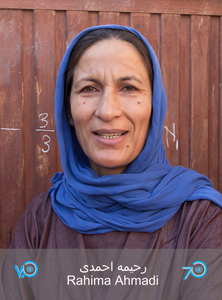
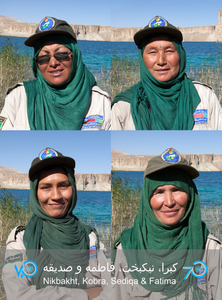
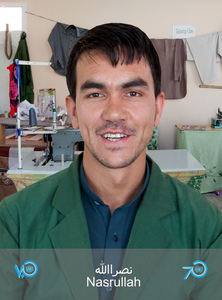
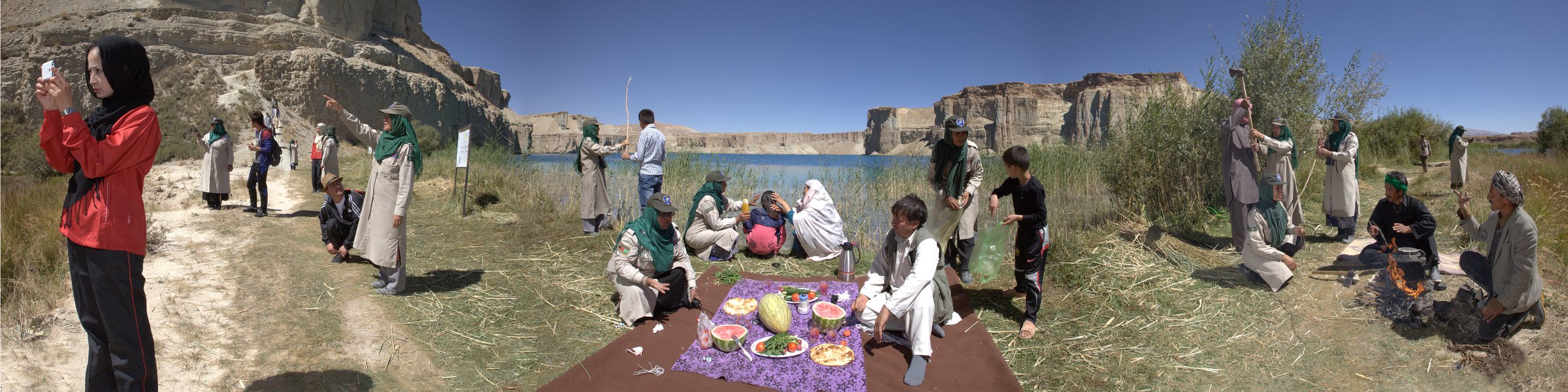
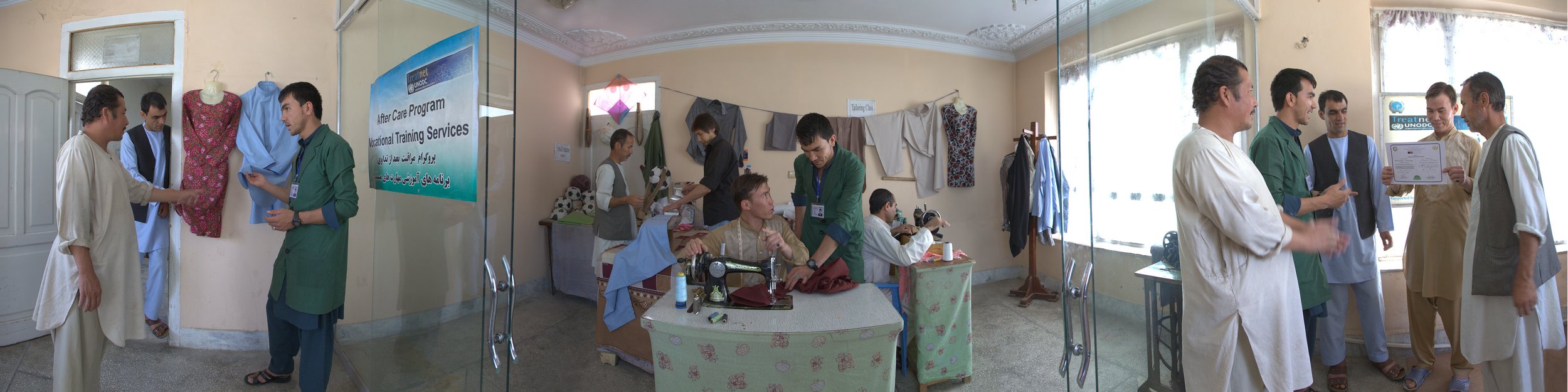
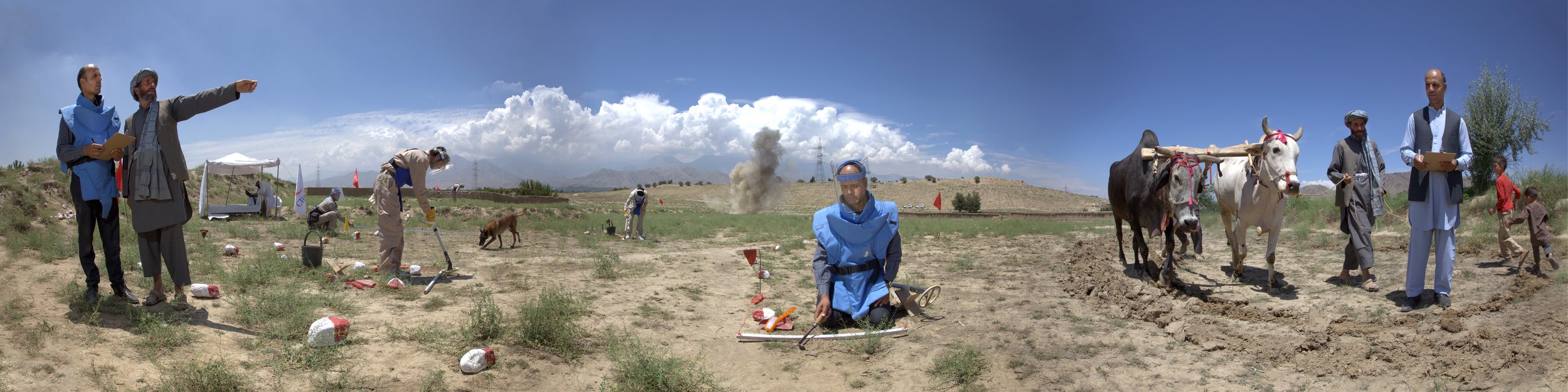
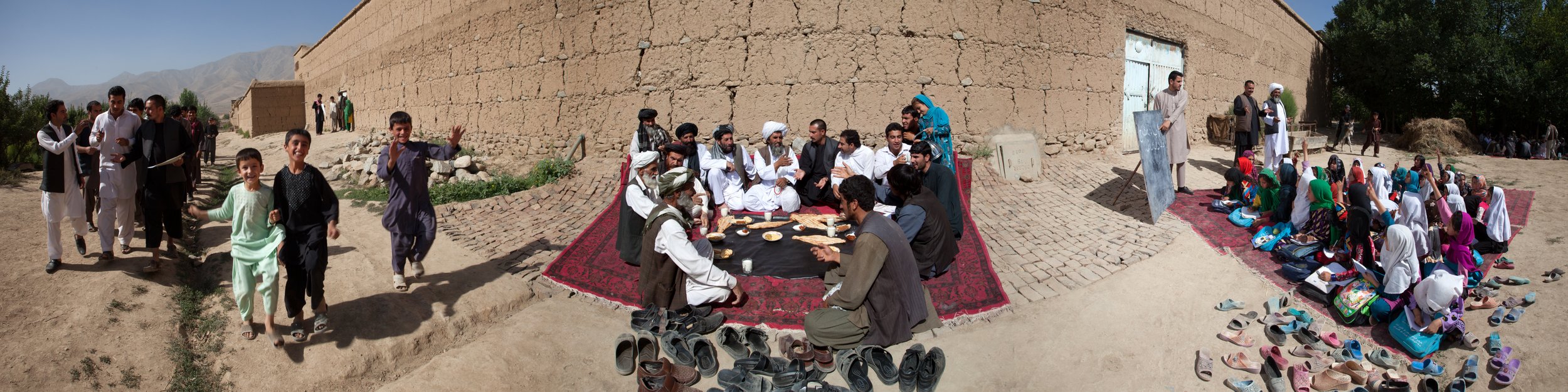
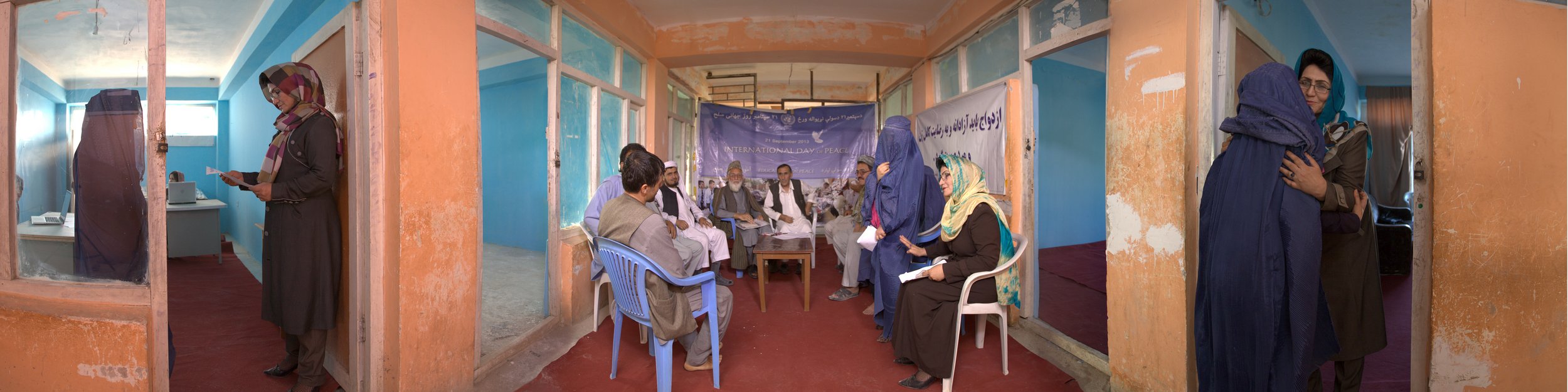
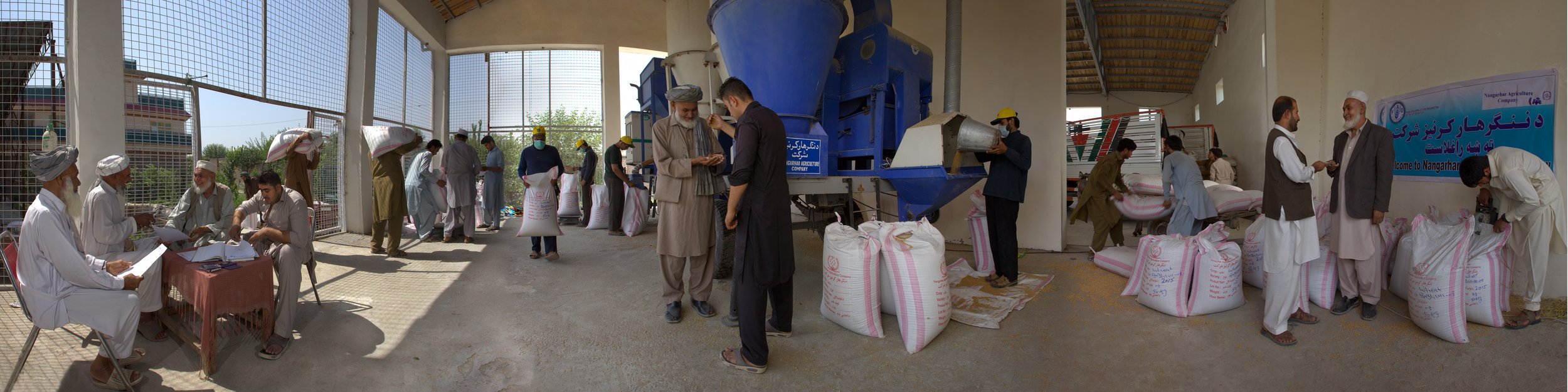
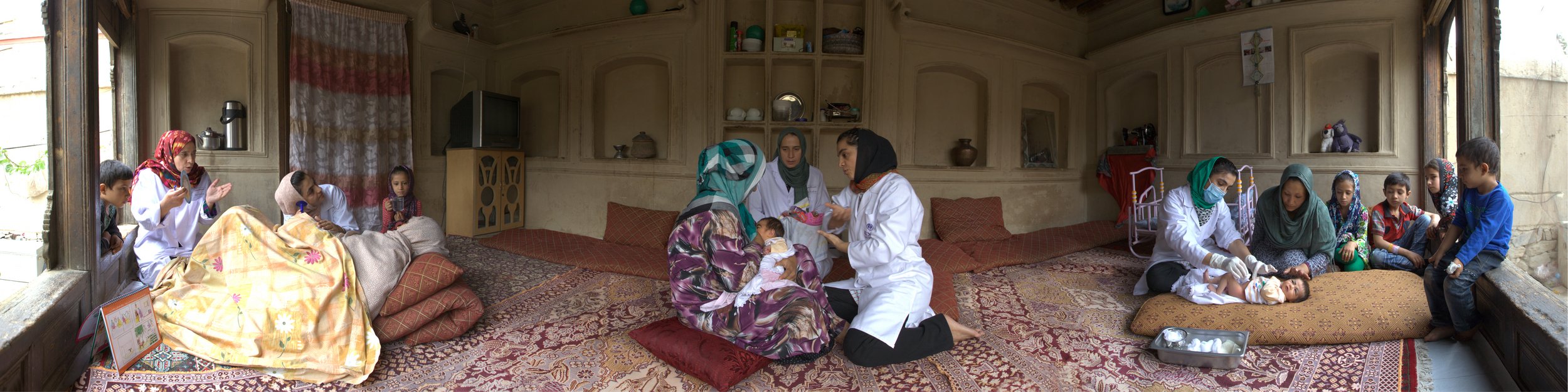
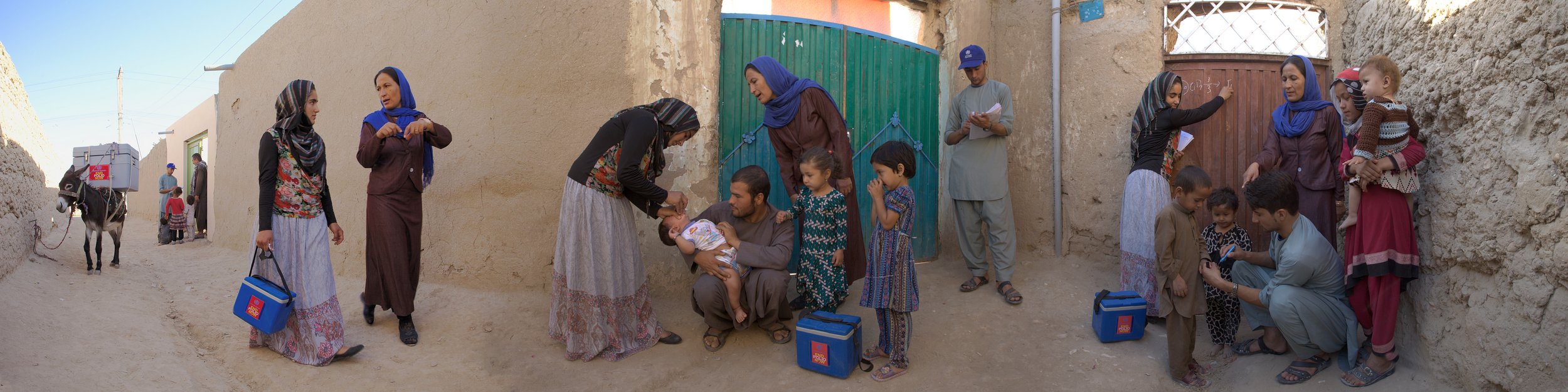
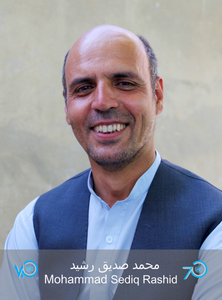
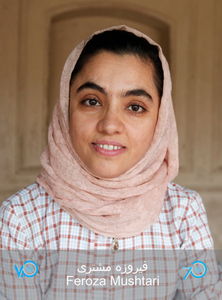
This work sits within a wider story of communities building Afghanistan’s future through education. The UN70 “Strong UN. Strong Afghanistan.” campaign presented Afghan individuals and local achievements, showing how international assistance was connected to the efforts of teachers, students, parents and community leaders.
The campaign website is now an archived record rather than an active programme portal. Its photographs, messages and media links still offer useful context for understanding how practical support, including schoolbook printing and delivery, contributes to stronger public education in difficult circumstances.
Why Textbooks Matter in Afghan Classrooms
A textbook gives a teacher a shared reference point and gives students a consistent path through the curriculum. Without enough copies, lessons can depend on dictated notes, handwritten material on a blackboard or a single book shared among many pupils. Those methods may keep a class moving, but they reduce the time available for explanation, practice and reading.
Printed learning materials are especially important in Afghanistan because schools operate across a vast and varied country. A classroom in Kabul faces different conditions from one in a remote district of Badakhshan, Bamyan, Helmand or Nuristan. Languages, terrain, security conditions and seasonal access all affect the way educational resources are supplied.
Schoolbooks also support continuity when teachers are transferred, classes are interrupted or children move between communities. A curriculum-based book can preserve the sequence of lessons and help families understand what their children are studying. For young readers, having an actual book to take home can make learning feel more permanent and valued.
How UN Funding Supports the Supply Chain
Funding is one part of a broader education system. International support may help pay for paper, printing, editing, translation, quality checks, packaging and transport. It can also strengthen the public bodies responsible for deciding which materials are needed and where they should go.
The process generally begins with an assessment of enrolment, existing stock and curriculum requirements. Education authorities and implementing partners then estimate the number of books required, prepare print specifications and arrange production. The final materials need to be readable, durable and suitable for the age group, while respecting Afghanistan’s linguistic and cultural context.
Procurement and distribution must be documented carefully. A consignment may pass from a printer to a central warehouse, then to a provincial education office and finally to a district or school. Records help partners identify shortages, avoid unnecessary duplication and track whether materials have reached the intended communities.
This is different from simply making a charitable donation. Public education support works best when books are connected to teacher training, school planning, enrolment data and local administration. The aim is to strengthen a system that can continue supplying classrooms, rather than create a one-off delivery with no reliable follow-up.
Printing for a Country of Difficult Distances
Afghanistan’s geography makes the physical movement of books a major undertaking. High mountain passes, rough roads, seasonal flooding and winter snow can delay vehicles or make some routes temporarily impassable. A short distance on a map may represent a long journey for a truck carrying heavy cartons of paper.
Remote districts can also have limited storage facilities. Books must be protected from moisture, dust and damage before they are handed to schools. Packaging, loading and unloading therefore matter as much as the original print run. In some areas, the last stage may depend on smaller vehicles, local carriers or community arrangements.
The timing of deliveries is crucial. Materials arriving after the school year has begun may still be useful, but late supply reduces the benefit for teachers and students. Distribution plans need to account for weather, public holidays, local security conditions and the opening of schools after seasonal breaks.
Australian readers may recognise a smaller version of this logistics challenge in the delivery of supplies to remote communities across the Northern Territory or Western Australia. A textbook order moving from a major city to a distant school is not simply a retail transaction; freight schedules, road conditions and storage capacity can determine when children receive the goods.
Reaching District Schools and Communities
Centralised distribution can miss the children who live furthest from provincial capitals. For that reason, local education officials, school leaders and community representatives are important links in the final stage. They know which schools are operating, which grades have the greatest shortages and which routes are usable.
Community participation can also improve accountability. When parents, elders and teachers understand what has been allocated, they are better placed to report missing cartons, damaged books or unequal distribution. Clear lists and school-level records make it easier to identify gaps without placing the entire burden on families.
Access is also shaped by gender and poverty. Girls may face barriers linked to distance, household responsibilities, safety or social restrictions. Children from low-income households may be unable to replace a lost or damaged book. Supplying learning materials free through public schools reduces at least one cost that could otherwise keep students from participating fully.
A distribution programme must therefore measure more than the number of books printed. It should consider whether books reached the right grade, whether students could use them in the classroom and whether teachers had enough copies to teach effectively. The final test is educational access, not the size of the shipment.
Teachers Turn Printed Pages Into Learning
A textbook cannot teach by itself. Teachers interpret the curriculum, explain unfamiliar ideas, adapt activities and notice when students need additional support. In crowded classrooms, a sufficient supply of books gives teachers more options and reduces the time spent copying long passages for students.
Teacher guides and classroom resources can be valuable alongside student texts. They may offer lesson sequences, explanations of difficult concepts and suggestions for assessment. When these materials are available in an appropriate language, they can support teachers who have limited access to professional development or other teaching aids.
Books also create opportunities for independent learning. A student can reread a passage, practise mathematics or share a story with siblings. In communities where electricity, internet access and digital devices are unreliable, print remains a dependable educational technology. It does not require a battery, mobile signal or subscription.
That point is familiar in Australia, where school libraries, printed readers and take-home books still sit alongside online platforms. A family in suburban Melbourne may choose between paper and digital resources, while a remote Afghan classroom may need a dependable printed copy simply to ensure the lesson can happen at all.
Language, Inclusion and Book Quality
Afghan students study in a multilingual environment, with Dari and Pashto widely used in education and other languages spoken across different communities. Textbooks need accurate language, clear illustrations and examples that students can understand. Poor translation or culturally unfamiliar content can make a book technically available but educationally weak.
Quality control includes proofreading, page layout, binding and the choice of paper and ink. Children handle schoolbooks repeatedly, often in dusty conditions and without secure storage. Strong binding and legible printing help materials survive longer and allow them to be passed from one class or school year to the next.
Inclusive content is equally important. Students benefit when learning materials reflect the participation of girls, children with disabilities and communities from different parts of the country. Images and stories can influence how children see their own future and the contribution they can make to Afghan society.
The local market also affects value for money. Paper, fuel, printing capacity and transport costs can change, while imported inputs may be exposed to currency and border pressures. Careful procurement helps an education programme make limited funds go further, balancing price with durability rather than choosing the cheapest possible book.
What the UN70 Campaign Preserves
The UN70 campaign framed the United Nations’ role through Afghan people and their contributions. That emphasis is important because schoolbook delivery is sometimes described as a technical operation, even though its purpose is deeply human: helping children read, calculate, understand their surroundings and imagine a future with more choices.
Campaign photographs and stories can preserve the connection between international assistance and local action. A printed textbook may be financed through international cooperation, but it is opened by an Afghan student, explained by an Afghan teacher and carried into a community by people who understand its needs.
The archived website also points to the broader network surrounding the campaign, including UN Afghanistan media, public messages and communications from the Special Representative of the Secretary-General. These materials help place education support within a wider effort involving humanitarian assistance, development, governance and community resilience.
For Australian audiences, the archive can be read alongside familiar debates about regional education access. Australia’s public schools benefit from established procurement systems, libraries and road networks, yet schools in the Outback still manage long distances and higher delivery costs. The Afghan context is far more demanding, but the basic principle is shared: learning depends on reliable systems behind the classroom door.
Reliable textbooks are a practical expression of that principle. They show how funding becomes a physical resource, how planning becomes a delivery route and how cooperation becomes a child’s opportunity to learn.
Explore the archived UN Afghanistan campaign materials, photographs and education stories to see how Afghan communities and international partners contributed to the goal of a stronger Afghanistan. Share the archive with educators, libraries and community groups interested in the practical work behind equitable access to schooling.