
Making a Difference

How Afghan Radio Turned Public Information Into Public Service
Radio has long been one of the most practical ways to reach people across Afghanistan. In a country shaped by mountains, dispersed settlements, displacement and uneven access to electricity or the internet, a battery-powered receiver can carry information far beyond the reach of a clinic, government office or newspaper. UN-supported radio programs used that reach to share public service announcements about health, safety, legal rights and available assistance.
These broadcasts were designed for everyday decisions. A short message could explain where to seek medical help, why antenatal care mattered, how to protect children from disease, or what services were available to people affected by conflict and poverty. Some programs combined announcements with interviews, community discussions, dramas and listener questions, making information easier to understand and more relevant to local life.
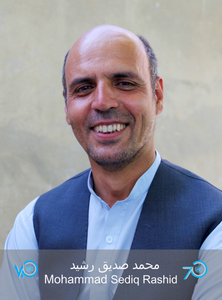
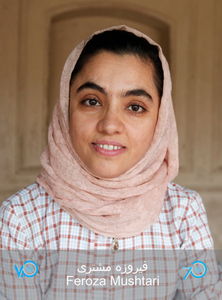
The work also reflected a wider United Nations commitment to partnership with Afghan communities. The UN70 campaign, presented through the UN Afghanistan website, highlighted people and initiatives contributing to a stronger Afghanistan. Radio belonged to that same public service tradition: it supported informed communities by connecting trusted information with the realities of daily life.
Why Radio Was Essential Across Afghanistan
Afghanistan’s geography made mass communication difficult. Mountain ranges, long travel distances and limited infrastructure meant that many families lived far from hospitals, schools, courts and administrative centres. Literacy levels also varied, while internet access was concentrated in urban areas and depended on reliable mobile coverage, electricity and the ability to pay for data.
Radio could cross several of these barriers at once. A household did not need a smartphone, a broadband connection or advanced reading skills to receive a broadcast. Programs could be transmitted in local languages and scheduled around work, prayer, farming, household responsibilities and community routines. In some areas, listening took place collectively, with neighbours or family members discussing what they had heard.
The medium was especially important during emergencies. Health warnings, information about vaccination, advice during outbreaks and notices about humanitarian services could be distributed quickly. Radio also helped reduce the distance between national messages and local communities when programs involved presenters, health workers, religious leaders, teachers or callers who understood the concerns of a particular province.
For an Australian audience, the contrast is clear. A public health message in Melbourne, Perth or regional Queensland can be supported by television, websites, SMS alerts, pharmacies and widespread mobile coverage. Afghan radio services often had to carry several of those functions in a single broadcast, reaching listeners who might have no comparable alternative.
Health Messages That Supported Practical Choices
Public service announcements on health worked best when they translated general advice into clear actions. Rather than relying on technical language, broadcasts could explain symptoms, prevention measures and referral options in terms familiar to local families. A program might encourage parents to seek treatment for a sick child, promote handwashing, explain the importance of safe drinking water or provide information about maternal and newborn care.
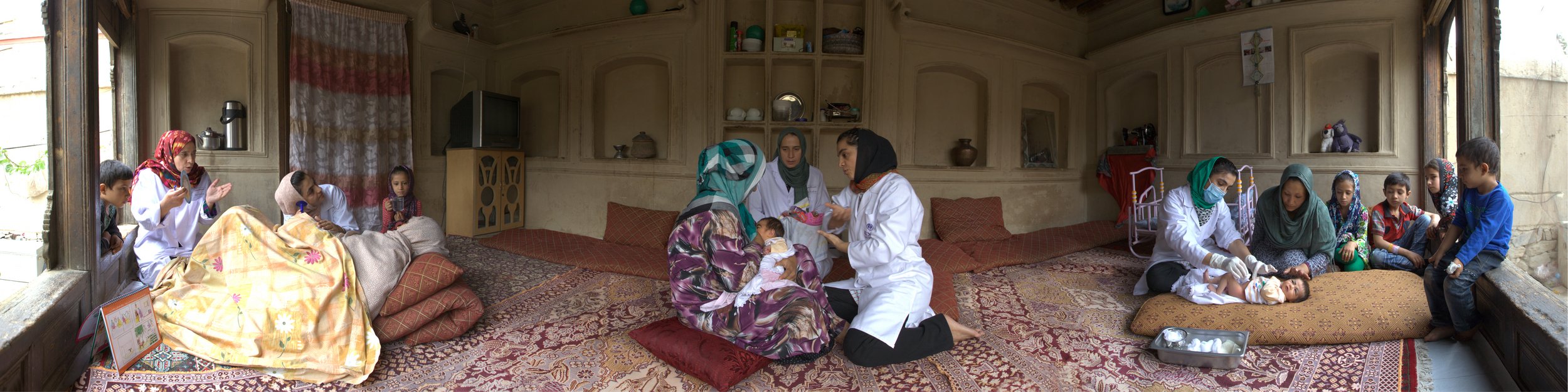
Women’s health was a major area of need. Radio discussions could address antenatal appointments, skilled birth attendance, nutrition, breastfeeding and danger signs during pregnancy. In communities where travel was difficult or female health workers were scarce, accurate information helped families recognise when professional care was urgent. Programs could also explain how to locate a clinic, what services might be free and when outreach teams were expected to visit.
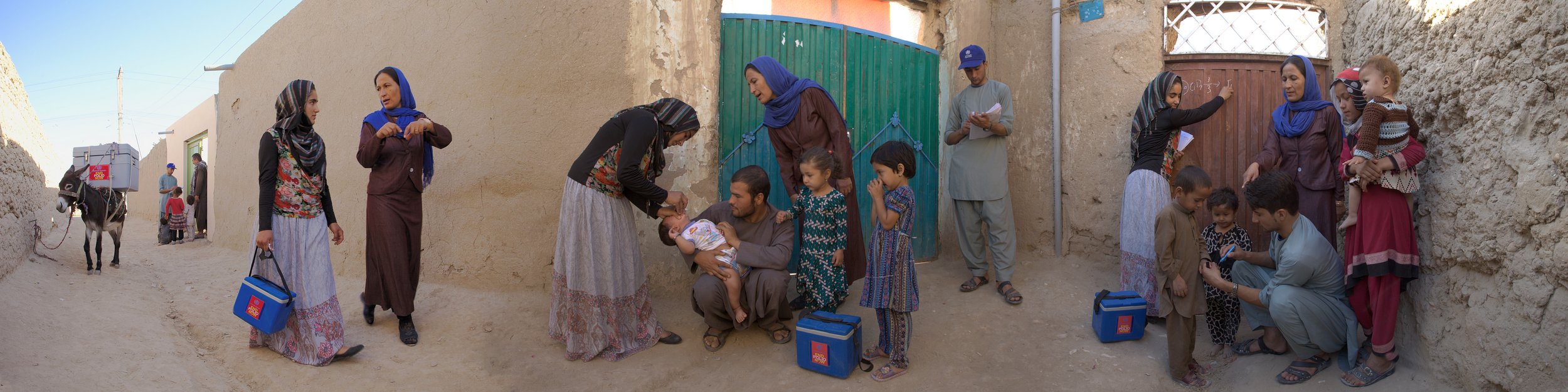
Child health messages covered immunisation, diarrhoeal disease, respiratory infections and nutrition. Repetition mattered because listeners might miss a broadcast, share a radio with others or need time to absorb unfamiliar advice. A series of announcements, rather than a single transmission, allowed key points to become recognisable without requiring people to remember a long list of instructions.
The approach has parallels in Australia, although the circumstances differ greatly. During bushfire seasons, Australians regularly hear warnings through ABC Radio, emergency broadcasts and local communication channels. The familiar rhythm of repeated alerts shows why public information must be simple, timely and available through more than one format. In Afghanistan, radio often served as the most dependable channel in places where emergency communication systems were limited.
Rights Information Made Services More Accessible
Health communication was closely linked to rights. People cannot make full use of a service if they do not know it exists, do not understand who can access it or fear that seeking help will expose them to harm. UN-supported radio programs could explain entitlements, referral pathways and protections in ways that reached listeners outside formal institutions.
Announcements and discussion programs addressed issues affecting women, children, displaced people and communities recovering from conflict. Topics could include access to humanitarian assistance, protection from violence, child welfare, documentation and the right to seek support. Presenters were able to direct listeners towards trusted organisations or local offices rather than leaving them with information that was difficult to act upon.
Radio also created space for rights to be discussed as part of ordinary community life. Interviews with legal advisers, health professionals, community representatives and humanitarian staff could clarify rumours and answer questions. Drama and storytelling were useful where direct discussion of violence, family pressures or discrimination might be sensitive. A fictional situation could introduce a rights issue without placing an individual listener in the spotlight.
Language and tone were important. Rights-based communication needed to avoid sounding like a distant lecture from an international institution. Messages were more effective when they respected local customs, acknowledged practical constraints and explained why a service mattered to families. Trusted voices, including local presenters and respected community figures, could make information feel safer and more credible.
This principle has a useful Australian comparison in community legal education. A tenant in Sydney, a person seeking support in Adelaide or a newly arrived family in Brisbane may need information in accessible language before contacting a service. Government websites and legal centres provide that support in Australia; Afghan radio programs often performed an equivalent first-contact role for people with fewer communication options.
Local Voices Strengthened Trust
Funding and technical support from the United Nations could help broadcasters produce public service announcements, but credibility depended on local participation. Afghan producers understood dialects, social expectations and the questions listeners were most likely to ask. Their involvement helped transform broad development goals into messages that sounded relevant rather than imported.
Some programs used a magazine format, placing a short announcement beside a longer interview or a listener segment. Others relied on serial dramas, call-in discussions or recorded conversations from rural communities. Each format served a different purpose. An announcement could deliver a warning quickly, while a discussion could explain a complicated issue and a drama could show how a family might respond.
Feedback was part of the communication process. Calls, letters, community meetings and reports from health workers could reveal which messages were misunderstood or which services were difficult to access. Broadcasters could then adjust the language, timing or subject matter. This two-way element distinguished public service media from a simple information dump.
Safety was also a serious consideration. Programs dealing with women’s rights, violence, health stigma or conflict-related concerns had to protect contributors and avoid exposing vulnerable people. Responsible broadcasting required careful editing, consent and awareness of local tensions. The aim was to expand access to information without creating new risks for listeners, guests or presenters.
Australia’s public broadcasting culture offers a familiar reference point. ABC regional services, Indigenous media organisations and multicultural broadcasters often succeed because they use local knowledge rather than treating every community as identical. A message prepared for Darwin may need a different tone and delivery time from one aimed at Hobart. Afghan radio producers faced an even sharper version of this challenge across diverse provinces and languages.
A Public Service Legacy Beyond The Broadcast
The significance of UN-funded radio programs went beyond individual announcements. They helped strengthen communication between communities and the institutions intended to serve them. When listeners learned where to find a clinic, how to report a concern or what assistance was available, the broadcast could become a bridge to practical support.
Radio also supported resilience. Repeated access to health advice could help families respond to illness earlier. Information about rights could reduce isolation. Public discussion could challenge harmful rumours and make it easier for communities to recognise shared problems. None of these outcomes was automatic, and radio could not substitute for functioning services, safe travel or adequate funding. Its value depended on whether people could act on what they heard.
That limitation is important. Communication campaigns are strongest when they are connected to real capacity. Telling a family about a health centre is meaningful only if the centre has staff, medicines and reasonable access. Explaining a protection service is meaningful only if survivors can reach it safely and confidentially. Radio could open the door, but other institutions had to make assistance available behind it.
The archived UN Afghanistan website places these efforts within the broader story of international partnership. Its UN70 “Strong UN. Strong Afghanistan.” campaign celebrated Afghan individuals and community contributions, alongside photographs, messages and media links. The radio work fits that picture because it relied on Afghan knowledge, Afghan voices and community engagement while drawing on international support.
For audiences in Australia, the story also highlights the continuing value of trusted public information. People may now receive alerts through apps, social media, websites, television and digital radio, yet access is still uneven. Older residents, remote communities, people with disability, migrants and households affected by disasters may need information delivered in clear language through channels they already trust. The Afghan experience shows why communication planning must begin with people’s real lives rather than with technology alone.
UN-supported broadcasting in Afghanistan demonstrated how a modest format could carry substantial public value. A brief health announcement could encourage timely care. A rights segment could connect a listener with protection or assistance. A local interview could replace uncertainty with practical guidance. Together, these broadcasts helped communities make informed decisions in difficult circumstances.
The archived campaign remains a record of that wider effort and of the people who helped make it possible. Explore the UN Afghanistan archive, its campaign stories and related media materials to learn how public service communication supported health, rights and community participation across Afghanistan. Share reliable information through trusted community channels and support media that helps people act on the knowledge they receive.