
Making a Difference
Afghan community preschools help children thrive through UN support
Early childhood is when children build language, curiosity, resilience and the confidence to learn beside other children. In Afghanistan, that development is shaped by conflict, displacement, poverty, drought and long distances between homes and schools. The first years of learning cannot be treated as a waiting period.
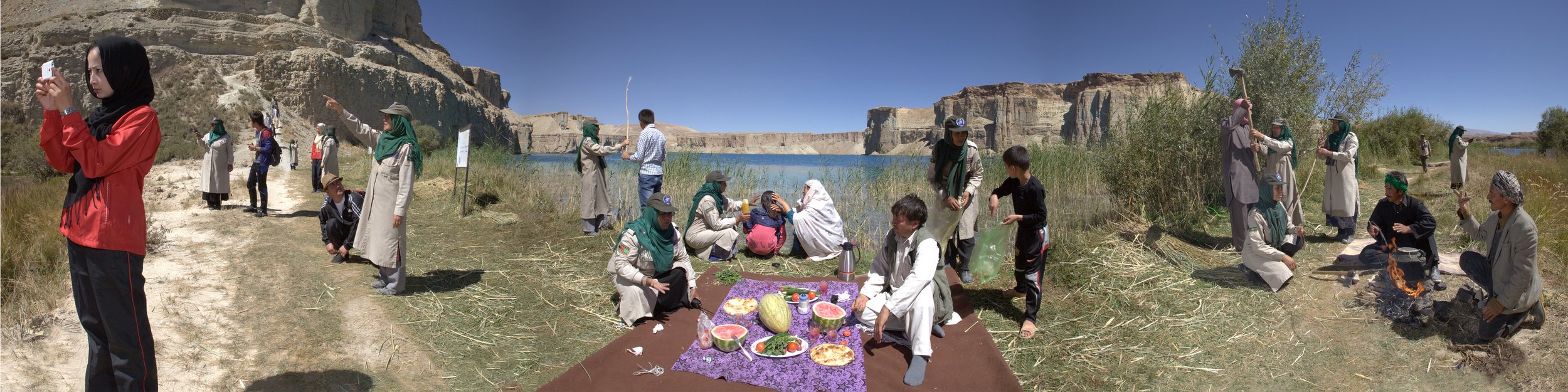
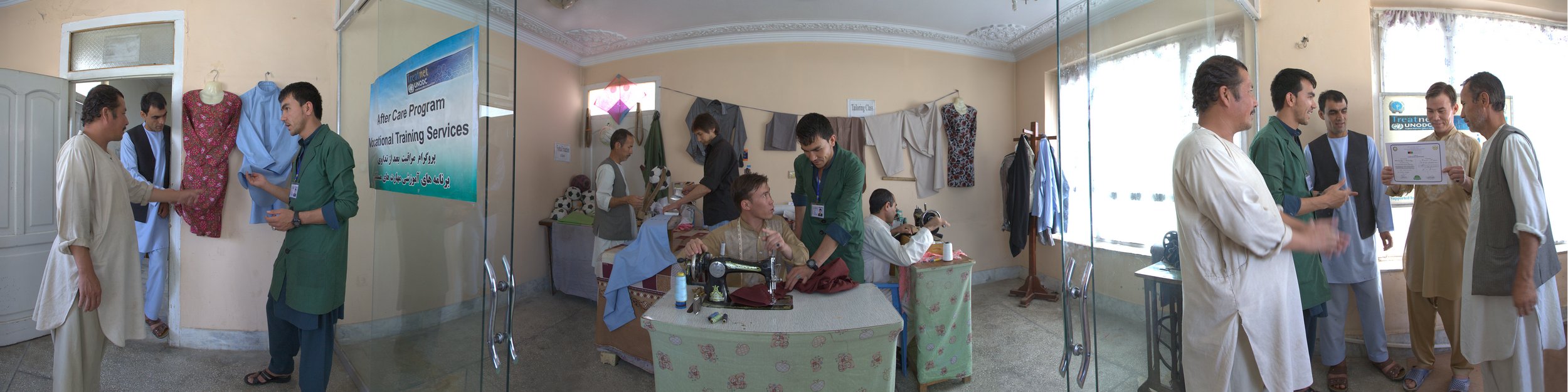
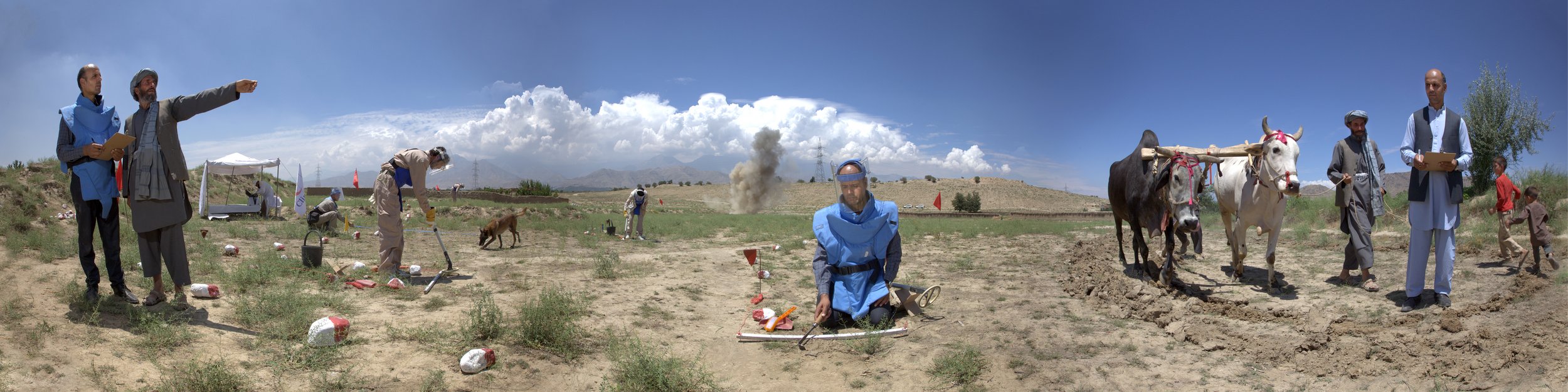
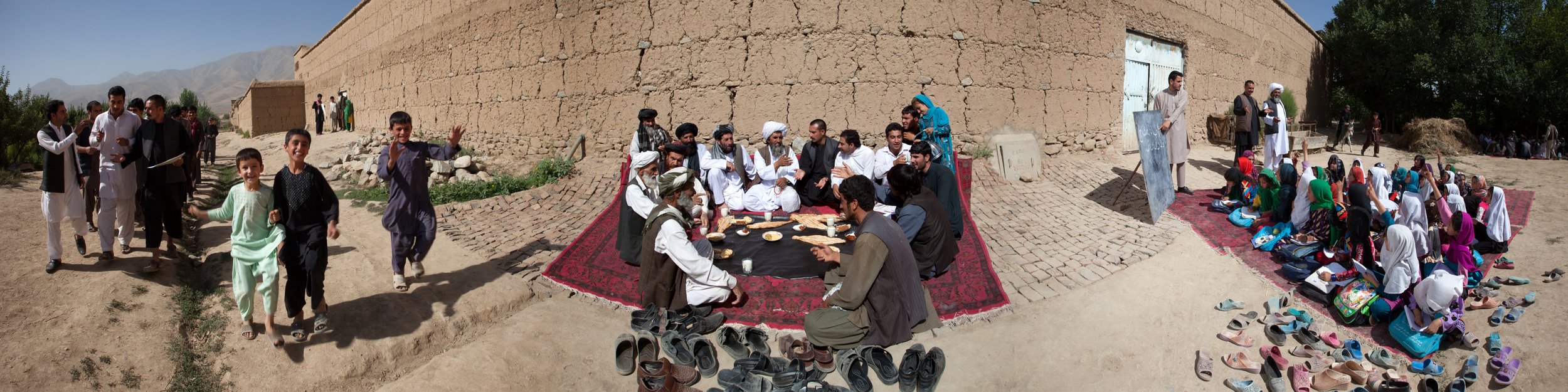
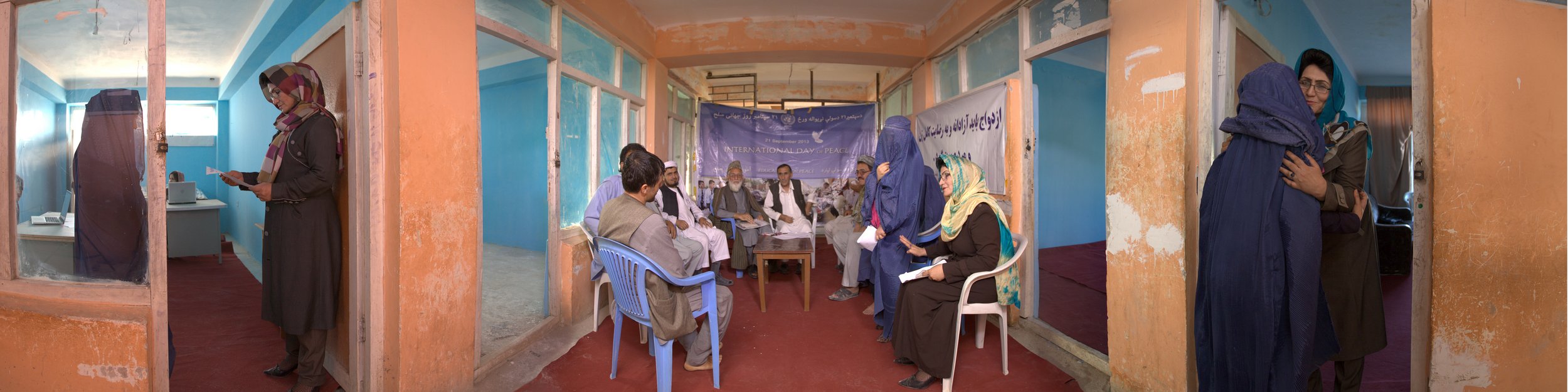
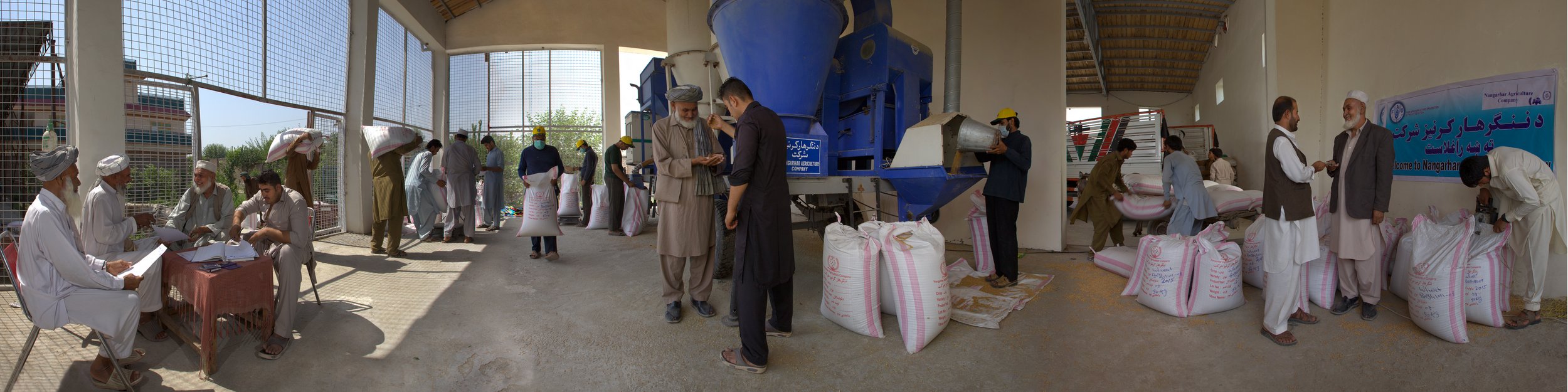
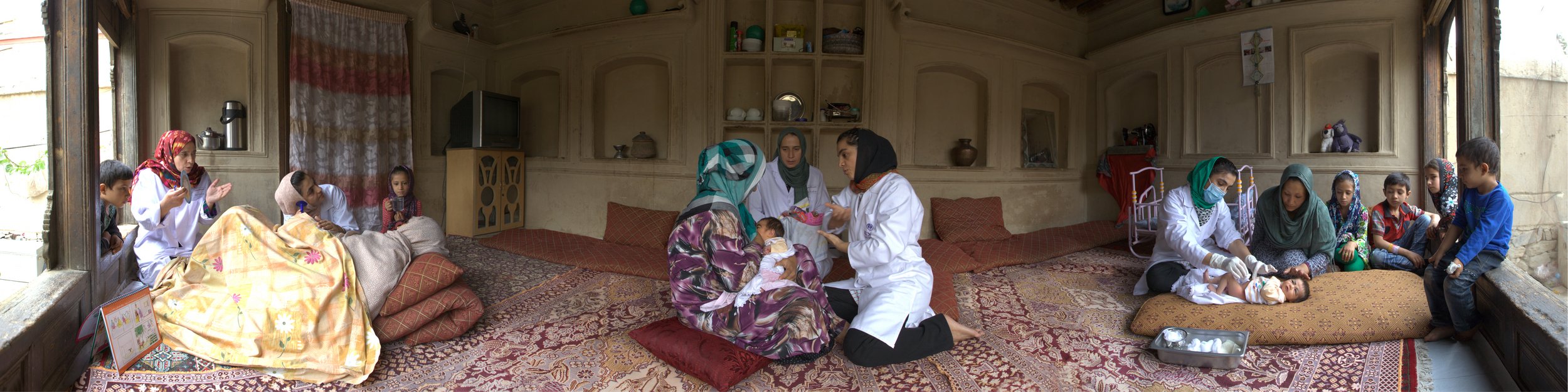
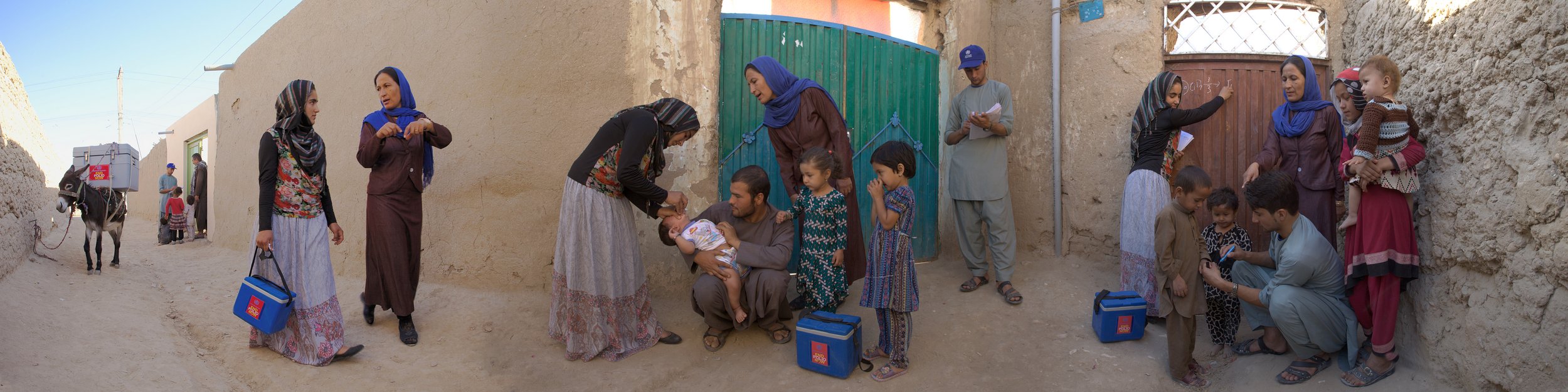
UN-funded Afghan early childhood education through community-based preschools brings learning into neighbourhoods, community buildings and other trusted local spaces. It can give children a safe place to play, prepare for school and recover from difficult experiences. The completed UN70 “Strong UN. Strong Afghanistan.” campaign documents this partnership by foregrounding Afghan people and their own solutions.
Why local classrooms matter before school begins
A community preschool makes early childhood education accessible to families who cannot easily travel to a larger school. In many Afghan communities, formal preschool remains limited, particularly in rural districts and places affected by displacement. A nearby classroom gives children an early opportunity to hear stories, count objects, draw, sing and begin learning with peers.
These centres also create a safer route into education. Families are more likely to enrol a child when the setting is familiar, welcoming and connected to local leaders. Preschools can accommodate different family circumstances, including children who have moved repeatedly or whose mothers cannot accompany them on a long journey to school. For girls in particular, a nearby, trusted learning environment can reduce practical barriers without taking education decisions away from families.
Attendance supports wider wellbeing as well as academic development. Teachers can identify children who need additional support, refer families to health and protection services, and create a dependable routine during difficult periods. Early learning also improves school readiness: children arrive better able to follow instructions, communicate with classmates and take part in lessons once they enter the wider education system.
What UN partnership makes possible
UN funding has helped community-based preschools obtain the resources required to provide consistent early learning. Depending on the programme, support can include teacher training and coaching, age-appropriate learning materials, classroom grants, basic water and sanitation supplies, and monitoring visits. These practical inputs allow Afghan educators to focus on children rather than searching for basic resources every day.
Funding also supports quality and inclusion. Training can help educators adapt activities for children with disabilities, use age-appropriate play and assessment, and recognise signs that a child needs extra help. Teaching materials in Dari, Pashto and other languages used by children make lessons more meaningful. Local ownership remains essential: preschools are most sustainable when decisions reflect the culture, language and daily rhythms of the community they serve.
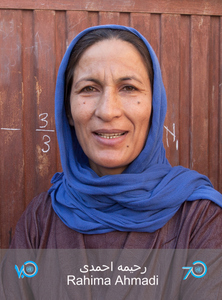
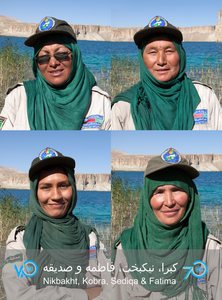
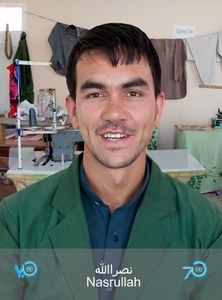
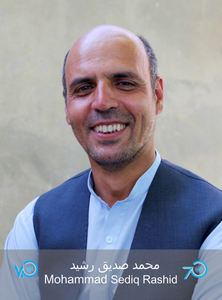
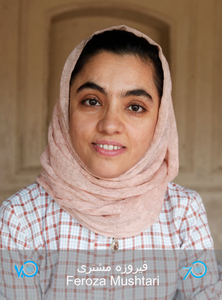
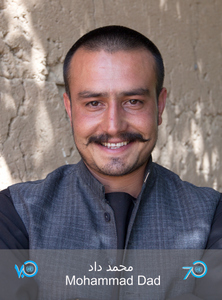
The campaign’s photographs and stories from Afghan individuals show partnership in practical terms. International resources are combined with Afghan knowledge, while local teachers, families and community organisations shape the classroom experience. This approach reflects a wider principle behind the campaign: UN support works best when it strengthens Afghan institutions and communities rather than replacing the people who already know their children and local context.
Afghan educators keep preschools locally rooted
Teachers are the heart of a community preschool. Many are women who understand the hopes held by families for their daughters and sons, as well as the barriers they encounter. Professional development gives them a stronger foundation in child development, classroom management and inclusive teaching, while regular coaching provides support when daily challenges arise.
Learning through play gives educators ways to make lessons active and inclusive. Stories, songs, drawing, movement and simple counting games allow children to practise language and numeracy without feeling separated from ordinary childhood. Activities can follow the interests children bring from home, including animals, family life, seasonal changes and local work, making the curriculum feel both familiar and purposeful.
Community engagement is just as important as classroom practice. Preschool teams can meet with families, listen to caregivers and respond to practical issues such as children’s health, attendance and nutrition. When early learning is treated as a shared community responsibility, teachers receive greater support and families become active partners in a child’s development.
Lessons that travel well to Australian early learning
Australia offers a useful comparison, although Afghan community preschools should not be treated as a model to copy wholesale. In cities such as Sydney and Melbourne, community-based early learning is already part of everyday life. Local councils, not-for-profit community kindergartens and privately operated centres work alongside family day care, playgroups and outside school hours care. This mixed market reflects a shared aim of providing flexible, local and accessible services.
Australian families also recognise familiar routines: a friendly drop-off, morning tea, story time, outdoor play and regular communication through newsletters or parent-teacher conversations. Formal school commonly begins around five or six, depending on the state or territory. Early childhood services operate within the National Quality Framework, with requirements covering educational practice, safety and continuous improvement. Afghan preschool teams do not face the same regulatory system, yet the emphasis on relationships, safe spaces and skilled educators has clear parallels.
Multicultural communities add another important dimension. In Sydney, Melbourne, Adelaide and other cities, many families move between several languages at home, and some Afghan families use Dari or Pashto alongside English. Early childhood services increasingly recognise that children benefit when their language and identity are valued. Australia’s early childhood sector also foregrounds Aboriginal and Torres Strait Islander perspectives, including connection to Country, cultural safety and the knowledge held by Aboriginal and Torres Strait Islander educators. The broader lesson from Afghanistan is that quality learning flourishes when children’s language, relationships and community context shape the classroom.
What sustained community-based early learning requires
The strongest lesson from community delivery is that early childhood services need more than short-term funding. Lasting results depend on capable educators, reliable materials, engaged families and institutions that can continue serving children after an external programme ends. Support for Afghan early childhood should reflect several connected priorities.
- Provide predictable funding for educator salaries, learning materials, maintenance and safeguarding so programmes can offer children continuity rather than temporary services.
- Design preschools with local families, teachers and community leaders so facilities, timetables, languages and teaching methods reflect genuine local needs.
- Prioritise children who face the greatest barriers, including girls, children with disabilities, displaced families and those living in remote or crisis-affected districts.
- Connect early learning with child protection, nutrition, health and family support through trained staff and reliable referral pathways.
- Measure progress through regular observation and family feedback, using culturally appropriate tools and protecting children’s privacy and dignity.
- Build partnerships that strengthen Afghan leadership, including two-way exchanges with Australian educators and institutions rather than one-directional technical support.
These priorities demonstrate why community-based delivery matters. A classroom close to home is more than a service point: it can connect education, protection and belonging. When Afghan educators have the resources and authority to lead that work, communities gain a stronger foundation for children’s learning and families gain confidence in the future.
Visit the archived UN70 “Strong UN. Strong Afghanistan.” campaign on the UN Afghanistan website to explore its photographs, news, messages from the Special Representative of the Secretary-General and stories featuring Afghan individuals. The archive shows how community-led early childhood education is supported in practice and why Afghan voices are central to the partnership.
Open the campaign archive, share its stories with Australian early childhood networks and help keep attention on the educators, families and children strengthening their own communities.