


Making a Difference


Justice Within Reach: UN-Funded Afghan Court Renovations
In Afghanistan, access to justice often begins with a journey rather than a document. A person seeking a hearing, legal advice or a civil remedy may travel from a remote district to the provincial capital, crossing difficult terrain and security checkpoints before reaching a functioning court. UN-funded rehabilitation of district courthouses addresses that first barrier by bringing routine justice services closer to the communities they serve.
A renovated courthouse is more than fresh paint and a tidy reception desk. Reliable electricity, sound hearing rooms, safe stairs, clean water, private consultation space and protected areas for records can determine whether a public institution works on the day it is needed. The strongest projects treat these elements as one system, because a secure entrance is of little value if an interpreter cannot be heard or a litigant cannot reach the clerk’s office.
Delivery methods matter just as much as design. Afghanistan’s Ministry of Justice leads the institutions concerned, while United Nations support has supplied funding, technical expertise and help coordinating construction and equipment. Afghan engineers, contractors and justice staff remain central to decisions about use and maintenance. This combination of national authority and international partnership turns UN-funded Afghan court infrastructure into an operating service rather than an isolated building project.
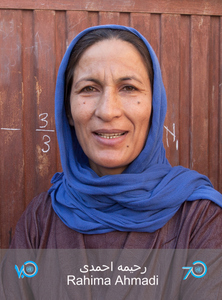
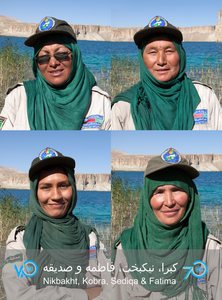
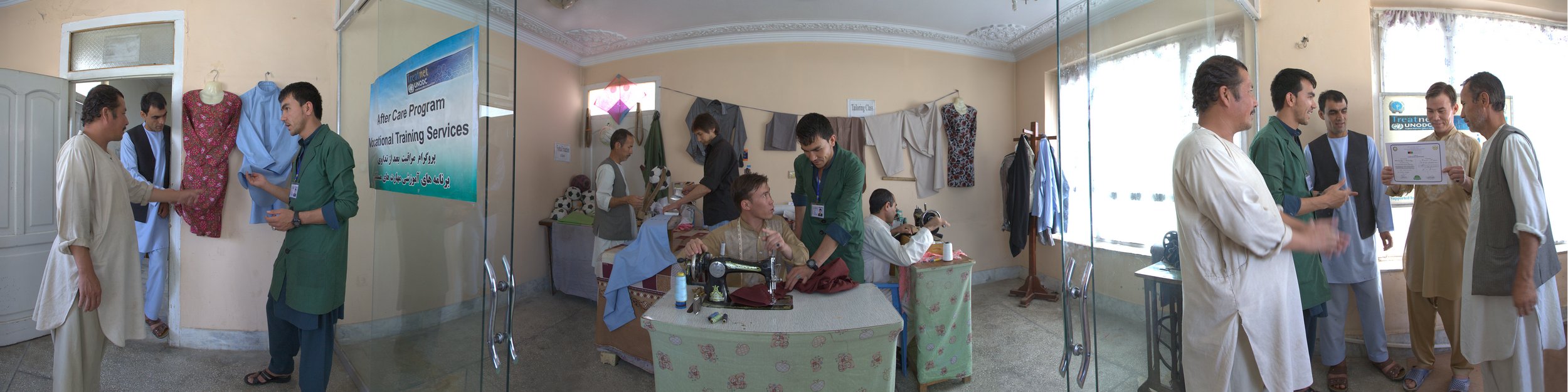
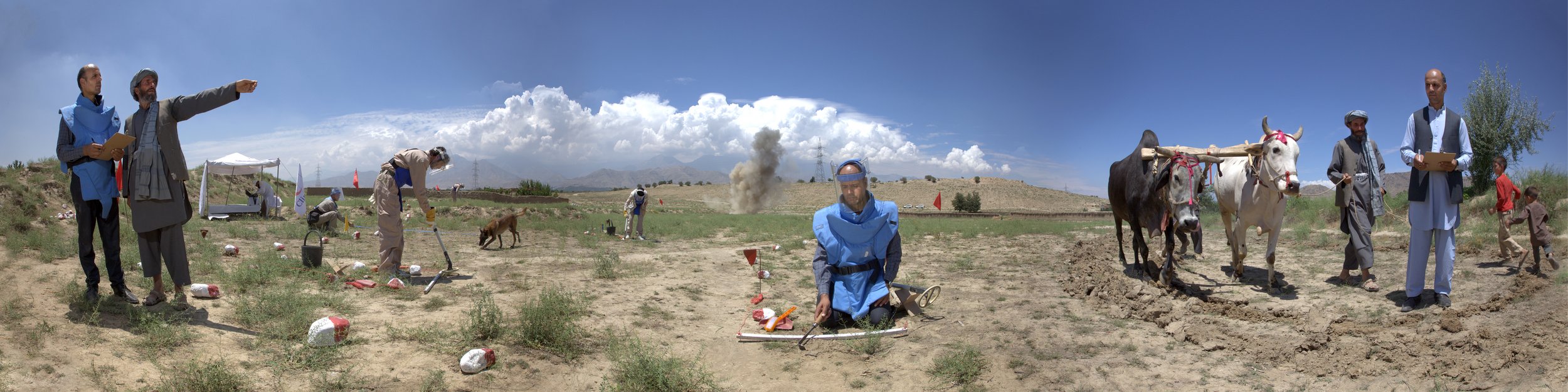
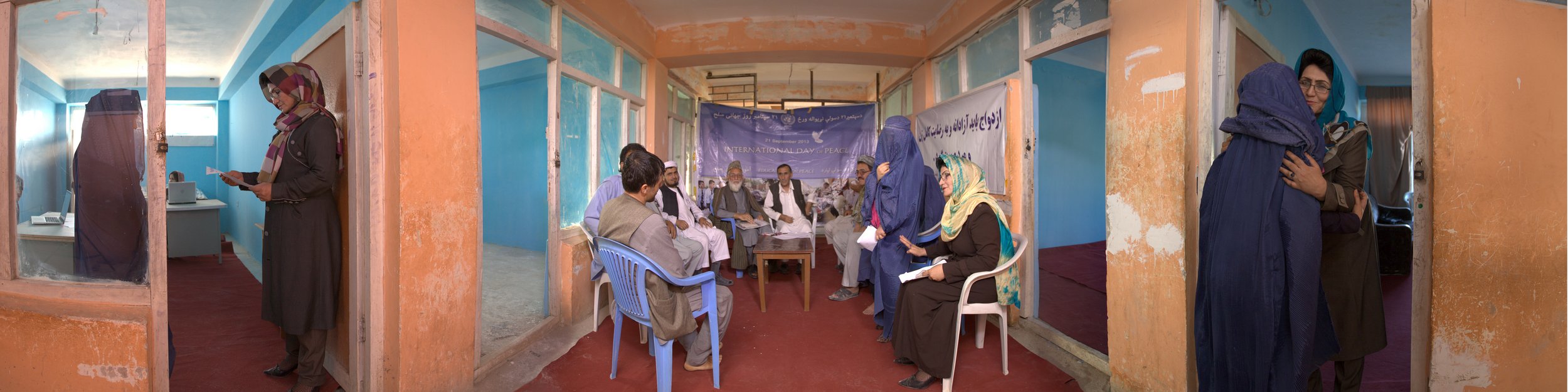
The archived UN70 “Strong UN. Strong Afghanistan.” campaign records this work through the people who keep it moving: builders, judges, clerks, lawyers and court users. Its photographs, news and personal stories add something a procurement report cannot—the lived meaning of a safe, recognisable courthouse. Although the campaign site is no longer active, the archive remains a valuable account of practical cooperation between the UN, Afghanistan’s public institutions and communities.
Why district courthouse renewal matters
Afghanistan’s district courts are the first formal point for many criminal, family, civil and commercial disputes. They operate within a country where some communities are separated from provincial centres by mountains, poor roads and weeks of travel. A damaged or poorly equipped courthouse can therefore affect thousands of people, even when the official distance on a map appears manageable.
Renovation also protects the continuity of justice services. Hearings cannot proceed reliably where roofs leak, electrical systems fail or records are exposed to rain and dust. Repairing these facilities allows courts to resume normal work while creating safer conditions for judges, court staff, lawyers, defendants and people waiting for decisions.
Distance is not the only obstacle. Conflict, displacement, restrictions affecting women and girls, and insecurity have complicated both travel to court and participation in legal proceedings. Court infrastructure cannot remove those wider pressures, but it can prevent avoidable physical barriers from adding to them.
What the renovation work includes
The scope depends on the condition and use of each building. Projects have included repairing roofs, walls, floors and stairways; improving hearing rooms and offices; installing wiring, lighting and water systems; and addressing sanitation, ventilation and heating needs. Equipment for clerks, judges and legal personnel can be as important as the masonry surrounding them.
Accessibility should form part of the design from the beginning. That means safe entrances, usable ramps and toilets, appropriate signage, lighting that assists people with visual impairments and hearing-support systems for proceedings. Separate spaces for confidential consultations can also help women, children and people experiencing family violence speak with lawyers or court workers in private.
A sound handover is crucial. The Ministry of Justice, provincial administrators and local court staff need to know how to maintain new systems, where replacement parts can be obtained and which faults require specialist contractors. Training facilities staff and recording maintenance responsibilities prevents a completed refurbishment from deteriorating because nobody owns the next stage.
How UN support strengthens local justice systems
UN involvement has generally complemented Afghan public institutions rather than replacing them. National and provincial justice officials identify needs, local specialists carry out assessments and construction, and UN partners provide financial and technical support. This model keeps decisions about court operations close to the people responsible for delivering them.
The partnership can also improve the quality of a project. Engineers can identify structural risks that are not visible during a routine inspection, while justice officials explain how particular rooms are used. Procurement support, equipment planning and coordination with other development priorities help ensure that renovated buildings form part of a wider justice system rather than standing apart from it.
The campaign archive brings together achievements recorded during different phases of this assistance. Its court photographs and accompanying stories should therefore be understood as evidence of a broader public-infrastructure effort, not as a single national project completed on one date. They show how international resources, Afghan technical knowledge and local accountability can combine around practical needs.
People, safety and everyday access
A courthouse is used by people with different ages, abilities, languages and experiences of the justice system. Women and girls need safe routes, confidential legal advice and access to female staff where this is their preference. People with disabilities require buildings they can navigate independently. Children accompanying their families benefit from secure, calm waiting arrangements.
Safety measures should protect the administration of justice without turning the courthouse into a militarised space. Fire exits, emergency lighting, protected records storage, resilient roofs and reliable communications can reduce everyday risks. In a country exposed to extreme weather and earthquakes, climate-appropriate drainage and structurally sound repairs are long-term safeguards rather than cosmetic extras.
Physical access must also connect to procedural access. People need legal representation, interpretation, information about fees and rights, protection from intimidation and timely hearings. Mobile outreach, remote case management and strong referral networks can help courts serve communities that cannot easily travel to a district centre. The buildings are essential, but people determine whether justice is genuinely available.
What Australian experience can teach the sector
Australian readers encounter a familiar principle in public debate: access to the law should provide a fair go. In Melbourne and Sydney, community legal centres, court liaison services and legal aid organisations help residents navigate hearings, forms and complex procedures. That experience reinforces the point that a suitable building is only one part of an accessible justice system.
The geography is different, but distance remains a shared challenge. In regional New South Wales and northern Queensland, residents may still face lengthy road journeys, limited public transport and specialist services concentrated in major cities. Australian solutions such as outreach courts, telephone advice and coordinated regional legal support offer useful comparisons, although they cannot simply be transferred to Afghanistan.
The construction market provides another lesson. State justice departments and local councils commonly procure courthouse work through competitive tenders, using architects, engineers, quantity surveyors and independent certifiers. The term “refurbishment” is often preferred when an existing civic building can be adapted rather than demolished. Clear specifications, whole-of-life costs and disciplined maintenance planning are equally important in both markets.
Australia’s frequent emphasis on “law and order” also reveals a distinction worth preserving: buildings do not themselves guarantee procedural fairness or public confidence. A strong institution requires capable people, enforceable standards, transparent decisions and avenues for redress. Afghan planners can use international expertise without allowing donor priorities to displace local legal and cultural needs.
A practical agenda for lasting court infrastructure
Future renovation programmes should be judged by how sustainably they improve access, not simply by the number of buildings completed. The following measures can help turn capital works into durable public services:
- Begin with the people who use the court. Map journeys, identify barriers faced by women, people with disabilities, remote communities and people needing legal advice, then incorporate those findings into design and operation.
- Budget for the entire life of the facility. Include inspections, utilities, equipment replacement, waste management and trained maintenance staff in project plans rather than treating handover as the finish line.
- Design for climate, conflict and accessibility. Use local technical knowledge to address extreme temperatures, earthquakes, fire, secure circulation and safe access without creating unnecessary institutional barriers.
- Measure equitable use, not only construction output. Track whether people can reach hearings, obtain timely decisions and use services safely, while protecting privacy and avoiding claims that cannot be verified.
- Connect buildings to legal aid and case management. Provide reliable utilities, communication links, private consultation rooms and referral arrangements so renovated facilities can support actual case resolution.
- Publish transparent evidence. Share budgets, locations, completion dates, maintenance responsibilities and lessons from facility assessments so governments, donors, civil society and court users can follow progress.
This agenda also requires honesty about outcomes. A refurbished building can be a significant achievement without representing the completion of access to justice. Reporting both achievements and unresolved barriers builds credibility and helps future programmes direct resources where they will have the greatest effect.
Keeping Afghanistan’s justice story in public view
The archived UN70 campaign offers photographs, news updates, messages from senior UN representatives and stories about Afghan contributors to stronger public services. These materials can show that international support works through practical collaboration rather than distant promises. They also preserve perspectives that may otherwise be lost as individual projects close and national attention moves elsewhere.
Using the archive responsibly means connecting infrastructure with people rather than presenting buildings as the whole story. Afghan judges, court workers, legal professionals, builders and community members can explain what improved facilities have enabled and what still prevents full participation. Their testimony also helps international audiences understand that local ownership and sustained public services are central to lasting results.
Explore the archived UN70 materials, select a verified court or community story, and share it through professional, school or community networks. Australians who want to support longer-term work can contribute through current United Nations channels, the UN Association of Australia or an organisation with transparent humanitarian and rule-of-law programmes. Share one accurate story, explain why sound justice infrastructure matters, and keep Afghan voices at the centre.