
Making a Difference


Building Trust Through Afghan Community Policing
Police reform in Afghanistan has always involved more than uniforms, equipment and formal chains of command. It has concerned the relationship between public institutions and the communities they are expected to protect. In places where people may distrust authorities, face insecurity or live far from government services, everyday contact with local police can determine whether the justice system feels accessible or distant.
UN-facilitated Afghan police reform placed community relationships within a broader effort to improve public safety, accountability and professional conduct. The approach connected training and institutional development with local dialogue, public participation and attention to groups often excluded from decision-making. The UN Afghanistan UN70 campaign, now an archived record of a completed initiative, provides a useful lens for considering how Afghan people contributed to stronger institutions.
Why Community Policing Mattered
Community policing is based on regular communication between police, residents, elders, civil society organisations and local authorities. Rather than treating security as a matter managed exclusively inside police stations, it encourages officers to understand neighbourhood concerns and respond through cooperation. In Afghanistan, this could involve listening to disputes over land, family safety, road access, theft, local conflict or the protection of public spaces.
The model was especially relevant in areas where formal justice mechanisms were difficult to reach. A police post might be the closest state institution, yet its presence would have limited value if residents feared reporting a crime or believed complaints would be ignored. Community liaison, fair treatment and transparent procedures helped create the conditions for people to seek assistance before a dispute became more dangerous.
Afghan communities were not uniform. Kabul, provincial capitals, rural districts and remote settlements had different security pressures and social structures. Language, ethnicity, gender, age and displacement shaped how people experienced policing. Effective reform therefore needed local knowledge rather than a single template applied across the country.
Community policing also recognised that safety includes prevention. Building relationships with teachers, health workers, women’s groups, religious leaders and local businesses could help identify risks early. Such relationships did not remove the need for professional investigations or lawful enforcement. They supported a public-service role in which police were expected to act with restraint and answer to the people they served.
How UN Facilitation Supported Reform
The United Nations generally worked as a facilitator, convenor and technical partner rather than as Afghanistan’s police authority. Its assistance could bring government institutions, international partners and Afghan communities into the same reform conversation. This role mattered because police reform involved overlapping responsibilities, including training, recruitment, oversight, justice-sector coordination and protection of human rights.
A facilitated process might include support for police education, advice on organisational standards, community consultations and mechanisms for receiving complaints. The purpose was to strengthen Afghan ownership of reform while encouraging practices consistent with due process and civilian protection. The UN’s role was therefore broader than delivering a short course: it helped connect institutional change with public expectations.
Community policing initiatives often depended on practical communication. Officers needed skills in mediation, respectful interviewing, referral of vulnerable people and conflict de-escalation. Supervisors needed ways to monitor conduct, while communities needed clear information about how to make a complaint or request help. These details could determine whether a reform policy became part of daily practice.
Accountability was central. A police service gains legitimacy when its powers are understood, its decisions can be scrutinised and misconduct can be reported without intimidation. UN-supported reform discussions could reinforce the importance of civilian oversight, lawful arrest, protection from abuse and cooperation with prosecutors and courts. Progress was uneven, but the underlying principle was clear: public security should be delivered through public trust.
Local Trust And Inclusive Safety
Women and girls faced particular barriers when approaching police. A station staffed almost entirely by men might be inaccessible for survivors of domestic violence, sexual abuse or other sensitive crimes. Recruitment and support for female police personnel, confidential reporting channels and engagement with women’s organisations could make the system more responsive. These measures also helped challenge the assumption that security concerns belonged only to men.
In many Afghan communities, local elders and informal leaders played an important role in resolving disputes. Community policing did not mean handing legal authority to informal structures. It meant understanding how people sought help and creating lawful pathways between community dialogue, police services and the formal justice system. This distinction was essential where customary practice could protect social cohesion but might fail to safeguard the rights of women, children or minorities.
Displaced families and returnees often faced additional risks, including insecure housing, lost documents, exploitation and tension with host communities. Police who understood these pressures were better placed to refer people to humanitarian agencies, legal services or local administration. The approach linked security with practical access to services, rather than viewing crime in isolation from poverty, displacement and social exclusion.
This has a familiar resonance for Australian readers, even though the settings differ sharply. In a multicultural Sydney suburb, a community liaison officer may work with migrant associations and local councils; in a remote Northern Territory community, distance, language and service access can shape whether residents contact police. In Melbourne, Queensland or Western Australia, trust can similarly be affected by prior experiences with authorities. The comparison is not exact, but it shows why policing must be adapted to local realities.
Practical Signals Of Community Policing
The following signs help distinguish community-oriented police reform from a programme focused only on equipment or personnel numbers:
- Regular meetings between police, residents and local organisations
- Clear complaint, referral and follow-up procedures
- Training in mediation, human rights and respectful communication
- Recruitment and support for women and under-represented groups
A second set of indicators concerns public confidence. These are useful when examining campaign stories, policy documents or reports about local police engagement:
- Residents can identify where and how to seek assistance
- Police explain decisions and use force proportionately
- Vulnerable people receive safe referrals to specialist services
- Community feedback influences local policing priorities
These signals are relevant beyond Afghanistan. An Australian local council considering safety around a suburban shopping strip, a weekend farmers’ market or a transport interchange might consult traders, young people, Aboriginal representatives, disability advocates and nearby residents before deciding on a policing response. Listening does not guarantee agreement, yet it can expose problems that enforcement statistics alone will miss.
The same principle applies to the Australian market for public services and security technology. Cameras, mobile reporting applications and private guards may be useful tools, but purchasing equipment is not the same as building legitimacy. A well-designed system still requires clear rules, human oversight, accessible complaints processes and protection for personal information. Community policing is ultimately a relationship, not a product.
What The Archive Helps Us Understand
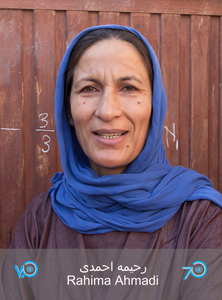
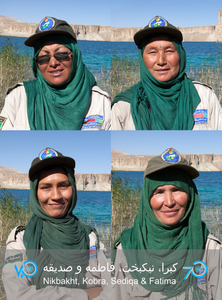
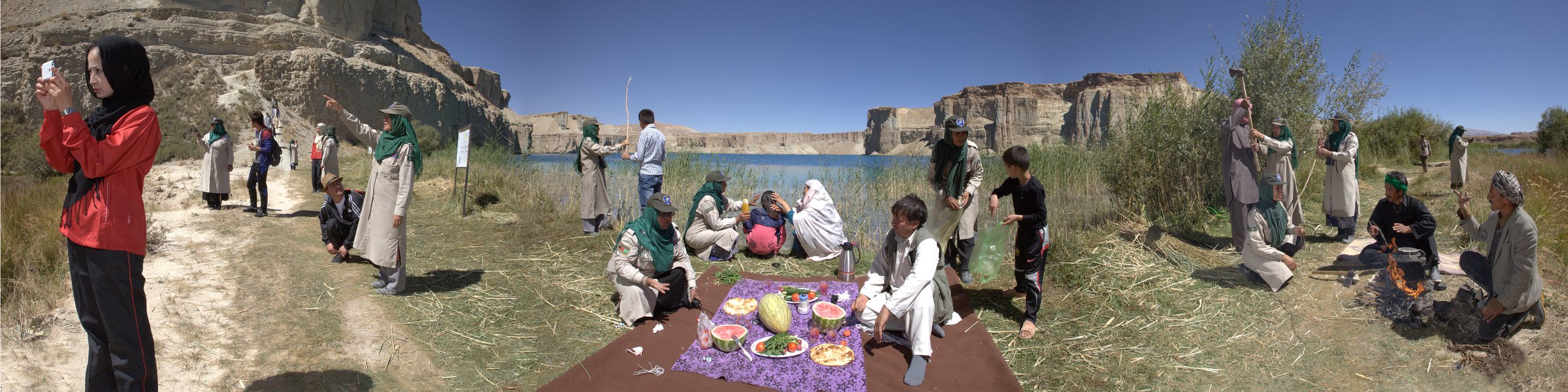
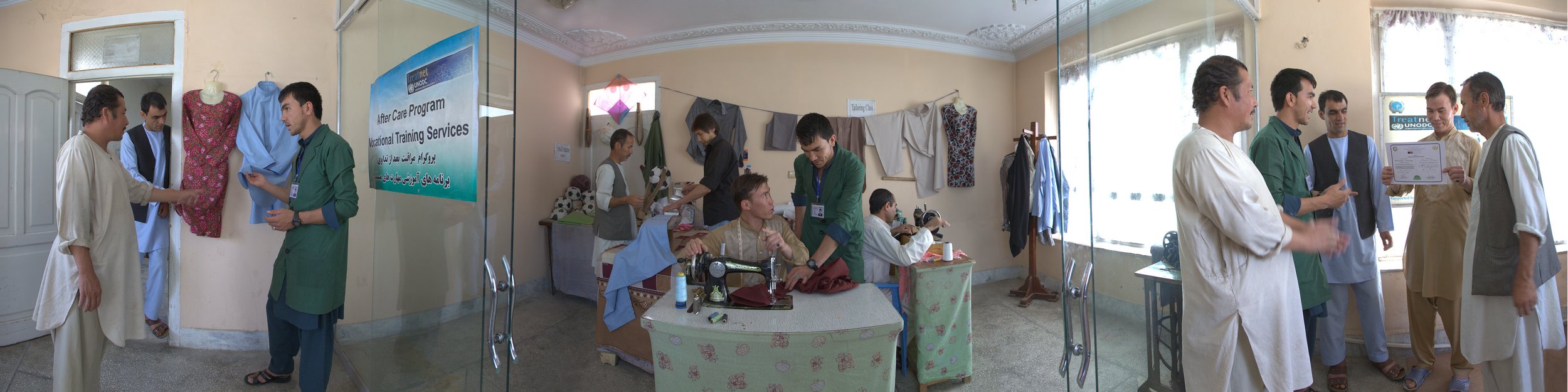
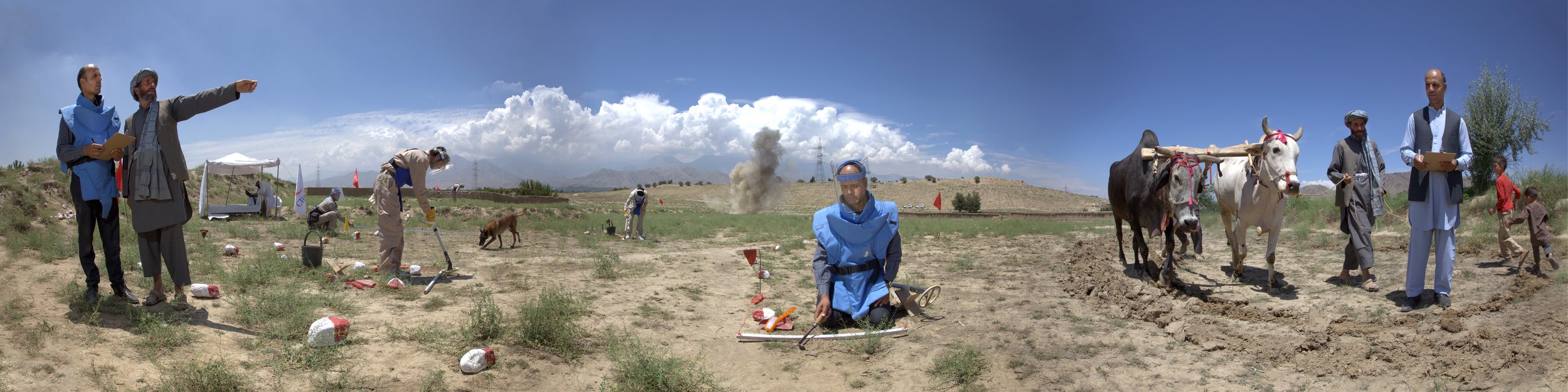
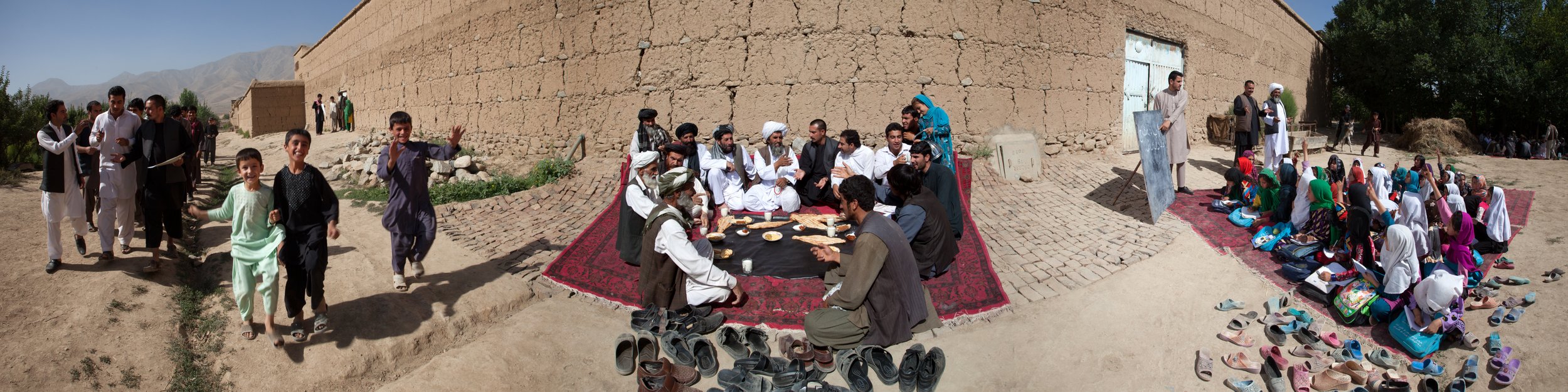
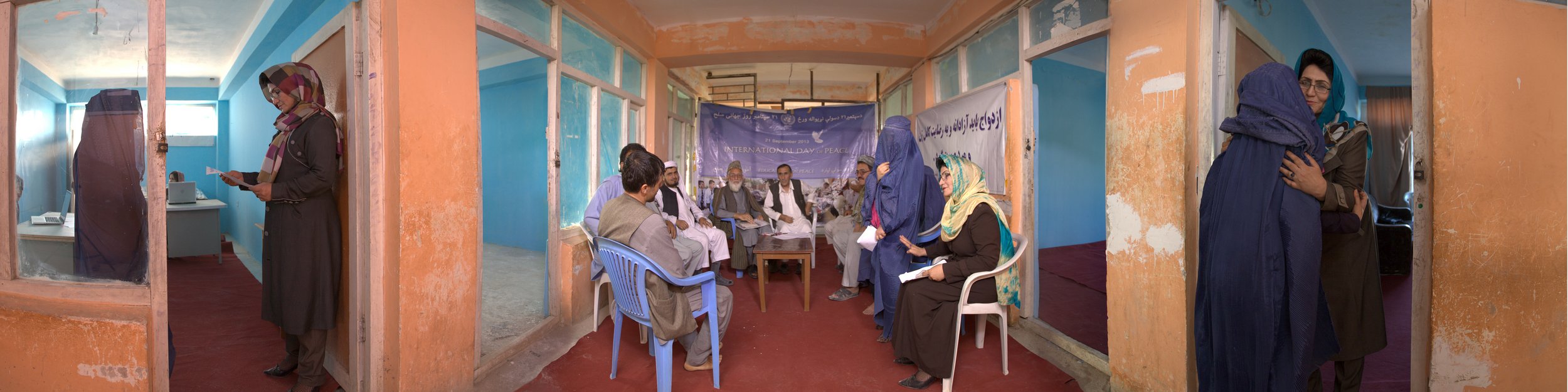
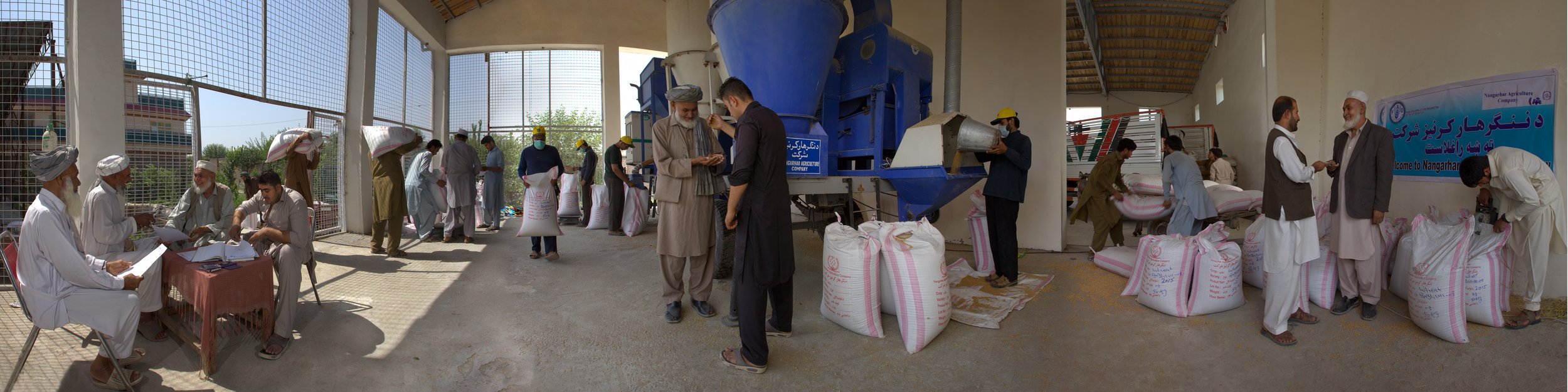
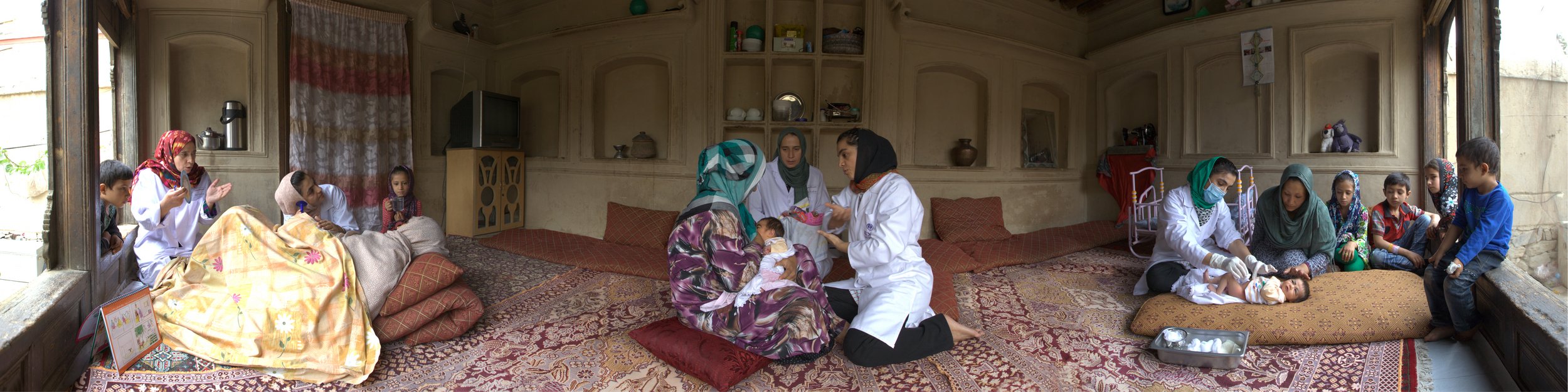
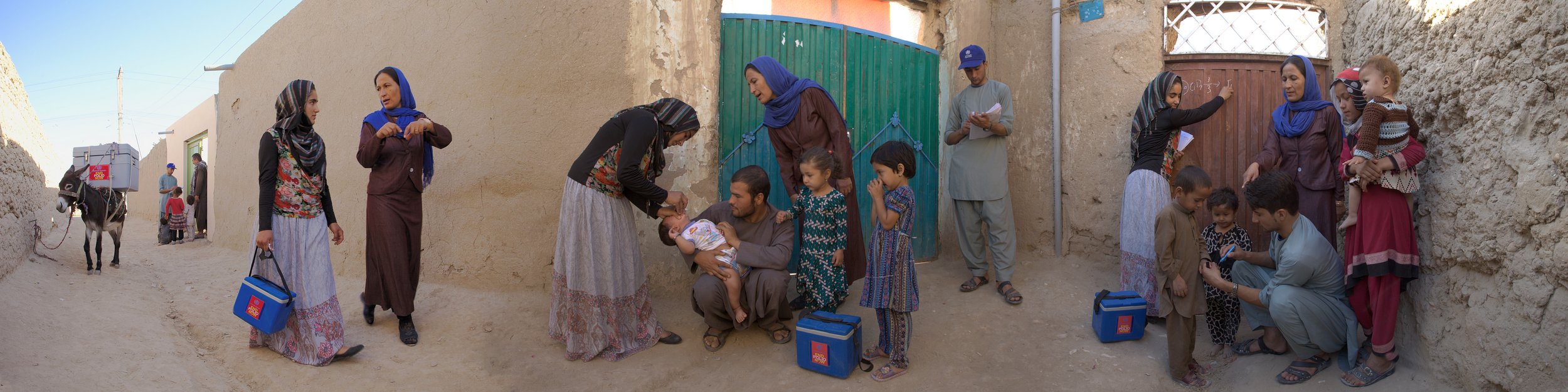
The UN70 “Strong UN. Strong Afghanistan.” campaign presented Afghan individuals and their contributions rather than describing the country only through conflict. That framing matters when considering police reform. Institutional progress is shaped by trainers, local leaders, women’s advocates, officers, civil servants and residents who participate in difficult, often unglamorous work.
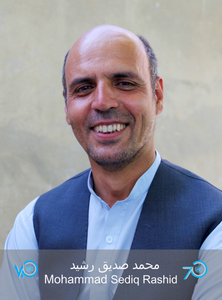
Campaign photographs and messages from the Special Representative of the Secretary-General can be read as public diplomacy, but they also preserve evidence of how the UN described partnership. The archived material should not be mistaken for a current operational portal or a complete evaluation of Afghan policing. It is a historical snapshot of a completed campaign, and its stories need to be considered alongside independent reporting and the wider political context.
Readers can explore the UN Afghanistan archive for campaign material, news, photographs and links to the organisation’s media channels. Its value lies in showing how international support was communicated to the public and how Afghan participation was placed at the centre of the message. It also reminds us that online archives have a particular purpose: they preserve selected accounts, rather than capturing every community experience.
The political and security environment in Afghanistan changed substantially after the campaign period. That makes careful language important. A discussion of UN-facilitated Afghan police reform should acknowledge both the ambition of community-based approaches and the limits imposed by insecurity, weak institutions, political change and unequal access to justice. Programmes can establish useful practices without producing lasting transformation across an entire national system.
For Australian audiences, this historical perspective offers a grounded way to think about international development. Australia’s own public institutions operate in a different legal and political environment, but questions of trust, representation and accountability remain present in metropolitan suburbs, regional towns and remote communities. Whether the setting is a police station in Adelaide, a local market in Brisbane or a community meeting in the Kimberley, safety depends on people believing that public authorities will listen and act lawfully.
UN-facilitated community policing in Afghanistan therefore deserves attention as a process of relationship-building. Its central lesson is that reform is strongest when communities are treated as participants in public safety, not simply as recipients of security. Reviewing the archived UN70 stories with that principle in mind allows readers to see both the promise of partnership and the work still required to turn institutional commitments into daily trust.
Explore the archived campaign, examine its photographs and messages, and share informed discussion about community-led public safety, accountable policing and the role of international partnerships in strengthening institutions.