
Making a Difference
Building Trust Through Afghan Police–Community Dialogue
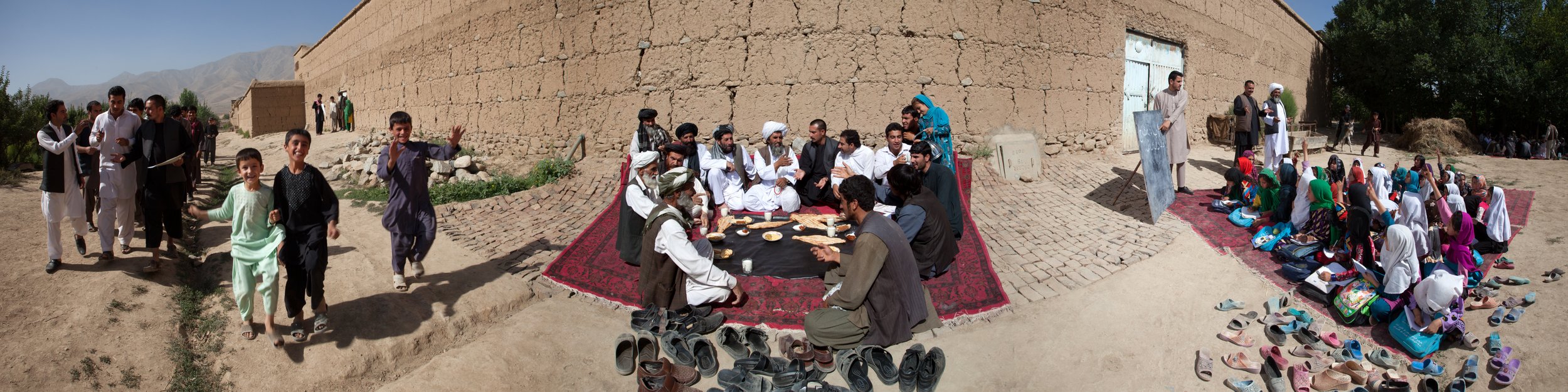
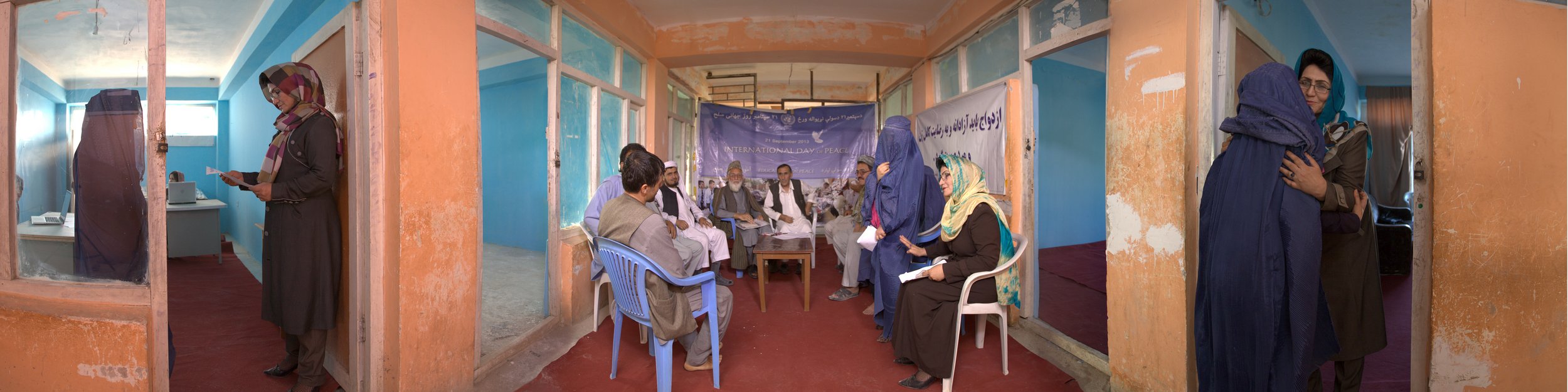
Trust between police and the public is built through repeated contact, fair treatment and visible accountability. In Afghanistan, UN-facilitated police-community meetings have provided a practical setting for people to discuss security concerns with police officers, local authorities, elders, women’s representatives, young people and civil society groups. These meetings connect formal policing with the everyday experiences of neighbourhoods and districts.
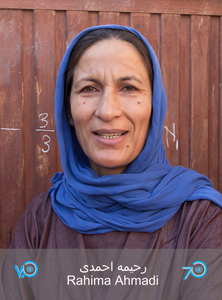
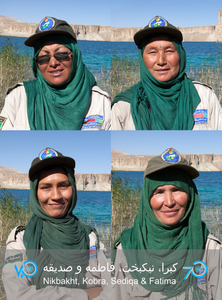
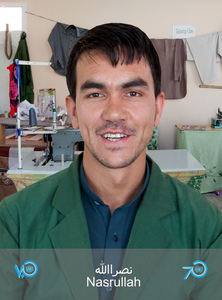
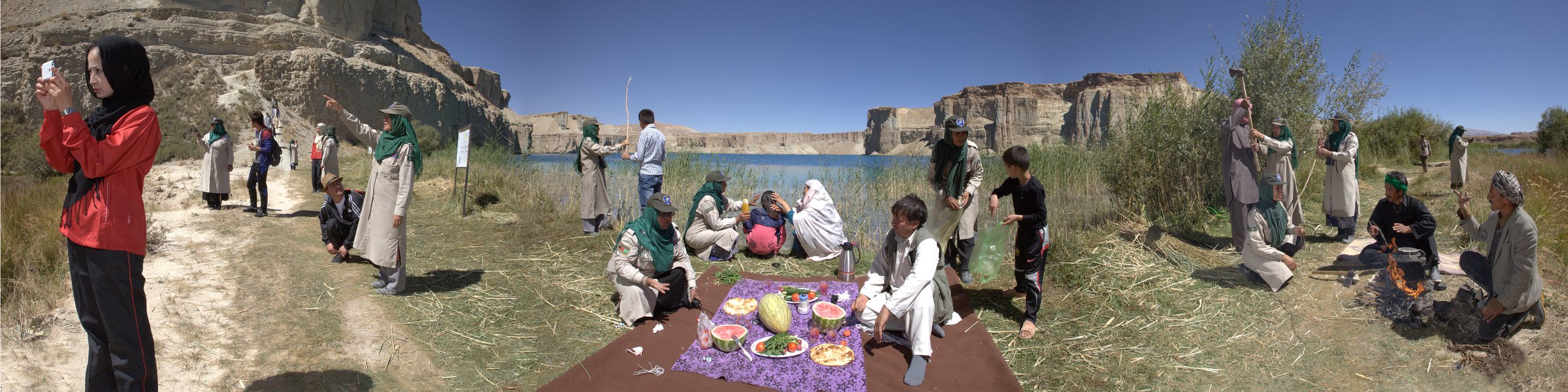
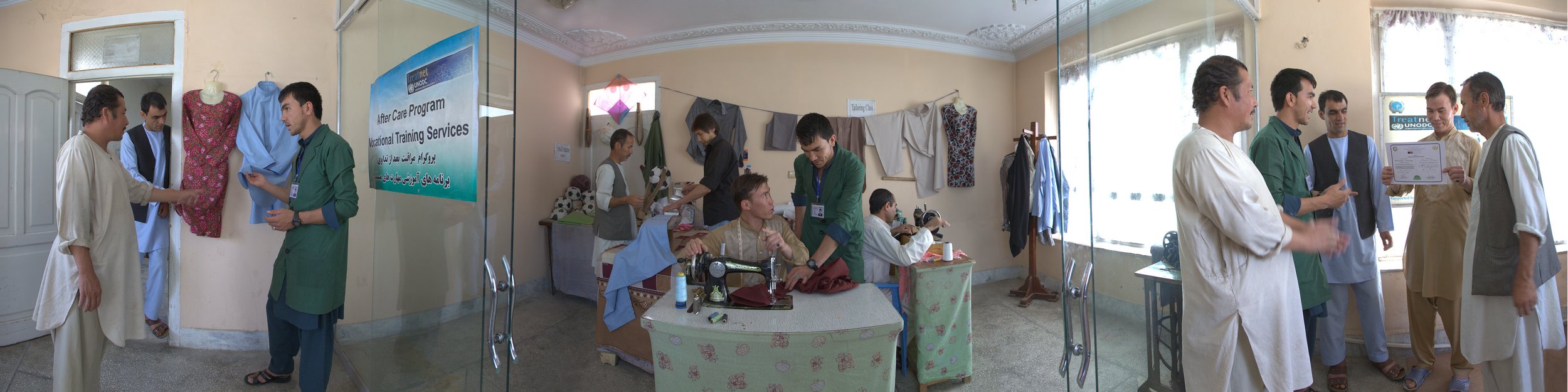
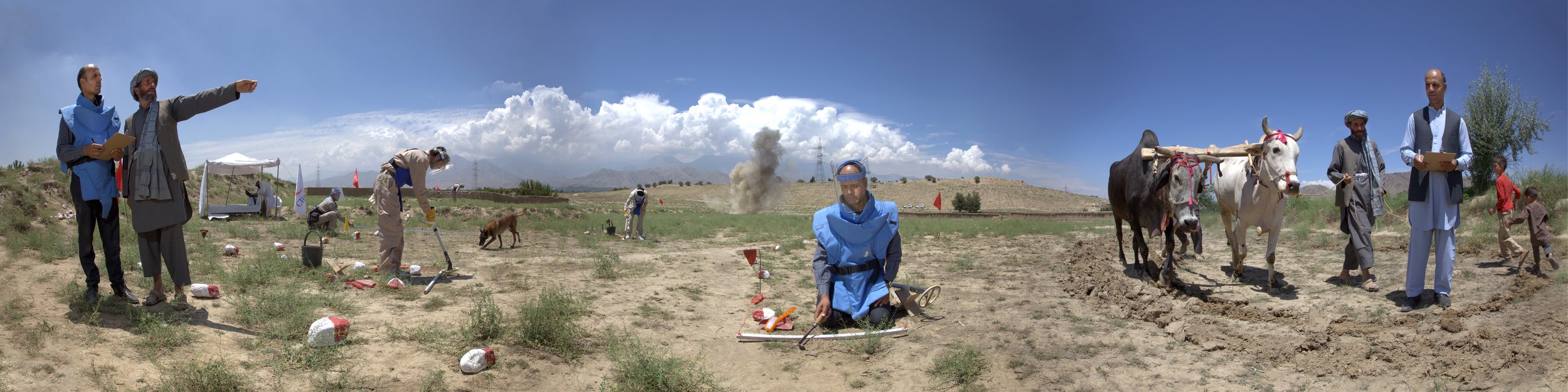
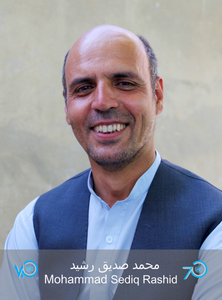
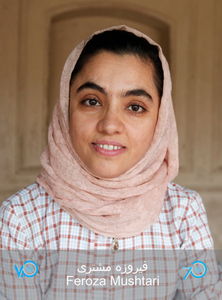
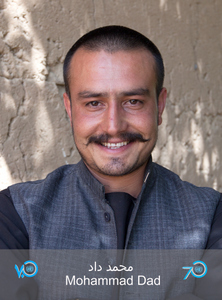
The UN Afghanistan website’s archived “Strong UN. Strong Afghanistan.” campaign placed human stories and community contributions at the centre of its public message. Within that wider context, dialogue between Afghan communities and police illustrates how international support can strengthen local problem-solving. The purpose is not simply to hold a meeting, but to create a safer channel for listening, reporting concerns and following up on commitments.
Why Police–Community Trust Matters
For many Afghan communities, contact with security institutions has been shaped by conflict, displacement, poverty and uncertainty. Police may be expected to protect people from crime, resolve disputes and respond to emergencies, while residents may fear corruption, discrimination, retaliation or a lack of response. This tension can prevent people from reporting incidents or sharing information that could help protect their neighbours.
A police-community meeting offers a structured alternative to rumours and one-way communication. Residents can raise concerns about checkpoints, domestic violence, theft, harassment, traffic safety, land disputes or the treatment of vulnerable groups. Police can explain their responsibilities, operational limits and procedures for receiving complaints. When the discussion is managed carefully, the meeting becomes a form of public accountability rather than a ceremonial gathering.
Trust develops when people see that their concerns lead to practical action. A police unit might improve the way complaints are recorded, arrange a safer route near a school, refer a protection case to an appropriate service or clarify how families can report a missing person. Even modest results matter when they are communicated clearly and delivered without favouritism.
The UN’s Role As A Trusted Facilitator
The United Nations can help create conditions for dialogue without replacing Afghan institutions. Its role may include bringing participants together, supporting local facilitators, providing interpretation, helping prepare an agenda and encouraging the inclusion of people who are often left out of public discussions. UN personnel can also promote human rights standards and ensure that the meeting remains focused on civilian safety.
A neutral facilitator is particularly valuable where relationships are strained. Police officers may be reluctant to hear criticism in a public forum, while residents may not feel safe speaking directly to uniformed officials. A UN-supported process can establish ground rules, separate urgent protection matters from general discussion and provide private channels for sensitive complaints. The facilitator should never promise outcomes that police or local authorities cannot deliver.
Inclusive participation requires more than inviting a community elder. Women, people with disabilities, displaced families, ethnic and religious minorities, young people, traders and residents of remote areas may experience security problems differently. Separate consultations or women-led discussion spaces can make it easier for participants to speak about issues such as gender-based violence, family safety and access to justice.
The UN can also help document agreed actions and organise follow-up. A simple record of concerns, responsible institutions and review dates gives the process continuity. It allows participants to see whether commitments have been completed, delayed or referred elsewhere. This practical discipline is central to trust-building because it connects conversation with measurable behaviour.
How A Productive Meeting Works
Effective police-community dialogue starts with careful preparation. Organisers need to identify the right participants, choose a venue that feels safe and accessible, and consider language, cultural expectations and security conditions. In Afghanistan, a meeting may need interpretation between local languages, gender-sensitive arrangements and attention to travel restrictions. Participants should understand the purpose of the meeting before they arrive.
The agenda should leave room for residents to speak in their own terms. A short presentation from police can explain local responsibilities, emergency contacts and complaint procedures, but most of the time should be reserved for discussion. Facilitators can group concerns into themes such as public safety, family protection, movement, local disputes and police conduct. This prevents the session from becoming either a political speech or an unmanageable list of grievances.
Confidentiality requires particular care. A person reporting intimidation, violence or official misconduct may face further danger if their identity becomes known. Public meetings should not pressure individuals to disclose personal experiences in front of neighbours or officials. Referral pathways, private interviews and trusted community organisations can provide safer options for sensitive cases.
Follow-up is the point at which many dialogue initiatives succeed or fail. Police representatives should return with updates, even when the answer is that a request cannot yet be fulfilled. Community members can nominate representatives to monitor progress, while UN or civil society partners can help review whether commitments were implemented. A transparent explanation is more credible than silence.
Building Inclusion Into Local Security
Women’s participation is essential to meaningful community safety. Women often have information about family violence, child protection, exploitation and movement restrictions that may not reach male-dominated public forums. Yet social norms, fear of stigma and security concerns can prevent them from attending or speaking. Women facilitators, separate consultation sessions and discreet referral systems can create safer opportunities for engagement.
Young people also need a genuine role. In many communities, young Afghans are the people most likely to encounter police in public spaces, travel between districts or use mobile communication to share information. They may identify concerns around harassment, drug use, recruitment, school access or unemployment before older leaders do. Treating youth as partners rather than security risks can improve both communication and prevention.
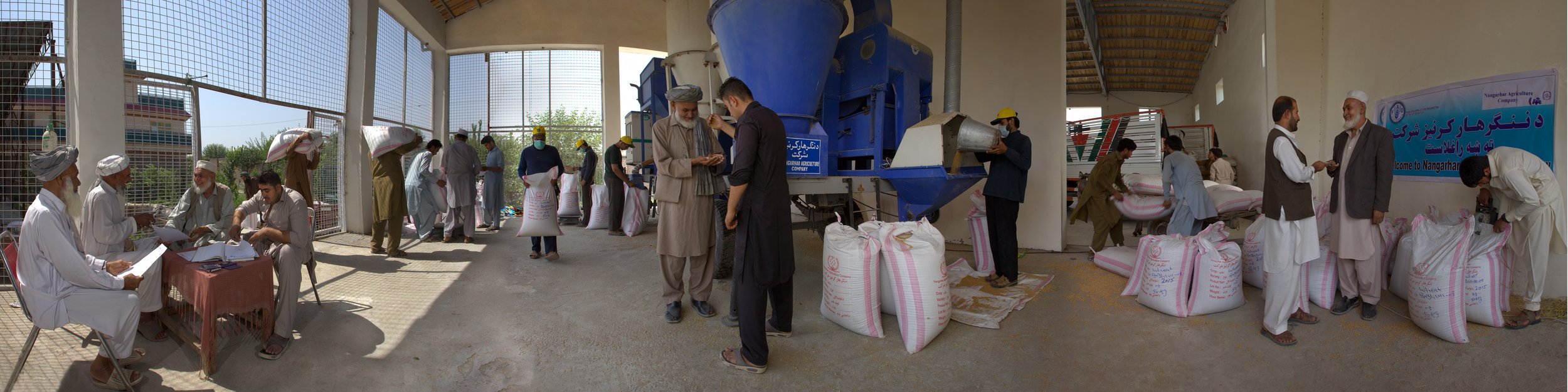
Local traders and transport workers can contribute valuable information about market safety, extortion, theft and movement along roads. Small shopkeepers, street vendors and market associations often observe changes in a neighbourhood long before formal institutions do. Their participation must be voluntary and protected from pressure, since a trader who is seen cooperating with authorities may become vulnerable to retaliation.
These principles have familiar echoes for an Australian audience, although the settings are very different. A community meeting in Sydney, Melbourne or Perth may involve police, multicultural organisations, local councils and residents discussing hate crime, public transport safety or family violence. In regional and remote Australia, distance and limited services can shape access to policing just as strongly as urban density does in major Afghan centres. The lesson is that effective public safety begins with listening to the people who understand local conditions.
Lessons For Australia And International Partners
Australian communities are accustomed to everyday forms of local participation: speaking with a school principal, attending a council meeting, visiting a weekend market or raising a concern with a neighbourhood group. These habits show why regular contact matters. Trust is rarely created by a single public event; it grows through predictable interactions in places where people already live, work and gather.
Local market conditions also influence safety conversations. In an Australian shopping strip or Saturday market, traders may focus on theft, unsafe parking, vandalism, consumer disputes or the protection of staff working alone. In an Afghan market, concerns may include armed threats, checkpoints, extortion or access along insecure roads. The details differ, but the principle is shared: police advice is most useful when it responds to the risks that affect livelihoods and daily routines.
Legal safeguards provide another important point of comparison. Australian policing operates within state and territory frameworks, alongside federal laws such as the Racial Discrimination Act 1975 and the Privacy Act 1988. The Australian Privacy Principles place limits on how personal information is collected, used and disclosed. These standards do not transfer directly to Afghanistan, but they remind international partners that information gathered through community engagement must be handled responsibly and that people need protection from discriminatory treatment.
Australian audiences should also avoid treating community policing as a simple export model. Afghanistan’s security environment, local power structures, justice systems and humanitarian needs require approaches designed with Afghan communities. International partners can offer experience in facilitation, human rights, data protection and institutional accountability, but Afghan participants must shape priorities and define what safety means in their own places.
The archived UN campaign provides a useful reminder of the value of public storytelling. Presenting Afghan individuals as contributors, organisers and problem-solvers challenges portrayals that reduce the country to conflict statistics. Police-community meetings belong within that broader picture: they are spaces where residents can influence institutions, identify practical solutions and insist that security includes dignity and equal treatment.
Measuring Whether Trust Is Growing
Attendance figures alone cannot show whether a dialogue initiative is effective. Organisers should examine who attended, who spoke, which concerns were recorded and whether excluded groups had safe ways to participate. A crowded meeting may still fail if women, minorities or people with disabilities were present only symbolically. Qualitative feedback can reveal whether participants felt respected and whether they would use the complaint process again.
Useful indicators include response times, the number of complaints receiving follow-up, referrals completed and changes in police behaviour reported by residents. Measurements should be disaggregated where safe and appropriate, including by gender, age, location and other relevant factors. Data must never expose individuals to retaliation, and sensitive information should be stored only when there is a clear protection purpose.
Trust can also be tested through repetition. Do residents continue to attend when there is no immediate crisis? Do police return to explain unresolved cases? Are community representatives able to criticise conduct without being punished? These signs are more meaningful than favourable speeches or one-off publicity campaigns.
There are limits to what meetings can achieve. Dialogue cannot substitute for trained personnel, fair courts, functioning complaint systems or protection from armed groups. It cannot make an unsafe venue safe through goodwill alone. A responsible programme recognises these limits, links participants with humanitarian and legal services, and avoids creating expectations that cannot be met.
For the UN and its partners, the long-term task is to support Afghan institutions while keeping communities at the centre of security planning. That means investing in local facilitators, strengthening police accountability, protecting participants and publishing clear follow-up information. Trust grows when people see that engagement changes decisions and that their dignity is respected throughout the process.
UN Afghanistan’s archived campaign offers a starting point for exploring these community-centred efforts. Read the stories, examine the campaign photographs and follow the wider record of UN engagement with Afghan communities. Support public-interest reporting and human rights work that keeps local voices visible, and share credible examples of policing built through listening, accountability and practical cooperation.