

Making a Difference



Communication systems for Afghan border patrols
Afghanistan’s border regions connect remote settlements, trade routes and neighbouring states, while patrols work across mountains, deserts and disconnected valleys. For border personnel, a failed radio can delay medical assistance, leave a team unaccounted for and stop urgent information moving between local authorities. Communications are therefore essential infrastructure, alongside vehicles, protective equipment and training.
At UN-equipped Afghan border security posts, systems must work where commercial coverage does not. The strongest design combines VHF and UHF radio, satellite links, mobile data where available, disciplined check-ins and clear failure procedures. Afghan personnel should lead network design, supported by partners who strengthen interoperability, maintenance and training rather than create a system that depends indefinitely on outside staff.
Patrol communication as operational infrastructure
A patrol network serves three connected purposes. It coordinates movement and routine tasks, provides a rapid channel for medical or security incidents, and creates a reliable record of personnel locations and decisions. These functions must be designed together: a system that transmits a distress call but cannot identify the caller, or records check-ins without an escalation process, leaves a critical gap.
Redundancy is the practical response to Afghanistan’s geography. A post may use a local repeater for radio coverage, a satellite link for sites beyond terrestrial reach and cellular data when a carrier serves the area. Power and charging capacity need equal attention. Responders also require simple procedures establishing who monitors the network, how a missed check-in is verified and which channel is used during an emergency.
| Communication option | Strongest use | Main advantage | Common constraint | Practical role |
|---|---|---|---|---|
| VHF and UHF radio | Coordination between nearby patrols and posts | Immediate voice communication with straightforward controls | Terrain, antenna height and interference | Primary local link |
| HF radio | Communication across wide areas without a cellular network | Long-distance reach without relying on ground infrastructure | Narrow bandwidth and slower setup | Long-range backup |
| Satellite voice and data | Sites beyond reliable terrestrial or mobile coverage | Connects remote posts with regional centres | Power demand, sky visibility and airtime cost | Emergency and data backup |
| Mobile data | Mapping, reporting, photographs and routine administration | Familiar devices and broad information capacity | Blackspots, roaming limits and variable coverage | Useful supplement, not a sole lifeline |
A layered arrangement gives teams options when one service fails. Equipment should be tested under realistic operating conditions, and personnel should know which alternative channel to use without waiting for instructions.
Choosing the right communication layers
VHF and UHF radios remain the core of many border networks because they provide instant voice contact with relatively low infrastructure requirements. Their performance depends on antenna placement, battery condition and local terrain. Repeaters can extend coverage beyond the immediate horizon, while fixed station antennas and vehicle-mounted units serve different patrol patterns. Regular range tests help prevent a nominally operational radio from developing blind spots.
Satellite phones support voice and short messaging where no terrestrial network is available, making them valuable during emergencies and routine patrols beyond coverage. Fixed satellite terminals can carry larger data volumes, although they require a clear view of the sky, stable power and managed backhaul. They should therefore be installed with lightning, storm and physical-security precautions rather than treated as ordinary desk equipment.
Mobile data supports mapping, digital reporting and information sharing, but coverage can be inconsistent and national roaming may depend on agreements between operators. Patrol teams need to know which locations have service, what applications work there and how restricted networks affect navigation or messaging. A common operating language, agreed call signs and a shared equipment directory are more valuable than having several disconnected platforms.
Power, terrain and field maintenance
Remote posts need an energy plan that accounts for winter snow, summer heat, dust and high winds. Batteries lose capacity as temperatures change and age, so charging equipment, spare power and protected storage matter as much as the radios themselves. Solar charging can extend operating time, but it requires panels positioned for usable sunlight, secure cable routing and regular cleaning. Generators need fuel reserves, safe ventilation and a documented shutdown procedure.
Equipment layout also affects safety. A guide to borewell and toilet safety illustrates the value of separating vital infrastructure from contamination risks. The field parallel is straightforward: antennas, generators, fuel stores and waste disposal need clear separation from occupied areas, with cables protected and access routes kept open.
Maintenance should be preventive rather than confined to breakdowns. Staff need a simple fault log, a named equipment custodian, contact details for technical support and procedures for checking antennas after severe weather. Simulated power loss and radio outages can reveal whether teams can relocate, switch channels and restore contact without outside assistance.
Secure information and accountable use
Secure voice and data channels are essential when transmissions may reveal patrol locations, vulnerabilities or personal details. Equipment should use approved encryption and authentication settings, default passwords must be changed, and access credentials should be limited to personnel who need them. Keys and software updates need a clear owner so that security does not quietly deteriorate when staff rotate or leave a post.
Operational clarity does not justify indiscriminate surveillance. Communications systems should collect only information required for safety and accountability, with unnecessary location history or personal data removed. Afghan border personnel must also apply Afghan law, United Nations human-rights standards and applicable United Nations Security Council measures when handling sensitive information.
Interoperability requires more than compatible radios. Agencies should use consistent terminology, compatible call signs and a current contact directory. Processes for receiving a community report, escalating an incident and handing it to another authority should be rehearsed. Shared logs create continuity when a patrol changes shift, a vehicle moves between sectors or responsibility passes from one unit to another.
Lessons from remote operations in Australia
Australian readers can recognise the value of redundancy without pretending the environments are identical. Around Alice Springs, Broome, the Pilbara and remote stretches of the Stuart Highway, distances are measured in hundreds of kilometres, road trains supply isolated settlements and mobile blackspots interrupt coverage. Field teams plan for a failed handset rather than assuming every location behaves like a capital-city network.
Australian operational radio culture offers another lesson. Crews often use concise call signs, state location and task plainly and require confirmation of instructions. That directness suits noisy vehicles and shared channels. The national emergency number, 000, also demonstrates the value of a memorable escalation path; patrol communications need a similarly clear route from a distress call to the appropriate local emergency contact.
The Australian market also shows how communications products and services depend on national infrastructure and regulation. Radio equipment sold for professional use must meet Australian Communications and Media Authority requirements, while suppliers offer rugged handsets, solar charging systems and satellite subscriptions with different coverage options. For Afghanistan, the lesson is not to import an Australian solution unchanged. Equipment must fit local conditions, spare parts must remain available and trained Afghan personnel must be able to maintain the network.
Priorities for reliable patrol networks
Before procurement, each post should complete a coverage and risk assessment. The exercise should identify blind spots, travel times, weather exposure, available power, likely equipment failures and the nearest alternative communication point. Local staff and nearby communities can help identify practical priorities that a remote desk assessment may overlook.
Equipment and site readiness
- Map radio and mobile coverage along regularly used patrol routes.
- Issue a matched primary and backup set for every deployed team.
- Carry spare batteries, charging cables and basic repair supplies.
- Secure antennas and generators against wind, theft and accidental damage.
Patrol operating discipline
- Use standard phraseology for requests, locations and hazards.
- Confirm critical instructions and record the time of the response.
- Set scheduled check-ins for teams working beyond direct coverage.
- Escalate missed contacts through a defined verification process.
Training should combine equipment familiarisation with communication drills. Officers need practice moving between channels, using satellite equipment after power loss and handling an incident involving a language barrier. Exercises should include personnel from relevant Afghan authorities so that shared procedures become familiar rather than theoretical.
Performance should be reviewed through recurring outage tests, battery-maintenance records and reports from patrols and communities. A network that works during a scheduled exercise may still fail during a storm, flood or overloaded festival period. Regular review keeps local priorities visible and allows equipment and procedures to change with operational needs.
Keep Afghan communities connected
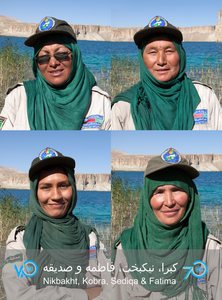
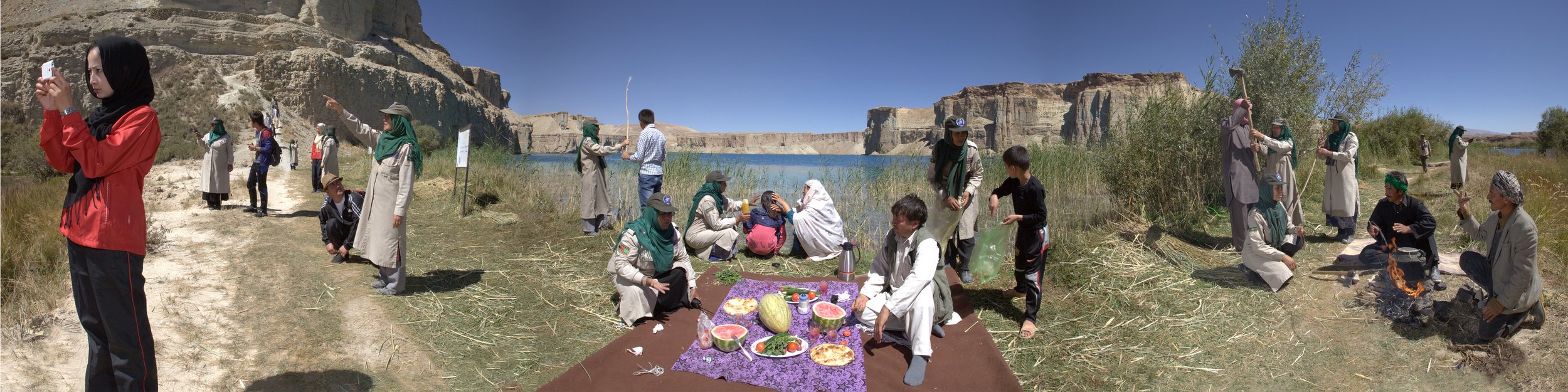
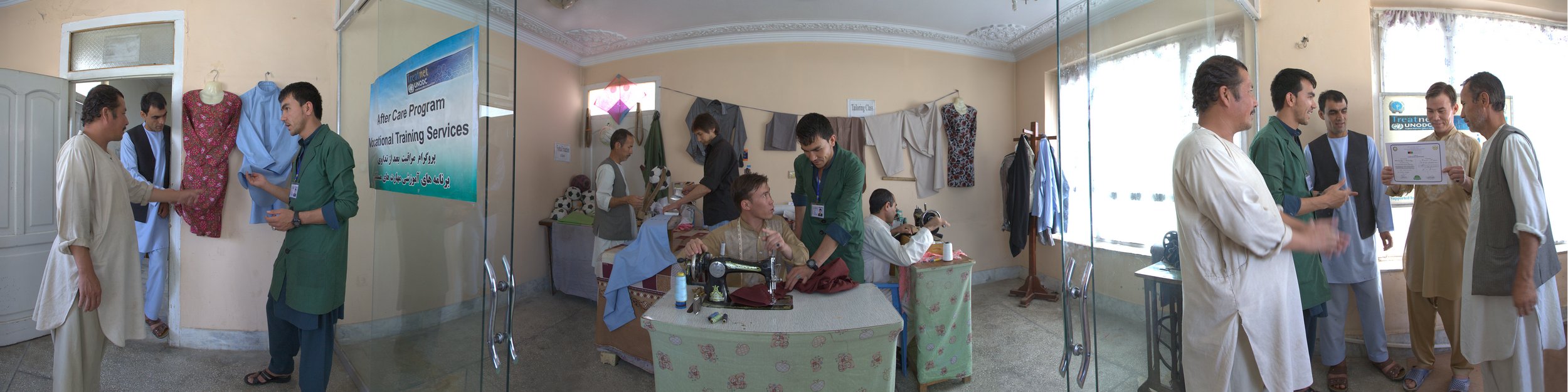
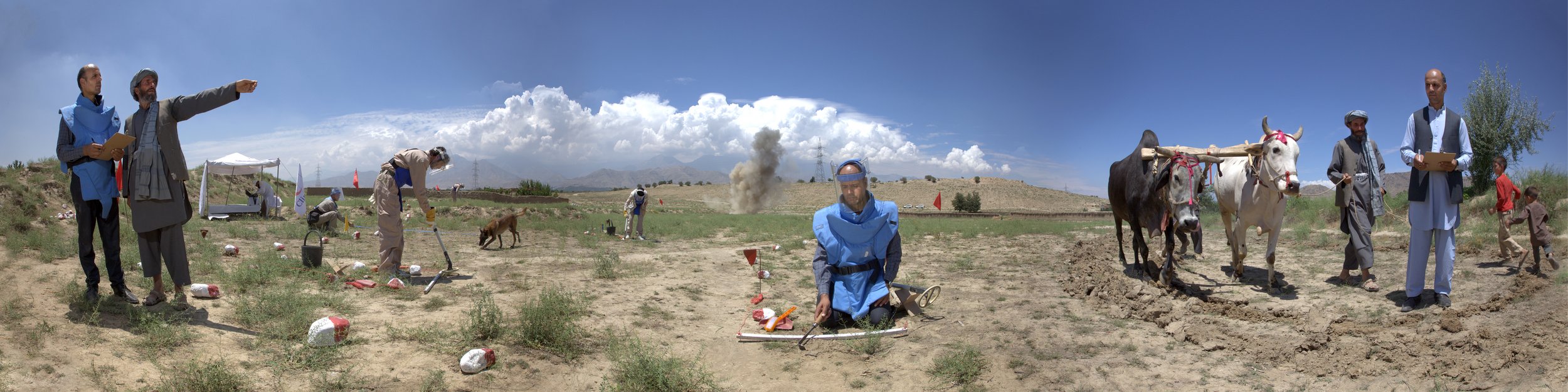
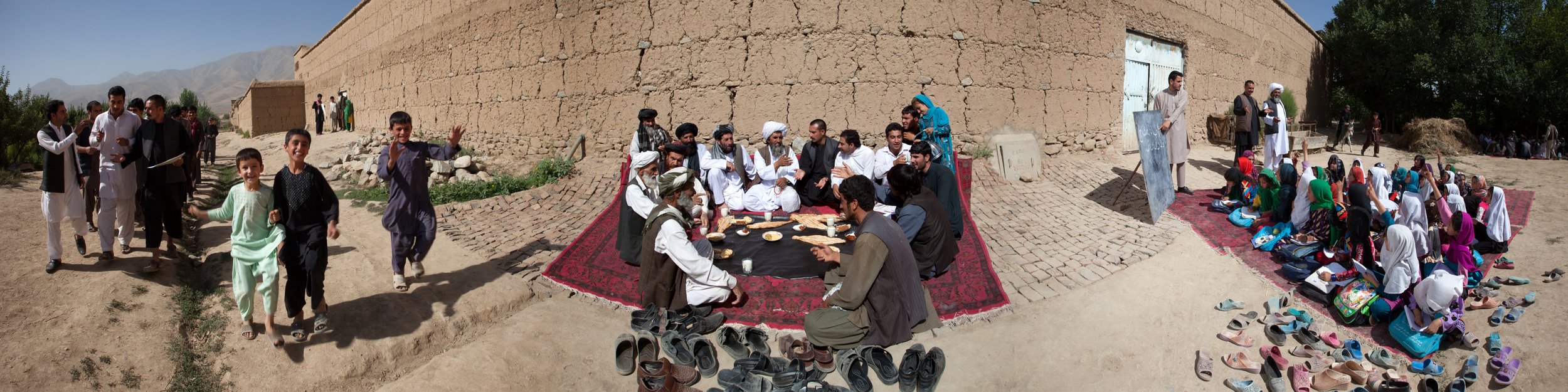
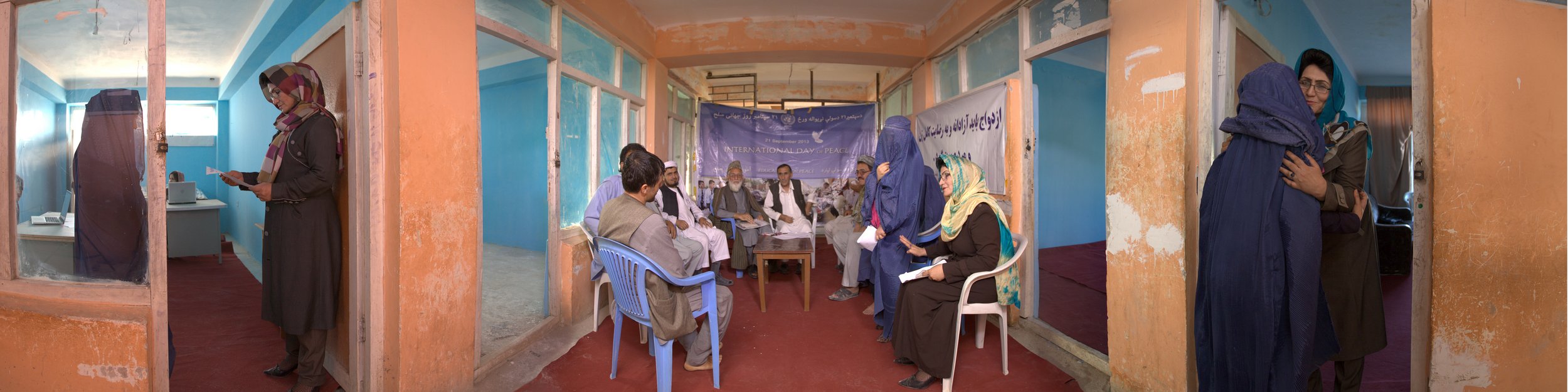
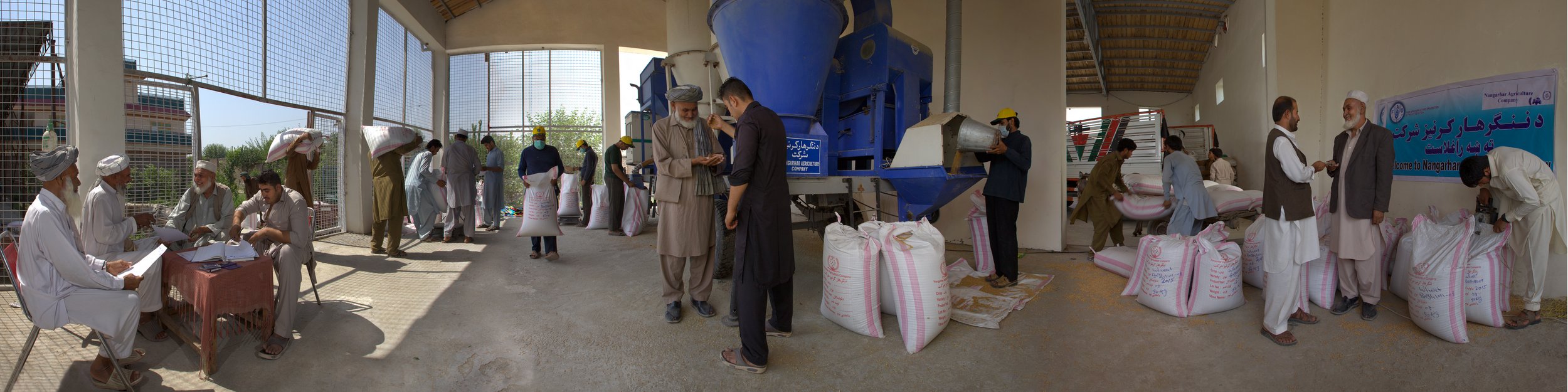
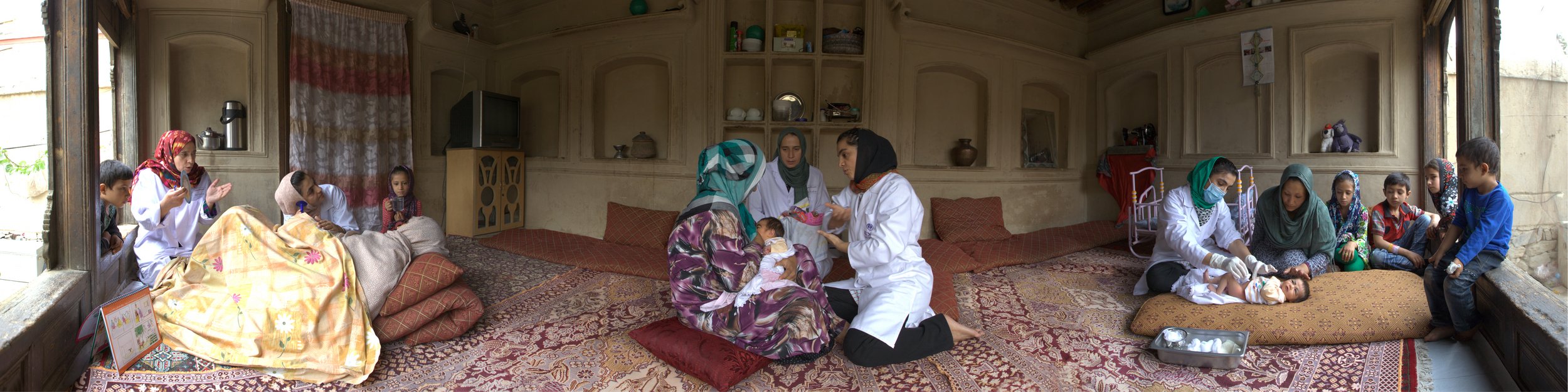
Technology matters most when it strengthens trust between border personnel and the people they serve. The UN Afghanistan campaign archive brings together Afghan voices, campaign photography and messages from the completed UN70 Strong UN. Strong Afghanistan campaign. Its emphasis on people and partnership reinforces an essential point: border communications affect families, traders, travellers and local responders as well as uniformed personnel.
Explore the archived stories, share Afghan perspectives with Australian audiences and support cooperation that keeps border personnel, communities and emergency responders able to reach one another. Better communication is a practical promise of safety, dignity and mutual trust, built on Afghan leadership and sustained for the long term.