
Making a Difference
Protecting Afghan Lives From Landmines Through UN Action
Afghanistan has endured one of the world’s longest and most complex landmine and unexploded ordnance crises. Decades of conflict have left explosive remnants of war in villages, farmland, roads, school surroundings and grazing areas. These hazards continue to threaten civilians after fighting has moved elsewhere, causing deaths, severe injuries, displacement and long-term economic hardship.
UN assistance for Afghan victims of landmines forms part of a broader humanitarian effort that combines mine clearance, explosive ordnance risk education, emergency response, rehabilitation and social support. The work involves United Nations agencies, national institutions, specialist mine action organizations, health providers, local communities and donors.
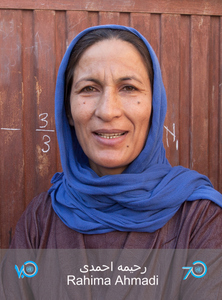
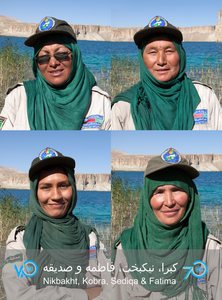
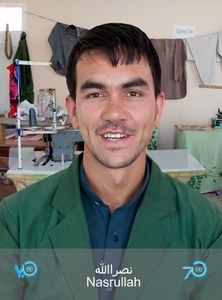
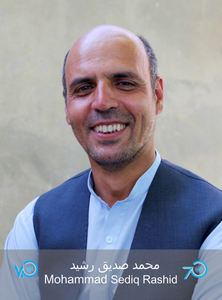
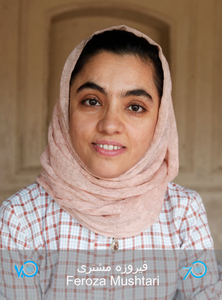
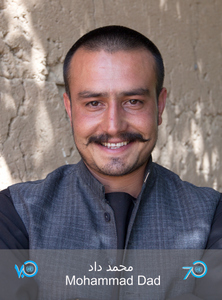
The archived UN70 “Strong UN. Strong Afghanistan.” campaign placed Afghan people and their contributions at the centre of the United Nations’ story in the country. Within that wider record, support for people affected by mines reflects a practical partnership: reducing immediate danger while helping survivors, families and communities rebuild their lives with dignity.
The Continuing Danger Of Explosive Remnants
Landmines are designed to remain active for years, and unexploded bombs, rockets, grenades and other remnants can be just as dangerous. Children may mistake small items for toys, while farmers, herders, returnees and aid workers can encounter devices while using roads or cultivating land. Seasonal movement, erosion and population displacement can expose hazards in locations previously considered safe.
The impact extends beyond the person who is injured. A mine incident can remove a parent or wage earner, place unpaid care responsibilities on relatives and force a household to sell livestock or property to pay for treatment. Families may also lose access to fields, water points, markets and public services when contamination restricts movement.
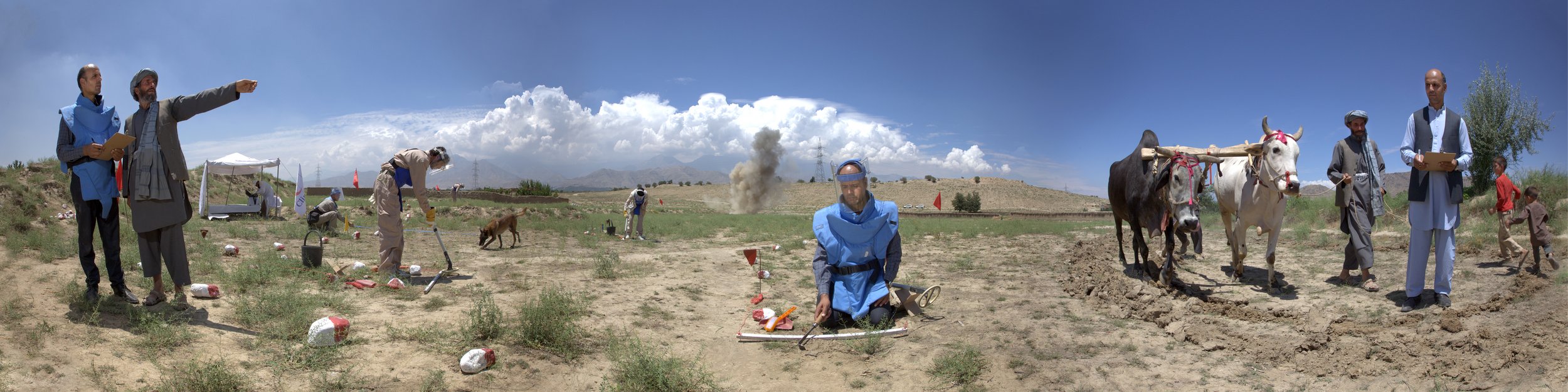
In Afghanistan, the scale of contamination has required long-term planning rather than short emergency campaigns. Survey teams identify suspected hazardous areas, clearance specialists remove or destroy devices, and local authorities and humanitarian partners share information about incidents and affected populations. Each cleared area can restore access to homes, schools, transport routes and livelihoods.
How The United Nations Organizes Support
The United Nations Mine Action Service, commonly known as UNMAS, has supported mine action coordination, technical work and risk reduction in Afghanistan. Its role can include helping partners plan operations, strengthen national capacity, promote safety standards and communicate reliable information about contaminated areas. Mine action is coordinated with the wider humanitarian response so that clearance supports the places where people face the greatest risks.
The United Nations Assistance Mission in Afghanistan has also helped draw attention to civilian protection and the consequences of explosive hazards. Other UN entities contribute according to their mandates. UNICEF supports child-focused risk education and protection activities, while health and humanitarian partners help connect injured people with medical care, rehabilitation and community services. The exact mix of support changes with needs, access and available funding.
This model depends on Afghan expertise. National mine action organizations, local workers, community representatives and survivors bring knowledge that international actors cannot replace. Afghan personnel understand local languages, social relationships, terrain and customary patterns of movement. Their participation improves the accuracy of hazard mapping and makes safety messages more credible.
From Emergency Treatment To Long-Term Recovery
When a mine accident occurs, rapid medical care can determine whether an injured person survives and how much function can be preserved. Victims may need trauma surgery, blood supplies, infection treatment and referral to specialized facilities. In remote districts, distance and insecurity can make evacuation difficult, which is why local health capacity and clear referral arrangements are essential.
A survivor’s needs continue after hospital discharge. Physical rehabilitation may include prosthetic limbs, orthotic devices, mobility training and follow-up care. Rehabilitation services help people regain independence, return to school or work and participate in family and community life. Devices must be fitted correctly and maintained over time because a growing child or a person living in a rural area may require repeated adjustments.
Psychological and social assistance also matter. Survivors and relatives may experience grief, trauma, fear, stigma or isolation. Counselling, peer networks, disability-inclusive services and practical family support can reduce these pressures. Assistance should recognize that a person injured by a mine is a rights holder and community member, rather than viewing the individual only through the lens of victimhood.
| Area of assistance | What it addresses | Practical result |
|---|---|---|
| Explosive hazard survey and clearance | Mines and unexploded ordnance in homes, fields, roads and public spaces | Safer land and restored access |
| Risk education | Limited knowledge of hazardous items and unsafe areas | Fewer preventable accidents |
| Emergency medical care | Blast injuries, blood loss, burns and trauma | Improved survival and initial recovery |
| Physical rehabilitation | Amputation, mobility loss and permanent injury | Greater independence and movement |
| Psychosocial support | Grief, trauma, stigma and family stress | Stronger emotional and social recovery |
| Economic inclusion | Lost income, restricted work and household poverty | Better livelihood opportunities |
| Victim assistance coordination | Gaps between health, protection and social services | More consistent, accessible support |
Risk Education Saves Lives Before Clearance
Clearance can take time, especially when teams must investigate large areas or work in difficult terrain. Risk education provides an immediate layer of protection. Trained educators explain what explosive remnants may look like, where they are commonly found, how to mark a dangerous location and how to report it without touching or moving the item.
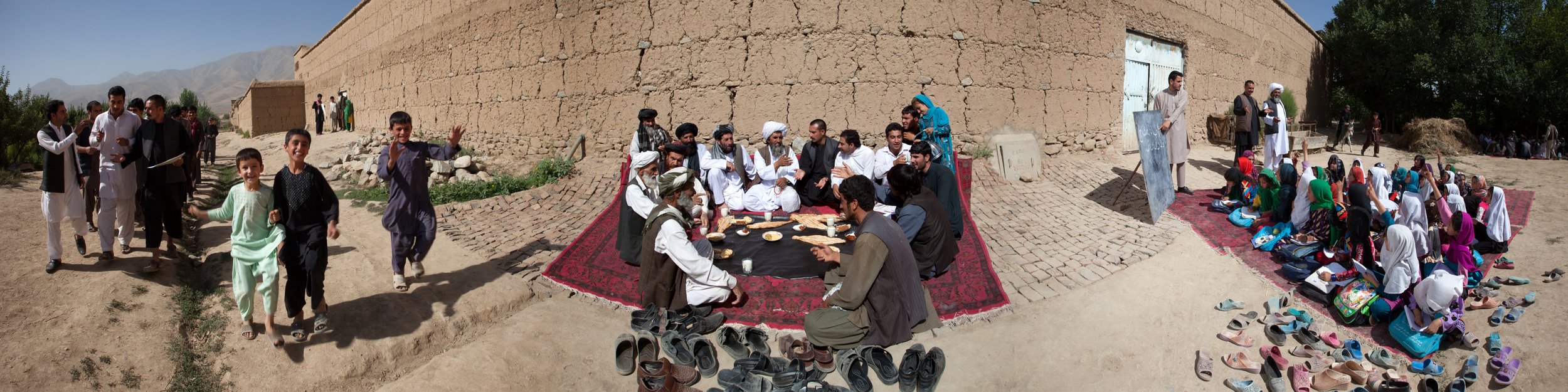
Effective messages are simple, repeated and adapted to local circumstances. Children may receive lessons through schools, community sessions, radio broadcasts, illustrated materials or trusted local leaders. Adults involved in farming, construction, transport and livestock herding need information that reflects their daily routines. Messages must also reach displaced people and returnees, who may enter unfamiliar areas without knowing where hazards are located.
Community reporting strengthens the entire mine action system. Residents can identify suspicious objects, report accidents and share local knowledge about former battle areas. Educators and surveyors then use that information to update hazard records and prioritize fieldwork. Public awareness is therefore more than a warning campaign; it is a form of community protection and participation.
Reaching People In Remote Communities
Afghanistan’s geography creates serious access barriers. Mountainous terrain, poor roads, harsh weather and insecurity can prevent injured people from reaching hospitals or rehabilitation centres. Women, children, older people and people with disabilities may face additional restrictions when travelling, seeking care or communicating with service providers.
A strong response brings services closer to affected communities whenever possible. Mobile rehabilitation teams, outreach workers, community health personnel and local referral networks can reduce the distance between a survivor and essential support. Accessible information, female staff and culturally appropriate services can make it easier for women and girls to receive assistance.
Inclusion also requires attention to the wider household. A family caring for a survivor may need transport support, disability assistance, food security help or an alternative source of income. Linking mine action with humanitarian cash assistance, education, protection and livelihoods programming can prevent a medical emergency from becoming a permanent cycle of poverty.
Building A Survivor-Centred Response
Victim assistance is strongest when survivors help shape it. Their experience can reveal whether a clinic is accessible, whether a prosthesis is suitable for local conditions, whether risk messages are understood and whether discrimination is preventing someone from returning to work or school. Consultation also helps programs identify needs that injury statistics do not show.
A survivor-centred approach includes people with different types of injuries and different circumstances. It should cover those with amputations, blindness, hearing loss, psychological trauma and less visible disabilities. Family members affected by death or injury also need recognition, especially when they lose income or assume long-term care responsibilities.
The United Nations and its partners must also protect data and dignity. Information about victims should be collected responsibly, shared only when appropriate and used to improve services. Public storytelling, including material associated with campaigns such as UN70, should present Afghan people as active contributors and rights holders, with informed consent and respect for privacy.
Priorities For Sustained Humanitarian Action
Funding for mine action must cover the full chain of support. Clearance without rehabilitation leaves survivors without a path to recovery; medical care without livelihoods may leave households in poverty; risk education without reliable reporting and clearance can reduce danger but cannot remove it. Donors and implementing organizations therefore need multi-year planning that connects emergency and development priorities.
National ownership is equally important. Training Afghan surveyors, medics, rehabilitation specialists, teachers and administrators creates durable capacity and preserves institutional knowledge. Support for national standards, accessible public services and disability rights can ensure that assistance continues when individual projects or funding cycles end.
The following priorities can help agencies, donors and local partners keep assistance focused:
- Fund integrated programs that connect clearance, risk education, trauma care, rehabilitation and livelihoods.
- Prioritize remote, high-risk communities and include women, children, displaced people and people with disabilities in planning.
- Expand survivor participation in service design, monitoring and public awareness activities.
- Maintain accurate hazard mapping and confidential victim data to improve referrals and resource allocation.
- Support Afghan organizations and public institutions with predictable, multi-year technical and financial assistance.
The threat from mines and unexploded ordnance will not disappear quickly, but coordinated action can reduce preventable deaths and give survivors a fairer chance to recover. UN Afghanistan’s archived campaign remains a reminder that international work is measured through people and communities: a child able to attend school safely, a farmer able to return to a field, and an injured person able to walk, work and participate again. Support mine action, share verified safety information, strengthen survivor services and stand with Afghan communities working toward a safer future.