
Making a Difference


Hand Pumps And Village Water Security In Afghanistan
A functioning water point can change the rhythm of daily life in an Afghan village. When a hand pump works reliably, families can collect water closer to home, children may spend less time walking to distant sources, and households have a better chance of maintaining basic hygiene. The equipment is simple, but the social and practical benefits can be significant.
The United Nations has supported water and sanitation work in Afghanistan through partnerships with communities, government institutions and humanitarian organisations. Rehabilitation is often more appropriate than installing an entirely new system: a damaged borehole, broken pump or neglected platform may be restored with fewer materials and less disruption than a completely new project.
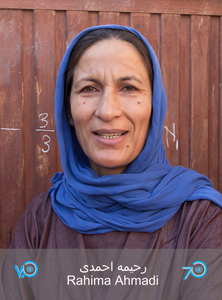
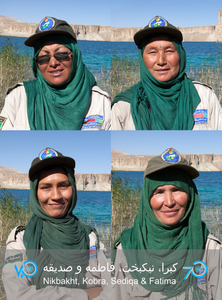
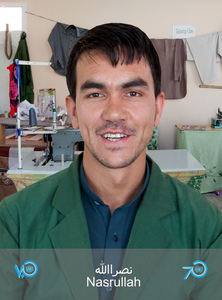
The UN70 campaign, presented through the archived UN Afghanistan website, highlighted the people and local contributions behind the organisation’s work. Its “Strong UN. Strong Afghanistan.” message offers useful context for understanding village water projects. A hand pump is not a stand-alone object delivered from outside; it is part of a community-managed water point that needs local knowledge, spare parts, safe behaviour and ongoing maintenance.
Why A Working Water Point Matters
Many Afghan communities face a difficult combination of limited infrastructure, long travel distances, poverty, displacement, drought and seasonal extremes. A village may have a groundwater source, yet still lack dependable access because the pump handle is damaged, the rising main has failed, the borehole has become contaminated or the concrete apron has cracked.
Rehabilitation addresses these practical failures. Work may include inspecting the borehole, replacing worn pump components, repairing the platform and drainage channel, improving the surrounding area, or testing the water after repairs. The goal is not simply to make water emerge from a pipe. It is to provide a source that is safer, usable in different seasons and manageable by the people who depend on it.
The distance to a water point also affects household labour. Women and girls commonly carry much of the responsibility for collecting water in rural communities, although duties vary between households and locations. A nearby hand pump can reduce carrying time and physical strain. It can also make it easier for families to collect enough water for drinking, cooking, handwashing and cleaning.
For an Australian audience, the difference is easy to underestimate. People in Sydney, Melbourne or Brisbane generally turn on a treated mains tap as part of an ordinary morning routine. Even when drought restrictions or water-saving habits shape consumption, the source is usually close, regulated and supported by established utilities. A rural Afghan village may instead rely on a single manual pump and a local repair arrangement.
How Hand Pump Rehabilitation Works
A village water point begins with assessment. Technicians and community representatives need to understand the water source, the pump type, the depth of the borehole, the history of breakdowns and the likely demand. A repair that ignores the original cause of failure may provide only a short-lived result. For example, replacing a handle without checking the pump rods or cylinder can leave the system vulnerable to another breakdown.
Common repairs involve accessible mechanical parts. These can include handles, chains, connecting rods, seals, washers, cylinders and delivery outlets. The exact components depend on the pump design and the local supply chain. A concrete slab may need rebuilding so that dirty surface water does not flow back towards the borehole. A soakage pit or drainage channel can help prevent standing water and mud around the collection point.
Water quality protection is equally important. A pump can operate perfectly while the source or surrounding area remains unsafe. Rehabilitation therefore needs attention to the sanitary seal, drainage, animal access, waste disposal and household storage practices. Water testing, where available, helps identify contamination risks and determines whether further treatment or public health advice is required.
A dependable village hand pump usually depends on:
- A sound borehole, pump cylinder and connecting rods
- A stable platform with drainage away from the source
- Accessible spare parts and trained local repairers
- Agreed rules for cleaning, use and minor fees
The arrangement should suit the setting. A technically sophisticated pump may be difficult to maintain if its parts are unavailable locally. A simpler model with familiar components can be the better choice when village mechanics, traders and transport networks can support it. Long-term reliability is often a question of maintainability rather than initial appearance.
Community Ownership And Everyday Use
Infrastructure lasts longer when users have a clear role in its care. A water committee or similar local group may help organise cleaning, report faults, collect small contributions and communicate with technicians. Such groups work best when responsibilities are understood and when women, people with disabilities, poorer households and minority groups can participate in decisions about access and payment.
Community management does not mean transferring every responsibility to villagers. Major repairs, water testing, technical supervision and emergency support may still require government departments, humanitarian agencies or specialist contractors. A realistic maintenance plan explains who responds to a broken pump, where parts are obtained and how urgent costs are covered.
Daily behaviour also influences water safety. Containers should be clean and covered, collection vessels should not be placed on contaminated ground, and children should be taught how to use the pump without damaging its moving parts. Keeping animals away from the platform protects the area around the source. Simple routines are more likely to continue when the water point is conveniently designed and users see a direct benefit.
Australian experience provides a useful comparison. Households accustomed to mains water may notice a dripping tap or low pressure, then contact a utility or plumber. In a remote Afghan village, the same problem may stop water collection for an entire community. The local market therefore matters: a nearby hardware shop, metalworker or transport operator can be as important to resilience as the original installation team.
A practical maintenance arrangement may include:
- A named person or group to report faults promptly
- A visible record of inspections and repairs
- A modest, transparent fund for routine parts
- Clear arrangements for major technical work
These measures are safeguards against a familiar problem in rural water programmes: infrastructure that is officially completed but practically abandoned after the project period. Community ownership is strongest when it is backed by training, fair access and dependable institutional support.
Water, Dignity And Local Resilience
Safe water affects more than hydration. It supports handwashing, food preparation, household cleaning and personal dignity. Where water is scarce or difficult to collect, families may have to ration these activities. Improving a village water point can therefore contribute to public health without requiring a large treatment plant or complex electricity supply.
The benefits may be especially important during displacement, return and emergency recovery. A repaired pump can help a community absorb new arrivals or recover from damage to roads, homes and public facilities. It may also reduce pressure on unsafe surface water during dry periods. Still, a hand pump is not a complete answer to Afghanistan’s water challenges. Groundwater levels, drought, floods, conflict, poor sanitation and climate variability can all undermine a local source.
Good programmes connect the water point with wider planning. This may involve hygiene promotion, sanitation improvements, catchment awareness, drought monitoring and coordination with district authorities. It also requires care with groundwater extraction. If several pumps draw from an overstressed aquifer, individual repairs may provide short-term relief while increasing longer-term risk.
The Australian context makes this balance familiar in a different form. Residents in cities such as Perth and Adelaide understand that rainfall, reservoirs, groundwater and demand management shape water security. Australian households may install low-flow showerheads, follow seasonal restrictions or collect rainwater, while farmers and regional towns plan around dry years. The technical circumstances differ greatly, yet the principle is shared: water infrastructure must be matched to the limits of the source.
Australian legislation also reflects the importance of responsible water management. The Water Act 2007 provides a national framework for managing water resources in the Murray–Darling Basin, while state and territory rules govern many local water, public health and plumbing matters. These systems cannot simply be transplanted to Afghanistan, but they illustrate why water access involves regulation, monitoring and public accountability as well as physical construction.
What The Archived UN Campaign Helps Explain
The UN70 material on UN Afghanistan was created for a completed campaign and is now an archived snapshot rather than an active project portal. Its photographs, messages and profiles present a public record of the UN’s relationship with Afghan communities. They should be read as campaign communication, not as a current directory of services, live funding opportunities or up-to-date operational information.
That distinction matters when examining village water work. Campaign stories often focus on visible outcomes: a repaired pump, a family collecting water, or a local worker describing change. The deeper work is less visible. It includes procurement, technical assessment, safeguarding, water-quality checks, community consultation, transport, security planning and coordination between agencies.
The campaign’s central idea remains relevant. A strong international organisation depends on local relationships, while a strong community needs services that can function beyond a single project cycle. Hand pumps represent this connection in a very direct way. International support may provide finance, technical knowledge and coordination; Afghan residents contribute local judgement, labour, oversight and knowledge of what the community can sustain.
Readers in Australia can approach archived UN material with the same care used when assessing any development story. Look for the location, date, implementing partners, evidence of maintenance and the limits of the claim. A photograph can show that a water point exists, but it cannot by itself prove water quality, year-round reliability or equal access. Those questions require monitoring and current local information.
The Australian aid and development sector also recognises the value of durable partnerships. Organisations working with communities in the Pacific, Southeast Asia and humanitarian settings increasingly measure success through local capability, inclusion and sustainability rather than construction alone. The lesson from village hand pumps is straightforward: a modest asset can have lasting value when the surrounding system is designed to keep it working.
A responsible reading of the UN’s water-point rehabilitation work keeps several facts in view:
- A repaired pump needs inspection and maintenance after handover
- Safe collection depends on the source and the surrounding environment
- Community participation must include people with different needs
- Archived campaign information should be checked against current sources
The strongest account is therefore neither romantic nor dismissive. A hand pump cannot resolve every water, poverty or climate problem, but a reliable village water point can remove a serious daily barrier. Its value is measured through safe use over time, not merely through installation.
The story of rehabilitated hand pumps invites practical attention to the systems behind essential services. Supporters, researchers, educators and community organisations can use archived UN Afghanistan materials alongside current UN, government and humanitarian sources to learn how water projects are planned, maintained and evaluated. Sharing accurate information and backing locally led, accountable water programmes helps turn a visible repair into lasting public benefit.