
Making a Difference

Training Afghan Teachers For Inclusive Education
Teacher training is one of the most practical ways to make education more inclusive for children with disability in Afghanistan. A trained teacher can recognise different learning needs, adapt a lesson, reduce stigma and create a classroom where a child is valued rather than hidden or excluded.
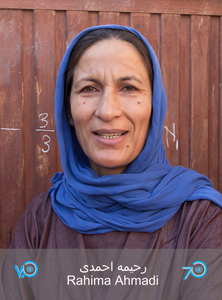
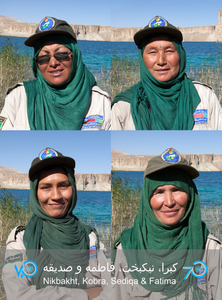
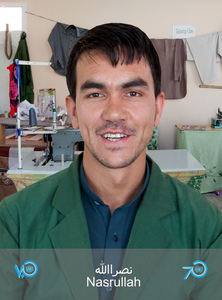
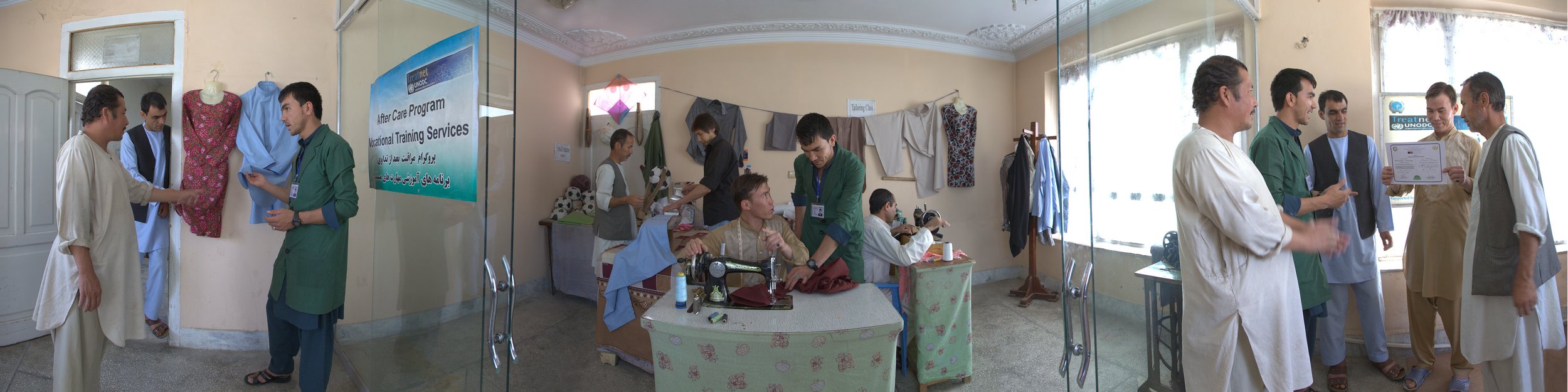
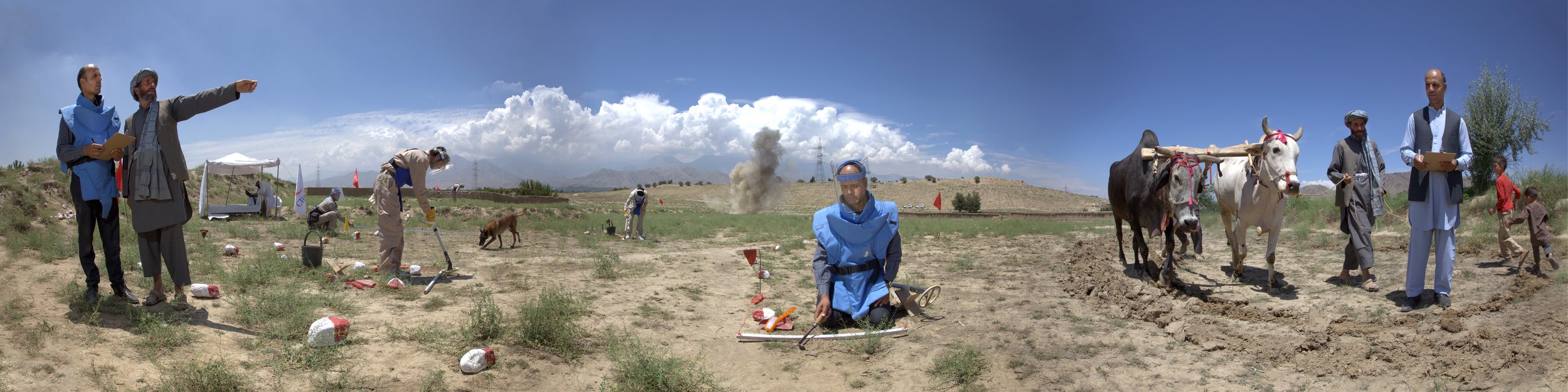
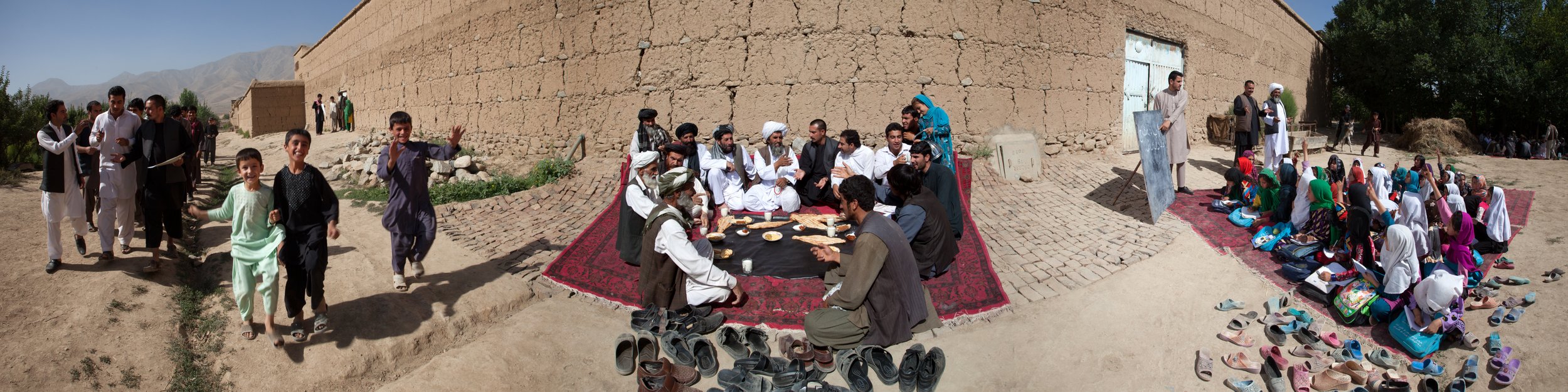
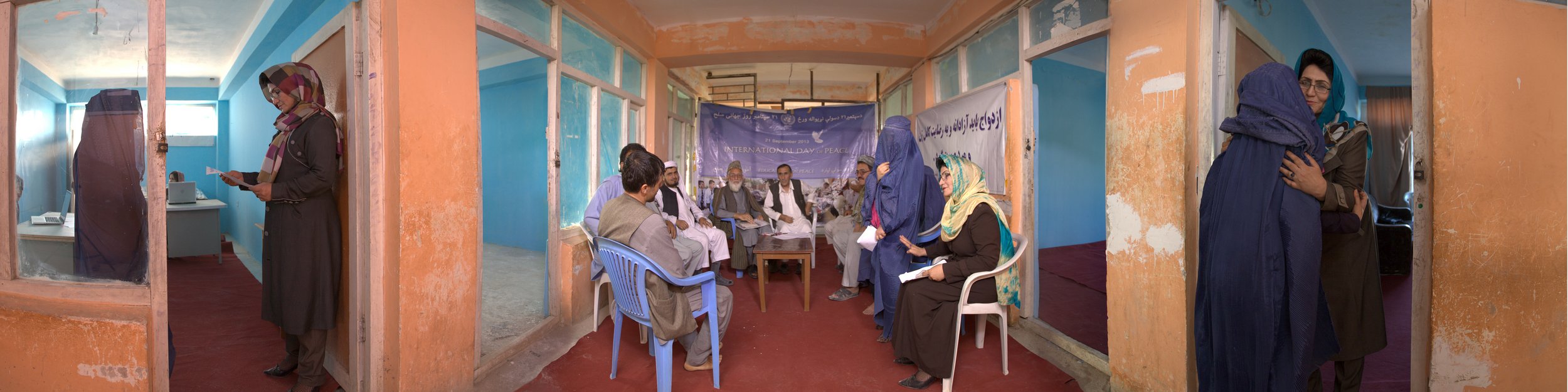
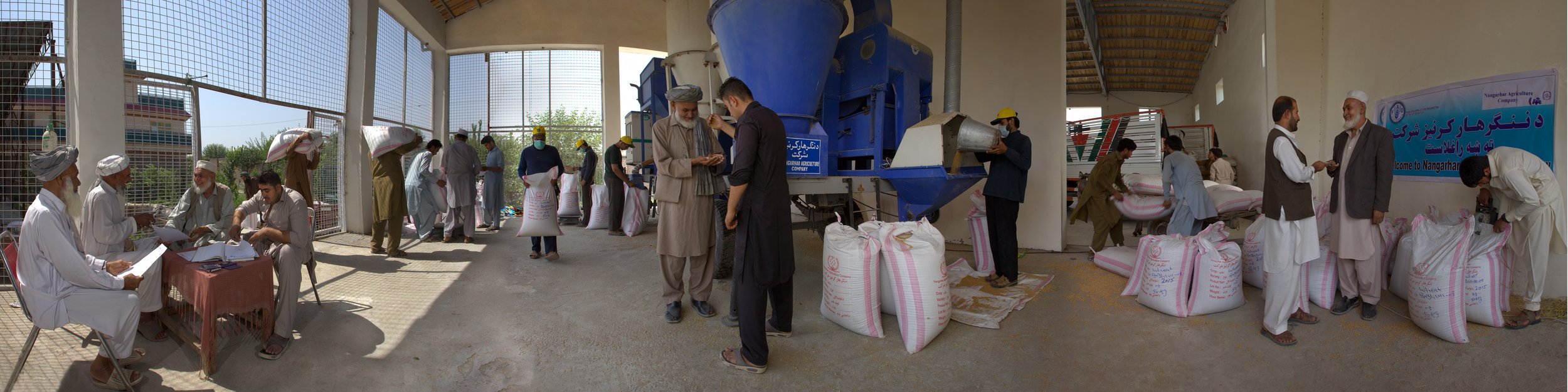
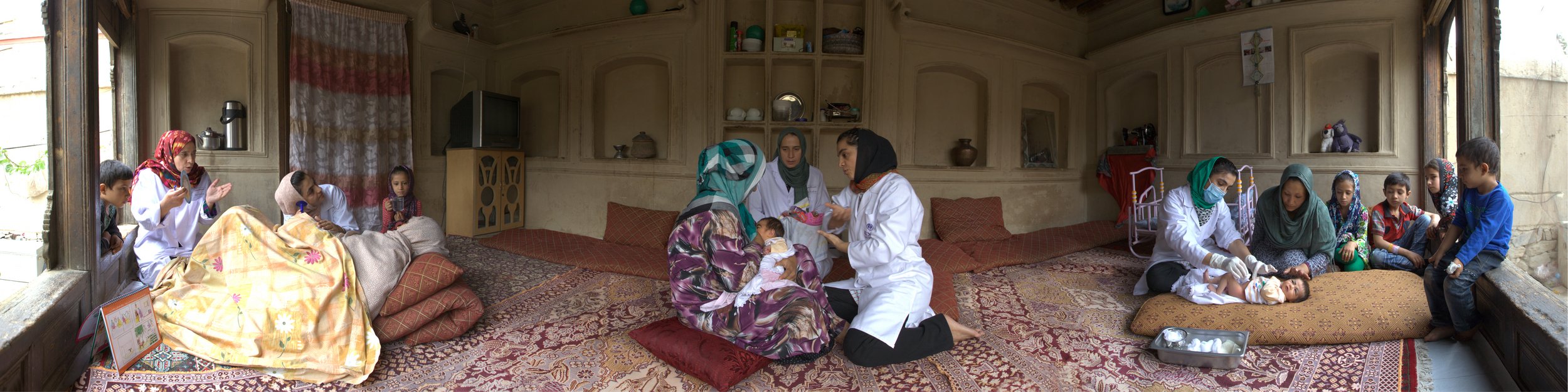
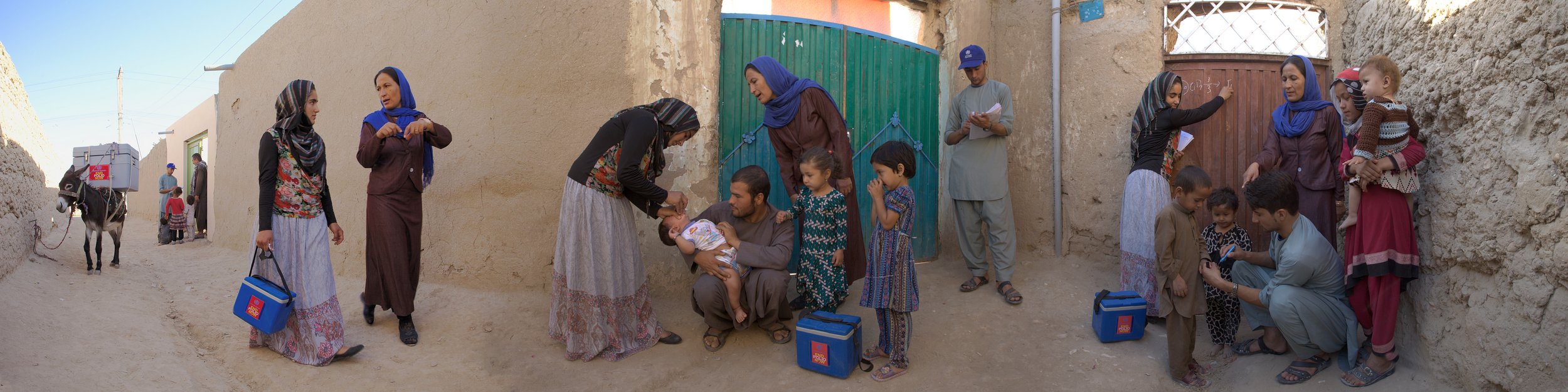
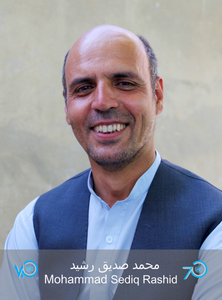
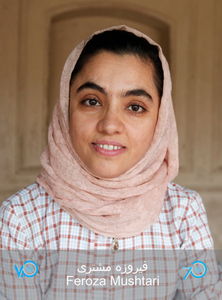
The United Nations’ work in Afghanistan has often connected education, human rights, community participation and essential services. Its public campaigns, including the archived UN70 “Strong UN. Strong Afghanistan.” initiative, highlighted Afghan people contributing to their communities. The stories offer useful context for understanding education as a shared responsibility rather than a service delivered from outside.
For Australian readers, the issue also connects with familiar debates about school access, teacher workload and reasonable adjustments. A classroom in Kabul, Herat or a remote Afghan district cannot simply copy a school in Sydney or Melbourne, yet the principles of dignity, participation and accessible learning can travel across borders.
Why Teacher Training Matters
A child with a physical, sensory, intellectual or psychosocial disability may face several barriers before reaching a classroom. The school may be far from home, transport may be unsafe or unaffordable, and buildings may have stairs, narrow doorways or inaccessible toilets. Families may also fear discrimination or believe that formal education will offer little benefit.
Teachers are often the first education professionals able to challenge these barriers. Training can help them identify when a child needs a different explanation, extra time, a peer support arrangement or a safer route through the school. It can also discourage harmful assumptions, such as treating disability as an inability to learn.
In Afghanistan, teacher preparation must respond to local conditions. Many schools operate with limited materials, crowded rooms and interrupted attendance. Some teachers work in communities affected by displacement, poverty or conflict. Inclusive education training therefore needs to be practical, low-cost and adaptable, rather than dependent on specialist equipment that a school may never receive.
Building Inclusive Classroom Practice
Effective professional development begins with the ordinary work of teaching. A facilitator might show teachers how to break instructions into smaller steps, use pictures alongside spoken explanations, check understanding in several ways and allow learners to demonstrate knowledge through speech, drawing or practical activity.
Universal design for learning is useful here because it encourages teachers to plan for difference from the beginning. Instead of creating one lesson and adding an adjustment after a child struggles, educators can prepare several ways to access information and participate. This may include large, clear writing, tactile objects, paired work, repetition and flexible seating.
Training should also cover classroom language and behaviour. A teacher who uses respectful terms, prevents bullying and gives a disabled pupil meaningful responsibilities changes the social atmosphere for everyone. Classmates learn that support is part of community life, not a reason to isolate someone.
Classroom Adjustments That Use Few Resources
- Seat learners where they can see and hear the teacher clearly
- Use locally available objects, drawings and demonstrations
- Pair spoken instructions with gestures, images or written keywords
- Allow additional time for reading, writing and movement
Skills Teachers Can Practise Together
- Identifying barriers in a typical classroom
- Adapting one lesson for different learning needs
- Working respectfully with families and community leaders
- Recording progress without labelling a child by impairment
Listening To Afghan Communities
Inclusive education cannot be designed only in a ministry office or international meeting room. Parents, disabled people’s organisations, teachers, school leaders and children themselves understand local barriers in ways that outside agencies may not. Their knowledge can reveal why attendance drops, which routes are safe and what kinds of assistance families consider acceptable.
Community consultation is particularly important for girls with disability. A family may be concerned about privacy, safety, transport or the availability of female teachers. A programme that treats enrolment as a simple administrative target may overlook these concerns. Training should help teachers communicate with families patiently and respectfully, without demanding that parents become education specialists.
The United Nations system can support this process by bringing partners together and promoting rights-based standards. The Convention on the Rights of Persons with Disabilities, the Convention on the Rights of the Child and Sustainable Development Goal 4 all reinforce the idea that education should be inclusive and equitable. Local participation determines how those commitments work in a particular district.
Designing Accessible Learning Materials
Teacher training is stronger when it includes accessible teaching and learning materials. A child with low vision may benefit from larger print and strong contrast. A deaf or hard-of-hearing learner may need visual instructions, consistent signs or a clear view of the teacher’s face. A child with a learning difficulty may need shorter passages, repeated practice and explicit vocabulary.
In Afghanistan, materials need to reflect language diversity and the resources available to schools. Dari and Pashto are widely used, while other communities may use additional languages. A translated worksheet is not automatically accessible if its text is dense, its type is tiny or its examples are unfamiliar. Pictures, stories and practical tasks should reflect Afghan homes, landscapes and daily life.
Digital tools can help, but they are not a universal solution. Internet access, electricity, device ownership and teacher confidence vary greatly. Printed resources, radio, audio files shared offline and reusable classroom cards may be more dependable in some districts. Training should therefore teach teachers how to select and adapt materials, not simply how to operate a particular platform.
Supporting Teachers Beyond Workshops
A short workshop can introduce inclusive methods, but sustained support is needed for those methods to become routine. Teachers benefit from coaching, peer observation, lesson planning groups and simple guidance from school leaders. They need time to discuss what worked, what failed and how a child’s participation is changing.
This is relevant to Australia as well. A teacher in a Melbourne primary school may consult an inclusion coordinator, while a teacher in a remote Northern Territory community may have fewer specialists nearby. In both settings, professional learning is more useful when it is connected to real pupils and followed by practical support. The same principle applies to Afghan teachers, although resources and institutional structures differ.
Training programmes should also protect teachers from unrealistic expectations. A classroom teacher cannot replace a physiotherapist, audiologist, psychologist or social worker. Referral pathways matter, but they must be realistic in places where specialist services are scarce. A clear system for identifying needs and seeking help is more valuable than promising every child an intervention that cannot be delivered.
Lessons For Australian Schools And Partners
Australia has its own legal and practical framework for inclusive education. The Disability Discrimination Act 1992 and the Disability Standards for Education 2005 establish duties around access, participation, curriculum and support. The Nationally Consistent Collection of Data on School Students with Disability also shapes how schools identify and discuss adjustments.
The National Disability Insurance Scheme has changed how many Australian families think about individual supports, although it does not replace a school’s responsibility to provide education. Schools in Sydney, Brisbane and Melbourne may coordinate with families, allied health providers and support staff, while schools in regional or remote communities often face recruitment and travel constraints.
Everyday routines expose the importance of inclusion. A child arriving on a crowded morning bus, joining a school assembly, using a canteen or attending a parent-teacher meeting may encounter barriers that are invisible in a policy document. These experiences can help Australian educators understand why Afghan teacher training must address the whole school environment, not only lesson content.
The local market matters too. Australian schools purchase accessible software, captioning services, modified furniture, communication devices and professional development. Cost, procurement rules and staff capacity influence what is adopted. Afghan programmes may rely more heavily on low-cost and locally produced resources, but the shared lesson is clear: accessibility has to be affordable, maintainable and suited to everyday use.
Measuring Change With Care
Participation is a central measure of inclusive education. It is not enough to count how many teachers attended a workshop or how many children were registered at a school. Programmes should examine whether disabled children attend regularly, take part in classroom activities, feel safe and make progress in ways that match their circumstances.
Useful evidence can include attendance records, teacher observations, family feedback, learner work and school accessibility reviews. Data should be disaggregated where safe and practical, while protecting children’s privacy. A child should not be reduced to a diagnosis or used as a statistic without consent and safeguards.
Evaluation also needs patience. In a disrupted education system, attendance may be affected by seasonal work, displacement, household income, weather or local security conditions. A fall in attendance does not automatically prove that a teacher failed, just as enrolment does not prove that inclusion succeeded. Careful interpretation helps organisations improve training rather than punish schools for circumstances beyond their control.
Linking Rights, Teaching And Community Action
The strongest approach joins teacher development with accessible buildings, safe transport, appropriate materials and family engagement. If a teacher learns inclusive classroom strategies but a child cannot enter the school, training alone cannot deliver equal education. If a ramp is built but teachers are not prepared to include the learner, infrastructure alone is insufficient.
UN-supported education work can help connect these areas through partnerships with Afghan institutions, civil society groups and communities. The emphasis should remain on national ownership and local knowledge. International agencies can contribute technical expertise, funding and coordination, while Afghan educators and families determine what is workable and culturally appropriate.
The archived UN70 campaign provides a useful reminder of the value of personal stories. A photograph or profile of an Afghan teacher, student or community member can make broad commitments tangible. The deeper message is that inclusive education is built through many practical decisions: who is welcomed, who is heard, how a lesson is explained and whether a child is expected to participate fully.
Australian educators, disability advocates and organisations working across the Asia-Pacific can support this vision by sharing evidence-based practice, funding locally led initiatives and learning from Afghan partners. Engagement should avoid exporting a fixed model. It should strengthen the capacity of teachers and communities to create solutions that fit their schools.
Inclusive teacher training gives children with disability a better chance to learn, form friendships and contribute to community life. It also improves teaching for the whole class by encouraging clarity, flexibility and respect for different ways of learning.
Support organisations that place disabled people and local educators at the centre of programme design. Share reliable resources through professional networks, include accessibility in school partnerships and keep the right to education visible in policy and community conversations. Small, sustained commitments can help turn inclusive education from a formal promise into daily classroom practice.