
Making a Difference

School Water Filters And A Safer Future For Afghan Students
For a child, access to clean drinking water can shape an entire school day. A working filter beside a classroom or schoolyard tap can reduce the need to carry water from home, help students stay hydrated and give families greater confidence in the school environment. In Afghanistan, where many communities face damaged infrastructure, drought and limited public services, a modest water treatment project can carry substantial practical value.
The Afghan school water filter initiative reflects a wider United Nations approach: support communities with useful infrastructure while placing local people at the centre of recovery. Safe water is connected to attendance, health, dignity and learning. When students can fill a bottle at school without worrying about contamination, teachers have a stronger foundation for maintaining a healthy learning space.
This work also illustrates why the UN’s partnership with Afghan communities matters. A filter is a physical object, yet its success depends on training, maintenance, reliable water sources and community ownership. The campaign’s stories of Afghan individuals and local contributions help show that development is built through shared responsibility rather than delivered as a distant, one-way service.
For readers in Australia, the issue may seem far removed from daily life in Sydney, Melbourne or Brisbane, where treated tap water is usually available at home and school. It becomes more familiar when considered alongside refill stations, drought restrictions, remote community infrastructure and the expectation that public facilities should meet clear health standards. The Afghan experience offers a useful way to understand how water security begins with dependable systems.
Why Safe Water Matters At School
Students need regular access to water for concentration, physical comfort and basic health. In hot conditions, dehydration can cause tiredness, headaches and difficulty focusing. Children who are uncertain about the quality of available water may drink less, share unsafe sources or leave school to collect water. These pressures can interfere with attendance and learning, especially for girls and younger students.
A school water filter can address part of this problem by treating water at the point where students use it. The technology may vary according to the source and the contaminants involved. Ceramic filtration, membrane systems, activated carbon and other treatment methods each have different strengths. A suitable system must be selected after examining the local water supply rather than assuming that one product will work everywhere.
The filter also has a social purpose. A visible, shared water point can make hygiene and safe drinking practices part of school life. Students can learn why containers should be kept clean, why filters require care and how water quality affects their families. This practical knowledge can travel beyond the school gates, particularly when students explain safe practices at home.
In Australia, many children refill reusable bottles from bubblers or filtered stations before sport and during class breaks. That habit depends on trust in public water infrastructure and on routine cleaning. Afghan schools receiving water treatment equipment require the same confidence, even where the surrounding conditions are far more difficult.
How A Filter Becomes A Working Service
Installing equipment is only the beginning. A reliable school water system needs a clean intake point, suitable storage, protected taps and a plan for replacing cartridges or repairing parts. If a filter becomes blocked and nobody knows how to service it, students may quickly return to an unsafe source. Maintenance arrangements should therefore be agreed with school staff, families and local authorities before the system is handed over.
Training is particularly important in places where spare parts may be difficult to obtain. Local caretakers can be shown how to clean components, identify reduced flow and record servicing dates. Simple instructions in appropriate local languages can make equipment easier to use. The goal is a system that can be managed locally, rather than one that depends permanently on technicians travelling from a regional centre.
Water testing provides another layer of protection. Testing can help identify whether the main concern is bacteria, sediment, salts or another contaminant. A filter designed to improve taste may not remove pathogens, while a system intended for microbial treatment may require electricity, pressure or careful disinfection. Good projects match the treatment method to the actual risk and verify performance after installation.
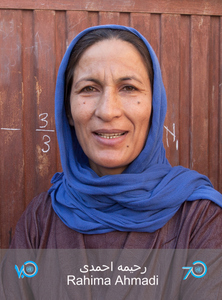
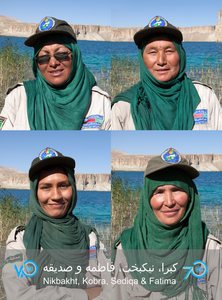
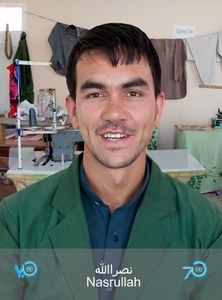
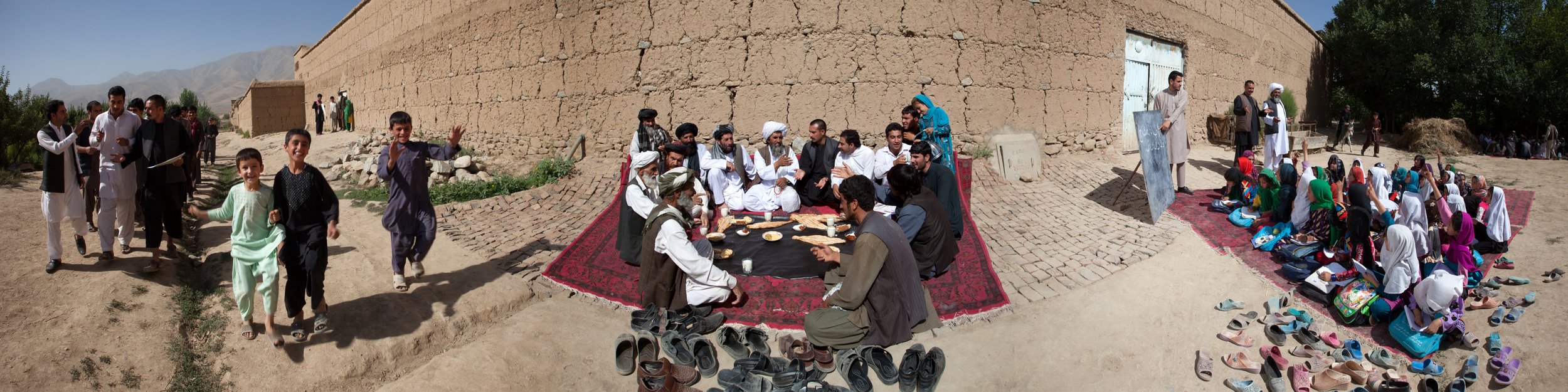
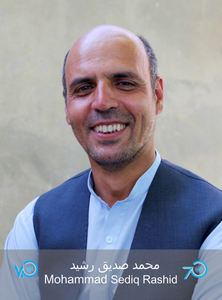
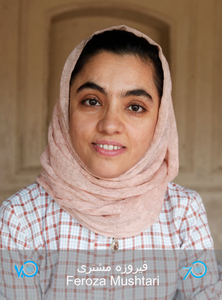
The wider UN partnership model is relevant here because community consultation can reveal issues that a technical assessment misses. A school may have a filter but no secure storage room, a bore that dries during summer or a water point located too far from younger students. The archived UN Afghanistan campaign provides context for this community-centred work and for the Afghan voices associated with the UN70 message.
The Human Benefits Behind The Hardware
Clean water can reduce one everyday reason for missing school. Families may feel more comfortable sending children to a school that offers a protected drinking supply, especially when the alternative is an uncertain source along a busy route or a long walk. A dependable water point can also reduce the burden placed on children who help collect water for their households.
The benefits can be especially significant for girls. Adequate water, sanitation and hygiene facilities support dignity and participation during the school day. Water access is only one part of a safe education environment, yet it contributes to the broader conditions that enable girls to attend regularly and remain engaged with lessons.
Students can also become advocates for healthy habits. Teachers may incorporate handwashing, safe storage and water conservation into science or health lessons. Children who understand how contamination occurs are better placed to protect drinking water at home. In this way, a school filter can become a teaching tool as well as a treatment device.
For Australian audiences, the comparison is visible in school hydration policies and the routine expectation that children bring a filled bottle during hot weather. In Adelaide, Perth or regional New South Wales, water conservation messages are often part of everyday life because households understand the pressure of dry conditions. Afghan schools show how water education becomes even more urgent when a safe supply cannot be taken for granted.
What Makes The Approach Sustainable
Sustainability involves finance, governance and local confidence. A school committee may need a small budget for replacement parts, while district authorities may need to include water testing in their regular responsibilities. Community members can help monitor the system, report damage and decide how access is managed during school breaks or public events.
Projects should also consider the market in which they operate. A low-cost filter that cannot be repaired locally may be less valuable than a slightly more expensive model with available parts and trained suppliers. Transparent purchasing, clear quality requirements and fair contracts can help prevent schools from receiving equipment that is difficult to maintain.
Australian procurement offers a useful point of comparison. Schools and public facilities commonly look for products that meet recognised standards, carry appropriate certification and can be supported by an established supplier. WaterMark certification is relevant to many plumbing products in Australia, while the Australian Drinking Water Guidelines provide a national reference for water quality management. These systems do not transfer directly to Afghanistan, but they demonstrate why safety claims need technical evidence and accountable oversight.
The legal setting also differs. Water and public health responsibilities in Australia are shared across federal, state and territory authorities, with local rules applying to schools, plumbing work and facility management. A project in Afghanistan must work within its own administrative and community structures. Respecting those structures helps make a filter part of a functioning service instead of an isolated donation.
Practical Features Worth Protecting
- A tested water source and treatment method suited to local contamination risks
- Secure storage tanks, covered taps and clean collection containers
- Local caretakers trained to clean, inspect and repair the equipment
- A replacement schedule supported by realistic funding and suppliers
When these elements are planned together, the project has a better chance of lasting beyond an initial installation visit. Sustainability is measured by whether students can still access safe water months and years later, not by how many devices were distributed on launch day.
What Australian Readers Can Learn From The Story
The Afghan school water filters show that water security is both a public health concern and a development priority. Australia has extensive treatment networks, but access is not identical in every setting. Remote communities, drought-affected regions and facilities with ageing infrastructure may face different challenges from households connected to metropolitan systems.
Daily habits also reveal the value of reliable access. Australians often carry reusable bottles, use filtered jugs and refill at work, school or sporting grounds. The local market reflects this demand through household filtration products, bottle-filling stations and water-saving equipment. Those choices are useful when they complement safe mains water, but they do not replace proper testing, maintenance or public oversight.
The Afghan experience encourages a more careful view of technology. A filter should be judged by the problem it solves, the people who operate it and the system that supports it. A device can improve taste, reduce some contaminants or make water safer for drinking, but its performance depends on design, upkeep and the quality of the incoming supply.
Signs Of A Responsible School Water Project
- Students and families are involved in deciding where and how water is provided
- Staff know who checks the system and when maintenance is due
- Water quality is monitored with methods appropriate to the local risks
- The project links drinking water with hygiene, attendance and education
These principles apply well beyond Afghanistan. They can guide decisions about a regional Australian school, a community centre in Western Australia or a humanitarian programme in another country. The central lesson is straightforward: safe water lasts when people, equipment and institutions are planned as one service.
A school filter may look small beside the scale of Afghanistan’s wider needs, but its value is measured at the point of use. It can help a student drink safely, remain in class and carry practical knowledge home. Supporters can help sustain this kind of community-focused work by learning from verified UN reporting, sharing credible stories and backing programmes that combine infrastructure with local training and accountability. The strongest water projects leave behind more than equipment: they leave communities better prepared to protect health and keep children learning.