
Making a Difference

Desks and Chairs for Afghanistan’s Rural Classrooms
Rural schools in Afghanistan can sit far from the nearest large town, and that distance shapes what children can do in a classroom. Books arrive in bundles, teachers improvise with crowded benches, and a pupil without a suitable place to write may struggle through every lesson. The UN’s Afghan School Furniture Program focused on supplying desks and chairs for rural classrooms, helping schools give learners a more stable setting for study.
Simple objects can carry a substantial responsibility. Properly sized furniture gives a child room to spread out a book, finish a worksheet and sit comfortably while a teacher explains a lesson. It also makes classrooms easier to organise. Yet furniture must survive long journeys, muddy access roads and severe weather, while remaining repairable within the community. The program shows how education support becomes most useful when logistics, local knowledge and children’s daily needs are considered together.
Why the right furniture matters
Classroom furniture affects participation before a teacher opens a book. A chair that is too high can make it hard to keep both feet on the floor; a desk set at the wrong height can force a child to lean, copying classmates rather than concentrating on the task. Children may also need space to reach materials, move between seats and write without disturbing others. These are small design details with large consequences for attention and comfort.
Desks and chairs also establish a child’s place in the learning environment. Having a place to keep a pencil case and a notebook signals that schoolwork matters, while a crowded room can make children feel that they are in the way. The aim is not to make rural classrooms look like furniture showrooms. It is to provide durable, age-appropriate equipment that lets more pupils engage with a lesson and gives teachers a practical basis for managing a class.
That matters across primary and secondary education, particularly where one chair or desk may be shared by more than one child during a shift. Furniture can support a teacher’s lesson plan, but only if it is usable throughout the school day. Children with different heights need options, and classroom layouts must leave room for safe movement. Well-chosen school furniture turns an empty floor into a place where learning can happen.
Getting desks and chairs to rural schools
The most important chair in Afghanistan is sometimes the one that never reaches the school. Delivery can involve several modes of transport, from a supplier in a regional centre to a truck or vehicle able to handle an unpaved road. Heavy bundles are difficult to load, and a consignment may need to wait for weather, security conditions or an agreed handover point. Distribution planning is therefore part of educational support, not an afterthought.
Local and district-level coordination helps close those gaps. Schools can identify priority classrooms and confirm the number of pupils and desks required, while administrators coordinate storage and transport schedules. A central warehouse may be useful, but a practical system also allows smaller deliveries to continue when a large shipment is delayed. Teachers and community representatives can help check that the furniture matches the rooms where it will be used.
Arrival is only one milestone. Furniture often needs assembly, and a damaged chair may be left unused if nobody has the tools or know-how to repair it. Clear instructions, spare fasteners and access to local craftspeople can extend the life of each item. A maintenance plan can also establish a simple routine: tighten fittings, replace a missing part and record persistent problems before they affect an entire class.
Building furniture that can last
Rural furniture must be built for local conditions. Timber may need to withstand heat, cold, dust and damp, while finishes should be suitable for a classroom where many hands and shoes will make contact with them. Any design should balance strength with weight, because a desk that cannot be moved by two people may remain in a truck. Local joiners understand the materials and working conditions better than a distant catalogue.
Equipment also needs to fit the school’s timetable. Some classrooms serve several grades, so identical sets may not suit every child. A mix of desk and chair sizes, including lower furniture for younger pupils, allows schools to adapt as cohorts change. Shared tables can offer flexibility, but the space around them must still support clear working areas. Practical layouts also preserve routes to doors, windows and learning materials.
Repairability is a lasting form of value. Bolts, screws and replaceable parts can be more useful than a complex fitting that a village workshop cannot source. Smooth, durable surfaces are easier to clean, an important point in classrooms serving young children. Before furniture is delivered, schools and suppliers can agree on simple care guidance in the languages teachers and families use, helping equipment stay functional beyond its first term.
Local production and stronger communities
When furniture is made or finished close to the school, benefits can remain in the local economy. Skilled craftspeople and small suppliers may gain income, while transport distances and some costs fall. A local approach also creates a direct link between the people building the desks and the people who will use them. Feedback can move quickly from a classroom to the workshop, improving dimensions, finishes and fittings with each batch.
Procurement should still meet clear standards for quality and safety. Timber should have traceable sources, and any coatings or adhesives must be appropriate for children’s environments. Money saved through local production should not come at the expense of working conditions or materials that cannot last. The strongest model treats local makers as partners with knowledge, rather than simply as low-cost suppliers.
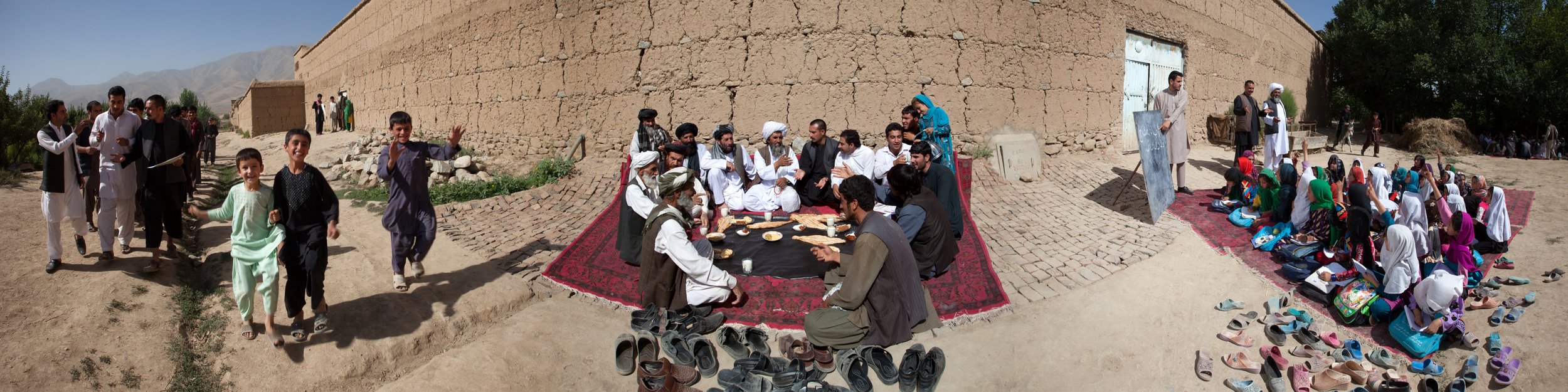
UN work in Afghanistan has placed community partnership at the centre of its engagement, and the furniture program reflects that practical focus. The wider Strong UN. Strong Afghanistan. campaign highlighted Afghan expertise and contributions through stories and photographs. This perspective matters: communities are not simply recipients of imported objects. They are partners in deciding which classrooms need support, what will work in daily use and how resources should be managed.
A seat for every learner
An appropriate seat is particularly important for girls. In communities where gender norms influence school attendance, a safe, well-equipped classroom can help girls participate with confidence, although furniture alone cannot remove wider barriers. Families may also need assurance that schooling is compatible with local expectations. Sensitive engagement with parents, teachers and students is therefore as important as the quality of the chair itself.
Inclusive provision means looking beyond a single standard size. Children with disabilities may need desks at an accessible height, a stable chair with appropriate support or a layout that makes it easier to move around the room. Teachers can help identify practical adjustments, and local consultation can reveal needs that a distant purchasing list would miss. A desk and chair should enable participation, not create a new obstacle.
Young children also learn through movement and shared activity. Some furniture can be arranged for group work, while individual desks support writing and reading. Rooms need enough space for pupils to retrieve books and reach shared materials without pushing tables together. Attentive teachers can adapt these arrangements, but the starting point should be furniture that is stable, easy to use and simple to rearrange.
What Australian communities can do
Australian readers may recognise the ordinary school-run routine in Melbourne: a morning drop-off by car or tram, a child carrying a bag and lunch, and classroom furniture that is expected to be there. Used desks and chairs can also be seen in Sydney second-hand shops and community reuse programs. These familiar scenes show why furniture matters, while also revealing a difference. Equipment that is surplus in one city may not suit a distant rural Afghan classroom.
Trade and logistics require the same care. Cargo arriving through Brisbane faces customs procedures and Australian biosecurity requirements, including rules for timber and wooden packaging. Across Western Australia, including remote communities outside Perth, long distances can shape the price and availability of school supplies. Australian buyers accustomed to regular deliveries should consider whether bulky furniture is the most useful form of support, compared with funding local manufacture, repair or carefully planned procurement.
Charitable giving has a legal framework. In Canberra, charities operating under the Australian Charities and Not-for-profits Act 2012 must apply their resources to their stated purposes, and those seeking tax-deductible overseas relief donations may need Deductible Gift Recipient status. For Australian companies, the Modern Slavery Act 2018 can create reporting obligations around supply-chain risks once relevant thresholds apply. These rules make transparency about materials, labour and purchasing more than good messaging.
Take action for safe, dignified learning
The most effective response is to connect attention with practical help. Read the archived UN Afghanistan material from the Strong UN. Strong Afghanistan. campaign, share the stories of Afghan children, teachers and craftspeople, and support credible Afghan-led or UN-linked education initiatives that reflect locally identified priorities. If you donate money or furniture, check the organisation’s needs first. Many programmes need funding for procurement, transport, assembly and repairs more than they need an unsolicited shipment.
Take the next step at a local level too: ask your school, community centre or workplace about a fundraiser for safe learning spaces, or invite an Afghan community organisation to speak about the challenges it faces. Keep the focus on durable equipment, decent work, safe classrooms and equal participation. A desk and chair may be modest pieces of furniture, but together they give a child a place to learn and a classroom a stronger foundation.