
Making a Difference
Clean water, soap and dignity in Afghanistan
Clean water, soap and safe sanitation shape everyday survival in Afghanistan. A child who washes with soap has a better chance of avoiding diarrhoeal disease, while a household with a working toilet and protected water source faces fewer routes to infection. These basics are unevenly available in remote villages, informal settlements and areas affected by conflict or displacement, where families may collect water from contaminated sources or share inadequate facilities. Public health campaigns work best when they combine practical instruction with equipment, reliable supplies and services that continue after the publicity ends.
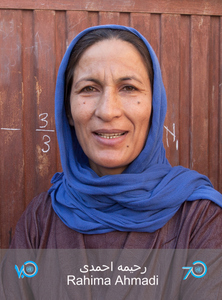
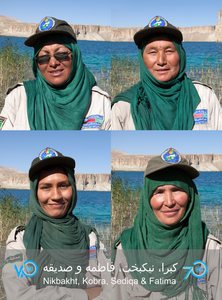
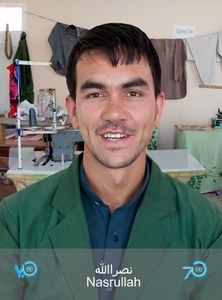
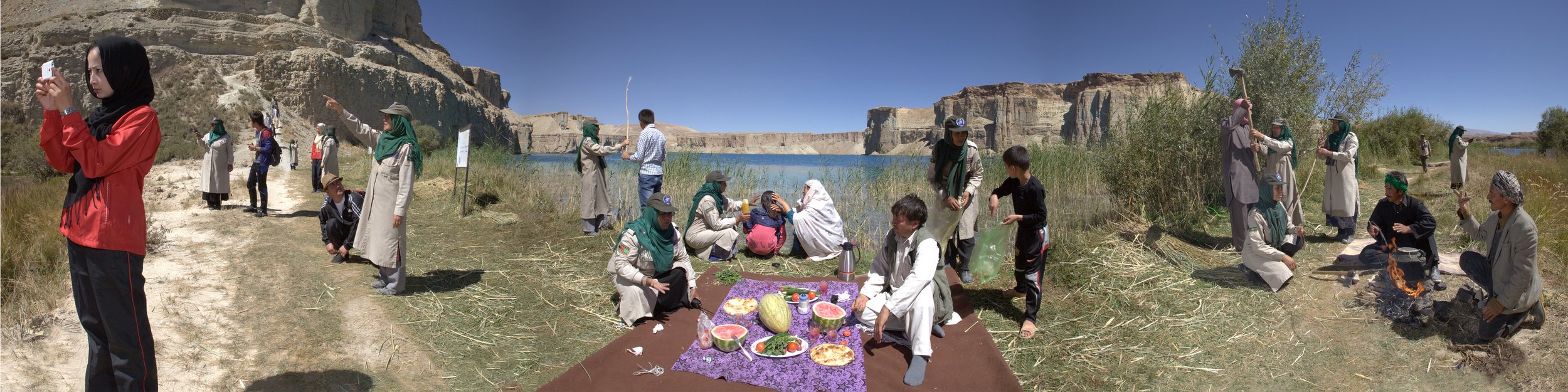
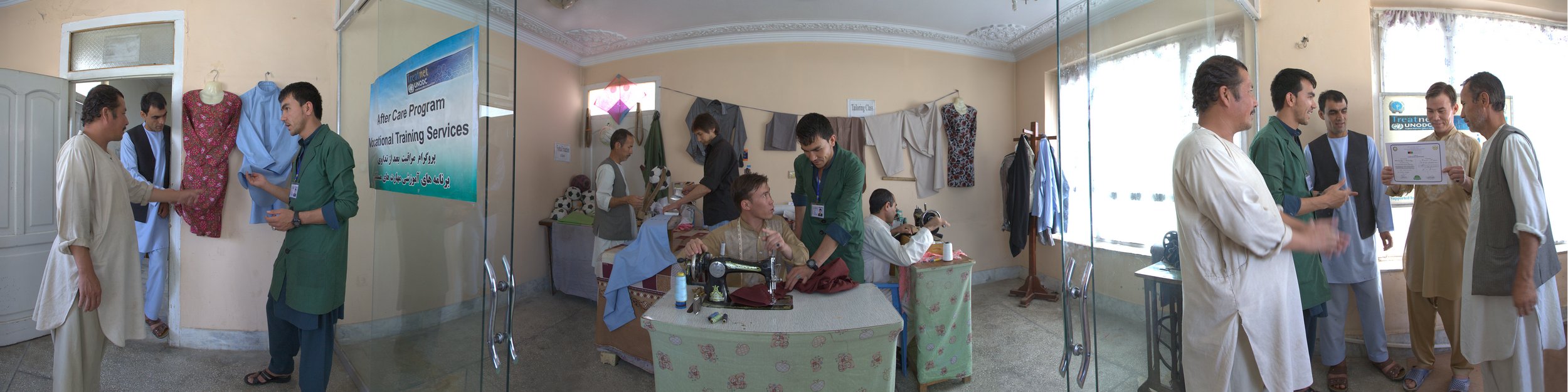
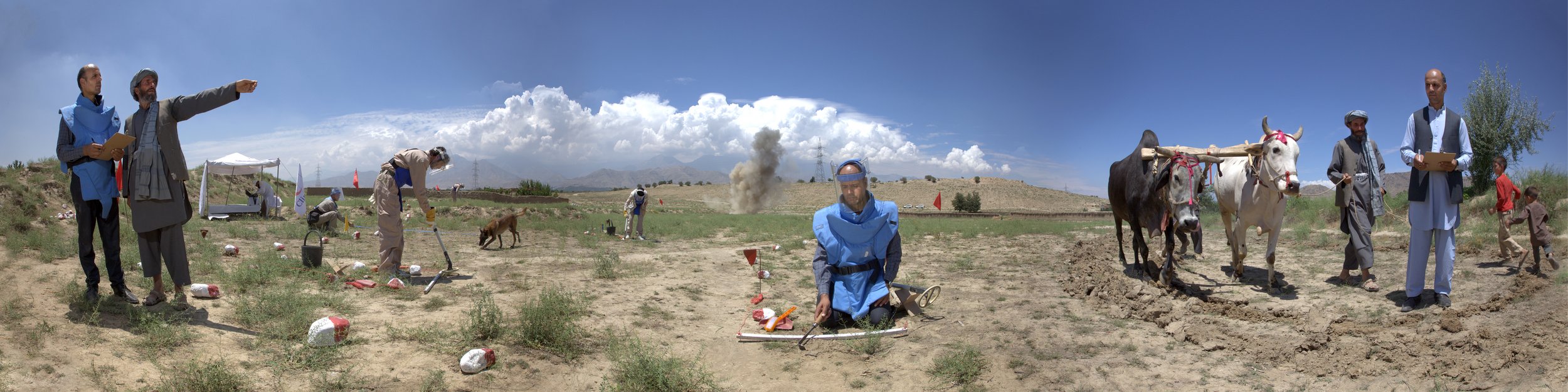
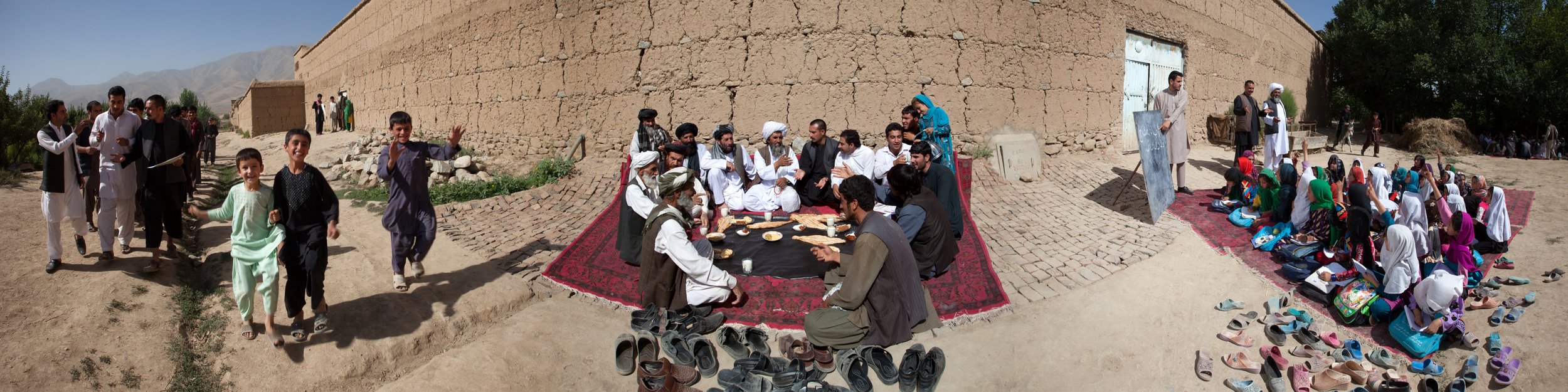
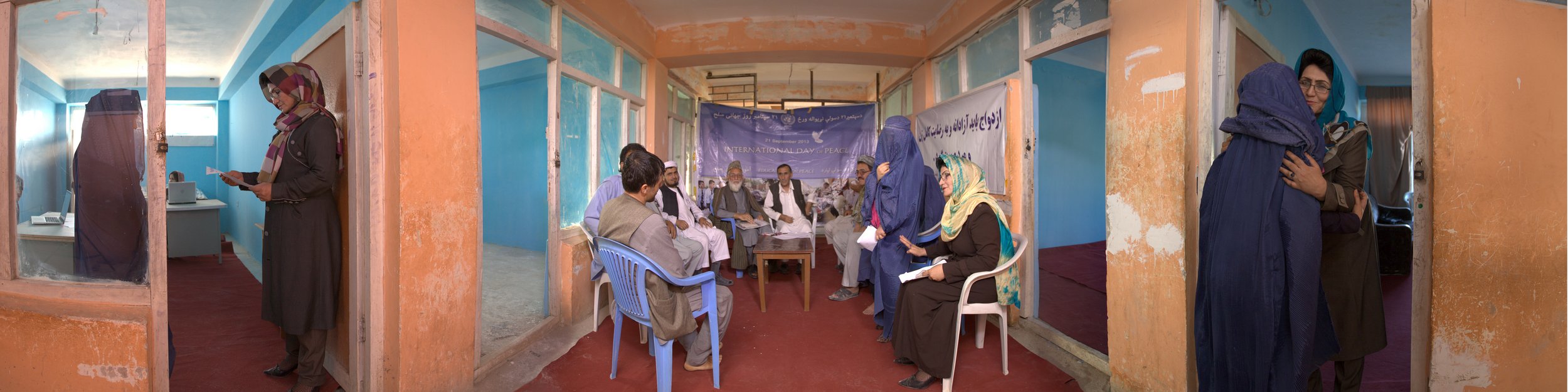
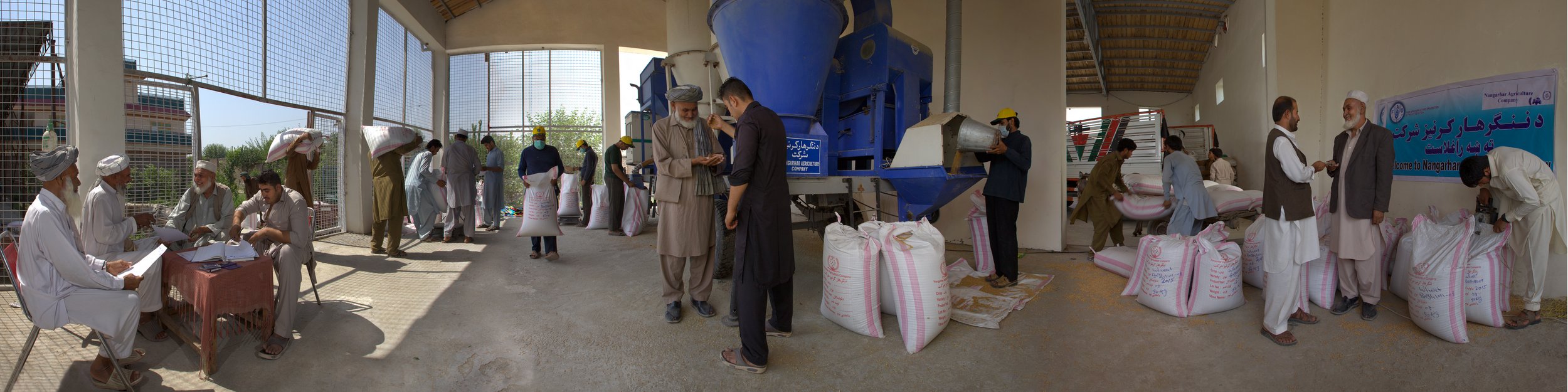
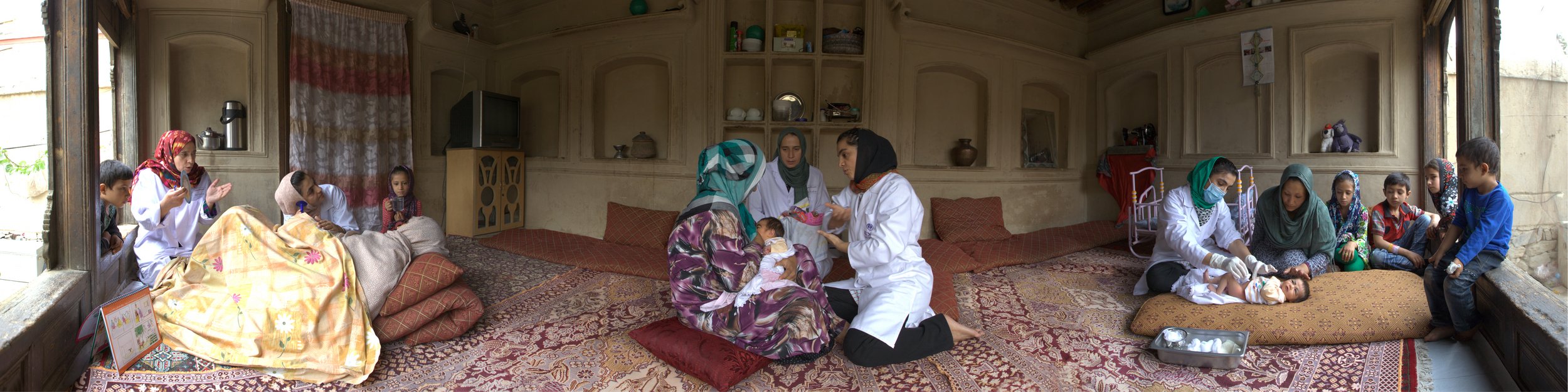
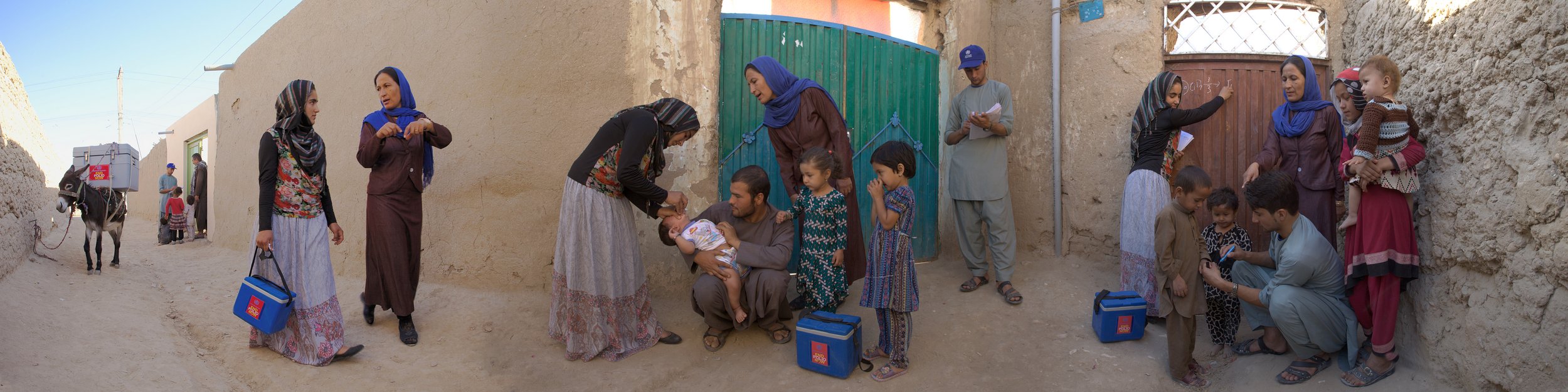
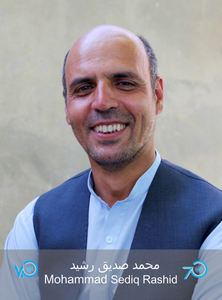
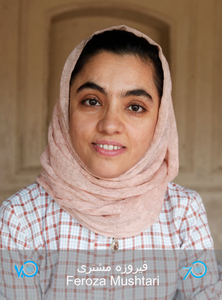
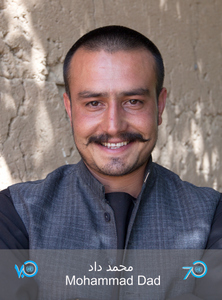
The UN70 Strong UN. Strong Afghanistan campaign highlighted Afghan people whose work strengthens communities and public services. Its archived material captures a wider UN effort in Afghanistan, including WHO guidance on disease prevention and UNICEF support for water, sanitation and hygiene, often called WASH. Together with Afghan ministries, local authorities, health workers and civil-society groups, these efforts have promoted handwashing stations, safer water, accessible toilets and healthier schools and clinics. The campaign’s emphasis on Afghan expertise matters because infrastructure, habits and trust vary greatly from one province to another.
Why hygiene and sanitation protect lives
Handwashing with soap interrupts the transmission of diarrhoea-causing germs and other infections carried through contaminated hands, surfaces, food and water. The WHO-backed practice of washing at critical times—before preparing food or eating and after using a latrine or caring for a sick person—offers simple protection that can be taught in homes, schools, markets and health facilities. Public-health drives often combine demonstrations with free or subsidised soap, visible water stations and reminders from trusted community members. Such measures also support rapid responses when cholera or other diarrhoeal outbreaks threaten a community.
Sanitation completes the chain of protection. A household latrine keeps human waste away from food, wells and channels; school toilets support attendance, particularly for girls; and covered waste points, drainage and safe disposal prevent contamination from spreading. Campaigns work best when they treat sanitation as a service rather than a one-off construction project, because pits can fill, water can stop and broken doors can make a facility unusable. Maintenance plans, local technicians and replacement funds are therefore as important as the initial works.
The burden of poor facilities falls unevenly. Women and girls often carry water, manage waste and search for private, clean toilets, while disability, age and displacement can make an ordinary facility inaccessible. Menstrual hygiene products, water for washing, lighting and locks are practical needs linked to health, safety and dignity, not peripheral extras.
How the UN supported Afghan-led change
Across the UN system, responsibilities are complementary. WHO supports disease surveillance, technical standards and health messaging; UNICEF helps communities obtain safe water, build or rehabilitate sanitation facilities and promote handwashing in schools and clinics; UNHCR and other agencies address urgent needs among displaced people; and UNAMA helps connect national authorities, donors and UN partners. Local government and health offices remain central to decisions about sites, charges, maintenance and accountability. Coordination reduces duplication and helps move from emergency relief to services managed by Afghan institutions.
Behaviour change succeeds when people can see and use the recommended practice. Afghan women health workers, teachers, imams, elders, youth leaders and household decision-makers can explain why soap and clean water matter in familiar language and in ways that respect local customs. Demonstrations at a clinic, a women’s gathering or a school make the method concrete. Printed visual guides, radio segments and messages shared at markets can reinforce the same message without assuming that information alone will change behaviour.
Campaigns should also answer practical questions: Where is water available? Who supplies soap? Can a wheelchair fit in the latrine? Who repairs a broken tap? The strongest handwashing and sanitation drives connect communication to resources. A soap distribution that arrives without water, a latrine built beyond a community’s reach, or an awareness session offered only to men can create confidence problems.
Community committees can identify vulnerable households, track shared facilities and report water shortages. Feedback should travel back quickly, so supplies, designs and communication can be adjusted before an emergency becomes a health crisis. Afghan leadership also keeps the work connected to national priorities after international attention shifts.
Designing public health drives for real conditions
Water must be available where hygiene happens. Household treatment, protected wells, chlorination, careful storage and regular testing can make a source safer, while emergency measures such as water trucking, tanks and communal handwashing points provide short-term access. Each option has limits: trucking costs money, chemicals need training, and a technically improved source can still fail if people are too far from it. Public health teams therefore measure water quality, distance, reliability and affordability together.
In settlements facing sudden population growth, modular systems may be more realistic than a conventional network, but they need clear plans for operation, spare parts and eventual upgrading. Sanitation drives need to match the settlement as well. Dense neighbourhoods require safe containment, collection or sewerage; scattered villages may depend on household pits, communal latrines and desludging services.
School and health-centre facilities should include separate, usable toilets for women and girls, water for anal and menstrual hygiene, handwashing stations, lighting and safe waste management. Designs should reflect local materials, seasonal water levels, ground conditions and cultural preferences, with users involved before construction begins. After a ribbon-cutting, monitoring should check whether soap is present, water is flowing, queues are manageable and waste is being removed. If these basics fail, the public will reasonably stop using the facility.
What Australian experience adds to the conversation
Australia offers useful contrasts and reminders. In Sydney, swimming pools, beaches, many railway stations and public toilets make handwashing and sanitation visible parts of urban life, while water-quality alerts after heavy rain show why routine testing matters. Melbourne’s drought restrictions and strong public awareness of household water use provide a different perspective: water is managed through conservation, pricing and communication rather than assumed to be endless. These systems sit within strong institutions and cannot be compared directly with fragile infrastructure in Afghanistan, yet they demonstrate how public expectations and maintenance culture develop over time.
Communities in remote Aboriginal Australia also demonstrate why distance, climate and infrastructure affect health. In parts of the Northern Territory and western New South Wales, water restrictions, damaged water systems and high costs have left some residents without reliable running water or adequate waste systems. Afghan communities in remote districts face overlapping shortages of water and sanitation, although history, governance and services differ sharply. The shared lesson is to design public health support around actual distances, supply chains and local authority rather than applying a one-size-fits-all template.
Local Aboriginal health organisations should lead analysis of needs and solutions in their own country, with support from public agencies and service providers. Australian consumers also see hand hygiene as a routine household and market practice. Supermarkets and pharmacies stock liquid hand wash, multipurpose soap and sanitisers from brands such as Lever, Ego and Sukin, often beside household cleaning products. This familiar market can support health drives through donations, workplace campaigns and sponsorship, but imported commercial products are not automatically the best humanitarian option.
In Afghanistan, locally produced soap, appropriate formulations and reliable distribution networks can often deliver more value than costly one-off imports. Local sporting fixtures, school events and community festivals also offer Australian organisers familiar settings for handwashing stations, family hygiene messages and accessible toilets. These examples show how health guidance becomes routine when it is visible, practical and connected to everyday life.
Turning campaign moments into lasting systems
Campaign visibility matters, but lasting health gains depend on systems that continue after launch. A handwashing station needs water, soap, a drain and someone responsible for checking it. A school latrine needs cleaning, privacy, waste removal and a budget. District authorities need dependable financing and technicians, while communities need a voice in decisions about construction and priorities. Plans for operation and maintenance should be funded from the beginning, not left to a community whose resources are already scarce.
Emergency campaigns can still create useful assets by installing durable facilities, training local workers and establishing supplier relationships, provided those assets are connected to a credible management plan. Evidence should track more than attendance or litres of soap distributed. Teams can observe handwashing behaviour, test water, check facility use and cleanliness, monitor cases of diarrhoeal disease and ask whether women, children, people with disabilities and displaced households can use the service.
Community feedback can reveal barriers that numbers miss. Because the UN70 campaign is now an archived snapshot, preserving its Afghan stories also supports accountability by connecting visible public messaging with the less visible systems that make health possible. Success is measured in sustained use, safer environments and stronger local ownership, rather than the temporary visibility of a campaign.
Explore the archived UN Afghanistan campaign, share its Afghan stories with accuracy and respect, and connect with UN, UNICEF, WHO or trusted Afghan organisations working on water, sanitation and hygiene through current, verified channels. Australian institutions, businesses and community groups can contribute funds, locally suitable soap and hygiene supplies, technical partnerships, communications support or sustained advocacy.
Take one concrete action today: fund practical WASH work, organise a handwashing and sanitation drive, or amplify Afghan-led health messages. Cleaner water, safer toilets and reliable soap can prevent illness, reduce the daily burden carried by families and protect the dignity of Afghan communities.