
Making a Difference


The UN’s Afghan nutrition surveillance and early warning
Nutrition surveillance in Afghanistan turns scattered signs of hunger into evidence that can guide action. By tracking child growth, diet, illness, food access and household conditions, the United Nations and its partners can identify where malnutrition is rising before a crisis becomes even harder to contain.
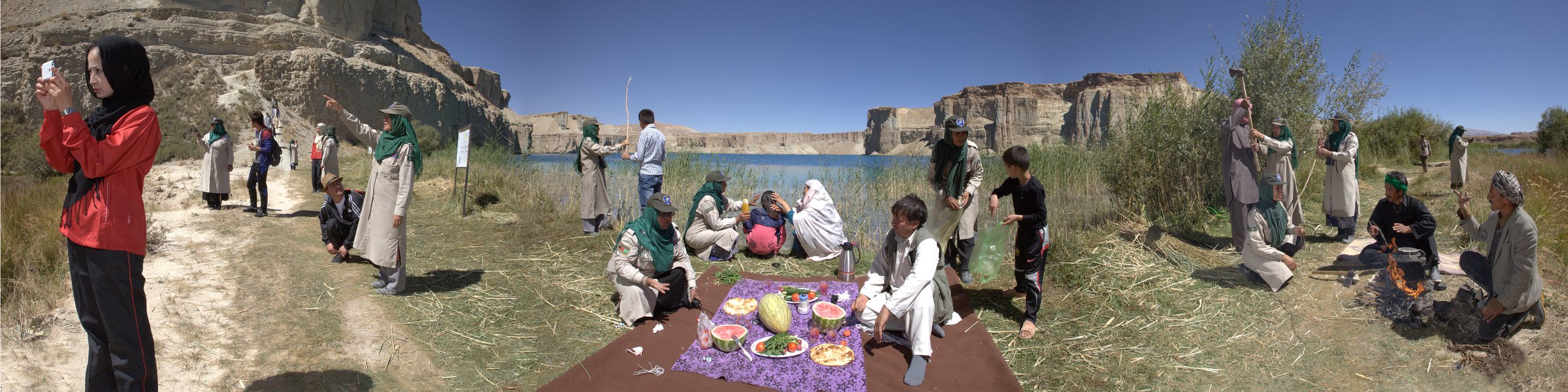
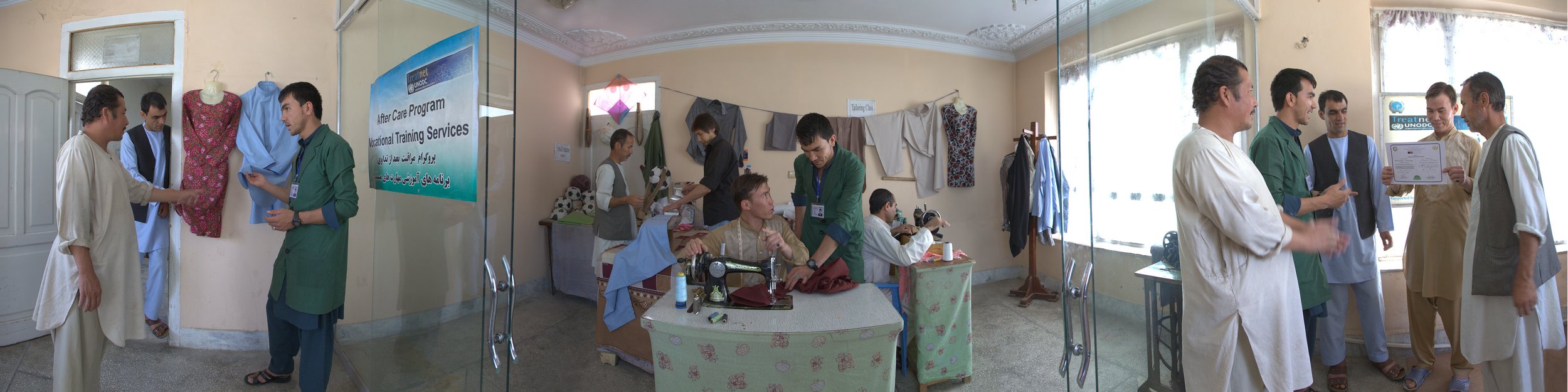
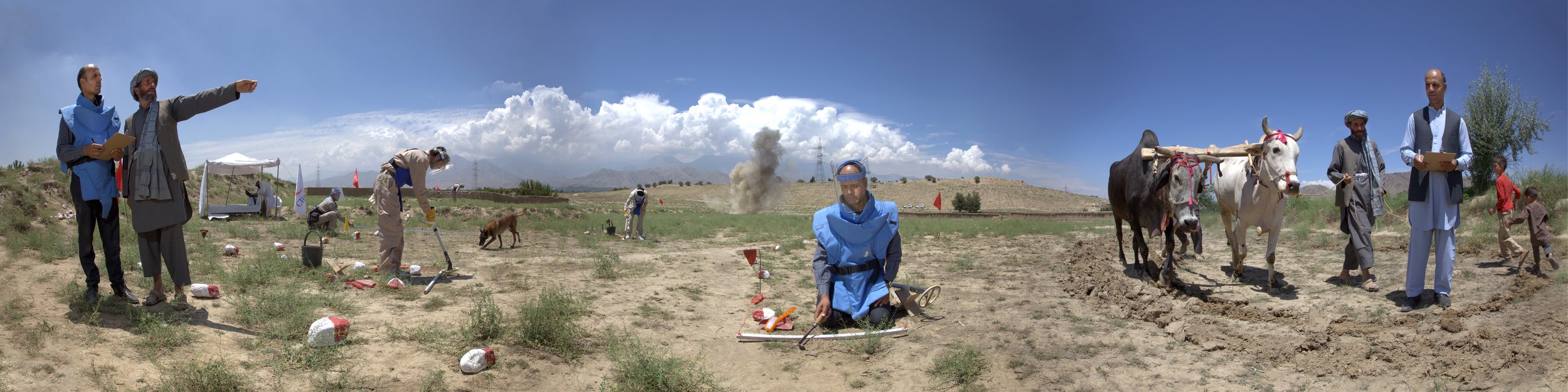
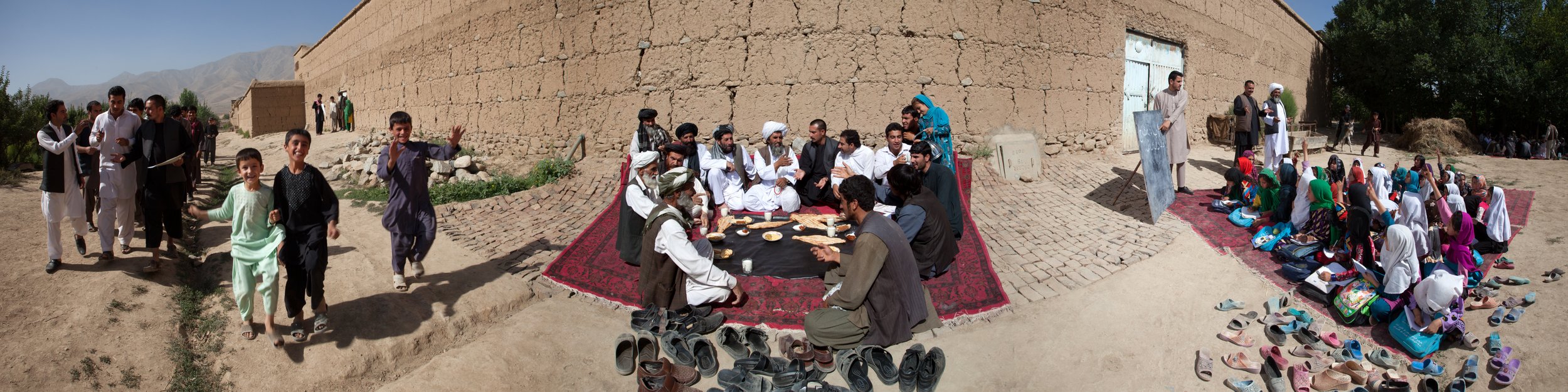
This work fits the wider UN presence in Afghanistan: cooperation with Afghan communities, public institutions, humanitarian organisations and international donors. The UN70 “Strong UN. Strong Afghanistan.” campaign is now an archived record rather than an active programme, but its emphasis on Afghan people and partnerships remains useful when considering how nutrition information supports local decisions.
| Feature | Afghan nutrition surveillance | Australian comparison |
|---|---|---|
| Main purpose | Detect wasting, stunting, micronutrient risks and worsening food insecurity | Monitor population health, food safety and nutrition trends |
| Typical information | Child measurements, infant feeding, illness, household food access and service coverage | Health surveys, hospital data, food labelling, school and community health data |
| Operating environment | Conflict-affected areas, displacement, seasonal access problems and limited services | Stronger routine systems, though remote communities and food insecurity still require targeted attention |
| Immediate use | Trigger screening, treatment, food assistance, health and water interventions | Shape public health policy, clinical care, emergency planning and community programmes |
Why surveillance matters in Afghanistan
Malnutrition is not a single condition with one cause. A child may lose weight after diarrhoea, a poor harvest, displacement or a household’s inability to buy diverse food. Pregnant and breastfeeding women can also face undernutrition, anaemia and limited access to health services. Nutrition surveillance brings these connected pressures together so that decision-makers can see patterns rather than isolated cases.
The most urgent indicator is often acute malnutrition, particularly wasting in children under five. Wasting reflects recent and potentially life-threatening weight loss or failure to gain weight. Stunting, by contrast, develops over a longer period and signals the cumulative effects of inadequate nutrition, repeated infections and difficult living conditions. Both matter, but they require different timeframes for prevention and response.
Afghanistan’s geography makes early warning especially important. Mountainous districts, severe winters, drought, flooding, population movement and insecurity can interrupt markets and health services. A national average may hide serious deterioration in one province or among displaced families. Localised surveillance helps identify those differences and supports a faster allocation of screening teams, therapeutic foods, micronutrients, clean water assistance and maternal and child health services.
Surveillance does not replace community knowledge. Families, community health workers, local leaders and health facilities often notice changes before a formal survey is completed. Their observations can point to rising illness, reduced meal frequency, higher food prices or children dropping out of treatment. Strong systems combine these local signals with consistent measurements and transparent analysis.
How the signal is built
Nutrition monitoring generally draws on several sources rather than one test. Household assessments can examine food consumption, coping strategies, income pressure and access to markets. Health and nutrition facilities can report admissions for severe acute malnutrition, treatment outcomes and stock levels. Surveys can measure children’s weight, height or length, mid-upper-arm circumference and oedema, while maternal and infant surveys can examine breastfeeding and complementary feeding practices.
Each source answers a different question. Facility data show pressure on the treatment system but may miss families who cannot reach a clinic. A household survey can identify unmet need but may take time and resources. Market information can reveal rising prices, yet price changes do not affect every family equally. Combining sources creates a more credible early warning picture.
A useful surveillance system also separates information by age, sex, location, displacement status and livelihood. A provincial average can conceal a severe problem in remote settlements or among families recently forced to move. Analysts must also account for seasonal variation: the same rate of wasting may have a different meaning before and after the lean season, harvest or winter access period.
Practical information streams
- Child growth and acute malnutrition screening
- Household food access and dietary diversity
- Clinic admissions, referrals and treatment outcomes
- Food prices, harvest conditions and service availability
The quality of the signal depends on field practice. Staff need calibrated equipment, clear measurement techniques, safe referral pathways and supervision. Data collectors must understand consent, confidentiality and the risks of labelling a family as vulnerable without offering appropriate support. Digital tools may speed reporting, but technology cannot correct a poorly measured height or an incomplete sample.
Turning evidence into early action
Early warning has value only when it is connected to a decision. A rise in wasting should prompt a review of treatment capacity, supply stocks, screening coverage and access barriers. If diarrhoea is increasing at the same time, nutrition teams may need to coordinate with water, sanitation and hygiene partners. If families report unaffordable food, cash or voucher assistance and market support may be more appropriate than distributing a standard food basket alone.
The response should match the problem’s scale and cause. A small cluster of severe cases may require active case-finding and referral. A broad deterioration across several districts could call for expanded outpatient treatment, supplementary feeding, maternal nutrition support and stronger disease control. Surveillance can also identify where prevention is working, allowing partners to protect effective community services instead of shifting resources solely to emergency treatment.
This is where UN coordination has a practical role. Agencies can align assessment methods, compare results, reduce duplicated surveys and present a shared analysis to donors and Afghan authorities. Nutrition clusters and health partners may use the evidence to support humanitarian planning, while agriculture, education, protection and social support actors address contributing factors outside the clinic.
Forecasting can strengthen this process. Rainfall, crop conditions, food prices, displacement trends and disease outbreaks may indicate future nutrition stress. Forecasts are not certain predictions, so they should be tested against field reports and updated as conditions change. Acting before admissions surge is often more efficient and less harmful than waiting for a crisis to become visible in treatment centres.
Lessons for an Australian audience
Australia has stronger routine health infrastructure, but nutrition surveillance still matters in a country with large distances and unequal access. A child in inner Melbourne may live close to supermarkets, maternal health services and a hospital, while a family in a remote Northern Territory community may face expensive fresh food, limited transport and long waits for specialist care. National averages can hide these local differences, just as provincial averages can hide risk in Afghanistan.
Everyday food habits also shape the data. Australian households may rely on supermarket shopping, school lunches, takeaway meals and ready-to-eat products, while seasonal farmers’ markets in cities such as Adelaide, Sydney or Brisbane offer different access and prices. During a cost-of-living squeeze, families can reduce the variety of fruit, vegetables and protein even when enough energy is available. Monitoring food quality and affordability therefore needs more than a simple measure of whether someone ate yesterday.
The Australian market provides a useful contrast. Large supermarket chains, independent grocers, community food hubs and remote store networks operate alongside one another. Prices, transport costs and supply interruptions can differ sharply between metropolitan areas and remote communities. A nutrition early warning approach would examine those market conditions alongside clinical data, not assume that national food availability means every household can obtain a nutritious diet.
Australian legislation also shows why the policy setting matters. Food standards and labelling are governed through the Australia New Zealand Food Standards Code, administered by Food Standards Australia New Zealand, while food regulation is implemented by states and territories. Mandatory allergen declarations, nutrition information panels and rules for infant formula help protect consumers, but they do not by themselves show whether families can afford or regularly consume a balanced diet. Public health monitoring still needs household, community and clinical evidence.
What Australian readers can recognise
- Remote-community food costs may differ sharply from prices in Melbourne or Sydney
- School lunch patterns can reveal changing household food security
- Farmers’ markets and supermarkets provide different types of food access
- Food standards regulate products, while surveillance tracks health outcomes
These comparisons should be used carefully. Afghanistan’s humanitarian conditions, health-service access and security constraints are fundamentally different from Australia’s. The shared lesson is narrower: timely, local and disaggregated information helps decision-makers respond to real conditions rather than relying on broad assumptions.
Protecting people behind the numbers
Nutrition surveillance involves sensitive information about children and households. Data collection should have a clear purpose, informed consent where appropriate, secure storage and strict limits on who can access identifying details. Families should not be exposed to stigma, retaliation or exclusion because they were assessed as malnourished, displaced or food insecure.
Ethics also apply to sampling and communication. A survey should not raise expectations that cannot be met, and a screening exercise should include a realistic referral plan. When a team identifies a severely malnourished child, the result is an immediate welfare concern rather than just another line in a database. Communities deserve to know, in accessible language, why information is collected and how it will be used.
Interpretation requires humility. A falling number of clinic admissions may mean fewer cases, but it may also mean roads are blocked, supplies have run out or families have lost trust in services. Similarly, an increase in reported cases can reflect better screening rather than a sudden deterioration. Analysts need context from health workers, community representatives, market monitors and local authorities before recommending major changes.
The strongest approach treats Afghan communities as partners in evidence, not passive subjects of measurement. Local staff bring language skills, cultural understanding and knowledge of service barriers. Their involvement can improve the accuracy of data and make the response more acceptable. It also supports national capacity, so surveillance knowledge remains useful beyond a single emergency funding cycle.
From monitoring to stronger partnerships
A credible early warning system links information to resources, accountability and learning. Donors need timely evidence to decide where funds are most urgent. Implementing organisations need practical thresholds for expanding screening or treatment. Health workers need reliable supplies and referral networks. Communities need services that respond to what the data reveals.
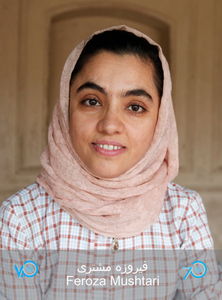
The UN’s broader partnership model is relevant here. Campaigns that highlight Afghan individuals and their contributions offer a reminder that international assistance should be built with people, not simply delivered to them. Nutrition surveillance works best when Afghan professionals, families and community structures influence the questions, interpret the findings and help shape the response.
Archived campaign material cannot provide a live update on current nutrition conditions. For present-day decisions, readers should use current UN Afghanistan communications, humanitarian assessments, nutrition cluster reporting and information from trusted Afghan institutions. Historical material can still help explain the values behind the work: partnership, dignity, evidence and practical action.
Support for nutrition programming should therefore include more than emergency food. It can strengthen community screening, maternal health, breastfeeding counselling, safe water, disease prevention, resilient local markets and treatment services. Each investment improves the chance that an early warning becomes an early response rather than a late record of preventable harm.
Use reliable current assessments to follow nutrition risks in Afghanistan, share evidence responsibly and support organisations that connect surveillance with treatment and community-led prevention. When accurate information reaches the right people in time, it can protect children, guide scarce resources and help Afghan communities withstand the pressures that threaten their health.