
Making a Difference
Reaching Afghan Children With Targeted Nutrition Support
Malnutrition in Afghanistan has often been shaped by several pressures arriving at once: limited household income, food insecurity, displacement, illness, drought and difficulty reaching health services. For a young child, a short period without enough nutritious food can quickly affect growth, immunity and the ability to recover from common infections.
The UN’s Afghan nutrition supplementary feeding programmes were designed to respond to this risk through targeted support. Rather than distributing the same food to every household, health workers and community teams identify children who are malnourished, provide specialised supplementary foods and monitor their progress over time.
This approach sits within a broader system that includes infant and young child feeding advice, screening, primary healthcare, treatment for severe acute malnutrition and support for mothers. It also depends on local knowledge. Community health workers, parents and village leaders can recognise changes in a child’s condition and help families reach assistance before the situation becomes life-threatening.
For Australian readers, the subject can feel distant from the everyday experience of shopping in a Melbourne supermarket, visiting a Sydney maternal health clinic or comparing food prices at a regional Queensland market. The underlying principle is familiar, however: children need the right nutrients at the right time, and early support can prevent a health problem from becoming an emergency.
Why Supplementary Feeding Matters
Supplementary feeding is intended for children who need more nutritional support than their household diet can currently provide, but who may not require hospital care. In many programmes, this means children with moderate acute malnutrition identified through measurements such as weight, height and mid-upper arm circumference. A child’s appetite, illness history and general condition are also important.
The distinction between moderate and severe acute malnutrition matters. Children with severe wasting, medical complications or an inability to eat safely may need therapeutic treatment and urgent referral. Children with moderate malnutrition can often be supported through an outpatient programme, provided that health workers continue to check their condition and refer them when warning signs appear.
Afghanistan’s geography makes this targeted model especially important. Families may live far from health facilities, travel through insecure areas or move because of conflict, flooding, drought or loss of income. A programme that combines screening with community distribution can reduce the distance between a vulnerable child and essential nutritional care.
The purpose is broader than weight gain alone. Adequate nutrition supports immune function, physical development and a child’s capacity to recover from diarrhoea, respiratory infections and other illnesses. Early intervention can also reduce the likelihood that moderate malnutrition progresses into a more dangerous condition.
Finding Children Who Need Help
Screening commonly begins in communities, health posts and primary healthcare facilities. Trained workers may use a colour-coded mid-upper arm circumference tape, check for bilateral pitting oedema and assess visible signs of wasting. Height and weight measurements can provide additional information, especially when records are available and equipment is used correctly.
A single measurement does not tell the whole story. Children grow at different rates, and illness can change appetite or body weight quickly. For that reason, nutrition teams usually combine anthropometric checks with questions about feeding, recent sickness, household circumstances and access to food. Repeated assessments help show whether a child is responding to support.
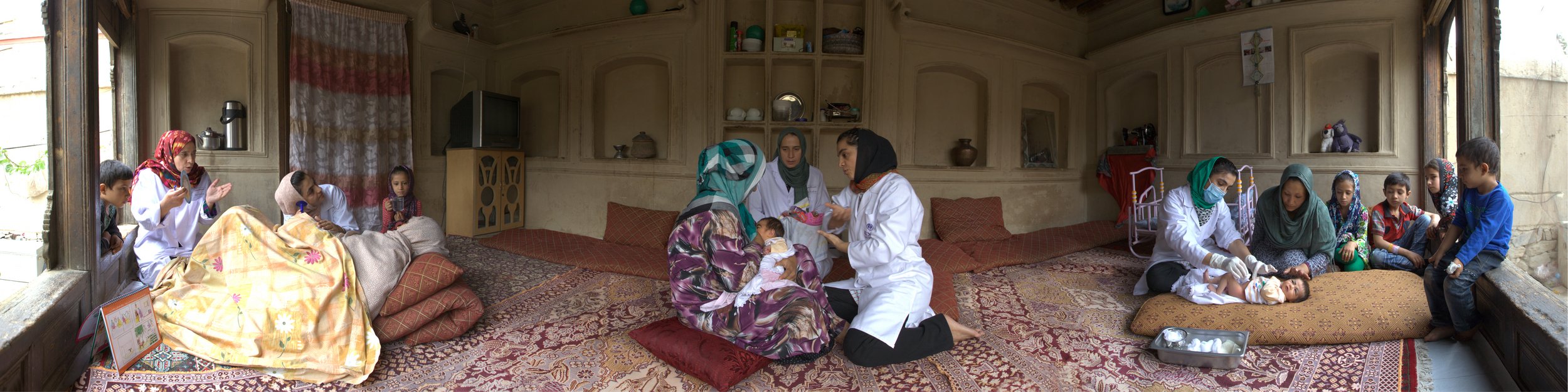
Targeting must be handled carefully. Families may be reluctant to seek help because of stigma, travel costs or concern that assistance will be withdrawn if their circumstances improve. Clear explanations, respectful treatment and confidential records can make services easier to use. Female health workers and trusted community volunteers may be particularly important in settings where cultural expectations affect who can examine or advise a child.
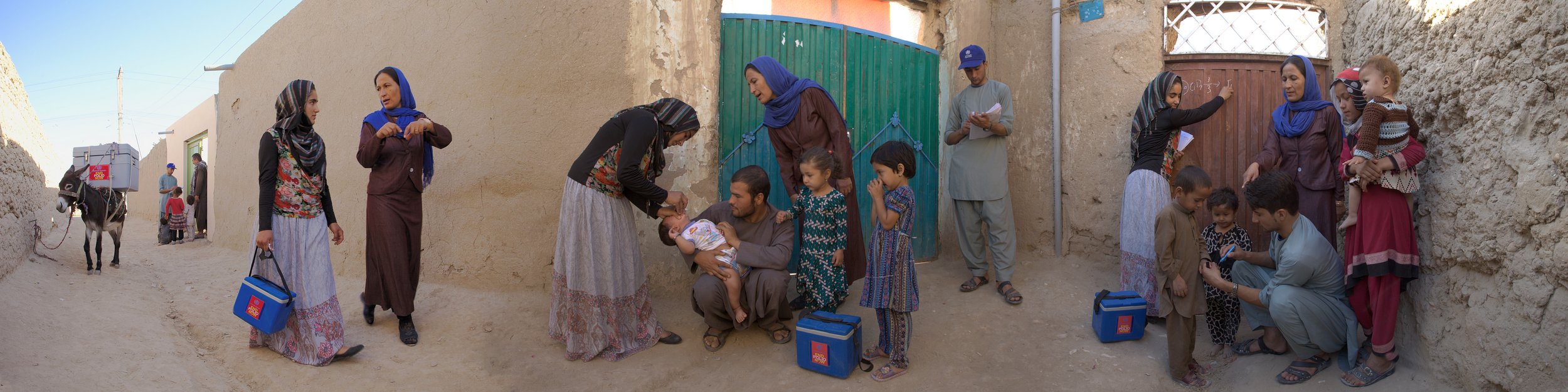
The system also needs to reach children who are easily missed. Infants, children with disabilities, displaced families and households in remote districts may face additional barriers. Outreach sessions, community referrals and links between nutrition and immunisation services can help identify children earlier.
What Children Receive
Supplementary feeding commonly uses fortified products formulated to provide concentrated energy, protein, vitamins and minerals in a manageable serving. Depending on the programme and supply chain, these may include fortified blended foods or ready-to-use supplementary foods. The precise product is selected according to age, nutritional status, local guidance and what can be transported and stored safely.
These products are a bridge, not a permanent replacement for family meals or breastfeeding. Caregivers may receive advice on continued breastfeeding, safe preparation of available foods and feeding a child patiently during and after illness. Nutrition support works best when the household understands how the product should be used and why it should not be shared across the entire family.
| Programme element | Main purpose | How it supports a child |
|---|---|---|
| Community screening | Identify wasting and other warning signs | Brings assessment closer to remote households |
| Supplementary food | Provide concentrated nutrients and energy | Helps children with moderate acute malnutrition regain strength |
| Health assessment | Detect infection or medical complications | Enables treatment or referral when feeding alone is insufficient |
| Caregiver counselling | Improve feeding and hygiene practices | Supports recovery at home and reduces preventable setbacks |
| Follow-up visits | Track progress and attendance | Shows whether the child is recovering or needs a changed plan |
| Referral services | Escalate serious cases | Connects children with therapeutic care and clinical treatment |
The food itself cannot compensate for unsafe water, repeated infections or a lack of medical care. Programmes therefore work more effectively when supplementary feeding is linked to deworming where appropriate, immunisation, clean water messaging, sanitation, maternal care and treatment for common childhood illnesses.
For an Australian comparison, a fortified product used in an Afghan nutrition programme should not be confused with a standard breakfast cereal bought in a supermarket in Brisbane or Adelaide. It is designed for a specific nutritional purpose and delivered under clinical or humanitarian guidance. Food Standards Australia New Zealand labelling and ordinary retail choices serve a different function from therapeutic or supplementary nutrition protocols.
Delivery Through Communities
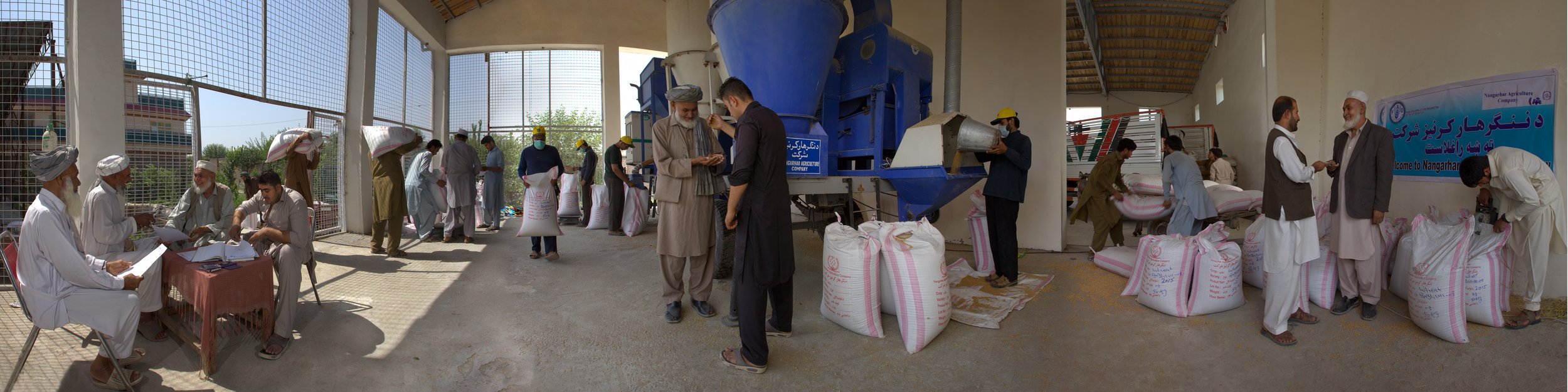
The success of a supplementary feeding programme depends on reliable delivery. Supplies must move from international or national warehouses to provincial and district facilities, then to clinics or community distribution points. Roads, seasonal weather, fuel costs, storage conditions and insecurity can all interrupt that chain.
Local health workers are central to this work. They can register children, explain dosage and use, identify illness, record attendance and encourage families to return for follow-up. Community-based delivery is often more practical than asking a caregiver to make repeated long journeys to a distant hospital, particularly when transport is expensive or a parent must care for other children.
The wider humanitarian setting also affects results. A family may receive food for a child while still facing a shortage of clean water, cooking fuel or basic household food. Cash assistance, food security programmes, livelihood support and protection services can therefore strengthen nutritional outcomes when coordinated with child health services.
For Australians, the supply-chain challenge has a recognisable local parallel, although the circumstances are very different. Remote communities in Western Australia, the Northern Territory and far north Queensland also experience higher transport costs and longer distances to services. That comparison should not erase the scale of Afghanistan’s crisis, but it helps explain why a product available in a central warehouse may still be difficult to deliver consistently to a rural family.
Measuring Recovery And Safety
Follow-up is a defining feature of targeted feeding. At each visit, staff may check a child’s arm circumference or weight, ask about appetite and illness, inspect for oedema and confirm whether the supplementary food is being used as intended. A child who improves can eventually be discharged according to programme criteria, while a child who fails to respond may require further assessment.
Programmes also monitor absences, stock levels, referral outcomes and coverage. These details reveal whether services are reaching the children most at risk or primarily those who live close to a clinic. They can expose practical problems such as unsuitable distribution times, confusing instructions, shortages of measuring equipment or products arriving after a seasonal road closure.
Quality and safeguarding are equally important. Families should receive accurate information without being pressured, and children must be treated with dignity. Distribution points need procedures for preventing harassment, exploitation and the diversion of supplies. Complaints channels can help agencies identify problems that routine statistics may miss.
Nutrition data should be interpreted with care. A fall in the number of children enrolled might indicate recovery, but it could also reflect displacement, interrupted services or families moving beyond the programme’s reach. Responsible reporting combines numerical results with community feedback and information about access.
Linking Nutrition To A Stronger Future
The UN’s work in Afghanistan has often been presented through partnerships with Afghan communities, health workers and local organisations. Supplementary feeding fits that wider picture: international resources matter, yet lasting progress depends on people who understand local languages, customs, household diets and the practical barriers facing caregivers.
Prevention is essential. Supporting breastfeeding, improving complementary feeding after six months, treating infections promptly and helping families access diverse foods can reduce the need for emergency nutrition services. Women’s health also matters because maternal undernutrition, anaemia and limited access to antenatal care can affect pregnancy outcomes and a child’s early development.
This is relevant to Australian public discussion about overseas assistance. A donation or aid budget line is most effective when it supports a complete chain: trained workers, dependable supplies, screening, referral, follow-up and accountability. Buying food through an Australian supermarket or donating to Foodbank addresses local needs in a different system; it does not replace specialised humanitarian nutrition work in Afghanistan.
The archived UN Afghanistan campaign, including its emphasis on Afghan people and community contributions, provides a useful reminder that children should not be reduced to statistics. Each case represents a family making decisions under pressure, and each successful recovery reflects the work of caregivers, health staff, drivers, storekeepers and local leaders as well as international agencies.
Learning about these programmes is a practical way to understand how humanitarian nutrition operates. Support credible organisations working with Afghan communities, examine how they report screening, referral and recovery outcomes, and share reliable information about child malnutrition. Sustained attention helps keep the needs of vulnerable children visible after a campaign archive has stopped changing.