
Making a Difference
Feeding Malnourished Children in Afghanistan
Malnutrition in Afghanistan is not simply a matter of empty plates. It is also a medical condition shaped by drought, displacement, infection, poverty and damaged health services. For children under five, a lack of the right food at the right time can cause wasting, impair development and turn a routine illness into a crisis. The UN’s Afghan Nutrition Program responds by combining supplementary feeding with health checks, treatment and support for families.
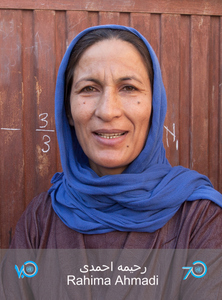
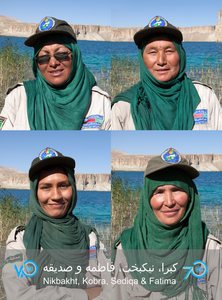
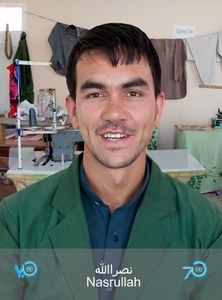
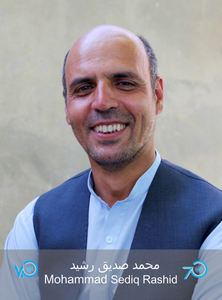
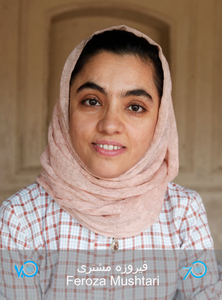
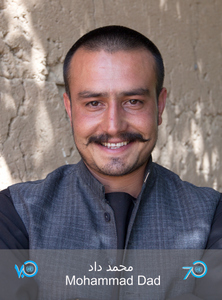
The model is built around Afghan nutrition workers, local clinics and community outreach rather than assumptions made outside the country. UN agencies, humanitarian non-governmental organisations and Afghan health staff coordinate on nutrition screening, nutrition treatment and referrals. The UN70 “Strong UN. Strong Afghanistan.” campaign helped publicise that partnership through Afghan experiences. Its website is now an archived snapshot of a completed campaign, so it should be read as a record rather than an active programme page.
From Emergency Food to Nutrient Recovery
Supplementary feeding has a narrower purpose than general food assistance. It supplies concentrated nutrients to children whose diets remain inadequate, while health teams watch their weight, check for swelling and look for illness. The approach can prevent moderate acute malnutrition from worsening and support recovery after discharge, but it works best when medical care, clean water and household support are available.
| Response | Main purpose | Typical support | Delivery and safeguards |
|---|---|---|---|
| Supplementary Feeding Programme | Prevent deterioration and treat moderate acute malnutrition | Fortified blended food, pulses, oil or nutrient-dense supplements | Regular rations, growth checks, safe-preparation guidance and referral when needed |
| Outpatient therapeutic feeding | Treat severe acute malnutrition without complications | Ready-to-use therapeutic food and prescribed clinical care | Clinic-based feeding, appetite and weight checks, infection treatment and admission for complications |
| General food assistance | Stabilise household food access and protect essential spending | Staple foods, cash, vouchers or equivalent support | Food distribution or market support, linked to health and nutrition services |
In practice, a child may receive a fortified blended food at a community centre, while a child with severe acute malnutrition is referred for therapeutic treatment. Household rations may also be adjusted so siblings do not go hungry when one child receives a therapeutic product. This family dimension matters because a clinic-only solution can leave the original food shortage untouched.
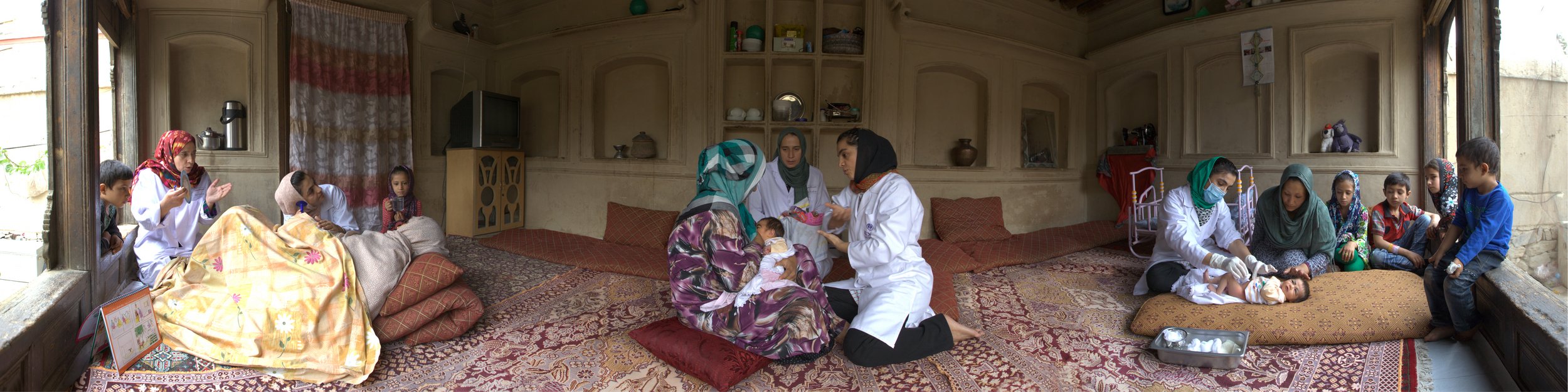
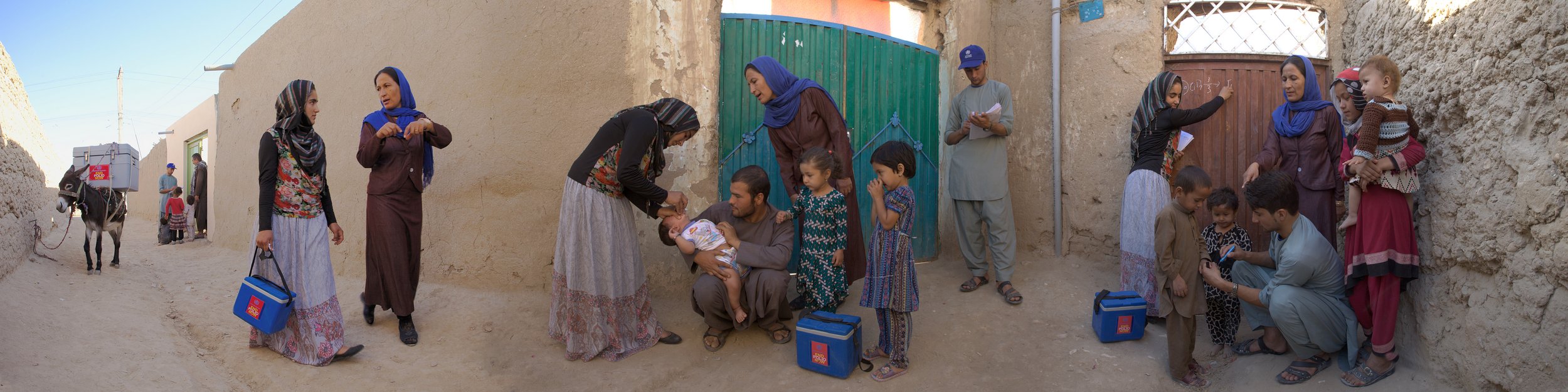
Repeated infections can undo gains, so feeding is linked to vaccination, sanitation, breastfeeding support and treatment of diarrhoea and respiratory illness. Nutrition workers explain safe preparation and follow-up visits. Families receive practical information in Dari, Pashto and other languages through trusted local channels.
Why Malnutrition Becomes a Health Emergency
Afghanistan’s nutritional crisis moves through several overlapping pressures. Recurrent drought and floods damage harvests and livestock, while conflict and displacement interrupt markets, farms and routine healthcare. A child may look adequately fed after a meal but still lack the variety and protein required for healthy growth. Disease then burns nutrients faster, and an untreated infection can push moderate wasting into severe malnutrition.
Maternal health matters from the start. Undernutrition during pregnancy, delayed breastfeeding, low birth weight and limited access to prenatal care increase a child’s vulnerability. Girls and children with disabilities can face additional barriers to reaching clinics or taking part in outreach. Remote districts, harsh winters and restrictions on the movement of female health workers can make continuity of care especially difficult.
The effects continue beyond immediate illness. Severe wasting raises the risk of death, repeated infection and impaired learning. Stunting can persist even after weight begins to recover, so prevention and maternal nutrition belong in the same response. Feeding is a bridge within a wider system, not a replacement for safe water, primary healthcare, livelihoods and education.
How the UN Reaches Families in Need
Delivery depends on a network of health facilities, mobile teams, distribution points and trained community workers. UN coordination brings together agencies such as UNICEF and WFP, international and national NGOs, and Afghan health authorities. Their roles can include supplying nutrition commodities, training staff, transporting supplies, managing referrals and checking whether children are actually recovering. A product that cannot reach the intended clinic has not completed the programme.
For anyone used to checking current traffic conditions before a journey, the point is familiar: congestion, weather and roadworks can change access almost overnight. In Afghanistan, humanitarian access can also be affected by insecurity, checkpoints, damaged roads and seasonal weather. Operational plans therefore need contingency routes, local reporting and trusted arrangements with communities, including reliable communication for female outreach workers.
Stock and procurement matter just as much. Fortified blended foods and ready-to-use therapeutic pastes must meet specifications, arrive in good condition and be stored safely. Local procurement can shorten supply chains and support jobs, while independent quality checks remain essential. Stock forecasts should follow clinic data to avoid shortages during sudden displacement.
Treatment Must Include Care and Safeguarding
Moderate and severe acute malnutrition require different levels of support. A child with moderate wasting may be managed through supplementary feeding, routine health checks and support for the household. A child with severe wasting, medical complications or signs of oedema needs an urgent assessment and a supervised therapeutic feeding pathway. Ready-to-use therapeutic food is valuable because it does not need cooking, but it is a medical treatment, not an ordinary snack.
Clinical teams monitor weight, appetite, swelling, hydration and signs of infection. Depending on the child’s condition, treatment may include antibiotics, vitamin and mineral supplementation, deworming where appropriate, measles vaccination and referral to inpatient care for complications. Feeding is paused or altered when the body’s fluid and metabolic needs cannot safely be managed through food alone. This clinical oversight protects children from harm that indiscriminate distribution could cause.
Safeguarding is technical work, not an add-on. Registration and follow-up must protect privacy, consent and dignity, and staff should avoid labelling families as negligent. Women nutrition workers and female health professionals can be vital for reaching mothers who cannot visit a male-led facility. Restrictions affecting their work require consultation with Afghan staff and communities, without weakening neutral, impartial assistance or protection from coercion.
Lessons for Australian Responders and Supporters
Afghanistan’s diaspora communities in Melbourne and Sydney often mobilise around health, education and humanitarian issues, yet fundraising should amplify Afghan voices rather than speak for them. Events at community centres, schools and workplaces can direct funds to credible programmes and correct misconceptions. Practical examples include sessions with Afghan nutrition professionals, local fundraising menus and clear explanations of where money goes.
Australia’s food market offers useful lessons. Much of the supermarket trade in Sydney and Melbourne runs through Coles and Woolworths, alongside Aldi and independent stores, while prices, promotions and transport costs shape what families can afford. Affordable staples can be stretched with lentils, beans and seasonal produce, while a fortified blend fills a different gap. Australian nurses often use plain phrases such as “nutrient paste” and “growth check”; imported instructions still need accurate translation and locally tested recipes.
Distance and infrastructure sharply affect food access in remote Aboriginal communities in the Northern Territory. Deliveries may depend on the Stuart Highway, charter or community transport, and a delayed truck can create a long gap before resupply. High freight costs, limited fresh produce and unreliable storage affect stores and households. In Australian community health circles, “community-controlled” means local Aboriginal organisations set priorities, employ staff and decide how resources are used.
The Australian humanitarian sector has established channels for turning public concern into sustained action. ACFID members commit to quality and safeguarding requirements, while Australia’s overseas aid programme can support humanitarian partners and joint advocacy. Support is strongest when it is flexible enough to cover transport, refrigeration, staff training and follow-up rather than only the visible food package. Australian expertise in remote primary health, First Nations community leadership and resilient logistics is relevant, provided Afghan organisations direct priorities and retain control.
Keep Recovery Within Reach
The completed UN70 site offers photographs, messages and Afghan stories that explain the human purpose of nutrition work. Its archived status matters: material should be credited, dated and shared as history, while supporters should check current appeal and contact information before donating. A reliable current route may be a nutrition-focused project run by an ACFID member, a UN humanitarian appeal or a qualified Afghan organisation with transparent reporting.
The most useful contribution is regular, informed support. Donors can ask whether funding includes local nutrition workers, screening data, treatment supplies and post-recovery follow-up; they can insist that female staff and children with disabilities are included safely. Australians can also use their professional networks to support supply-chain resilience, translation, maternal nutrition and locally produced foods. Fundraising should show dignity and agency, presenting children as participants in their communities rather than passive illustrations of need.
Stable funding and practical access can turn a packet of nutrient paste into a child’s route back to health. When communities can assess the problem, manage treatment and follow up recovery, every meal becomes part of a durable response. Choose a credible programme, give regularly, share Afghan-led stories responsibly and keep nutrition on Australia’s humanitarian agenda so emergency care can become lasting recovery.