
Making a Difference


Securing Herds and Livelihoods Through Afghanistan's Livestock Vaccination Drive
In the highlands and lowland plains of Afghanistan, livestock represents far more than simple property. Cattle, sheep, and goats sustain family incomes, supply milk and meat for daily meals, and provide wool, transport, and social standing. The UN's animal health programmes treat vaccination as a frontline intervention that protects food security and rural stability.
For Australian readers, this work resonates strongly. From the cattle stations of the Top End to the sheep country south of Canberra and the dairy farms of Gippsland, the health of national herds sits at the core of agricultural policy. Australian consumers routinely enjoy beef at barbecues in Sydney parks and lamb at gatherings in Adelaide, while rural communities depend on livestock for export earnings and cultural identity. Watching how vaccination drives succeed in distant places offers a useful mirror for local biosecurity debates.
Behind every successful campaign lies coordination between veterinary specialists, local councils, and community elders. Afghan herders often travel seasonal routes that cross provincial borders, which makes consistent animal coverage a logistical puzzle. The UN partners with Afghanistan's Ministry of Agriculture, Irrigation and Livestock, alongside non-governmental organisations, to deliver cold-chain vaccines, train paravets, and record animal identities. The model reflects lessons that have informed emergency animal disease planning in places like Darwin and Perth.
Why Herd Health Anchors Village Economies
In Afghan districts such as Balkh, Herat, and Kunduz, livestock ownership shapes household survival. A single goat can fund schoolbooks for a year, while a milking cow provides protein for growing children. When disease sweeps through a herd, families lose their savings in a matter of days. Vaccination reverses that risk by keeping contagious illnesses from spreading through livestock markets and shared grazing lands.
The economic weight of livestock is striking. Pastoralists often derive more than half of their cash income from sheep and goat sales during seasonal festivals. Protecting animal health therefore protects household income, education access, and the ability to weather droughts and harsh winters. Without consistent coverage, a localised outbreak can ripple through regional supply chains within weeks.
Australia understands this vulnerability. Outbreaks of foot-and-mouth disease or bovine tuberculosis would devastate the cattle stations of Queensland's Gulf Country and the wool industry of New South Wales' Southern Tablelands. Federal and state authorities under the Australian Animal Health Council framework already prepare for exactly these scenarios, which makes the Afghan vaccination story a familiar one in a different setting.
Reaching Nomadic and Remote Communities
Delivering a vaccine to a settled village is relatively straightforward. Delivering it to Kuchi nomads crossing the central highlands requires planning around movement patterns, language, and trust. UN-supported teams use radio announcements, mosque networks, and tribal councils to schedule vaccination days that match migration calendars.
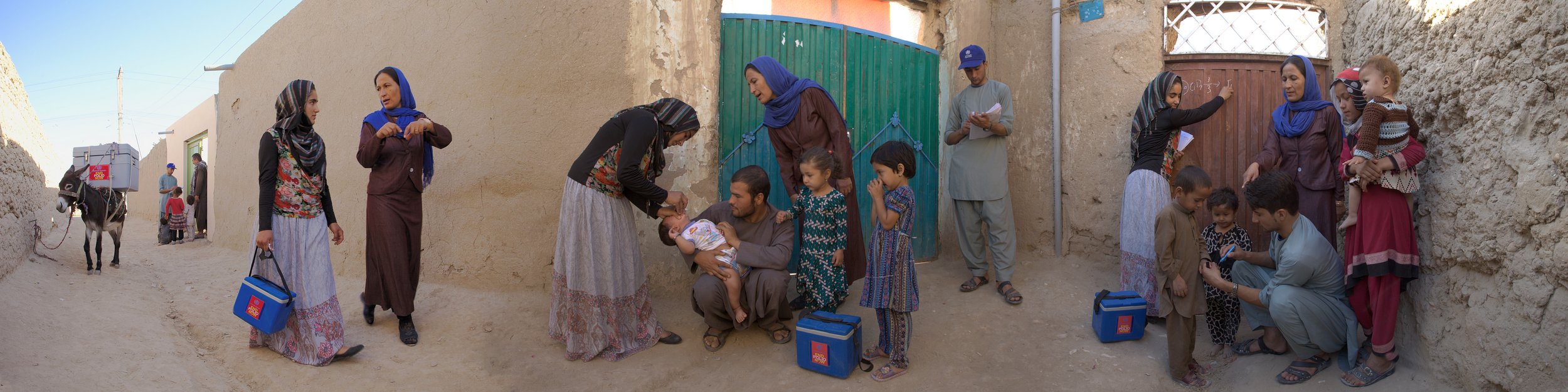
Cold-chain logistics present another layer of difficulty. Vaccines must remain within strict temperature ranges from storage to syringe. Field workers carry insulated boxes, motorbike-mounted fridges, and solar-powered coolers to reach grazing sites where electricity is unavailable. In some provinces, veterinary officers ride alongside camels or walk for hours to reach isolated flocks.
Australian parallels are easy to spot. In the Kimberley region of Western Australia, mustering teams coordinate with Indigenous ranger groups and pastoralists to round up cattle for branding and health checks. The principle is identical: meet herders where they are, respect local knowledge, and bring the service to the animal rather than waiting for the animal to come to a clinic.
| Vaccination Feature | Afghanistan UN Campaign | Australian Rural Practice |
|---|---|---|
| Target Species | Sheep, goats, cattle, donkeys | Sheep, cattle, dairy cows, alpacas |
| Typical Coverage Area | Provincial districts and migration corridors | Station paddocks and Indigenous lands |
| Vaccine Logistics | Cold boxes, solar fridges, motorbike transport | Refrigerated trucks, regional vet hubs |
| Workforce | Trained paravets, community animal health workers | Registered veterinarians, station hands |
| Disease Focus | Sheep pox, anthrax, peste des petits ruminants | Foot-and-mouth preparedness, ovine brucellosis, clostridial diseases |
Building Local Veterinary Capacity
Sustainability depends on more than imported expertise. The UN's Afghan livestock programmes prioritise training local men and women as community animal health workers, known as paravets. These practitioners learn how to handle vaccines safely, diagnose common illnesses, and record data that flows back to district authorities.
The training curriculum covers vaccination technique, cold-chain management, zoonotic disease awareness, and basic herd nutrition. Graduates return to their home villages with starter kits containing syringes, needles, coolers, and protective equipment. Their presence reduces the distance between herders and professional advice, which encourages early reporting of unusual symptoms.
In Australia, vocational pathways play a similar role. TAFE colleges and registered training organisations offer certificates in livestock production and animal handling, while universities in Melbourne and Brisbane produce the next generation of veterinarians. The Afghan approach demonstrates that grassroots veterinary education can complement formal qualifications, particularly where qualified professionals are scarce.
Disease Threats Targeted by Coordinated Action
Several contagious illnesses dominate the Afghan vaccination schedule. Peste des petits ruminants affects goats and sheep with high fatality rates. Anthrax recurs in warm months when spores surface in floodplains. Sheep pox and contagious caprine pleuropneumonia also threaten small ruminants across the south.
Each disease demands its own vaccine, dosage schedule, and timing. Spring campaigns often target lambs and kids before they are sold, while autumn drives prepare breeding stock for winter survival. Coordination between districts prevents vaccinated and unvaccinated animals from mixing during seasonal migrations, which could otherwise undermine immunity.
The Australian context offers a reminder of what is at stake. Queensland's beef industry alone contributes billions of dollars to the national economy, while New South Wales wool supports global fashion supply chains. Outbreaks overseas can shut down export markets within days, as seen during the 2001 foot-and-mouth episode in the United Kingdom. Afghan campaigns highlight how preventive vaccination shields both rural livelihoods and broader trade networks.
Community Engagement As a Vaccine Strategy
Vaccination succeeds only when herders trust the providers. UN field teams invest heavily in community dialogue before launching a campaign. Religious leaders lend support, women's networks help reach female-headed households, and schoolteachers explain the purpose of vaccination to children who then pass messages home.
This engagement extends beyond awareness. Herders are encouraged to bring animals to designated points, hold animals during injection, and watch for post-vaccination reactions. Some teams offer ear tags or simple certificates that help owners track which animals received which vaccine. Over time, participation rates climb because herders see healthier flocks and lower mortality.
Key community engagement methods used by UN-supported teams:
- Mosque announcements and Friday prayers to explain vaccination benefits
- Women's shuras and mother-and-child networks to reach female caretakers
- Tribal council endorsement through respected elders and maliks
- Visual posters showing symptoms, vaccine schedules, and post-injection care
Australian campaigns also lean on trusted voices. Local Landcare groups, agricultural shows in regional centres like Toowoomba and Hamilton, and on-property field days hosted by Meat and Livestock Australia share practical advice with producers. The lesson travels well: information delivered through familiar channels reaches more animals and more owners than impersonal top-down notices.
Practical vaccination priorities that guide Afghan field operations:
- Identify pregnant and lactating animals for separate handling
- Rotate vaccine stocks to maintain cold-chain integrity
- Coordinate with neighbouring districts to avoid coverage gaps
- Record animal numbers and species for district reporting systems
Sustained Funding and Global Health Linkages
Livestock vaccination rarely attracts the attention given to human pandemics, yet it sits inside the same One Health framework that connects animal welfare, human wellbeing, and environmental balance. The Food and Agriculture Organization, the World Health Organization, and the World Organisation for Animal Health jointly promote coordinated responses to zoonotic threats.
Australian policy aligns with these principles. The National Antimicrobial Resistance Strategy recognises the link between livestock antibiotic use and human medicine. The Biosecurity Act 2015 governs how animal products enter the country and how outbreaks are managed. By understanding Afghan campaigns, Australian farmers, veterinarians, and policy advisers gain fresh insight into the value of early, community-led intervention.
Continued support for Afghan livestock vaccination protects the rural families who depend on healthy herds and contributes to regional stability that benefits trading partners. Readers in Sydney, Melbourne, and regional towns across Australia can stay informed through UN Afghanistan's archived news updates, photographs, and stories from the UN70 "Strong UN. Strong Afghanistan." campaign. Sharing these stories helps sustain awareness of how animal health programmes quietly protect lives, livelihoods, and the shared global community.