

Making a Difference


Planting Trees Along Afghanistan’s Highways
Roads do more than connect towns and provinces. In Afghanistan, major highways have long carried people, goods, public services and messages between communities separated by difficult terrain. Planting trees beside those routes therefore represented more than a landscaping exercise. It linked environmental care with public space, local pride and the practical need for healthier settlements.
The UN’s Afghan environmental campaign, centred on tree planting along highways, formed part of a wider public message about shared responsibility. Trees could offer shade, reduce dust, improve the appearance of urban approaches and create a visible sign of investment in the future. Their value was especially significant in a country affected by drought, land degradation, water pressure and prolonged conflict.
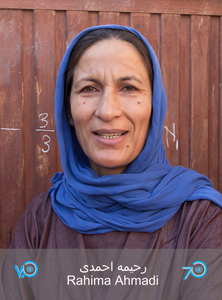
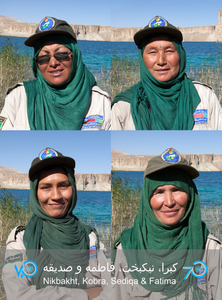
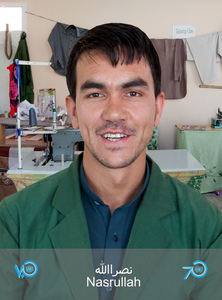
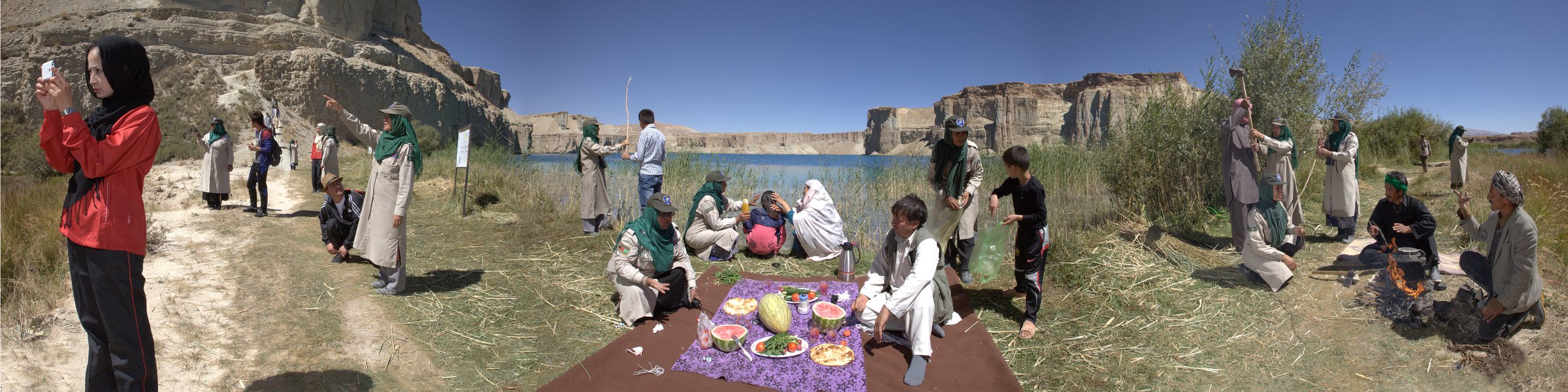
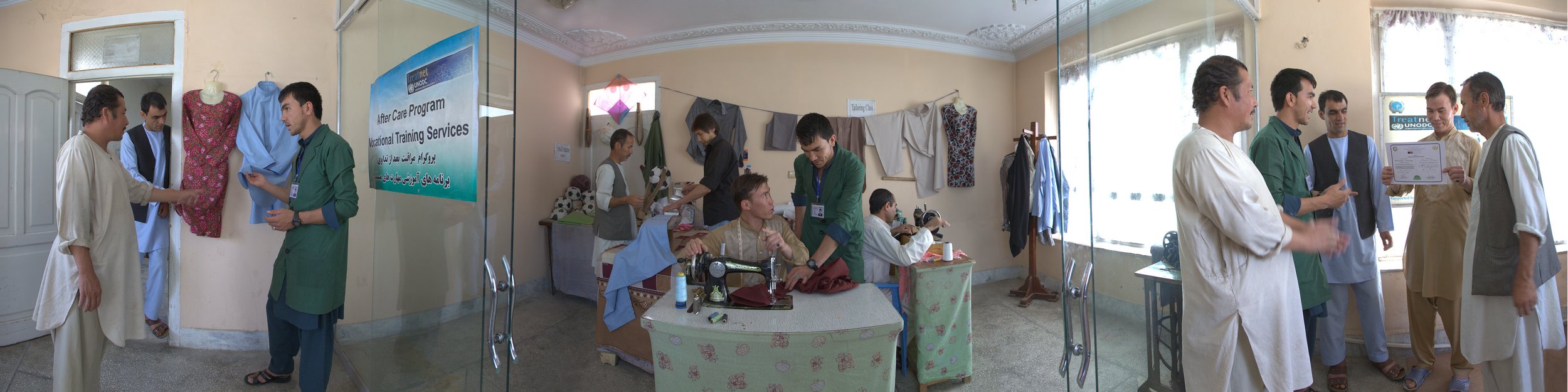
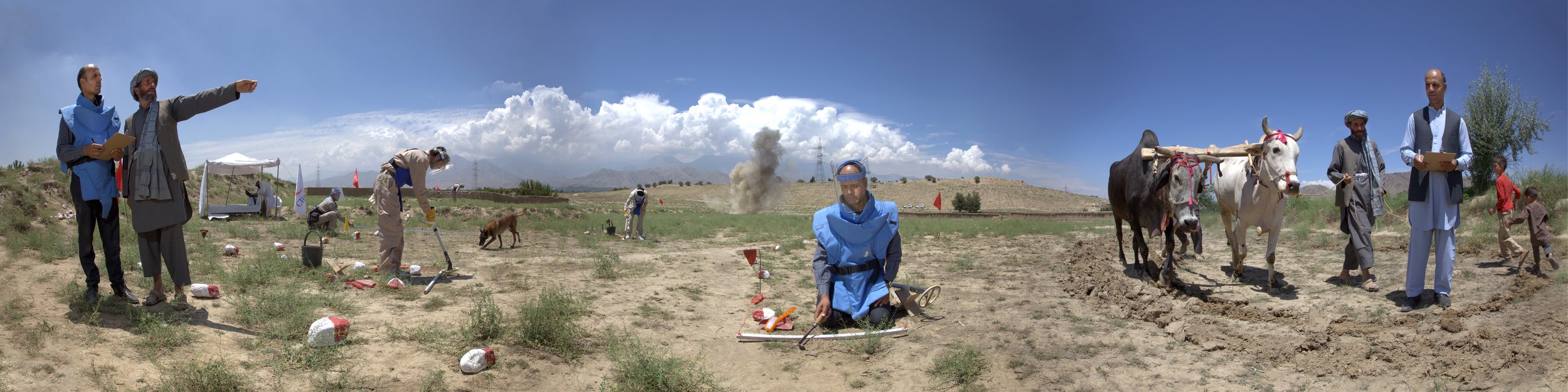
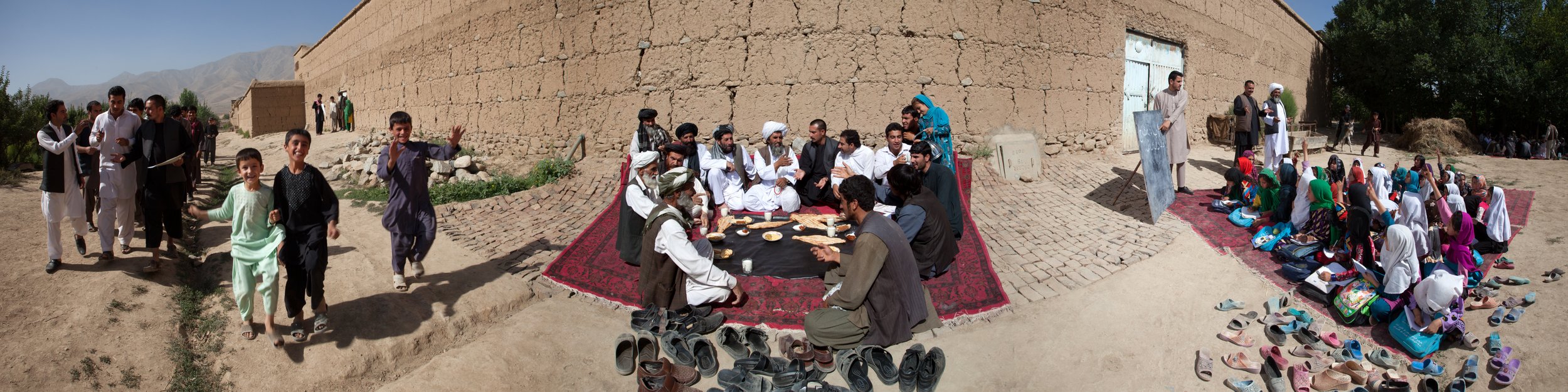
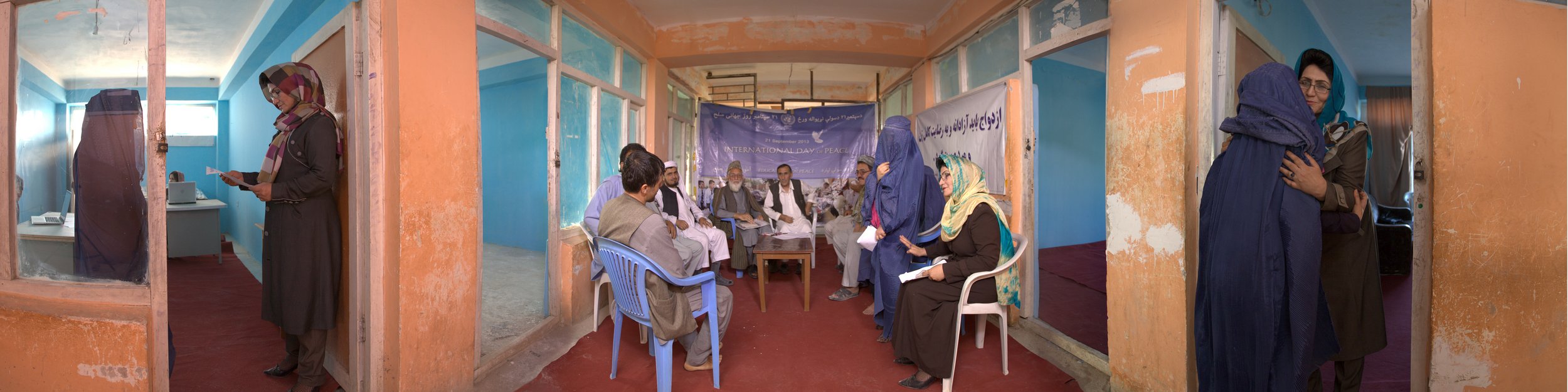
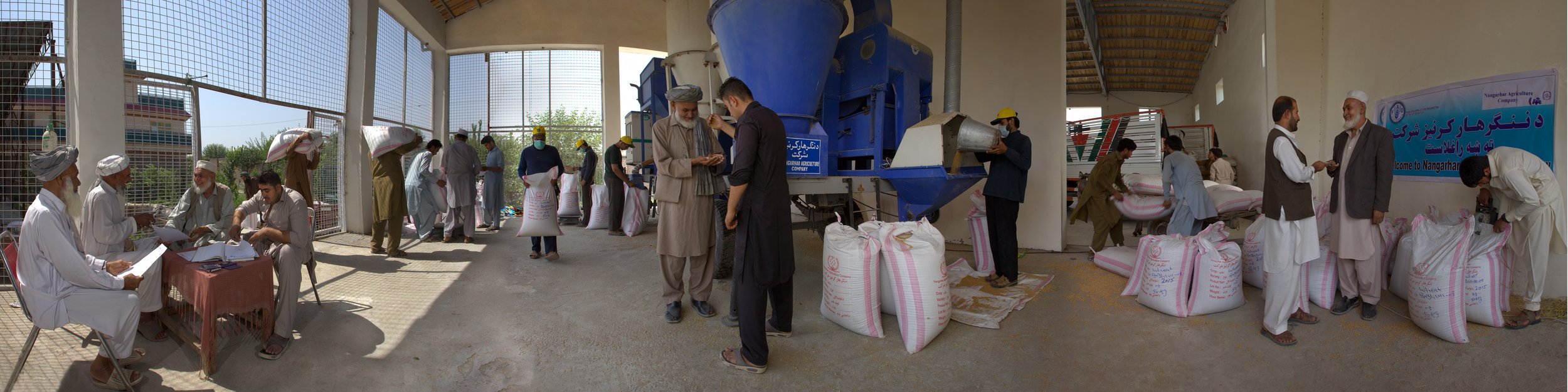
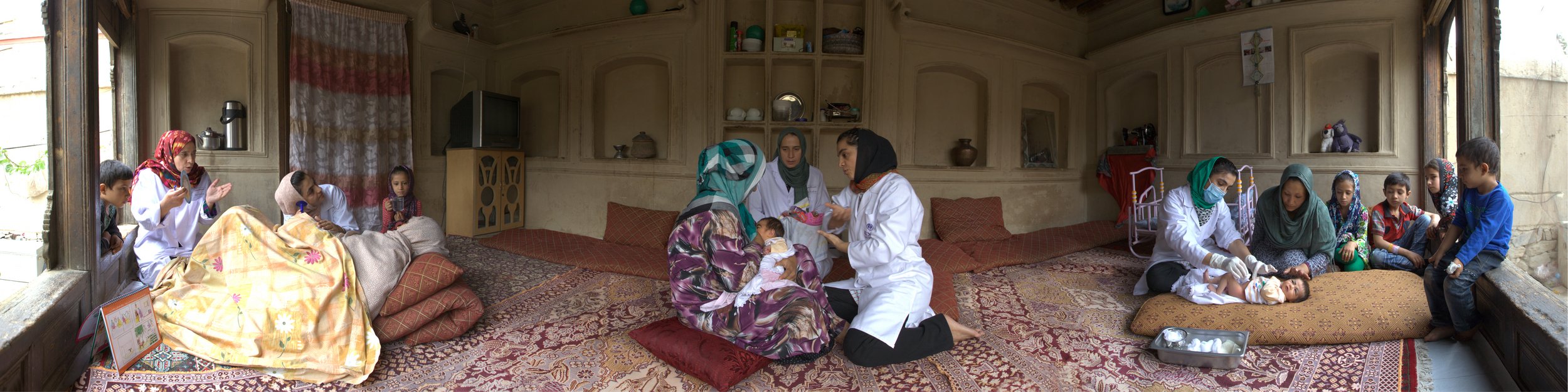
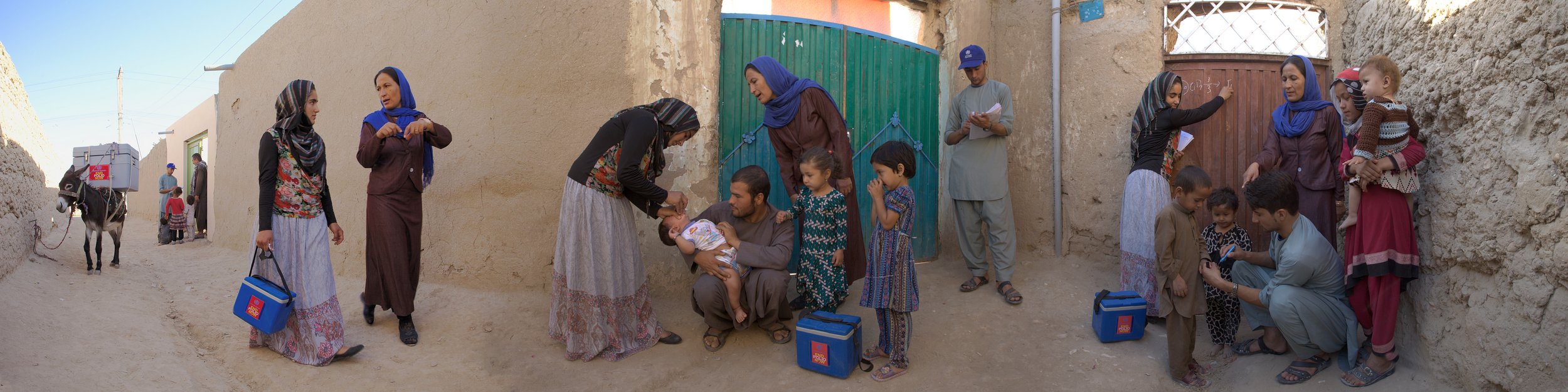
The initiative also belonged to the UN70 “Strong UN. Strong Afghanistan.” campaign, which highlighted Afghan people and their contributions. The campaign’s photographs and stories placed local participation at the centre of the message. Rather than presenting environmental work as something delivered solely by an international organisation, the images showed how communities, officials, students and workers could shape their surroundings.
Today, the campaign is best understood through its archived record. The former website is no longer an active programme portal, yet its material remains useful for understanding how environmental action was communicated in Afghanistan. It offers a snapshot of a period when tree planting was used to express resilience, civic cooperation and hope along some of the country’s most important transport corridors.
Why Highway Trees Mattered
Afghanistan’s highways pass through landscapes where vegetation can be sparse and water is precious. Roadside trees could soften the harsh visual character of built-up areas and provide small pockets of shade for pedestrians, transport workers and travellers. In towns, planting could also help define an entrance, mark a public space or make a newly improved road feel connected to the surrounding community.
Trees are slow infrastructure. A road may be completed within months, while a planted sapling needs years of care before its benefits become substantial. That contrast gave the campaign a strong symbolic quality. Planting signalled a willingness to invest in something that would serve people beyond the immediate political or project cycle.
The environmental benefits depended on suitable species and ongoing maintenance. Trees planted in dry climates require careful site selection, protection from animals, reliable watering during establishment and preparation of soil that may have been compacted by construction. Without those measures, a ceremonial planting can produce a row of dead saplings rather than a lasting green corridor.
This practical lesson is familiar in Australia. Roadside revegetation around Canberra, Adelaide and regional New South Wales often depends on choosing native species that can cope with heat, poor soils and irregular rainfall. A highway planting scheme in Afghanistan faced different ecological conditions, yet the underlying principle was similar: the planting day mattered less than the years of stewardship that followed.
A Public Symbol Of Strong Afghanistan
The phrase “Strong UN. Strong Afghanistan.” gave the campaign a civic frame. Strength was presented through ordinary acts of contribution: caring for a neighbourhood, improving a public space, protecting natural resources and helping a community prepare for the future. Tree planting suited that message because it was visible, practical and capable of involving people of different ages and backgrounds.
Photographs of planting events can make an environmental project appear simple. People gather, place young trees in prepared ground and pose beside a new row of greenery. Behind those images, however, lies a chain of work involving nurseries, transport, tools, irrigation, land agreements and local coordination. The campaign’s value came partly from making that collective effort visible.
The story also challenged the idea that Afghanistan should be described only through conflict or humanitarian need. Environmental action offered another way to represent Afghan communities: as participants in public improvement and custodians of their own landscapes. A tree beside a highway could become a modest but powerful image of agency.
For Australian readers, the comparison with National Tree Day or local Landcare projects is useful. These activities often combine a practical restoration task with a social purpose. Volunteers may plant native seedlings beside a creek, repair habitat near a suburban reserve or restore vegetation on farmland. The Afghan campaign operated within a different political and environmental setting, yet it drew on the same belief that community participation can turn a public concern into a shared responsibility.
Planning A Living Roadside
Successful highway planting begins with an assessment of the site. Authorities and community groups need to consider the width of the road reserve, visibility at intersections, underground services, drainage, pedestrian movement and the risk that roots may damage pavements. Planting too close to traffic can create safety problems, while poorly positioned trees may interfere with power lines or future road upgrades.
Species selection is equally important. A tree suited to a mountain valley may struggle in a hot, dusty plain. Local knowledge can identify species that survive in particular districts, provide useful shade and fit existing farming or cultural practices. Indigenous and locally adapted trees are often preferable where seed, nursery capacity and water availability make them practical.
Water management is the central question in arid and semi-arid settings. Newly planted trees may need regular watering during their first seasons, even when mature specimens can eventually survive with limited rainfall. Mulching can reduce evaporation, and simple guards can protect seedlings from grazing animals or accidental damage. A modest planting programme with dependable aftercare is more valuable than a large event without a maintenance plan.
The Australian market offers a clear parallel. Native plant nurseries, irrigation suppliers, arborists and landscaping contractors all contribute to urban greening projects, from Melbourne streetscapes to Perth’s water-conscious gardens. Councils increasingly weigh the cost of establishment against long-term canopy benefits, while households look for hardy plants that suit local conditions. In Afghanistan, the supply chain and institutional resources were more constrained, making local nurseries and community custodians especially important.
Highways, Communities And Everyday Benefits
A green roadside can support more than visual improvement. Shade may make waiting areas and walking routes more tolerable, particularly for people travelling in intense summer heat. Vegetation can trap some dust, reduce wind speed close to the ground and help stabilise exposed soil. Where trees are planted near settlements, they may contribute to a more comfortable microclimate around homes, schools, markets or public buildings.
Trees can also create a sense of arrival. A line of healthy plantings along a town boundary tells travellers that the place has been cared for. It may strengthen local identity and encourage residents to protect public spaces. In communities where civic infrastructure has been damaged or neglected, even a small landscape project can communicate that improvement is possible.
The social dimension is important because roadside land is rarely empty in practice. People may graze animals, collect fuel, sell goods, walk to work or use the verge as an informal meeting place. A planting project must account for these uses rather than treating the road edge as an unused strip. Consultation can reduce conflict and help residents understand what the trees are intended to provide.
There is an Australian equivalent in the way councils manage streets lined with plane trees, gums or other established species. In Sydney and Brisbane, residents often judge neighbourhood liveability partly through shade, canopy and walkability. At the same time, councils must balance tree protection with footpath repairs, storm damage, fire risk and access for utilities. These competing needs show why environmental planting is a form of local governance as much as a beautification project.
What The Archived Campaign Still Shows
The campaign’s online record matters because environmental communication is part of environmental work. Images, news items and messages from the UN’s Special Representative for the Secretary-General helped connect a local activity with a national narrative. They documented people taking part, offered evidence of cooperation and gave audiences outside Afghanistan a way to see the project through Afghan experiences.
The archived UN Afghanistan archive preserves the broader setting in which this material appeared. It should be read as a historical resource rather than as a current planting service or active campaign page. The distinction matters: websites can remain accessible after a project has ended, while the organisations, contacts and activities described on them may have changed.
The record also invites a more careful assessment of results. A photograph can confirm that trees were planted, but it cannot show how many survived, whether watering continued, or whether the route later underwent construction or environmental stress. Strong evaluation would track survival rates, canopy growth, community involvement, water use and the distribution of benefits across different settlements.
That limitation does not make the campaign irrelevant. It highlights the difference between visibility and durability. Public communication can inspire participation and strengthen support, while long-term environmental outcomes require monitoring, budgets and local ownership. The most useful reading of the campaign holds both ideas together: tree planting was a meaningful act, and its success depended on what happened after the cameras left.
The project also offers a broader lesson for international cooperation. Environmental programmes are most credible when they respect local expertise, use appropriate species and support institutions that can maintain the work. International partners can provide resources, technical advice and public attention, but communities need a genuine role in deciding where trees belong and how they will be protected.
For Australian audiences, this is a familiar principle in a different context. A council may fund a streetscape, a Landcare group may organise volunteers, and a nursery may supply plants, yet the result lasts only when residents, land managers and public agencies share responsibility. The Afghan highway campaign placed that same idea in a setting where ecological pressures and public needs were especially urgent.
Archived campaigns deserve attention because they preserve more than finished publicity. They show how a country was represented, which environmental concerns were made visible and what kinds of public action were considered possible. Along Afghanistan’s highways, young trees became markers of patience, care and collective effort. Their story belongs to the wider history of Afghan communities working to create safer, healthier and more hopeful places.
Explore the archived campaign material, consider the people and practical systems behind the photographs, and share its environmental message with organisations working on urban greening, roadside restoration and community resilience in Australia and beyond. Supporting a local planting day, choosing water-wise native species or learning from a nearby Landcare project can extend the same spirit of shared stewardship into everyday life.