
Making a Difference
UN emergency food aid for conflict-affected Afghan families
Afghanistan’s emergency food crisis is shaped by conflict, repeated displacement, economic disruption and extreme weather. Families who lose their homes, crops or livelihoods can quickly become unable to buy enough food. Emergency rations provide immediate support, while longer-term assistance helps communities rebuild markets, farms and essential services.
The United Nations works with Afghan humanitarians to provide food, nutrition care and, where markets can support it, cash-based transfers. These programmes involve the World Food Programme, UNHCR, UNICEF, FAO, IOM, the Afghan Red Crescent, Afghan non-governmental organisations and community networks. Local knowledge shapes registration sites, delivery routes and the way support is communicated.
Emergency food assistance is not simply the transfer of calories. It must reach households facing the greatest risks without exposing recipients to violence, stigma or exclusion. It must also respect the people delivering it: Afghan aid workers often navigate damaged roads, security concerns and shortages of fuel, medicine and equipment while continuing to serve communities.
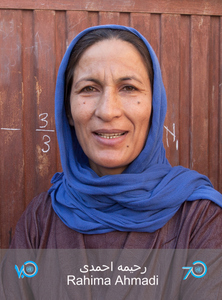
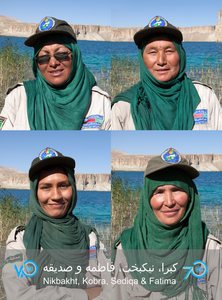
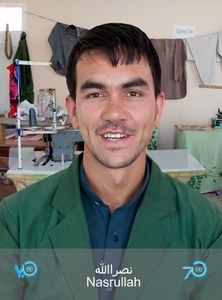
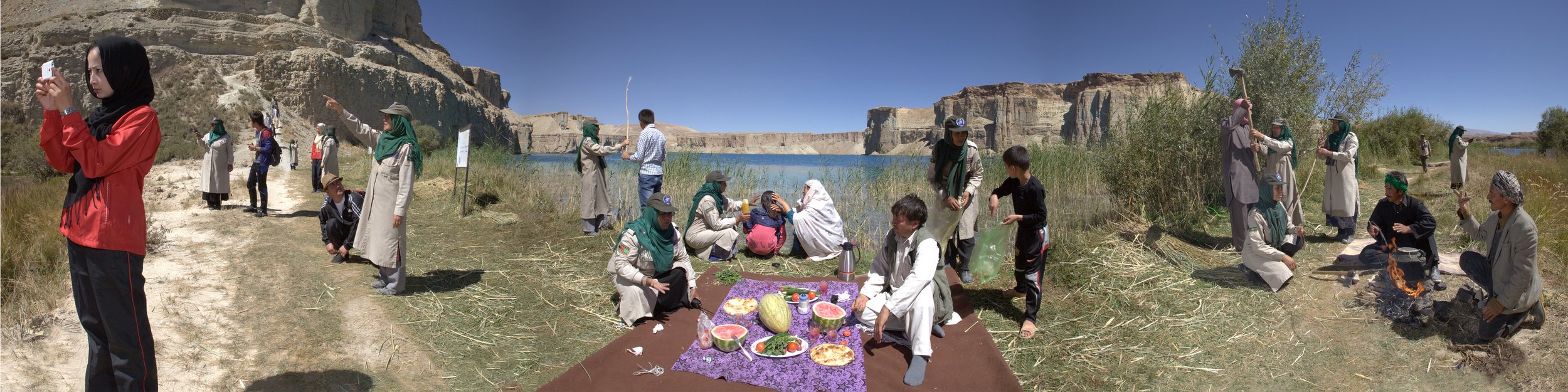
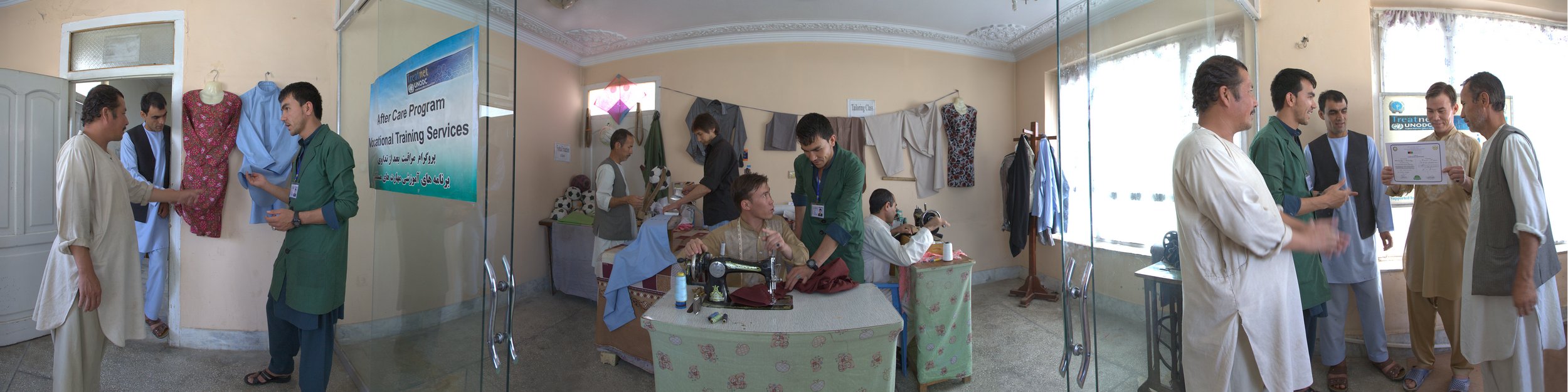
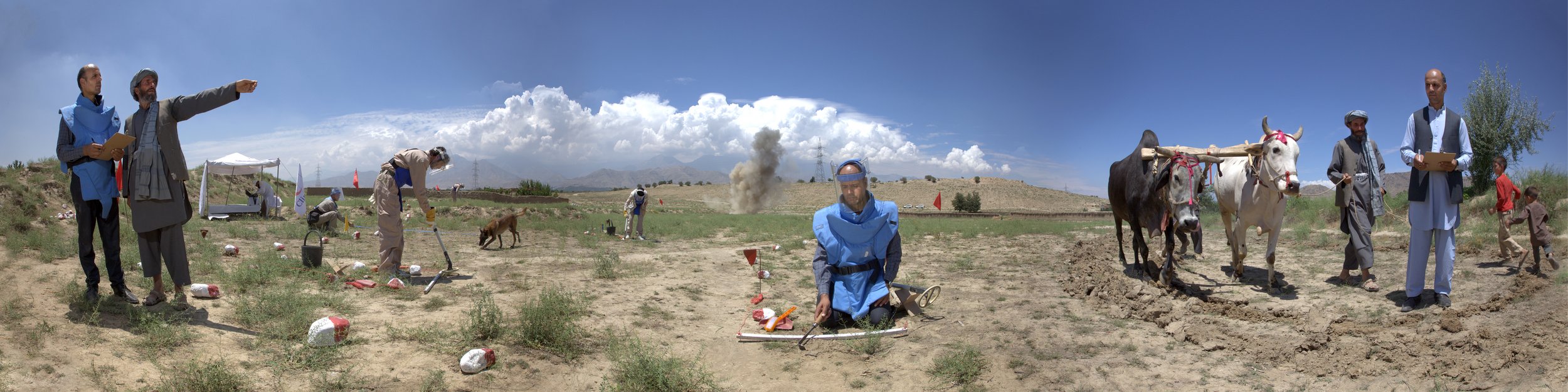
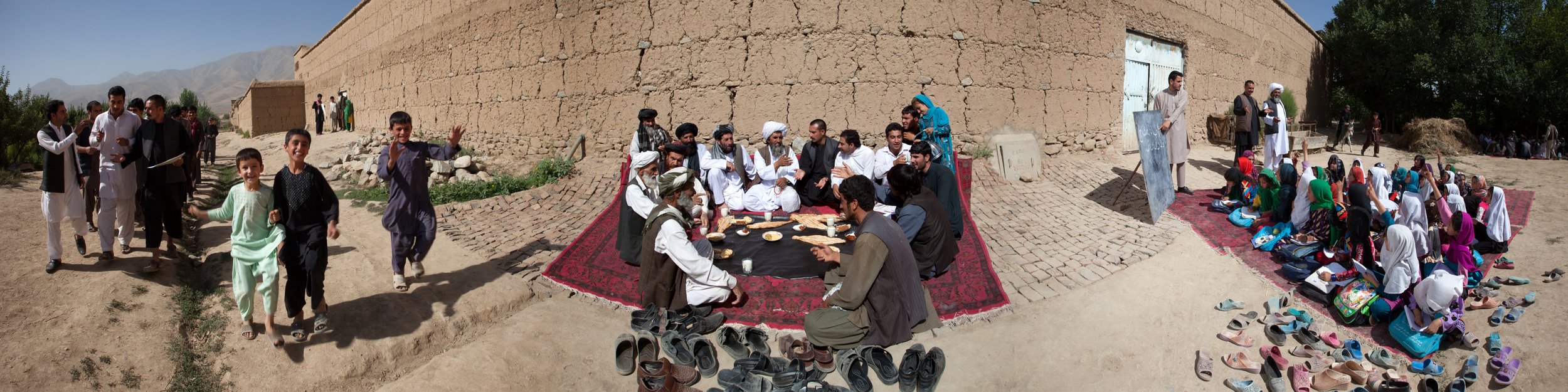
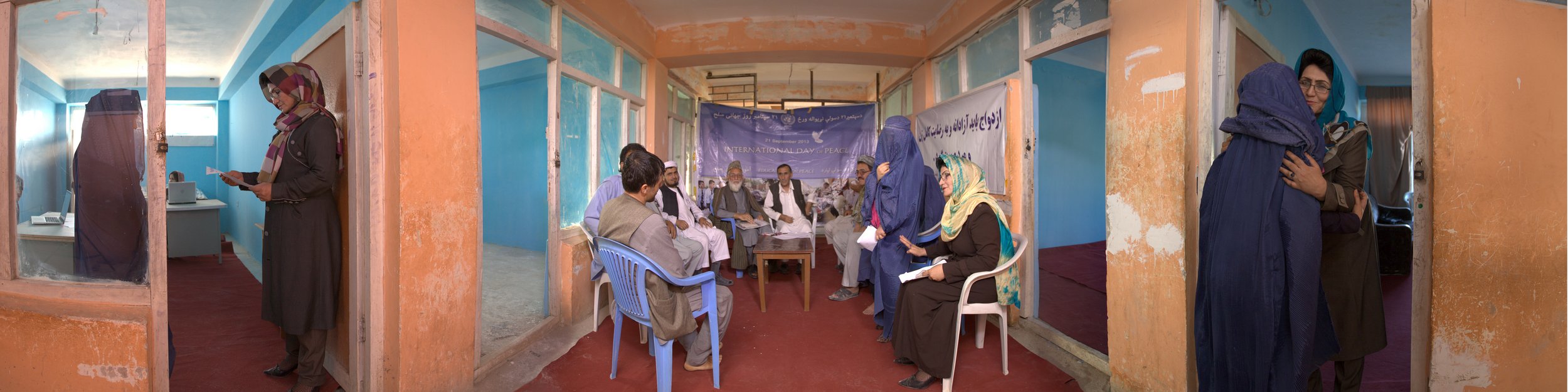
The archived UN70 Strong UN. Strong Afghanistan campaign highlighted Afghan experiences and the UN’s partnership with communities. Its focus on dignity and local leadership remains relevant to emergency food aid, where a fair process can determine whether assistance is trusted and used effectively.
Why families need emergency food support
Conflict and displacement interrupt access to both food and income. A family may have survived a previous shock only to lose its assets during fighting, an earthquake, flooding or a harsh winter. Sudden movement also strains host communities, because displaced households and local residents compete for limited housing, water, grazing areas and market supplies.
Emergency programmes use different forms of support according to need. Some families receive food parcels containing staple items such as wheat products, pulses, cooking oil, salt and fortified foods. Others receive cash or vouchers where shops remain open, prices can be monitored and vulnerable people can purchase suitable food. The choice depends on security, transport, market conditions and the needs of each location.
Vulnerability is rarely visible from a distance. Recently displaced people, older people, children with disabilities, pregnant women and households without income may need priority treatment. Assistance can also affect surrounding communities, since reliable support for host families reduces resentment and helps prevent vulnerable groups from becoming isolated.
How distributions reach displaced households
Aid agencies begin by identifying needs through community assessments, referral networks and existing records. Information may come from local health facilities, protection teams, shelter services and community representatives. Household registration must remain voluntary, and personal details should not be shared in ways that could place families at risk.
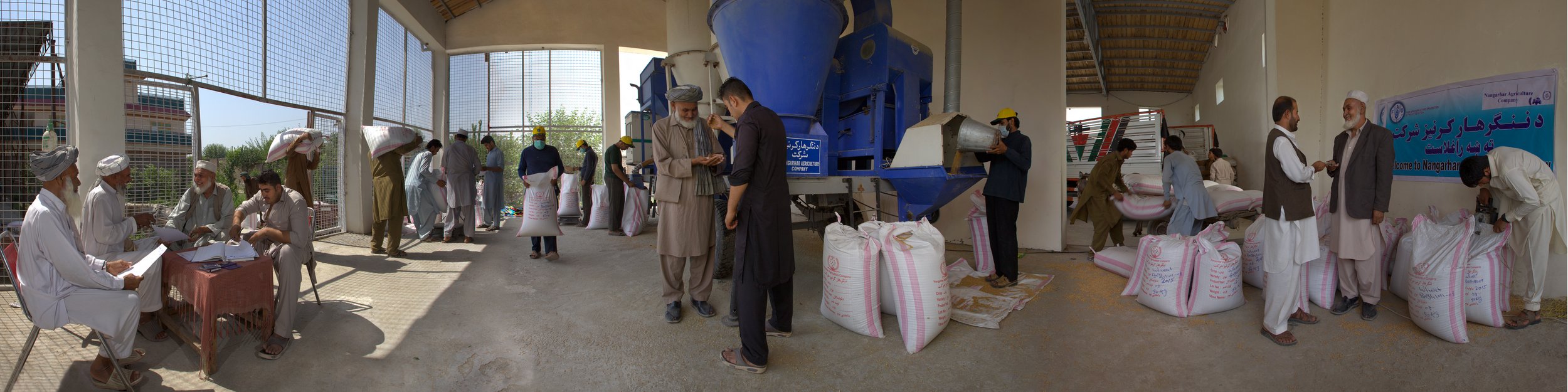
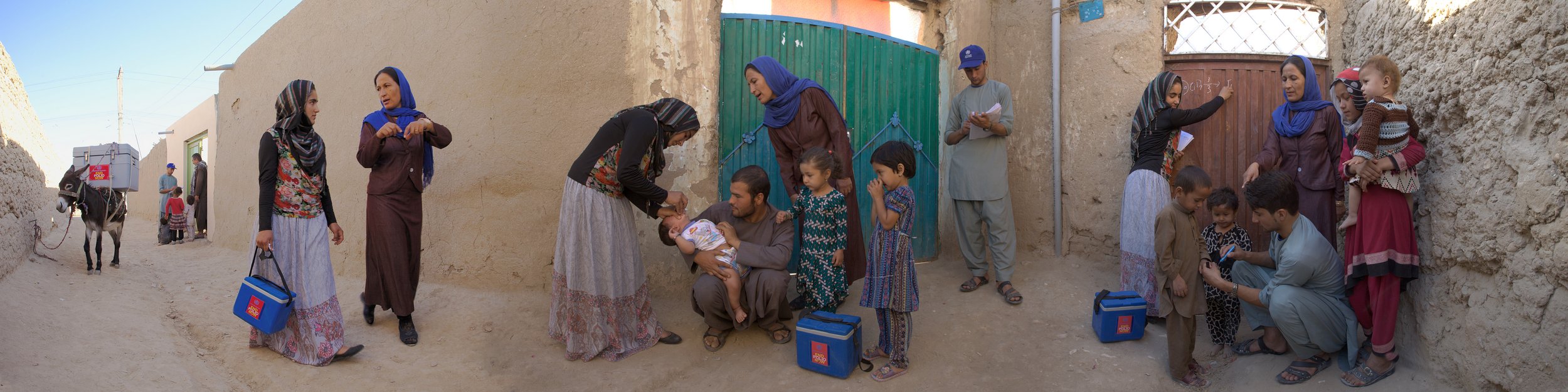
Distribution points may be fixed in larger towns or reached through mobile teams serving remote settlements. Timely announcements, accessible buildings and separate arrangements for women who need privacy can determine who safely comes forward. Ration cards or other basic records can prevent duplication, provided no one is denied food because they lack paperwork or a formal identity document.
The last part of the journey is often the hardest. Deliveries can be delayed by damaged bridges, poor weather, fuel shortages or insecurity, while family members may have travelled a long way to collect a ration. Agencies therefore need contingency routes, backup suppliers, functioning mobile-phone networks and a clear referral process for people whose needs exceed the standard food package.
Nutrition, dignity and safety go together
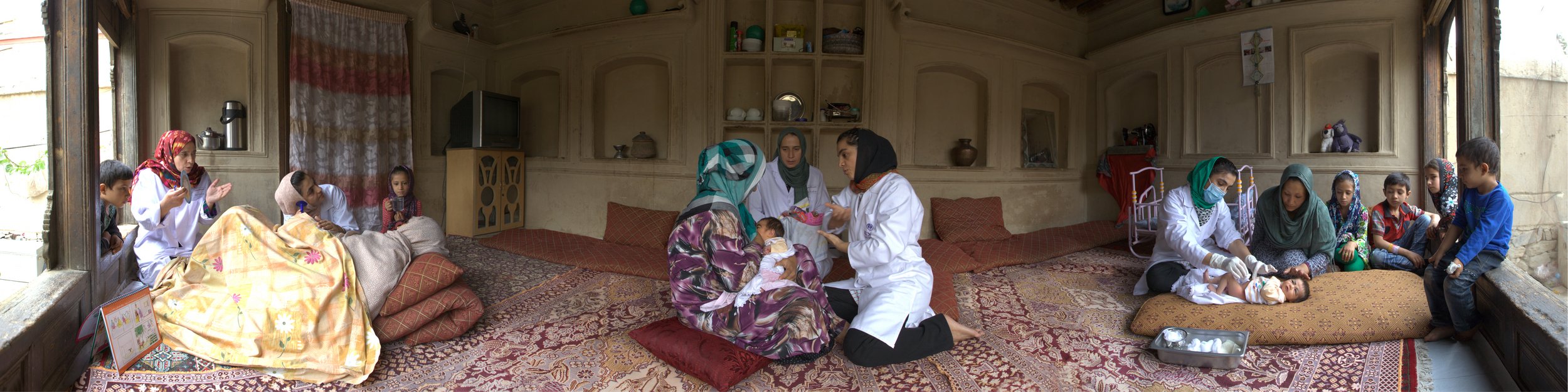
A food parcel should meet nutritional needs without creating new pressures. Agencies assess the composition of rations, the age of children and the ability of each household to cook and store food. Nutrition teams may provide fortified blended foods, supplementary feeding or treatment for severe acute malnutrition, alongside referrals to health services.
Distribution practices also shape dignity. People should know what they are entitled to receive, why an eligibility decision was made and how to request a review. Female aid workers and accessible services help women and girls obtain support safely. Safeguarding systems are essential because aid workers, registration data and crowded distribution sites can otherwise create opportunities for exploitation, harassment or abuse.
Food cannot replace protection, health care, clean water, shelter or legal assistance. When those services are missing, malnutrition and displacement become harder to address. Emergency planners therefore coordinate with other sectors rather than treating food distribution as a stand-alone response.
What makes a distribution work
A reliable programme combines clear rules with flexibility for local conditions. Staff need to know who is eligible, what each household should receive and what happens when roads close or a community experiences another shock. Communities also need ways to report mistakes without fear of retaliation.
Measures that keep assistance fair
- Household needs determine priority rather than political affiliation or personal connections.
- Portions and transfer values are adjusted when prices, household sizes or local conditions change.
- Distribution sites are reachable by people with disabilities and safe for women and children.
- Feedback channels operate through trusted local contacts as well as direct reporting options.
Strong operations also depend on markets and supply chains. If shops cannot restock or prices rise sharply, cash may not buy enough food. Agencies can then combine cash with in-kind assistance, support local suppliers or adjust transfer values. Distributors must track stock, transport costs and spoilage to ensure that resources reach the intended locations.
Checks before a food box is handed over
- The package matches the recorded household size and agreed dietary needs.
- Stock is complete, safe to store and packed for safe transport to the home.
- Distribution records are reconciled without publishing identifiable beneficiary details.
- Complaints and urgent referrals are reviewed during and after each distribution.
Post-distribution monitoring helps agencies compare plans with what families actually experience. If people sell food immediately to cover debt, cannot cook because fuel is unavailable or travel home with the ration is dangerous, the programme has found a problem that a basic delivery report would miss. Timely adjustments protect both nutrition and trust.
Afghan knowledge strengthens the response
Afghan organisations bring linguistic ability, local relationships and detailed knowledge of roads, markets, seasonal conditions and community dynamics. Their staff can identify changes that outside observers may overlook, such as a new displacement movement, a damaged bridge or a sudden rise in food prices. This expertise makes assessments more accurate and helps agencies reach families without creating additional risks.
Afghan women’s participation is particularly important in a response intended to serve the whole population. Female nutrition workers, social workers and community representatives can identify barriers that affect women and girls while also supporting consultation with men and community leaders. Partnership should include meaningful decision-making, fair remuneration and access to training, rather than delegating difficult tasks without adequate resources.
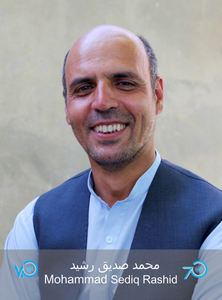
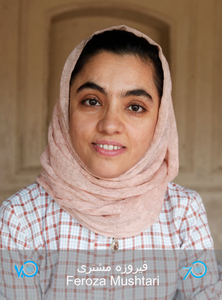
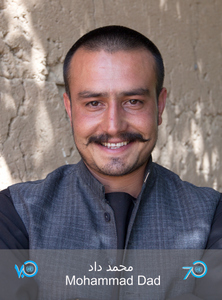
The archived Strong UN. Strong Afghanistan campaign used photographs, personal stories and messages from the Special Representative of the Secretary-General to place Afghan perspectives at the centre of the UN response. Such material can show that recipients are neighbours, workers, parents and leaders with knowledge and agency, not passive figures in a humanitarian crisis. Images should still be used with informed consent and attention to safety.
What this means for Australia
Many Australians have direct connections to Afghanistan through family, migration and community organisations. Afghan and wider diaspora communities in Sydney and Melbourne have raised funds through mosques, schools, universities and local councils. These efforts show how support can begin within Australian neighbourhoods while remaining connected to relatives and partner communities in Afghanistan.
The Australian supermarket landscape offers another familiar reference point. Shoppers at Woolworths, Coles and Aldi regularly encounter changing prices and adjust household budgets during periods of cost-of-living pressure. The comparison can help explain why cash assistance requires careful monitoring of inflation and market availability, although Afghanistan’s insecurity, transport constraints and repeated shocks are far more severe.
Service is a strong part of Australian civic life, particularly around ANZAC Day on 25 April. Emergency responses to bushfires and heatwaves have also made stockpiling, volunteer networks and dependable transport familiar public concerns. These experiences can support empathy for Afghan families, but they should not be treated as equivalent. The central need is sustained safety, nutrition and the ability to remain in one’s own community.
Turn solidarity into responsible action
Support is most useful when it is timely, flexible and guided by Afghan priorities. Predictable funding allows agencies to pre-position food, maintain nutrition services and adjust quickly when conditions change. Funding for local partners, protection services and women-led organisations is as important as support for visible emergency distributions.
Australians can help by sharing accurate information from current UN channels and giving through established organisations with active Afghanistan or refugee programmes. Relevant options may include UNICEF Australia, the Australian Red Cross and Caritas Australia. Before contributing, check the organisation’s current website and confirm that the appeal supports Afghanistan, displaced communities or refugee protection rather than an unrelated emergency.
The archived Strong UN. Strong Afghanistan website remains a record of past work, not an active donation page. Use current UN and partner websites for live appeals, then give and share with care so that Afghan families receive practical support without losing their dignity or their voice.