

Making a Difference



Cleaner Cooking And Healthier Homes In Afghanistan
The United Nations has long worked with Afghan communities on practical ways to improve daily life, including access to energy, health services and safer household technology. Among the most valuable interventions are improved cooking stoves designed to reduce smoke inside homes while using less fuel.
Cooking fires are central to family life in Afghanistan, particularly in rural areas and informal settlements where electricity or piped gas may be unreliable. Yet burning wood, coal, crop residue or animal dung in a poorly ventilated room can release fine particles, carbon monoxide and other pollutants.
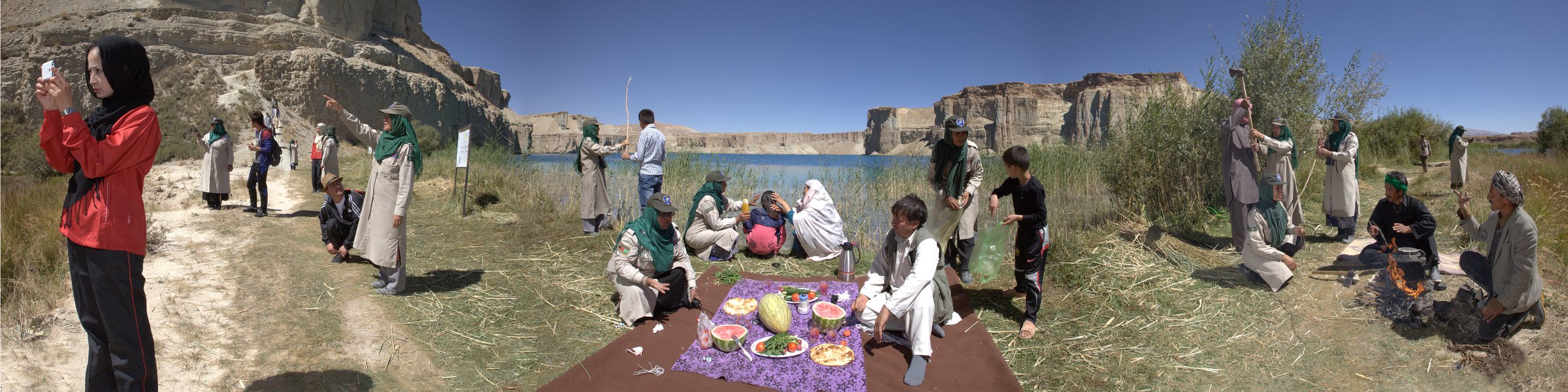
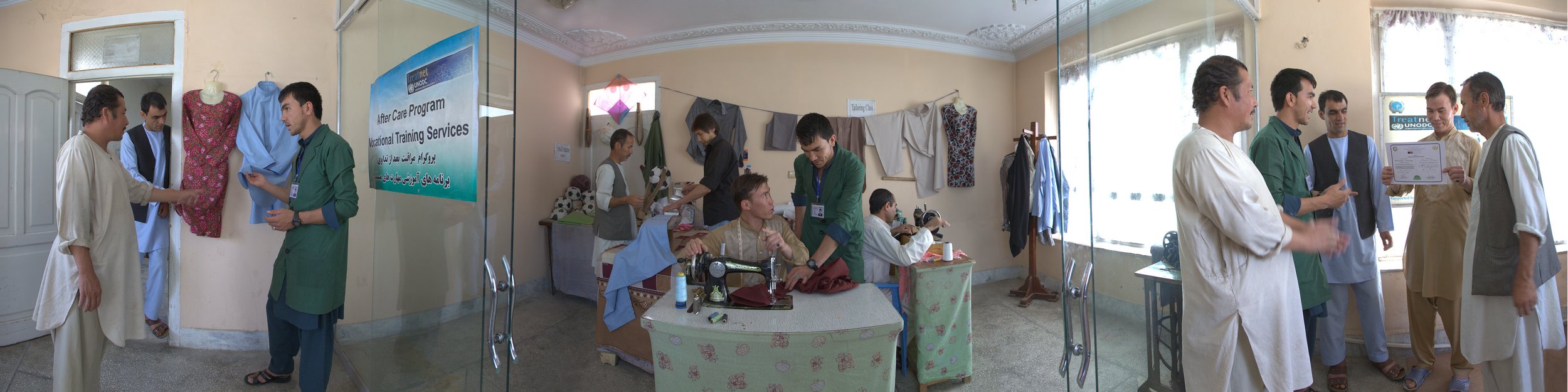
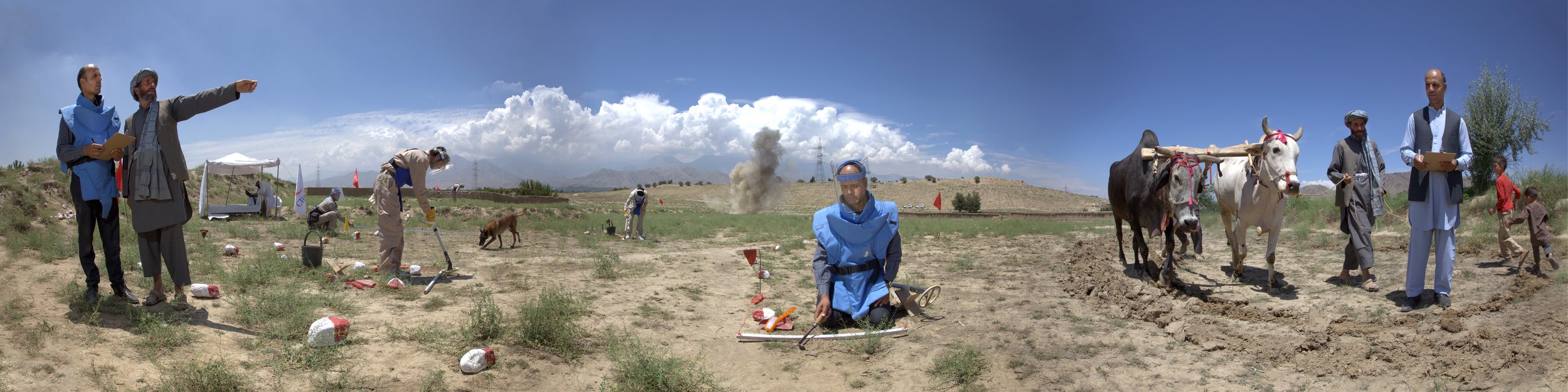
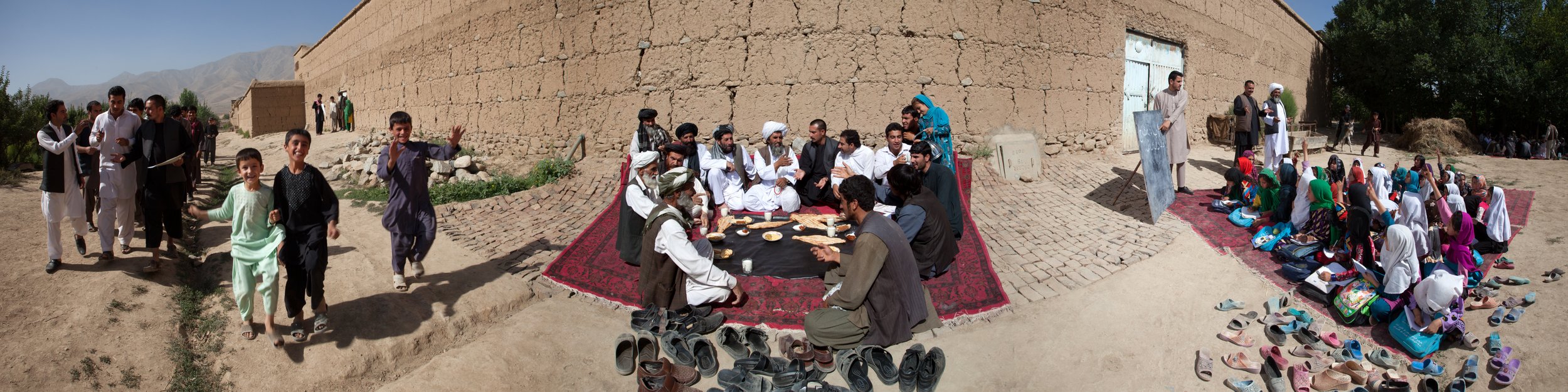
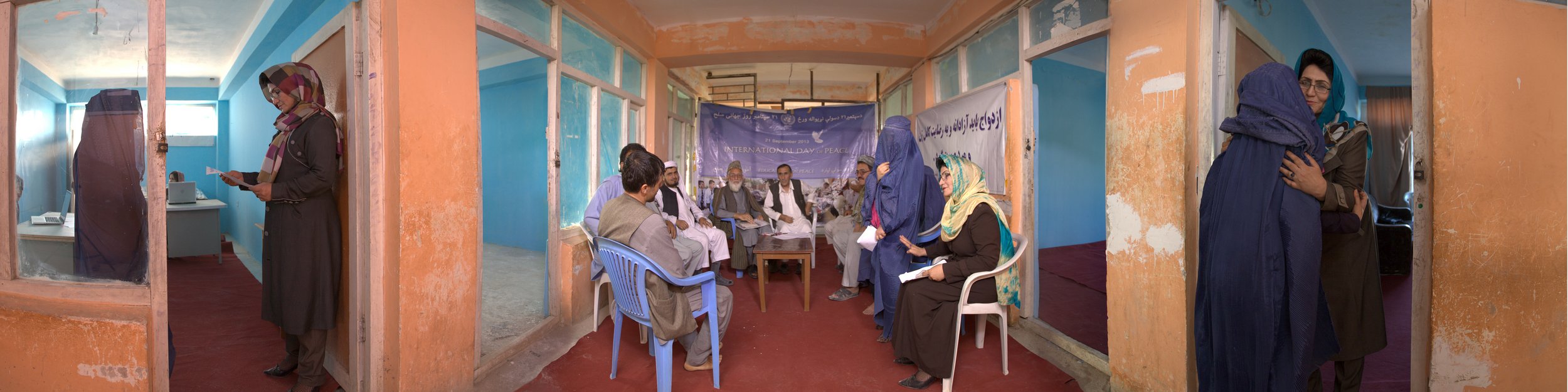
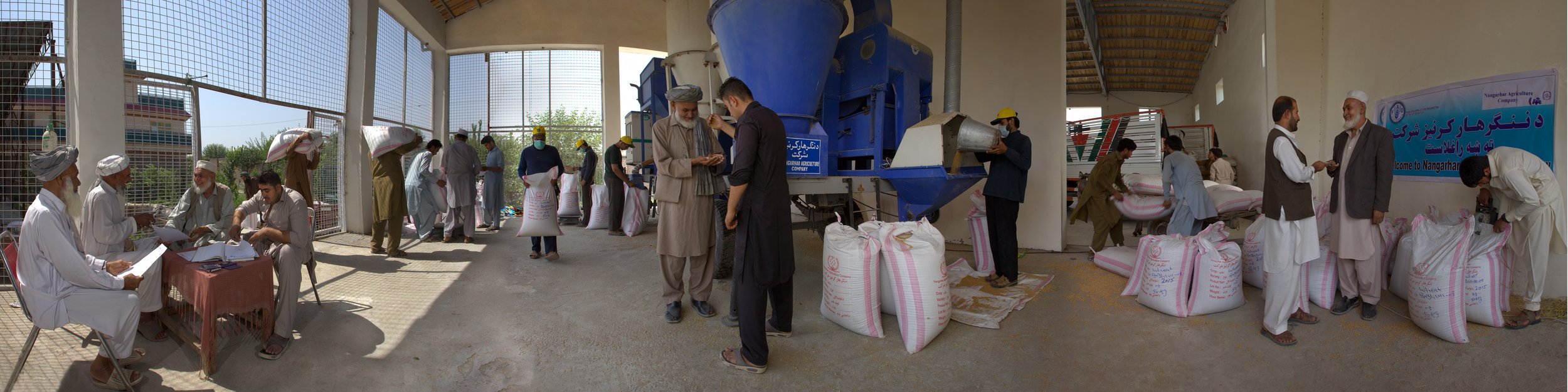
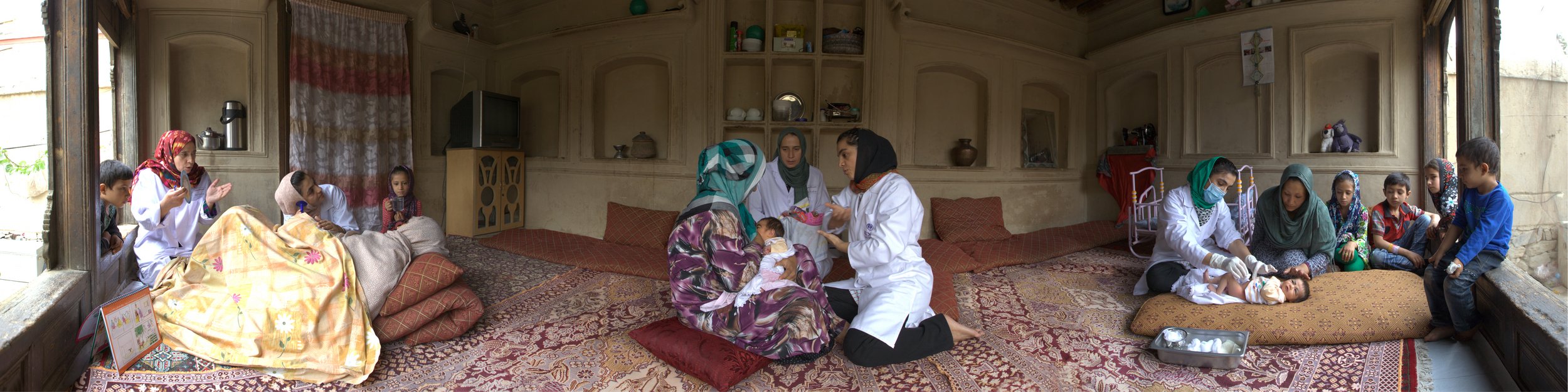
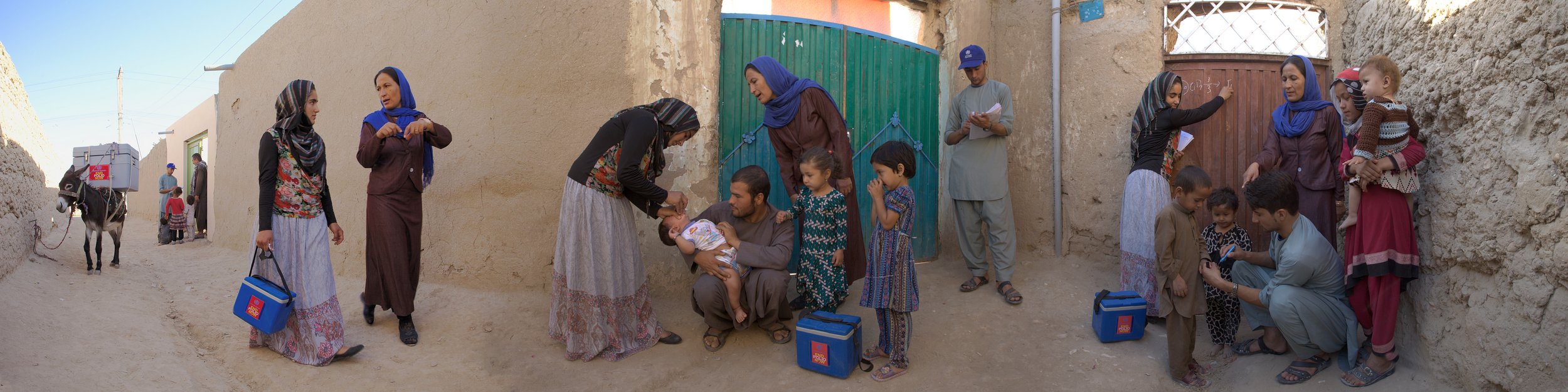
The UN70 “Strong UN. Strong Afghanistan.” campaign presented Afghan people as partners in building stronger communities. Its archived stories and photographs provide a useful setting for understanding why a modest technology, such as a fuel-efficient stove, can support wider goals in health, household finances and environmental protection.
For Australian readers, the subject may feel distant, but the underlying issue is familiar. Indoor air quality is shaped by the appliances people use, the fuels they burn, the design of their homes and the regulations that govern safety. The Afghan experience shows how clean cooking must be practical, affordable and accepted by the people expected to use it.
Why Indoor Smoke Is A Public Health Issue
Traditional cooking fires can produce a dense mixture of fine particulate matter, carbon monoxide, black carbon and irritant gases. Fine particles can travel deep into the lungs, while carbon monoxide reduces the blood’s ability to carry oxygen. Repeated exposure is linked with respiratory illness, eye irritation and increased risks for children, older people and those with existing health conditions.
Women and children often spend the most time near household cooking areas. In Afghanistan, that pattern can be intensified by cold winters, limited ventilation and the need to cook indoors for long periods. A stove that burns fuel more completely and directs smoke outside can therefore improve health without requiring a complete change in household routines.
The health benefit is influenced by more than the stove itself. A technically efficient model may perform poorly if it is used with wet fuel, installed incorrectly or operated in a room with no chimney. Ventilation, maintenance, fuel availability and user training are essential parts of an effective clean-cooking programme.
How Improved Stoves Change Household Energy Use
An improved stove generally uses a better-insulated combustion chamber, a controlled air supply and a cooking surface that transfers heat more efficiently to a pot. Some models include a flue or chimney to carry smoke outdoors. Others are designed to burn a particular fuel, such as biomass pellets, wood or compressed agricultural waste.
The immediate household advantage is lower fuel consumption. Families may spend less money on purchased fuel or less time collecting firewood. Reduced fuel demand can also ease pressure on nearby trees and make cooking possible during periods when fuel prices rise or supplies are disrupted.
The design must fit local cooking practices. Afghan households may prepare bread, rice, stews and tea using vessels and techniques that differ from those assumed by imported products. A stove that cannot accommodate common pots, simmering methods or family-sized meals is unlikely to remain in regular use, even if its laboratory performance is impressive.
Affordability matters just as much as efficiency. A subsidised appliance can reach households quickly, but long-term use depends on access to replacement parts, repair workers and suitable fuel. Local production can help by reducing transport costs and allowing manufacturers to adapt dimensions, materials and cooking surfaces to regional needs.
Afghan Conditions Shape The Solution
Afghanistan’s geography and infrastructure create significant barriers to clean household energy. Mountainous terrain, harsh winters, dispersed villages and damaged transport networks can make fuel distribution difficult. Many families rely on whatever combustible material is available locally, even when it produces high levels of smoke.
The UN’s work in Afghanistan has commonly involved coordination with government bodies, local organisations and community representatives. That partnership model is important for clean cooking because residents understand seasonal fuel shortages, household layouts and cultural preferences better than an outside supplier.
Women’s participation is especially important. They are often the primary users of cooking equipment and may also manage fuel collection and household spending. Training women as stove producers, sales agents, repair workers or community educators can improve adoption while creating modest livelihood opportunities.
A successful programme also needs careful monitoring. Useful measures include household fuel use, chimney condition, indoor particulate concentrations, reported breathing symptoms and the proportion of households still using the stove after six or twelve months. Distribution figures alone cannot show whether exposure has actually fallen.
What Australian Homes Can Learn
Australian households generally have better access to electricity, gas and regulated appliances, yet indoor air pollution remains relevant. In Melbourne and other southern cities, wood heaters can be useful during cold winters but may release smoke when wet timber is burned, the flue is poorly maintained or the heater is operated inefficiently.
Gas cooking is another example. It avoids the smoke associated with an open biomass fire, but combustion can produce nitrogen dioxide and other pollutants indoors. Using a rangehood that vents outdoors, opening suitable ventilation and keeping burners maintained can help reduce exposure. Induction cooking offers a low-emission indoor alternative at the point of use, although its upfront cost and electrical requirements affect accessibility.
Australian building and product rules also shape household choices. The National Construction Code addresses ventilation and building performance, while appliance and wood-heater requirements operate alongside state and territory environmental rules. Standards such as AS/NZS 4013 apply to the testing of wood heaters, and local councils may impose restrictions on smoke or heater installation.
The market is different from Afghanistan’s, but the lesson is similar: technology works best when it matches everyday behaviour. An appliance that is inexpensive to run, simple to clean and compatible with ordinary cooking habits is more likely to deliver lasting benefits than a sophisticated product that is difficult to maintain.
| Household energy issue | Afghan clean-cooking response | Relevant Australian parallel |
|---|---|---|
| Smoke inside the home | Improved combustion and a flue or chimney | Outdoor-vented rangehoods and compliant heater flues |
| High fuel use | Insulation and controlled airflow | Efficient electric or induction appliances |
| Unreliable supply | Designs suited to locally available fuels | Electricity prices, gas access and appliance running costs |
| User acceptance | Cooking surfaces adapted to local meals | Products sized for Australian kitchens and habits |
| Ongoing performance | Training, repairs and monitoring | Servicing, compliance checks and replacement parts |
Measuring Health, Cost And Environmental Gains
The strongest case for Afghan clean cooking stoves combines household and community benefits. If a family burns less fuel, it may save money or reduce the hours spent gathering wood. If smoke levels fall, children may experience fewer respiratory irritations and adults may miss fewer days of work.
Lower demand for wood can help slow local deforestation, although the environmental outcome depends on the fuel source and the scale of adoption. A biomass stove is not automatically climate-neutral. Black carbon and other emissions still matter, and the full impact includes manufacturing, transport and the sustainability of fuel collection.
Evaluation should therefore compare actual use with a realistic baseline. Researchers may measure indoor fine particles before and after installation, record fuel purchases and observe cooking practices. Household surveys can reveal whether residents notice less smoke, faster cooking or fewer problems with eyes and breathing.
For Australians, this evidence-based approach is familiar from energy ratings, appliance testing and public health guidance. It also provides a useful way to assess claims made by clean-energy products. Promotional language should be supported by independent testing, transparent assumptions and results from real homes rather than laboratory figures alone.
Practical Lessons For Clean Cooking Programmes
Clean cooking initiatives tend to be stronger when they address the full household system rather than distributing a device in isolation. Key priorities include:
- Match the stove to local meals, pots and fuel supplies.
- Provide clear instructions on ventilation and safe operation.
- Train local technicians to repair chimneys, doors and combustion chambers.
- Track continued use after the initial distribution.
Community trust can be strengthened through demonstrations in homes, schools, women’s groups and health centres. Residents can compare cooking speed, smoke levels and fuel needs before deciding whether a new model suits them. Feedback should be used to redesign products rather than treating non-use as a failure by the household.
Financing also deserves attention. Small instalments, targeted subsidies or community savings schemes may be more practical than a single purchase price. Programmes should avoid shifting costs onto families who already spend a large share of their income on heating and cooking fuel.
For policymakers and organisations considering similar work, the most useful indicators include:
- Indoor fine-particle and carbon-monoxide readings.
- Fuel consumption per household and season.
- Stove retention, repair rates and user satisfaction.
- Participation of women in training, production and distribution.
Building A Longer-Term Energy Transition
Improved biomass stoves can reduce harm where modern energy is unavailable, but they are not a substitute for reliable electricity, clean fuels and resilient infrastructure. Afghanistan’s longer-term energy needs include expanded renewable generation, stronger distribution networks and affordable options for heating and cooking.
Solar power may support lighting, communications and small appliances, although household cooking generally requires more energy than a basic solar home system can provide. Mini-grids, efficient electric appliances and cleaner fuels could gradually reduce dependence on smoky solid fuels when investment and maintenance systems become available.
The humanitarian and development dimensions should be connected. Emergency assistance can distribute safer equipment quickly, while development programmes build local manufacturing, energy markets and technical skills. Coordination helps prevent overlapping projects, inconsistent stove designs and spare-parts shortages.
The archived UN Afghanistan campaign remains relevant as a reminder that national progress is built through individual and community contributions. A safer stove may appear small beside major infrastructure projects, yet it reaches the daily routine of a family and can influence health, household expenditure, women’s time and the local environment.
Australian readers can support informed discussion by examining product claims, choosing appliances with strong efficiency and safety credentials, and following local rules on wood heating and ventilation. Those interested in wider environmental and community initiatives can also explore practical sustainability resources while comparing evidence rather than relying on marketing alone.
Clean cooking is ultimately a question of access, design and dignity. The Afghan example shows why a solution must be developed with communities, tested in real homes and supported after installation. Governments, aid organisations, manufacturers and households can all help move the goal from cleaner stoves to genuinely healthier indoor air.