
Making a Difference
Mobile Blood Collection And Community Health In Afghanistan
Blood donation is one of the clearest ways a community can support emergency care. A reliable supply of safe blood can determine whether a hospital treats a woman facing obstetric complications, a child with severe anaemia, or a patient injured in a road crash. In Afghanistan, where distance, insecurity and limited infrastructure can separate rural families from specialist services, collection systems must travel closer to the people who need them.
Mobile blood collection units offer a practical bridge between central blood banks and local communities. They can operate from a vehicle, temporary clinic, hospital courtyard, workplace or community venue, collecting donations under controlled conditions before transporting them for testing, processing and storage. The model also reflects a wider United Nations priority: building trust, participation and health resilience through Afghan-led action.
Why Mobile Collection Matters In Afghanistan
Afghanistan’s geography makes fixed-site donation difficult for many potential donors. Mountains, damaged roads, seasonal weather and long travel times can turn a short medical procedure into a full day’s journey. A collection van visiting a provincial centre, university, public office or large workplace can reduce that burden and make voluntary donation more realistic.
Mobile services are especially valuable when a central facility must serve a wide catchment area. A major hospital may have refrigeration and laboratory capacity, yet still struggle to recruit enough donors from surrounding districts. A planned visit allows health workers to bring registration, screening and collection equipment to a community, then return the units to a designated blood bank for quality checks.
The approach also supports surge capacity. A mass-casualty incident, difficult winter or sudden increase in surgical demand can place pressure on existing stocks. Mobile teams cannot replace a properly funded national blood service, though they can widen the donor base and create a network of repeat contributors. Their success depends on coordination with health authorities, hospitals, laboratories and humanitarian partners rather than operating as isolated campaigns.
The UN’s role is best understood as a convening and support function. Agencies can help partners share public health messages, strengthen logistics, promote non-discriminatory access and document community participation. Afghan doctors, nurses, technicians, volunteers and local leaders remain central to the safe delivery of each collection session.
How A Mobile Blood Drive Works
A professional mobile unit begins well before the first donor arrives. Staff identify a suitable site, estimate attendance, check transport routes and confirm how collected blood will reach a licensed testing and storage facility. The location needs privacy, clean water, electricity or backup power, adequate lighting and enough space for registration, screening, donation and recovery.
Donors are usually registered and asked about their health, recent illness, medication, travel and previous donations. A trained worker checks basic eligibility, which can include age, weight, haemoglobin level and general wellbeing. The exact rules are set by the responsible health authority. Clear explanations are essential because a person who is deferred should understand that the decision protects both the donor and future patients.
During collection, sterile single-use equipment is used, and each bag receives an identification code. The team monitors the donor for dizziness, nausea or anxiety, then provides rest, water and a light snack. The blood is transported under controlled conditions for screening for infections and for grouping into compatible blood types. Only units that pass the required testing should enter the clinical supply.
This chain is where a campaign becomes a health service. A successful event is not measured by bags collected alone. It must also protect confidentiality, maintain accurate records, reduce contamination risk and ensure that every unit can be traced. Reliable cold storage, transport documentation and laboratory capacity are as important as the public appeal that brings donors through the door.
Trust, Culture And Inclusive Participation
Voluntary donation depends on confidence. In communities that have experienced conflict, displacement or weak public services, people may reasonably want to know who will receive their blood, how it will be tested and whether the process is safe. Messages should use plain language and be delivered by trusted Afghan health workers, community elders, religious figures, women’s groups and local organisations.
Cultural awareness shapes attendance. Some donors may need gender-sensitive arrangements, private spaces or female health staff. Others may be concerned about fasting, religious observance, family approval or misconceptions about blood loss. Scheduling around Ramadan, prayer times, school commitments and working hours can make participation more accessible. Respectful explanations should replace pressure, and no person should be shamed for being unable or unwilling to donate.
Women’s participation deserves particular attention because maternal health is a major reason for maintaining blood supplies. A mobile service must consider privacy, transport, security and the availability of female staff. It should also recognise that some potential donors may be caring for children or may have recently given birth and therefore may not be eligible. Inclusion means removing practical barriers while following medical safeguards.
Afghan communities often rely on family and neighbourhood networks during a crisis. Those networks can help spread accurate information, yet a blood system should avoid making relatives feel personally responsible for finding a compatible donor in an emergency. A stable voluntary programme gives hospitals a broader and fairer supply, reducing dependence on urgent family replacement donations.
Lessons For Australian Health Communities
The mobile model has useful parallels in Australia, although the systems and operating conditions are different. Australian Red Cross Lifeblood runs scheduled donation services and mobile collection centres, while hospitals and community groups help connect donors with appointments. In Sydney, Melbourne and Brisbane, a workplace or university drive can bring a collection team into a dense urban setting; in Perth and regional Western Australia, planning must account for longer distances and transport time.
Australian donor culture also shows the value of regular, convenient reminders. People may book an appointment through a digital service, attend after work, or combine donation with a visit to a shopping-centre precinct. Community halls, council facilities, sporting clubs and large employers can all provide familiar locations. In some local areas, a footy club, surf lifesaving group or multicultural association can be more effective at mobilising donors than a broad advertisement.
The Australian market illustrates another important point: mobile collection is a coordinated service, not simply a van with medical equipment. It requires trained staff, collection bags, testing laboratories, refrigeration, fleet maintenance, appointment systems and public communications. Rising operating costs, fuel prices and workforce shortages affect the affordability of outreach. A well-designed programme must decide where a mobile visit will produce enough safe donations to justify those resources.
There are also lessons about expectation management. Blood products have different shelf lives, and demand changes across surgery, cancer treatment, trauma and maternity care. A donor may arrive hoping to help a particular patient, while the service must allocate blood according to clinical need. Explaining this process helps Australians understand why regular donation matters even when there is no dramatic emergency in the news.
The comparison should remain respectful. Afghanistan’s health system faces conditions that cannot be mapped neatly onto those of a wealthy Australian city. The value of comparison lies in shared principles: make services convenient, communicate clearly, protect donors, use reliable logistics and build repeat participation. Those principles can travel even when budgets, geography and clinical capacity differ.
Measuring Results And Sustaining The Network
A mobile blood drive should track more than attendance. Useful indicators include the number of first-time and repeat donors, units accepted after testing, deferral rates, adverse reactions, gender and age distribution, travel distance, stock wastage and the time taken to transfer donations into usable inventory. These measures show whether a campaign is reaching new communities or simply moving existing donors between sites.
Data protection is vital. Medical information must be handled confidentially, with access limited to authorised staff. Communities should receive honest reports about the purpose of collection, testing standards and general outcomes. Publishing inflated figures or implying that every donation becomes a transfusion can weaken confidence when people discover the limits of the system.
Sustainability requires a route plan. A mobile team might visit a district hospital monthly, a university each quarter and a remote community during a seasonal health outreach programme. Returning to known sites allows staff to improve operations and helps donors form a habit. It also gives local partners time to arrange transport, translation, refreshments and suitable rooms.
Partnerships should strengthen public institutions rather than create parallel systems that disappear when a project ends. The Ministry of Public Health, provincial authorities, blood banks, teaching hospitals and community organisations need clearly defined responsibilities. International support can assist with equipment, training, communications and monitoring, while national institutions retain ownership of standards and service delivery.
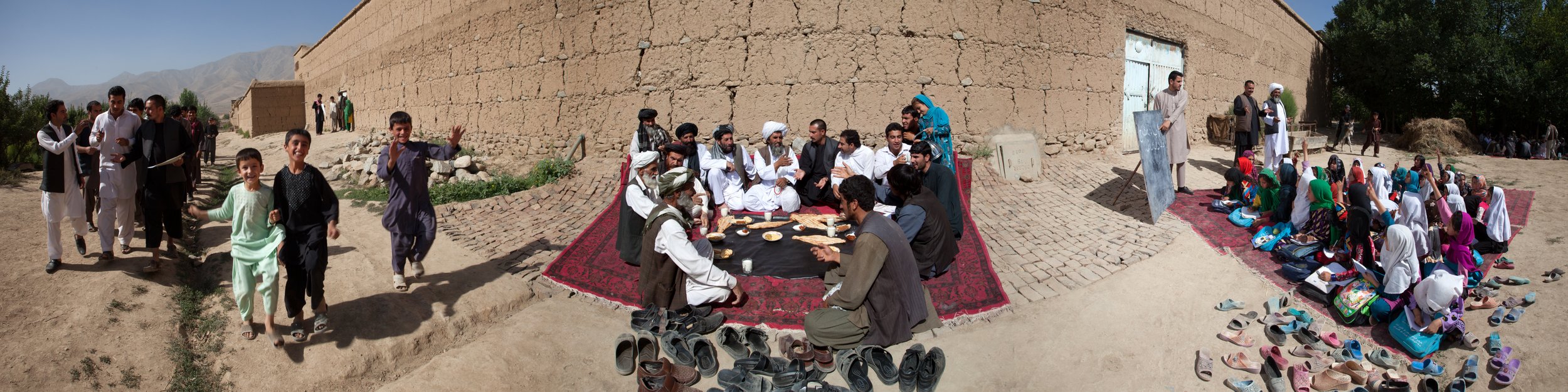
The archived UN Afghanistan campaign provides a useful public window into the broader idea of Afghan people contributing to their communities. Readers can explore the UN Afghanistan archive to see how stories, photographs and messages were used to present partnership and civic action. A blood drive fits that framework because every safe donation links an individual decision with the capacity of the wider health system.
Mobile collection units are therefore more than emergency-response vehicles. They are visible signs that health services can reach beyond major hospitals, that communities can participate in protecting one another and that careful logistics can turn goodwill into clinical support. Their long-term value comes from repetition, safety and trust: the same team returning, the same standards being applied and the same communities seeing their contribution handled responsibly.
Support blood donation through an accredited service in your local area, share accurate information about eligibility and encourage regular participation rather than waiting for a crisis. In Australia, that may mean booking with Lifeblood, joining a workplace or community appointment, or helping a local sporting and cultural group host a well-organised donor session. The principle is universal: safe, voluntary blood donation is a practical act of solidarity that helps health systems respond when lives depend on them.