
Making a Difference
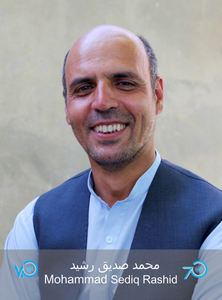

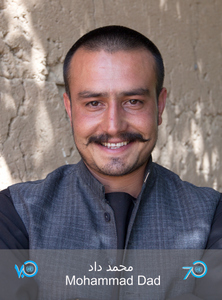
UN training for Afghan border police and anti-trafficking shelters
Afghanistan’s land borders and displacement hubs are places where trafficking in persons can be interrupted before harm spreads. People may be recruited through deception, threats, withheld documents or debt, then moved for sexual exploitation, forced labour, criminal activity or abusive relationships. Border police therefore encounter more than border management: they may meet someone whose freedom is being controlled.
The UN’s Afghan anti-human trafficking training links those encounters to a survivor-centred response. Its central lesson is that identification is only the beginning. Safe questioning, confidential referral and timely shelter placement must follow, while police avoid arrests, stigma or promises that they cannot keep. Shelter teams likewise need structured pathways to medical care, legal assistance, psychosocial support and reintegration.
For an Australian audience, the value is not to transplant Afghan systems wholesale. It is to examine how border officers, police, labour inspectors, community workers and housing providers can recognise coercion, share information responsibly and act without retraumatising a person. The archived UN campaign offers practical lessons about whole-of-community protection.
From checkpoints to victim-centred policing
Afghanistan’s formal crossings with Iran and Pakistan, unofficial routes and nearby transit towns form different operational settings. At busy checkpoints, an officer may notice signals that do not fit a voluntary journey: a travel companion speaks for the person, identity papers remain with an employer or broker, or an itinerary changes suddenly. Such indicators justify a closer, rights-respecting check, not a conclusion on the spot.
Training can give officers a consistent sequence: ensure immediate safety; speak privately where possible; use an interpreter; ask open, non-leading questions; explain confidentiality and referral options; and record facts without labelling the person a criminal. A private interview is especially important where a trafficker, family member or fellow traveller may monitor the conversation. Irregular migration status alone is not evidence of trafficking, and nationality, gender or occupation should never be treated as proof.
Referral must also be practical. A person leaving a checkpoint may need transport, a phone, a safe night, a medical assessment and a case worker before a formal shelter bed becomes available. Officers should therefore know which services accept referrals, operate after hours and can support women, children, men and people with disabilities without discrimination. Data should be shared on a need-to-know basis, with consent respected wherever possible.
Shelters as gateways to safety
A shelter is more than a bed. For someone who has experienced trafficking, emergency accommodation can provide the first safe interval between exploitation and a stable plan. A secure address, basic hygiene, meals, clothing and a safe way to contact workers can replace the surveillance and unpredictability of the trafficking situation. Some people also approach shelters directly, making community-based services an essential alternative to a police-first response.
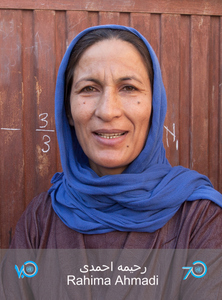
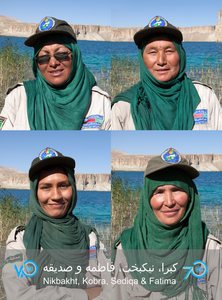
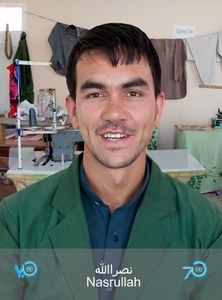
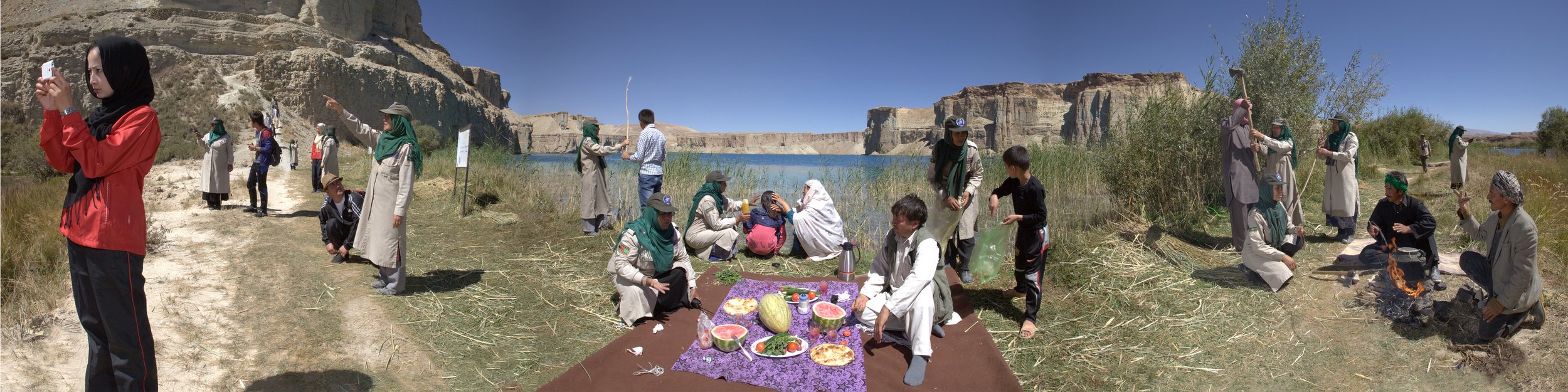
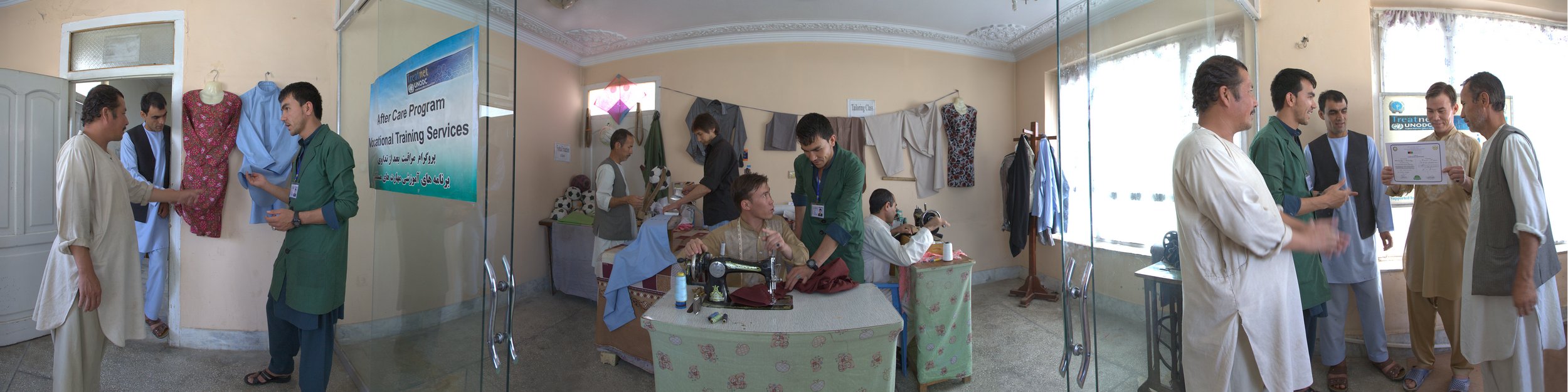
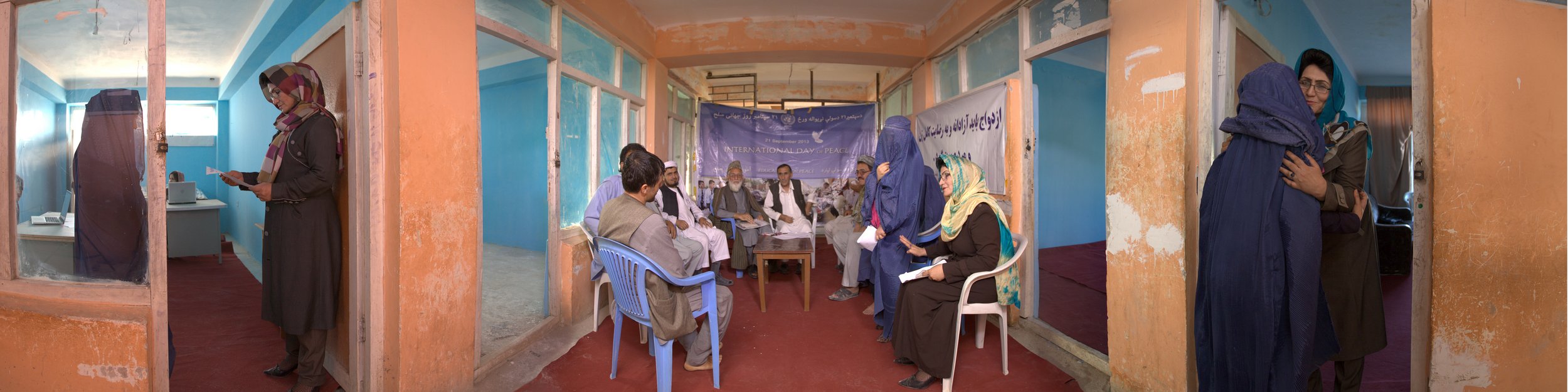
The archived UN Afghanistan campaign records Afghan perspectives on the contribution of local workers in building safer communities. Afghan-led shelter and outreach services are especially important because language, cultural knowledge and trust shape whether a person feels able to disclose what happened. Services can support family tracing, replacement of identity documents, healthcare, legal advice and referrals for schooling or livelihoods. They should also offer safe communication options when returning to a community may expose someone to retaliation.
A good referral is two-way. Shelter teams confirm whether a referred person arrived, assess urgent needs and feed back relevant information under an agreed protocol. Police retain public-safety responsibilities, but they should not use shelter attendance as automatic evidence of trafficking. Survivors can move between services without repeating their story to every agency, a principle that reduces retraumatisation and improves continuity.
Why shelter capacity determines whether referrals work
Training becomes meaningful only when a referral does not end at a full waiting list. Seasonal movement, displacement, sudden arrivals and limited transport can leave a person stranded for days. Without a rapid response, information gathered at a border may be lost, exploitative networks may regroup, and the person may return to the same harmful situation. Capacity therefore has to be planned around urgent arrivals rather than average demand alone.
Capacity planning should cover both short-stay crisis support and longer-term housing options. It should consider whether a person can remain safely near a courthouse, clinic or employment network, whether children can access education, and whether disability or medical needs require adapted accommodation. A shelter that cannot safely house someone should still be able to make a warm referral and help arrange transport. Mobile outreach can fill gaps where people cannot safely travel to a service.
Quality also depends on safeguarding. Staff need supervision, psychosocial support and clear rules against retaliation, exploitation or abuse within services. Residents should know how to raise concerns, and managers should keep complaints confidential and independently reviewed. Public awareness campaigns can explain coercion without creating ethnic or occupational profiling. Keeping these details visible demonstrates that protection is an institutional duty, not an optional service extra.
Lessons for Australian cities and institutions
Australia offers a useful comparison because risk can sit inside apparently ordinary workplaces and households. In Sydney, Melbourne, Brisbane and Perth, international students and temporary workers may move among hospitality, cleaning, agriculture, construction and domestic-care jobs, sometimes changing address or employer rapidly. Consumer-facing businesses such as supermarkets, cafés, hotels and restaurants also connect Australian demand with complex overseas supply chains.
Public transport, pharmacies, community clinics, food banks and migrant services are everyday contact points. A quiet person at a late shift or a worker who cannot access the roster system may need another route to a counsellor, union representative, legal service or safe accommodation. Afghan and other migrant communities can be supported through Dari and Pashto interpreting, community organisations and trusted local networks rather than a single national helpline.
| Afghan border-and-shelter setting | Australian multi-agency setting | Shared safeguarding principle |
|---|---|---|
| Border police identify trafficking indicators during movement | Australian Border Force, police, prosecutors and labour inspectors encounter risks in different settings | Use non-judgmental checks and refer according to need |
| Specialist shelters provide immediate safety and case management | Support may sit across refuges, hospitals, welfare agencies and community organisations | Maintain a live referral map and confirm transfers |
| Afghan-language and Afghan-led support builds trust | Dari and Pashto interpreting and migrant-led services strengthen access | Provide interpreters, confidentiality and culturally safe support |
| Cross-border information requires careful limits | Commonwealth, state and territory privacy rules govern information sharing | Share only necessary information and record consent |
Legal duties must also be clear. The Commonwealth Modern Slavery Act 2018 requires covered businesses to report on modern slavery risks in their operations and supply chains. State and territory laws set different mandatory-reporting duties for prescribed professionals, including for specified offences involving children and vulnerable people. These duties do not replace a trafficking referral, but they can trigger urgent safeguarding action. Confidentiality, employment protections and immigration support should be explained without overstating what police, a regulator or a service provider can do.
Housing pressure complicates referrals in Australian cities, where a person leaving an exploitative job may have no savings, no rental history and overdue utilities. Municipal welfare teams, tenancy advocates and financial counsellors can be part of the response. Guidance on utility shut-off support offers a practical starting point when arrears become an urgent risk to safety and stability.
A practical referral protocol for safer handovers
A workable protocol turns good intentions into repeatable action. The same basic standard can support Afghan border police and shelters, and Australian agencies adapting lessons for their own settings:
- Train border, police, labour, health, housing and community workers to use trauma-informed questions and respectful referral language.
- Maintain a current directory of services with opening hours, languages, disability access, transport options and after-hours contacts, while protecting contact details.
- Establish a named referral coordinator so police, outreach teams and shelters can confirm receipt, respond to gaps and clarify handovers.
- Provide independent interpreters and allow a person to choose whether a trusted advocate attends an interview or appointment.
- Assess immediate safety, travel documents, medical needs, children and dependent people before deciding on accommodation or onward referral.
- Review referral completion, complaints, retaliation risks and staff wellbeing regularly, then document corrective action and share lessons across teams.
Protocols should record what action was offered, not invasive details unnecessarily. A compact handover can capture consent, safety risks, urgent medical needs and the next contact. Australian workers should also distinguish trafficking from general migration or labour disputes, because legal pathways differ. Afghan staff may face pressure to act quickly during border surges, yet a referral that is unsafe or unrecorded can expose both the person and the worker. A brief written summary reduces reliance on memory and helps every service maintain continuity.
A durable response begins with Afghan leadership
The UN’s approach succeeds when Afghan institutions and communities lead the decisions that affect them. Border police can open a safe route out of exploitation, but shelters and community workers help determine whether that route remains safe. Training is therefore an investment in relationships: reliable referral agreements, respected local knowledge and continuity when staffing or funding changes.
The completed UN70 Strong UN. Strong Afghanistan. campaign was created as a record of Afghan contributions, while the official site now serves as an archive. Its stories remain useful for education, staff development and public awareness, especially when communities are discouraged from speaking about exploitation. They should be shared as evidence of Afghan agency, not as a substitute for the voices of current survivors.
Act on that record today: read the archived campaign, share verified anti-trafficking information, support Afghan-led shelter and outreach services, and ask partner organisations in Australia to maintain transparent, survivor-centred referral standards. Every safe handoff can prevent exploitation from travelling further.