



Making a Difference


Ethics Training And Public Trust In Afghanistan
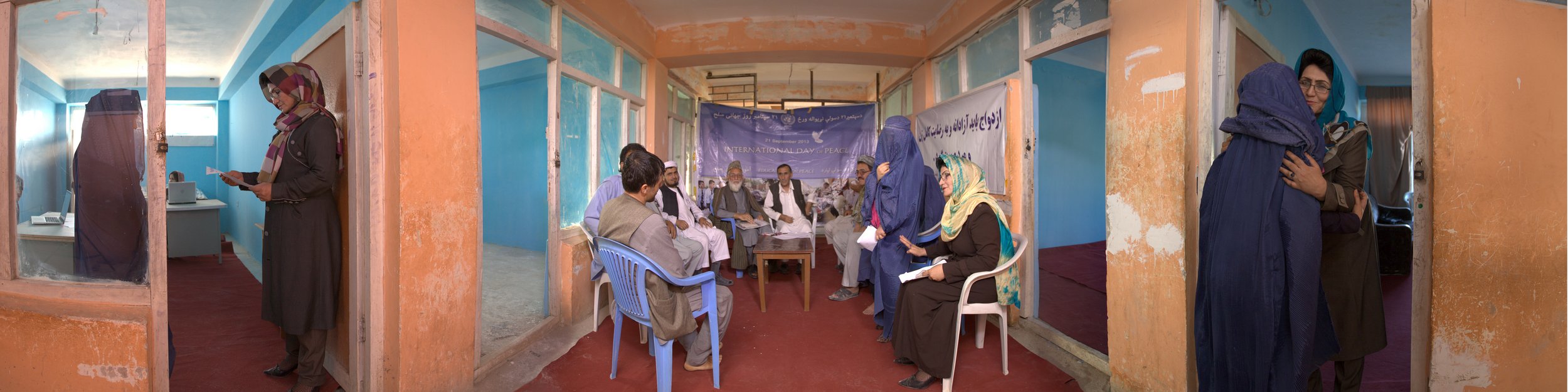
The United Nations’ work in Afghanistan has often combined humanitarian support, development assistance and institution-building. Within that broader effort, anti-corruption workshops for civil servants addressed a basic requirement of public service: officials must be able to recognise ethical risks, manage conflicts of interest and make decisions that can withstand public scrutiny.
These workshops were especially important in a setting where government institutions faced pressure from limited resources, insecurity, weak oversight and low public confidence. Their value extended beyond technical rules. Ethics training aimed to connect everyday administrative decisions with the dignity, rights and expectations of Afghan communities.
Why Ethics Training Mattered
Corruption is not limited to a dramatic exchange of cash. It can involve favouritism in recruitment, undisclosed family connections in procurement, misuse of official vehicles, pressure from influential people or the diversion of public resources. For a civil servant, the difficult moment may arrive when a request appears socially normal but conflicts with the public interest.
UN-supported training helped place these situations within a clear professional framework. Participants could examine how impartiality, integrity, transparency and accountability should influence decisions about licences, public contracts, aid distribution and access to government services. The emphasis was practical: officials needed tools they could use when rules met real-world pressure.
Afghanistan’s geography and social structure made this work particularly sensitive. A public employee might serve a small community where professional relationships overlap with family, tribal, commercial and political networks. Ethical guidance therefore needed to recognise local realities without treating personal connections as an automatic sign of wrongdoing. The central question was whether an official could act fairly and explain the decision openly.
What The Workshops Sought To Change
Effective anti-corruption education goes beyond asking officials to memorise definitions. It helps them identify risks before a decision is made. A workshop might explore how to declare a conflict of interest, refuse an improper benefit, record a procurement decision or refer suspected misconduct to an appropriate authority.
This approach also clarifies the difference between a gift, hospitality and a bribe. In many societies, hospitality is part of ordinary social life. The ethical risk appears when a benefit is connected to an official decision, creates an obligation or is kept hidden from colleagues and the public. Civil servants need consistent guidance so that personal judgement is supported by institutional rules.
Another important theme is protection for people who report wrongdoing. Employees may stay silent when they believe complaints will damage their careers or expose their families to pressure. Training can explain reporting channels, confidentiality and documentation, while senior leaders must demonstrate that retaliation will not be tolerated. A code of conduct has little effect if staff believe that only junior employees are punished.
Turning Principles Into Daily Decisions
The strongest ethics programmes use scenarios rather than abstract lectures. A procurement officer could be asked what to do when a bidder is a relative. A licensing official might consider whether accepting a meal from a business owner affects impartiality. A manager could discuss how to respond when a politically connected person asks for preferential treatment.
Such exercises help officials separate intention from impact. A person may believe that a favour is harmless, yet the public may reasonably see it as evidence of bias. The appearance of improper conduct can weaken confidence even when a formal offence cannot be proven. Recording decisions, separating responsibilities and seeking advice early can protect both the institution and the individual employee.
Information management is part of ethical administration too. Public records, meeting notes and procurement documents allow decisions to be reviewed. Clear records can discourage manipulation and help investigators distinguish an honest mistake from deliberate abuse. For readers in Australia, this principle is familiar in the expectation that a Canberra department, a Sydney council or a state agency can explain how it reached a decision involving public money.
Different Systems, Shared Standards
Anti-corruption practice must be adapted to the legal and institutional environment in which officials work. Afghanistan’s administrative challenges have differed from those faced by Australian public agencies, yet the core values remain recognisable: impartiality, responsible use of resources, accurate records and answerability to the community.
| Area | Afghan public administration context | Australian public administration context |
|---|---|---|
| Main ethical pressure | Informal influence, limited oversight and personal networks could affect official decisions | Conflicts of interest, lobbying, procurement risks and political accountability remain key concerns |
| Practical safeguard | Clear procedures, supervisory review, complaint channels and staff training | Codes of conduct, gift registers, audits, freedom-of-information duties and procurement rules |
| Public expectation | Fair access to services and protection from favouritism | Transparent use of taxes, reliable services and decisions that can be independently reviewed |
| Training priority | Building confidence in basic integrity systems and reporting mechanisms | Applying established rules consistently in complex public and commercial environments |
| Common lesson | Authority must serve the community rather than individuals | Compliance must be supported by professional judgement and public explanation |
In Australia, the Public Service Act 1999 and the APS Values provide a national framework for impartiality, accountability and ethical conduct. Commonwealth Procurement Rules also require agencies to pursue value for money while managing conflicts and maintaining proper process. State systems add their own integrity bodies and legislation, including oversight arrangements relevant to public officials in New South Wales, Victoria and other jurisdictions.
The comparison is useful because strong legislation does not remove the need for personal judgement. A public servant buying office supplies in Canberra, a council officer assessing a development application in Melbourne or a health administrator contracting services in Brisbane still faces choices that rules may not describe in complete detail. Training helps turn broad standards into reliable habits.
Trust Depends On Visible Accountability
Public trust grows when people can see that institutions treat similar cases consistently. It declines when decisions appear to depend on status, personal connections or access to powerful intermediaries. Anti-corruption workshops therefore support more than internal compliance; they contribute to the legitimacy of government.
Verification is part of that process. When citizens assess claims about elections, appointments or administrative decisions, they need to distinguish official records from commentary and unsupported allegations. A public discussion about election information illustrates why source checking matters: transparency depends on knowing what has been formally recorded, who is responsible for the information and whether the material can be independently confirmed.
The same discipline applies inside a ministry. A complaint should be logged, evidence should be preserved and findings should be communicated in a way that protects privacy without concealing misconduct. Oversight bodies, journalists, community organisations and ordinary citizens all contribute to this ecosystem. Their roles differ, but they rely on credible records and clear standards.
Australia’s everyday habits show how institutional trust is reinforced at a small scale. People expect a receipt at a local market, a clear price at a supermarket and an explanation when a public transport service changes. Those expectations do not eliminate dishonesty, yet they establish a social preference for visible, checkable transactions. Public administration benefits from the same culture of documentation.
Practical Principles For Civil Service Training
Ethics education is most useful when it is repeated, role-specific and connected to management decisions. A one-day workshop may raise awareness, but lasting change requires induction training, refresher sessions, accessible advice and leaders who model the standards they demand from staff.
The following principles can make integrity training more effective:
- Use realistic scenarios involving procurement, recruitment, gifts, family connections and political pressure.
- Explain reporting channels in plain language, including what evidence to keep and where to seek confidential advice.
- Require conflict-of-interest declarations and make review responsibilities clear.
- Link ethical conduct to performance management, promotion and senior leadership accountability.
- Measure results through complaint patterns, audit findings, staff confidence and community feedback.
Training should also be available outside capital-city institutions. Afghan officials working in provincial offices often deal with different resources, security conditions and community expectations from those in central ministries. Locally adapted examples can make guidance credible, while a common national standard prevents ethical treatment from varying arbitrarily between regions.
Technology may support this work through digital registers, online procurement records and secure reporting systems, but technology is not a substitute for integrity. A poorly designed system can simply move an opaque process onto a screen. The purpose of digital tools is to make responsibilities clearer, records harder to alter and oversight more timely.
What Australian Organisations Can Learn
Australian readers may encounter these issues through public procurement, local government, charities or businesses that work with international partners. A small enterprise bidding for a council contract, for example, must understand tender conditions, disclose relevant relationships and keep reliable records. Informal conversations over coffee or at a weekend market are not automatically improper, but decisions must remain independent and defensible.
The contrast between a large international programme and ordinary Australian administration can be misleading. Integrity is tested in both settings through routine actions: approving an invoice, selecting a supplier, handling confidential information or deciding who receives a service. Tap-and-go payments, electronic records and online portals make transactions convenient, yet they also require careful controls over access and data.
Businesses and non-government organisations can reinforce public-sector standards by publishing conflict policies, training staff and providing safe complaint channels. They should understand the legislation that applies to their work, including privacy, employment, fraud and procurement requirements. In regulated areas, legal compliance is the baseline; ethical practice also asks whether a decision would appear fair to someone affected by it.
The UN’s Afghan experience underlines the value of partnership. International advisers can provide technical knowledge, but durable integrity systems depend on local officials, community leaders and institutions taking ownership. Training should respect Afghan expertise and language, reflect actual administrative pressures and leave behind procedures that remain useful after a campaign or project has ended.
Preserving The Lessons Of A Completed Campaign
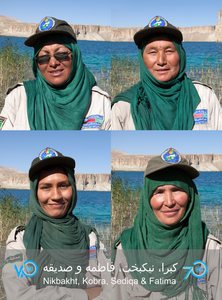
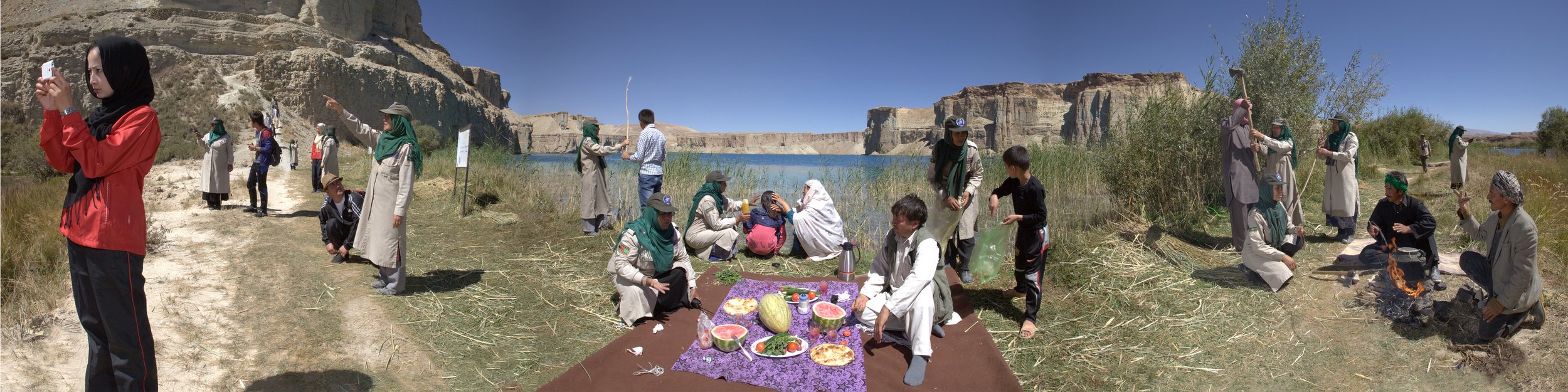
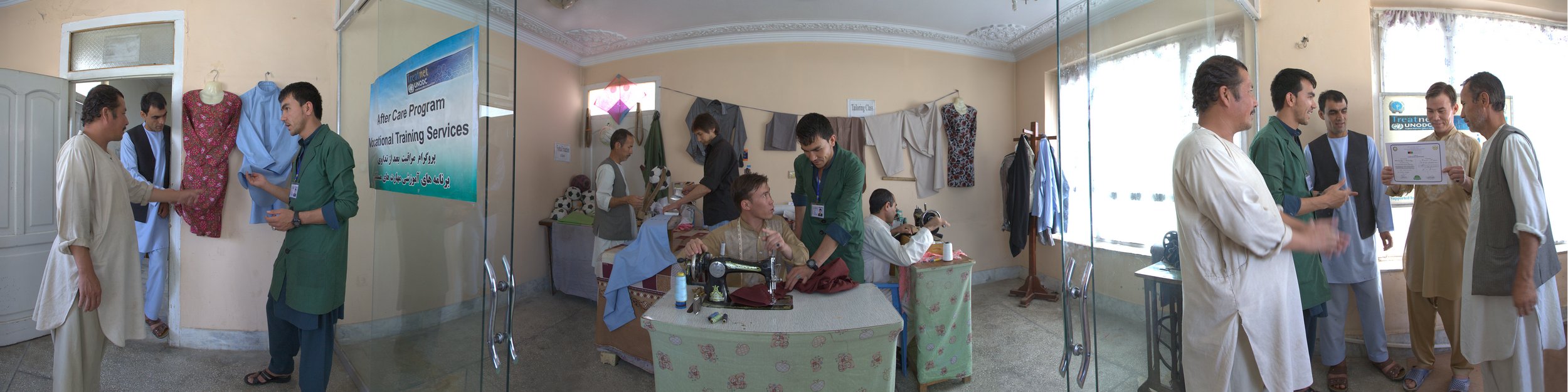
The UN70 “Strong UN. Strong Afghanistan.” campaign is now an archived snapshot rather than an active public programme. Its photographs, messages and stories preserve a moment when the United Nations highlighted Afghan individuals and their contributions. That context matters when considering anti-corruption work: institutional reform is ultimately about people who choose to serve the public responsibly.
Archived material can still support learning when it is read carefully. It should be treated as historical evidence of priorities, partnerships and public communication, not as a current notice about services or policy. Researchers and educators can use it alongside legislation, evaluation reports, official records and Afghan perspectives to understand how ethics and governance initiatives were presented.
The most enduring message is straightforward. Rules matter, but rules become credible through conduct that people can observe. When a civil servant refuses undue influence, records a decision accurately or reports a conflict, that action strengthens the institution around them. Repeated across offices and communities, these choices can make public authority more trustworthy.
UN-supported anti-corruption workshops offered one part of that larger effort. Their lasting relevance lies in showing how integrity training connects individual decisions with social confidence, accountable government and fair access to services. Governments, development partners and civil society organisations can carry those principles forward through practical instruction, independent oversight and consistent leadership.