
Making a Difference
Afghan Women’s Roles in Peace Negotiations and UN Support
Peace in Afghanistan has always involved more than agreements between armed actors. It has also depended on whether women, civil society representatives, victims, young people and communities affected by conflict could influence the decisions shaping their lives. Afghan women have worked as negotiators, human rights defenders, journalists, local mediators, elected representatives and community leaders. Their participation has brought attention to issues that formal security discussions can overlook, including justice, education, family safety and access to public life.
The United Nations has supported Afghan women’s involvement through political engagement, technical assistance, consultation, advocacy and coordination with national and international partners. Its work has included support for women’s networks, documentation of public views, calls for inclusive talks and efforts to protect the rights established in Afghanistan’s constitution and international commitments.
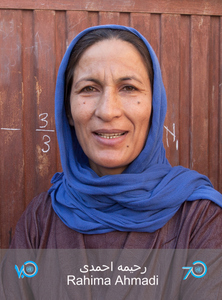
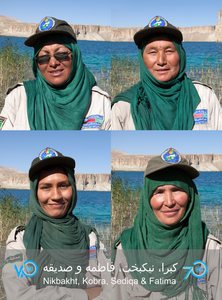
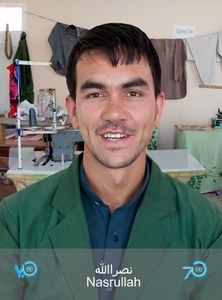
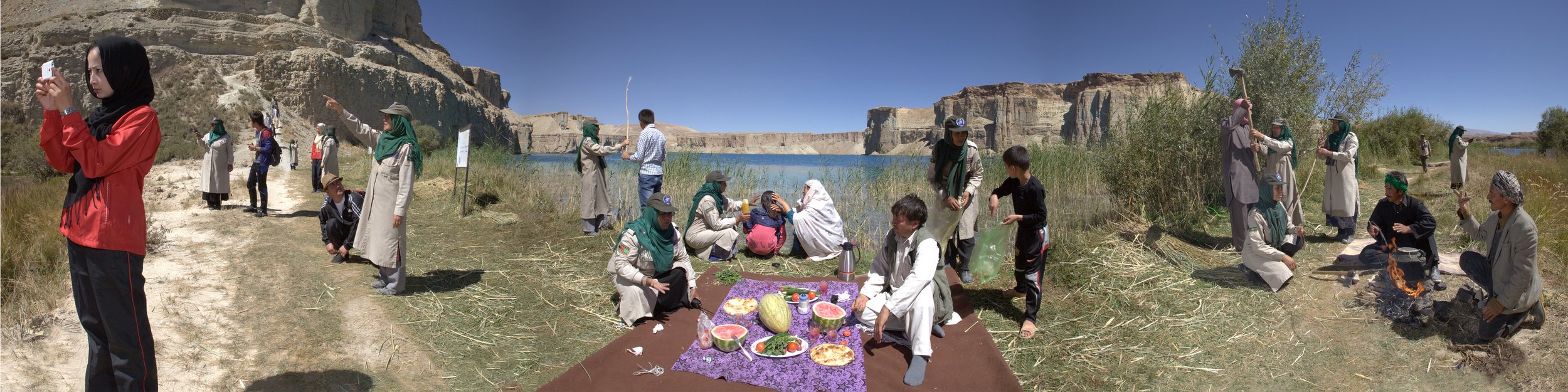
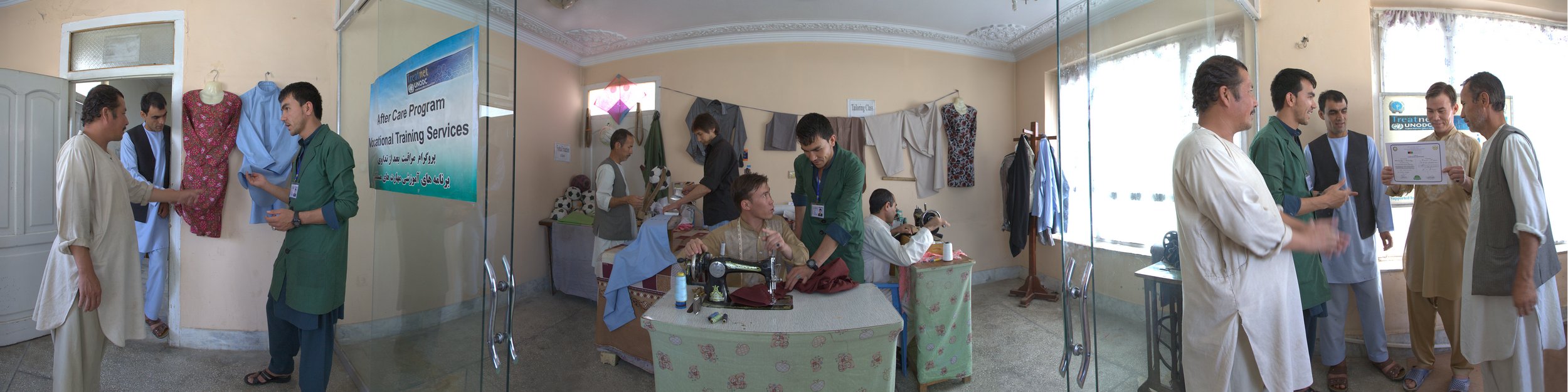
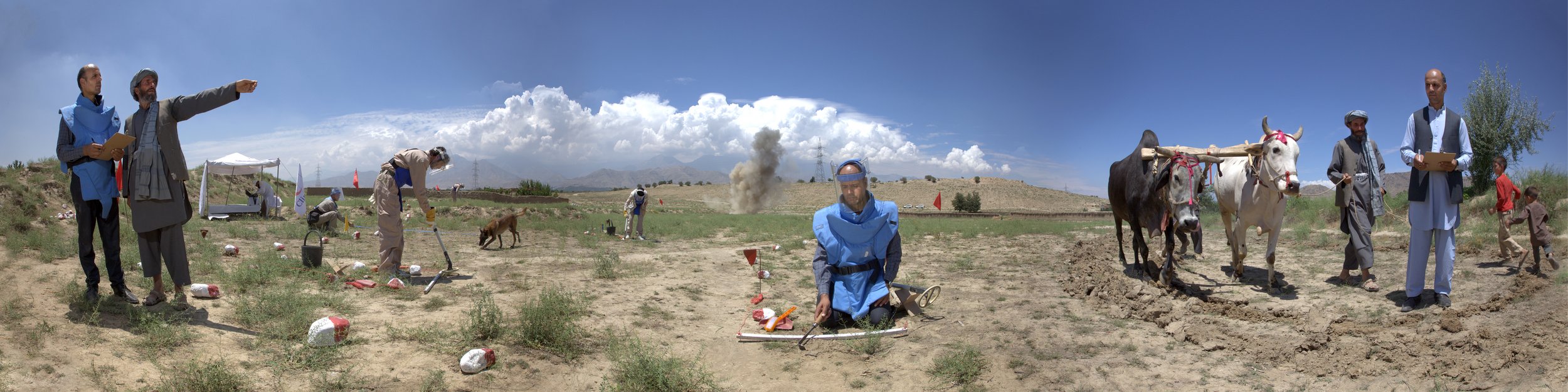
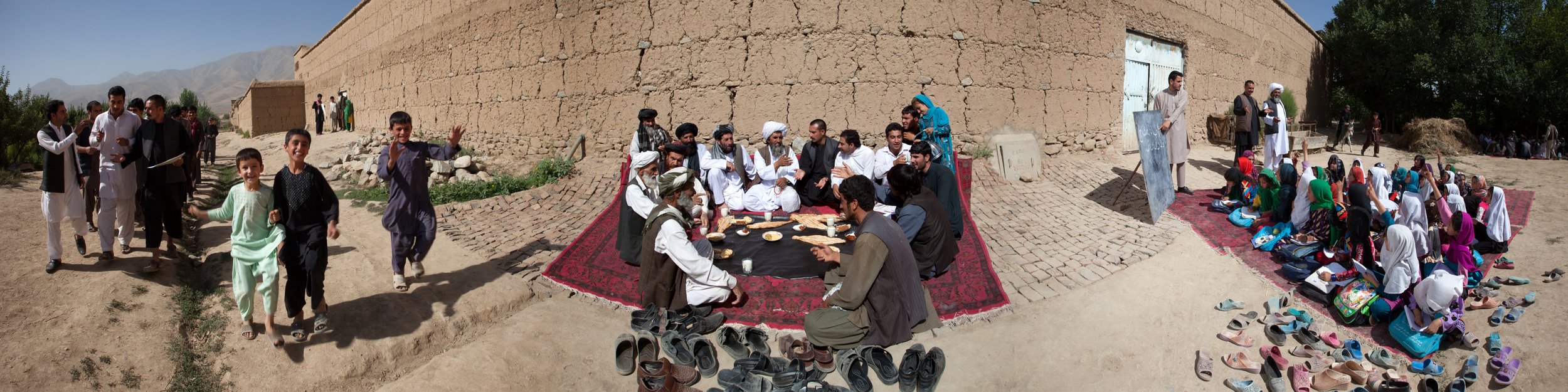
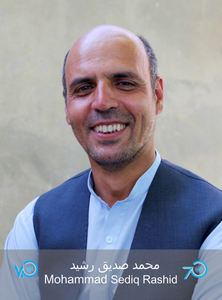
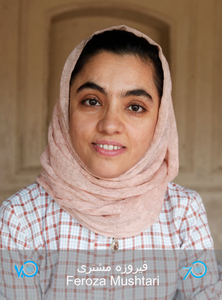
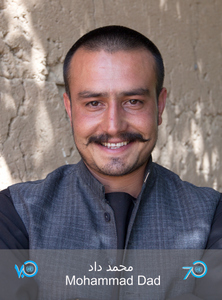
The UN Afghanistan website’s archived UN70 campaign, “Strong UN. Strong Afghanistan.”, provides useful context for understanding this approach. The campaign presented Afghan individuals and their contributions rather than describing peace as the work of institutions alone. Within that wider vision, women’s participation in negotiations represents both a democratic principle and a practical requirement for a durable settlement.
Why Women’s Participation Matters
Women experience conflict in ways that are often missing from military or diplomatic agendas. They may face displacement, loss of income, forced marriage, gender-based violence, restrictions on movement and the disappearance or death of family members. At the same time, women frequently sustain households and communities during crisis. Their knowledge gives peace discussions a clearer view of how national decisions affect daily life.
Women also bring political perspectives that can widen the scope of negotiation. A peace process focused narrowly on power-sharing among armed groups may achieve a temporary reduction in violence without addressing accountability, local disputes or social exclusion. Women’s participation can place civilian protection, public services, education and equal access to justice on the agenda.
Participation is not valuable simply because women are present in a meeting room. It matters when women can speak freely, shape proposals, influence negotiators and see their priorities reflected in an agreement. A small number of delegates cannot represent every Afghan woman, so meaningful engagement must connect formal talks with broader consultations across provinces, ethnic communities, age groups and social backgrounds.
The UN’s Political And Normative Role
The UN does not replace Afghan decision-makers or determine the terms of a national peace agreement. Its role has generally involved supporting an Afghan-led and Afghan-owned process, encouraging dialogue, offering good offices and helping parties engage with international standards. The United Nations Assistance Mission in Afghanistan, or UNAMA, has been a central platform for political outreach, human rights reporting and coordination.
The Women, Peace and Security agenda, established internationally through Security Council Resolution 1325 and subsequent resolutions, provides an important framework. It recognizes women as participants in conflict prevention, peace negotiations, peacebuilding and recovery, while also emphasizing protection from violence and respect for rights. For Afghanistan, this framework has helped connect local advocacy to international diplomacy.
UN agencies and partners have supported consultations with Afghan women, capacity-building for women leaders, documentation of threats and public advocacy for inclusive negotiations. The UN Secretary-General’s representatives and senior officials have repeatedly emphasized that a settlement excluding women would lack legitimacy and risk undermining long-term stability. Such statements cannot guarantee influence, but they create political pressure and a standard against which negotiations can be assessed.
From Consultation To Negotiation
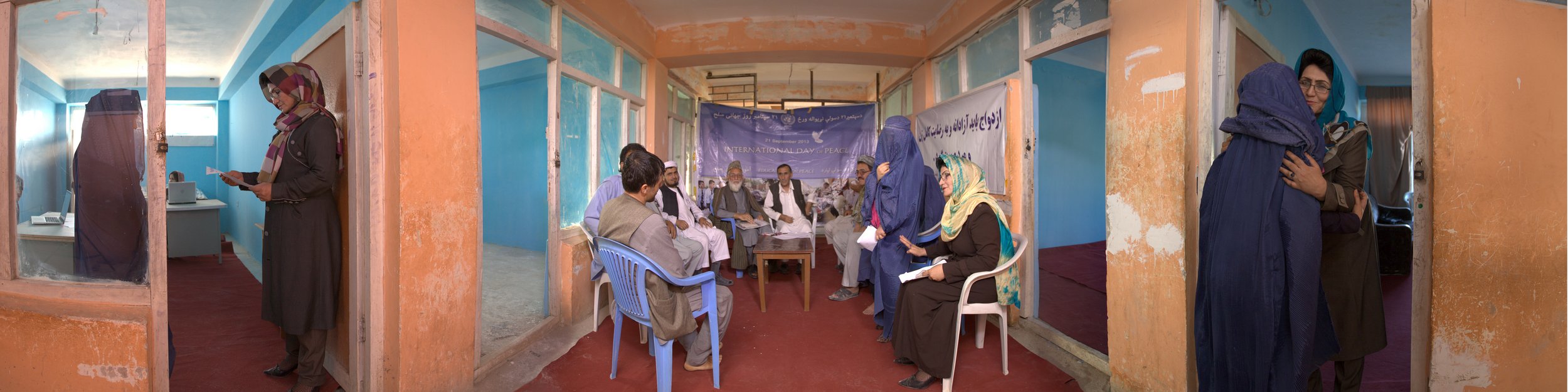
Afghan women’s involvement in peace efforts developed through several overlapping channels. Women participated in civil society gatherings, national consultations, peace jirgas, local mediation initiatives and advocacy campaigns. These spaces allowed women to express concerns that were difficult to raise in negotiations dominated by political and military elites.
During efforts connected to the Afghan peace process, women’s organizations pressed for direct representation in formal talks. Women were included in the Afghan government’s negotiating team for the intra-Afghan talks that began in Doha in 2020, although they remained a minority. Afghan women also took part in dialogue forums and civil society meetings intended to communicate public priorities to negotiators. Their presence marked progress, while the limited scale of representation showed how far the process still had to go.
The difference between consultation and negotiation is significant. Consultation can gather testimony and recommendations, but negotiators hold the authority to accept, reject or amend proposals. For women to have a genuine peace negotiation role, they need access to the negotiating agenda, preparatory meetings, expert advice, security guarantees and mechanisms for reporting back to the communities they represent.
| Mechanism | Main Purpose | Value For Women’s Participation | Common Limitation |
|---|---|---|---|
| Formal negotiating delegation | Takes part in official talks and decisions | Gives women direct access to bargaining and drafting | Women may be present but too few to influence outcomes |
| Civil society consultation | Collects views from affected communities | Broadens the range of local concerns and experiences | Recommendations may not reach the final agreement |
| UN political good offices | Encourages dialogue and inclusive engagement | Creates diplomatic pressure for representation and rights protections | The UN cannot compel parties to accept a proposal |
| Women’s peace networks | Connects activists, professionals and local leaders | Builds collective advocacy and channels information | Members may face threats, exclusion or limited resources |
| Human rights monitoring | Records abuses and risks during the process | Provides evidence for protection and accountability | Reporting alone does not guarantee enforcement |
Barriers Facing Afghan Women
Afghan women entering peace negotiations have faced obstacles at every stage. Social expectations can restrict public leadership, while threats from armed groups, political opponents and criminal networks create serious personal risks. Women may also encounter online harassment, intimidation and attacks designed to discourage public participation.
The structure of negotiations can create barriers even without explicit exclusion. Meetings held abroad may be difficult to access. Technical language, limited preparation time and unequal access to information can weaken a delegate’s influence. A woman invited to speak at a public event may have less authority than a male representative involved in private bargaining.
Representation also raises difficult questions of diversity and accountability. Urban professionals, provincial leaders, women from minority communities, displaced women and survivors of violence may have different priorities. A peace process that treats “women” as a single category can overlook those differences. Inclusive design therefore requires multiple channels of participation and deliberate outreach beyond established political networks.
The security environment makes these challenges more severe. Women’s rights defenders and negotiators can face threats because of their public work, while shrinking civic space limits their ability to organize. Protection must include physical security, digital safety, emergency support and safe ways to continue advocacy. Without these measures, calls for participation may transfer risk to the people being asked to represent society.
What Meaningful Inclusion Requires
A credible peace process should treat women’s participation as a continuing political function rather than a symbolic target. Women need a role before, during and after negotiations. They should help define priorities, review draft provisions, monitor implementation and participate in dispute-resolution bodies created by an agreement.
The UN and its partners can contribute by connecting women’s organizations with diplomatic missions, providing negotiation and mediation training, supporting secure communications and funding independent Afghan civil society. They can also help establish consultation systems that reach rural communities and preserve the views of women who cannot travel or appear publicly.
Practical priorities include:
- Set clear representation requirements for official delegations, mediation teams and implementation bodies.
- Fund Afghan women-led organizations with flexible, multi-year support rather than short project grants alone.
- Protect participants through risk assessments, confidential reporting channels and emergency assistance.
- Include women’s rights, education, justice and protection from violence in negotiation benchmarks.
- Publish accessible updates so communities can evaluate whether commitments are being honored.
These steps should be paired with accountability. A peace agreement may contain broad language about inclusion while leaving enforcement unclear. Specific timelines, responsible institutions, monitoring arrangements and remedies for violations make commitments more meaningful. Women’s organizations should have a role in evaluating progress instead of being consulted only during the launch of a process.
Lessons From Afghan Voices
The UN70 campaign’s emphasis on Afghan contributions is relevant to peacebuilding because it challenges the idea that Afghanistan’s future is shaped only by international actors or armed factions. Stories about community leaders, professionals and ordinary citizens show that national resilience is built through daily work. Women’s peace efforts belong within that wider account of Afghan agency.
An effective international partnership should therefore support Afghan leadership rather than speak over it. UN officials can use diplomatic influence to defend participation and rights, but Afghan women’s organizations understand local risks, relationships and priorities most closely. Their knowledge should inform political strategy, humanitarian planning, human rights work and post-conflict recovery.
The campaign is now an archived snapshot of a completed initiative, and its media and social links may no longer function as current channels. Even so, its central message remains relevant: a strong Afghanistan depends on the ability of its people to contribute to public life. For women, that means moving from being described as beneficiaries of peace to being recognized as negotiators, decision-makers and guardians of implementation.
A durable settlement will be judged by what happens beyond the negotiating venue. If women can participate safely, organize freely, access education and work, seek justice and influence local and national decisions, peace will have a stronger social foundation. If their rights are traded away or their voices are excluded, an agreement may reduce conflict without resolving the conditions that sustain instability.
Support for Afghan women’s peacebuilding should remain part of international engagement through diplomatic advocacy, sustained funding, protection and public attention. Explore the archived UN Afghanistan campaign materials, follow credible reporting from Afghan women-led organizations and share their documented priorities with policymakers working on Afghanistan. Their participation is essential to turning a negotiated pause in violence into a more inclusive and lasting peace.