
Making a Difference
UN urban planning in Kabul and lessons for Australian cities
The United Nations has long recognised that cities are living systems, shaped by the people who walk their streets, plant their trees and gather in their courtyards. In Kabul, where rapid post-conflict expansion has placed enormous pressure on land and water, the UN family has worked alongside municipal authorities and community councils to weave small pockets of green back into the urban fabric. These efforts are not glamorous high-rise developments or imported masterplans; they are quiet, persistent partnerships that turn vacant lots into neighbourhood parks, roadside verges into shaded walkways, and schoolyards into living classrooms.
For Australian readers watching urban consolidation intensify from Parramatta to Perth, the Afghan experience offers a useful mirror. The questions facing planners in District 5 of Kabul — how to cool streets in a dry climate, where to place safe play spaces for children, how to involve women and young people in decisions — are strikingly similar to those debated in suburban Melbourne or western Sydney. Comparing the two contexts reveals that green infrastructure is as much about social connection as it is about hydrology and horticulture.
UN engagement in Afghan urban planning
The UN's footprint in Afghan urban planning stretches back decades, but the contemporary phase accelerated after 2014 when humanitarian agencies and development partners converged around a shared framework for resilient cities. UN-Habitat, UNICEF and UNDP collaborated with the Independent Directorate of Local Governance to support district-level planning processes that prioritised public space, walkability and basic services. Within these frameworks, greening was treated not as a decorative afterthought but as a structural element of neighbourhood design, recognising that shade and vegetation reduce ambient temperatures, manage stormwater runoff and improve mental health.
Field teams worked with municipalities to map existing vegetation, identify degraded land, and draft participatory plans that residents themselves endorsed. In several Kabul districts, this meant cataloguing old mulberry trees, abandoned vineyards and traditional bagh gardens that had survived the wars, then knitting them into a renewed public realm. The emphasis on local ownership meant that when the political situation shifted in 2021, many of these initiatives continued under the stewardship of community organisations rather than central authority.
Kabul's environmental pressures
Kabul sits at roughly 1,791 metres above sea level on a dry plateau, surrounded by mountains that trap dust and pollution. Winters bring freezing temperatures and snowmelt, while summers are hot, dry and increasingly smoky from ambient wood and coal burning. The city's population has ballooned from around 1.5 million in the early 2000s to estimates exceeding four million today, placing intense strain on groundwater aquifers and on the green corridors that once softened its streets. Tree cover has fallen sharply as land was cleared for informal housing and fuel.
Air quality now ranks among the worst in the region during winter months, and respiratory illness is widespread. For children, the lack of safe, shaded play areas means fewer opportunities for outdoor learning and physical activity. These pressures are familiar to Australians in their own way: the Sydney Basin experiences dangerous ozone episodes in summer, and Brisbane residents cope with humidity and urban heat that turns bitumen into a heat sink. The shared lesson is that dense, car-dependent urban form amplifies environmental stress, while thoughtful green networks can buffer it.
Community-led greening projects
Across Kabul's neighbourhoods, community organisations have emerged as the most reliable drivers of greening. Women's shuras in districts such as Dasht-e-Barchi and Bagrami have planted saplings along alleyways, organised neighbourhood clean-ups and maintained small communal gardens where families gather after Friday prayers. These efforts are often supported with technical advice and seedlings from UN programmes, which frame each project as a partnership rather than a donation. Volunteers learn nursery management, composting and low-cost irrigation using greywater from washing basins.
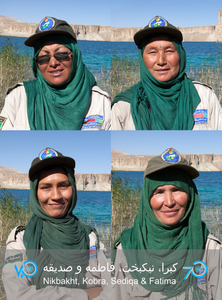
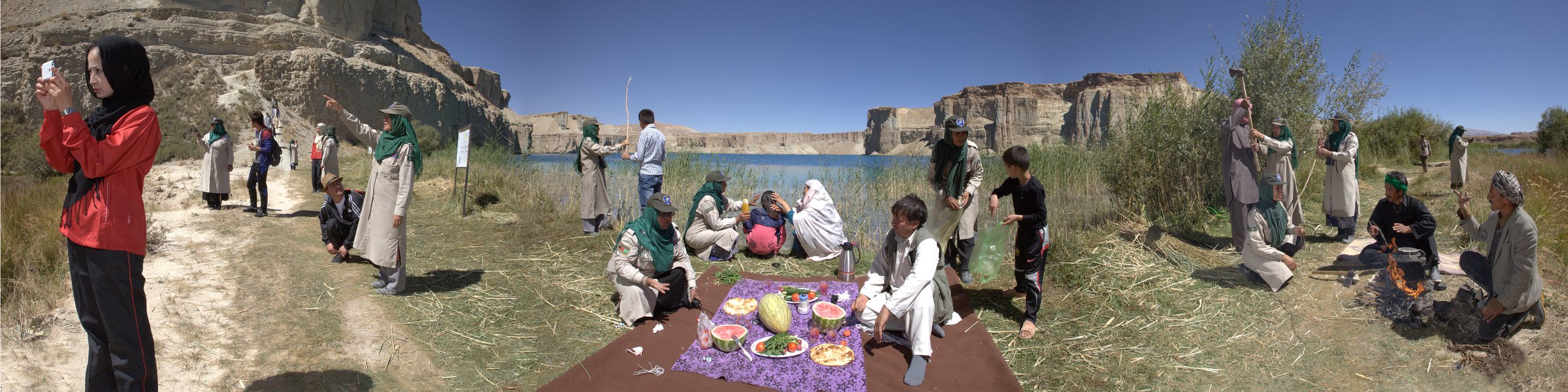
The involvement of younger Afghans has been particularly striking. University students and high schoolers have mobilised around environmental clubs that run awareness campaigns in mosques, schools and markets. Some of these groups have linked with international networks, exchanging knowledge with peers in Karachi, Tehran and beyond. A practical example of this grassroots energy is visible in youth-led tree planting campaigns coordinated through environmental clubs, where students raise their own saplings before transplanting them into public spaces during community events.
Comparing urban greening approaches
When Kabul's experience is set against Australian examples, several patterns emerge. Sydney's Greener Places strategy focuses on a metropolitan-wide tree canopy target, delivered through council partnerships and developer contributions. Melbourne's Urban Forest Strategy similarly targets a 40 percent canopy across the municipality by 2040, with rigorous species selection to cope with drought. Brisbane's commitment to parklands, exemplified by the network stretching from the City Botanic Gardens through to Mt Coot-tha, reflects a longer nineteenth-century legacy of curated green belts.
| Initiative | Lead organisation | Scale | Funding model | Community role |
|---|---|---|---|---|
| Kabul neighbourhood greening | UN agencies and local shuras | District level, dozens of sites | Donor grants, in-kind community labour | Direct planting and stewardship by residents |
| Sydney Greener Places | NSW Government and councils | Metropolitan, millions of residents | Developer levies, state budget | Advisory committees and volunteer planting days |
| Melbourne Urban Forest Strategy | City of Melbourne | Municipal, 4,000 hectares | Council rates, state grants | Friends of park groups and school programmes |
| Brisbane parkland network | Brisbane City Council | City-wide, 28,000 hectares | Rates and federal infrastructure funding | Volunteer bushcare groups and Parkrun volunteers |
| Kabul schoolyard greening | UNICEF partners | Hundreds of schools | UN pooled funding | Teachers, students and parent committees |
The comparison is not a scorecard. Each approach reflects local political economy, climate and culture. What unites them is a recognition that trees and parks are not luxuries added after development, but core urban infrastructure that shapes how residents experience their neighbourhoods each arvo and on weekends.
Indigenous wisdom and traditional knowledge
Afghan approaches to water and vegetation carry centuries of accumulated knowledge. The qanat systems that channel groundwater from mountains to plains, the chahar bagh four-fold garden traditions inherited from Persian horticulture, and the careful selection of drought-tolerant native species all reflect a deep understanding of arid-land ecology. In Australian contexts, similar bodies of knowledge exist in Aboriginal land management, where practices such as cultural burning have shaped the continent's flora for tens of thousands of years. The renewed interest among Australian councils in working with Traditional Owners to manage urban bushland resonates with how Afghan planners have begun to document and reinstate older water-wise planting traditions.
This exchange of perspective matters because imported tree species often fail in dry climates. A eucalypt from eastern Australia may thrive in parts of central Iran but will struggle in Kabul's continental winters. Conversely, Afghan pistachio and wild almond varieties hold potential for Australian growers adapting to hotter, drier conditions. Recognising local biota and traditional growing calendars keeps greening projects honest, and helps communities trust that new plantings will actually survive the next dry spell.
Pathways forward for both regions
The future of urban greening in both Kabul and Australian cities depends on long-term funding, skilled local employment and patient measurement. Trees planted today may take a decade to deliver their full cooling benefits, so political and budgetary cycles must align with ecological timescales. In Kabul, this means building capacity within municipal departments and women's organisations so that projects survive changes of government. In Australia, it means protecting greening budgets from short-term political churn and ensuring that growth-area councils in places like Campbelltown or Wyndham receive their fair share of canopy investment.
International knowledge exchange also has a real role. Afghan practitioners have much to share about low-cost, labour-intensive greening in resource-constrained settings, while Australian expertise in urban heat mapping, species selection and community engagement frameworks is genuinely useful. Universities in Melbourne and Sydney already host scholars who study South Asian urbanism; deepening those links through joint research, student exchanges and practitioner residencies would benefit both sides. Australians who grew up hearing that a fair go means everyone deserves clean air and a shady street can find common cause with their counterparts in Kabul who insist that public parks belong to the whole community, not just those who can afford private gardens.
If this conversation matters to you, support the organisations working at the neighbourhood scale in Afghanistan, and get your hands dirty with a local tree-planting or parkcare group in your own area. Share what you learn with your local councillor, back UN-backed initiatives you trust, or simply plant a tree in your street and look after it through the next dry summer. Greener cities are built one relationship at a time, and the lessons travel in both directions.