
Making a Difference
How community health workers strengthen rural health in Afghanistan
In Afghanistan, distance can determine whether a family receives care early or waits until an illness becomes dangerous. Mountain roads, insecurity, seasonal flooding, poverty and a shortage of trained clinicians have made rural health delivery a practical challenge as much as a medical one. For many households, the nearest health facility may be several hours away, while transport costs can exceed a family’s weekly income.
Community health workers help close that gap. They connect villages with clinics, provide basic health education, identify warning signs and support referrals for mothers, newborns, children and people with common illnesses. UN agencies and partner organisations have contributed to this model through technical assistance, training, coordination and support for Afghanistan’s wider primary healthcare system.
Why rural access matters
Afghanistan’s rural population has historically faced limited access to doctors, nurses, midwives, medicines and diagnostic services. A clinic may be operating in a district, yet still remain difficult to reach for households living in scattered settlements or valleys. Poor roads and insecurity can make a routine antenatal appointment an expensive and risky journey.
These barriers have particular consequences for maternal and child health. Pregnancy complications, pneumonia, diarrhoeal disease, malnutrition and vaccine-preventable illnesses require timely action. A community-based worker cannot replace a midwife, doctor or hospital, but can recognise danger early and help a family reach the right level of care.
This principle will be familiar to Australians living outside the major metropolitan corridor. A patient in Alice Springs, Broken Hill or Kununurra may also depend on outreach teams, transport arrangements, telehealth or visiting specialists. The distances and health systems differ, yet the central lesson is similar: care works better when services are designed around how people actually live.
How community health workers extend care
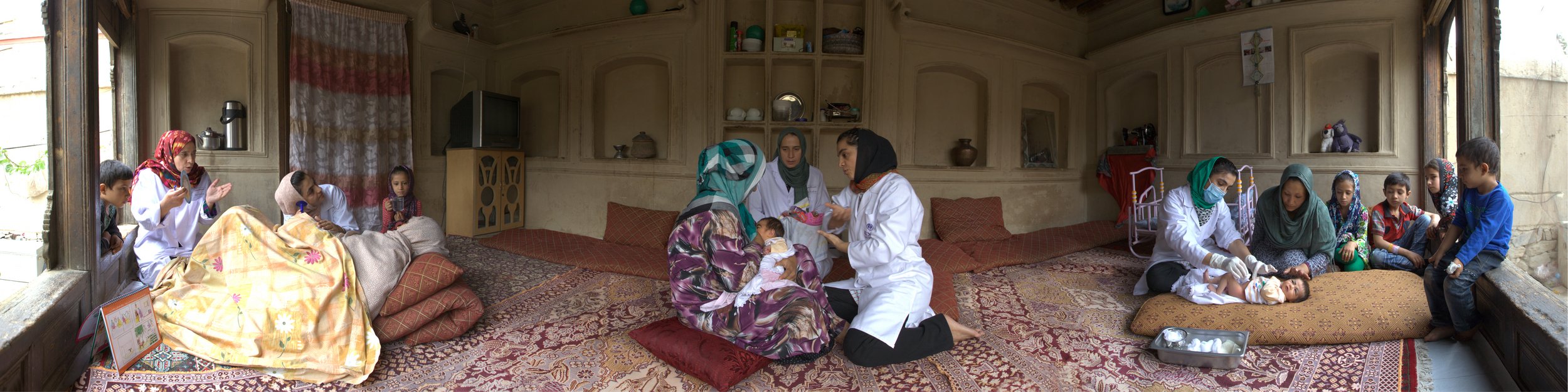
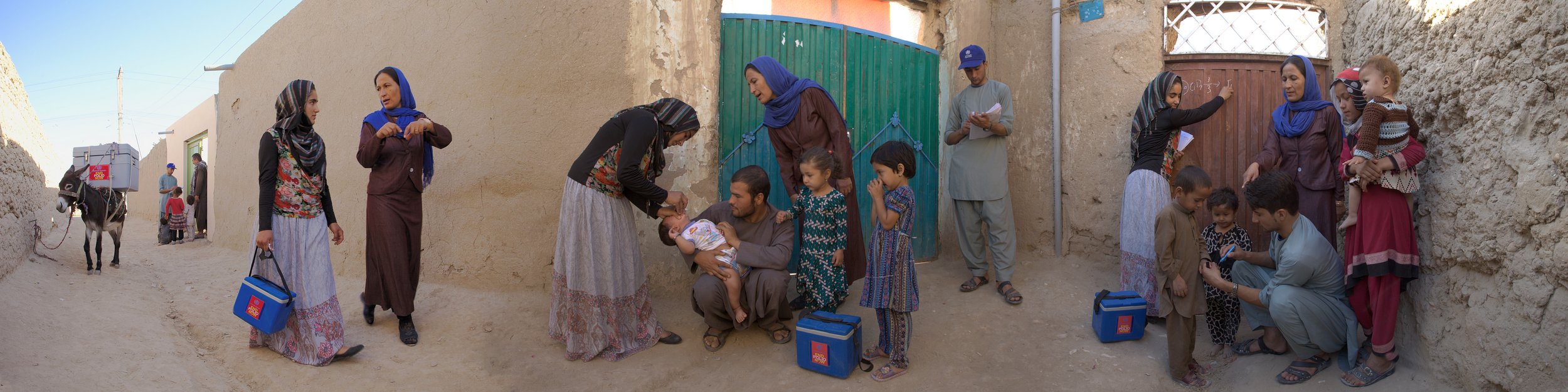
A community health worker is usually selected from the local area and trained to provide a defined package of basic services. Their work can include health promotion, household visits, support for immunisation, nutrition screening, family planning information, antenatal and postnatal follow-up, and advice about hygiene and childhood illness.
They also act as a bridge between households and formal services. A worker may encourage a pregnant woman to attend a clinic, help a caregiver understand an immunisation schedule or refer a child with breathing difficulties. In remote villages, that early contact can be the difference between a manageable condition and an emergency.
Local knowledge is central to the role. Workers understand the language, geography, customs and concerns of their community. Where women face restrictions on travelling alone or speaking with male providers, trained female workers can make essential health information more accessible. Their presence can also improve communication between health facilities and families who have previously felt ignored or misunderstood.
What effective training includes
Training must be practical, repeated and linked to the duties workers are expected to perform. Core learning commonly covers maternal and newborn care, childhood illness, nutrition, immunisation, sanitation, health promotion, first aid and recognition of symptoms requiring urgent referral. Workers also need clear boundaries so they do not attempt procedures or treatments beyond their competence.
Communication skills are as important as clinical knowledge. A worker needs to explain information in plain language, listen without judgement and respect confidentiality. Training should address consent, gender sensitivity, disability inclusion and the importance of treating every household with dignity. In Afghanistan, this also means working carefully with community leaders, religious figures and family decision-makers.
Good programmes combine classroom instruction with supervised practice. Visual materials, role-play and demonstrations can help when literacy levels vary. Refresher sessions are essential because guidelines change, workers forget infrequently used skills and difficult cases require discussion. Training is strongest when it is delivered in local languages and adapted to the seasonal, cultural and geographic realities of each province.
Comparing ways to deliver rural health support
No single delivery arrangement suits every Afghan district. The most effective model depends on population density, security, transport, the availability of female staff, communications coverage and the strength of nearby health facilities. Community workers are valuable in each model, but their responsibilities and support requirements differ.
| Delivery approach | Main strength | Common limitation | Support needed |
|---|---|---|---|
| Village-based community worker | Reaches households close to home and builds trust | Limited ability to manage complications | Regular supervision, supplies and referral links |
| Fixed rural health facility | Offers a dependable location for consultations and treatment | Travel remains difficult for remote families | Skilled staff, medicines, opening hours and transport connections |
| Mobile outreach team | Brings immunisation, screening and education to scattered communities | Visits may be irregular or disrupted | Scheduling, security planning and reliable logistics |
| Telephone or digital support | Speeds advice, coordination and follow-up where coverage exists | Excludes households without phones, power or connectivity | Network access, privacy safeguards and trained responders |
| Referral hospital | Provides advanced emergency and specialist care | Often far from rural communities and costly to reach | Ambulances, referral protocols and affordable patient transport |
The table also highlights why community health workers should be part of a wider primary healthcare network. Training alone cannot solve a shortage of medicines, transport or skilled clinical staff. A worker who identifies a danger sign needs a functioning referral pathway, a receiving facility and a realistic way for the family to travel.
Building trust in villages
Trust develops through consistency. Families are more likely to accept health advice when a worker visits regularly, keeps promises and respects local decision-making. Communities should have a voice in selecting workers, setting outreach priorities and reviewing service quality. This approach makes health programmes more accountable and reduces the perception that an outside organisation is imposing unfamiliar practices.
Cultural safety is relevant well beyond Afghanistan. In Australia, Aboriginal Community Controlled Health Services demonstrate the value of care shaped by community leadership, local knowledge and cultural respect. Afghan programmes likewise benefit when local councils, women’s groups, elders, teachers and religious leaders are engaged without allowing influential individuals to silence women or marginalised households.
Female participation requires specific attention. Recruiting and retaining women can improve access to maternal health, reproductive health and child health services, especially where social norms limit contact between women and unrelated men. Safe transport, fair remuneration, family engagement and supportive supervision are practical conditions that allow female workers to remain in the workforce.
Linking households to reliable facilities
The community worker’s most important task may be knowing when to refer. Training should use simple decision tools for symptoms such as severe bleeding, convulsions, difficulty breathing, high fever, dehydration, suspected malnutrition and complications during pregnancy or childbirth. Workers need a clear contact point at the facility, rather than a vague instruction to “go to hospital”.
Referral systems should include feedback. When a patient is sent to a clinic, the community worker should learn whether the family arrived, what follow-up is required and whether additional support is needed at home. Records can be simple, but they should capture essential information while protecting privacy and avoiding unnecessary paperwork.
This is where investment in the wider health system matters. A referral fails if the facility has no midwife, the pharmacy has no essential medicines or the family cannot afford transport. Australian readers may recognise a similar principle in the role of the Royal Flying Doctor Service, rural retrieval teams and telehealth: a local point of contact is effective only when backed by dependable clinical and logistical networks.
Sustaining the workforce over time
Community health workers are often asked to carry substantial responsibility for modest compensation. Unpaid or irregularly paid roles may be difficult to sustain, particularly for women who face travel, childcare or security costs. Fair remuneration, safe working conditions and predictable supplies are therefore health interventions, not administrative extras.
Supervisors should visit workers, review cases and provide coaching rather than focusing only on fault-finding. Data can show whether households are being reached, referrals are completed and vulnerable groups are missed. It should be used to improve services, not to create unrealistic targets that encourage workers to record activity without improving care.
The Afghan health workforce also needs pathways for progression. A worker who gains experience should be able to access additional training, certification or a route into a higher-level health role. Strong partnerships among Afghan institutions, communities, UN agencies, donors and implementing organisations can align standards and reduce duplication across provinces.
Priorities for practical partnership
For organisations supporting rural primary healthcare, the most useful priorities are:
- Recruit workers through transparent community processes, with meaningful opportunities for women to participate.
- Match training to local health risks, language, literacy, geography and referral capacity.
- Provide regular supervision, essential equipment, protective supplies and reliable payment.
- Build referral systems that include transport, communication, receiving facilities and follow-up.
- Use community feedback and service data to identify households and districts being left behind.
The UN’s role is most effective when it strengthens national and community systems rather than creating a parallel structure. Technical guidance, coordination, funding support and evidence can help partners work towards common standards while allowing local teams to adapt delivery to their own conditions.
The archived UN Afghanistan campaign reflected a broader idea of collective responsibility: Afghanistan’s progress depends on people and institutions working together. Rural health offers a clear example. A trained community worker, a responsive clinic, a supportive family and a reliable referral network each contribute a small part of the same chain of care.
Supporting community-based health in Afghanistan means investing in people who already understand their communities and connecting them to the services that can save lives. Governments, donors, health organisations and community partners can help by funding training, supervision, female participation and dependable rural referral systems. That is how basic knowledge at the household level becomes stronger, fairer healthcare across Afghanistan.