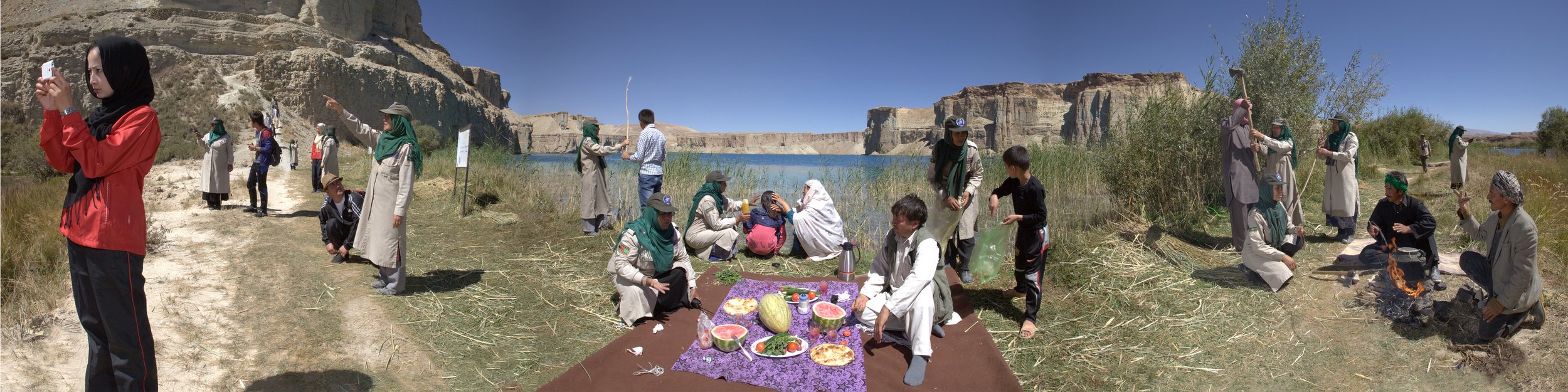
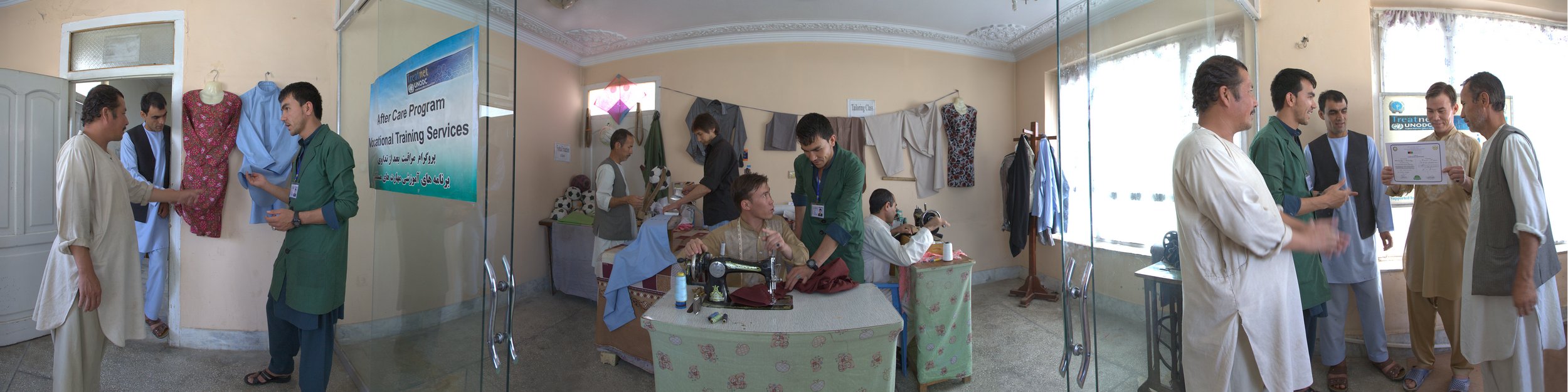
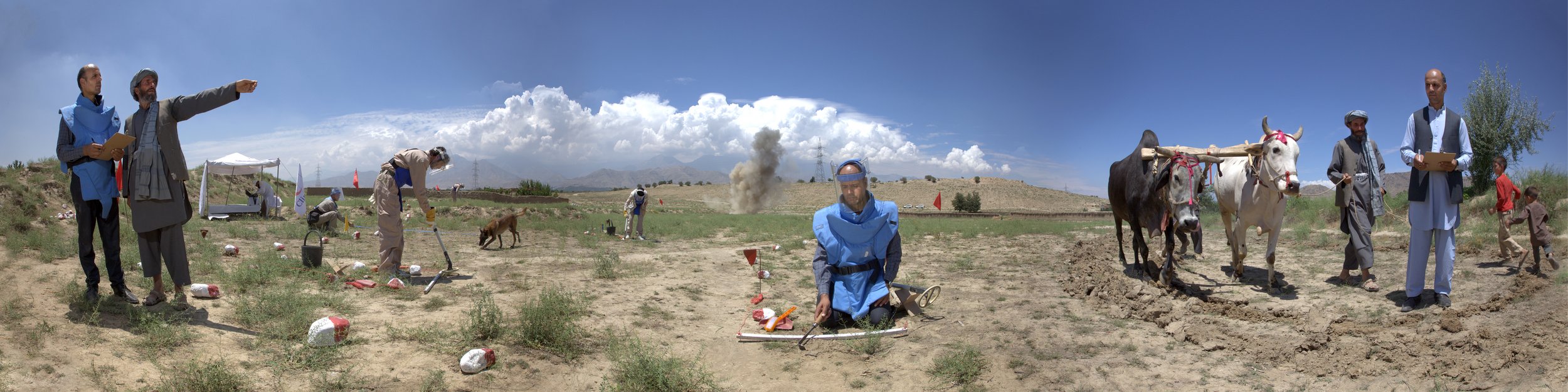
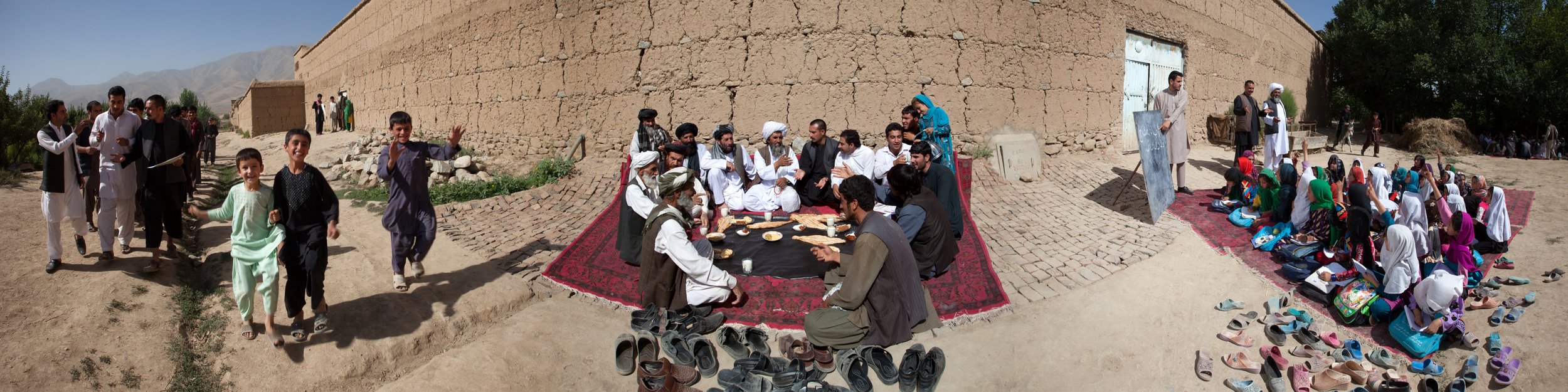

Making a Difference
UN and Afghan mine risk education for children and communities
Humanitarian mine action is often described through the visible work of survey and clearance, but communities also need practical skills for living safely around explosive remnants of war. In Afghanistan, landmines, improvised explosive devices and unexploded ordnance have affected homes, farms, roads and schools in different parts of the country. The danger can remain invisible until someone approaches an unfamiliar object or follows an unsafe route.
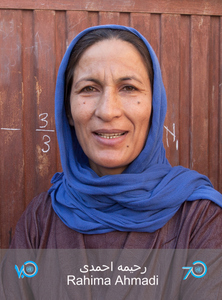
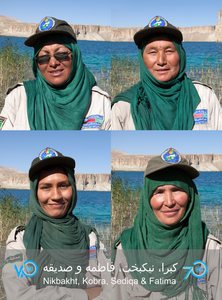
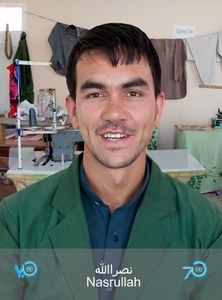
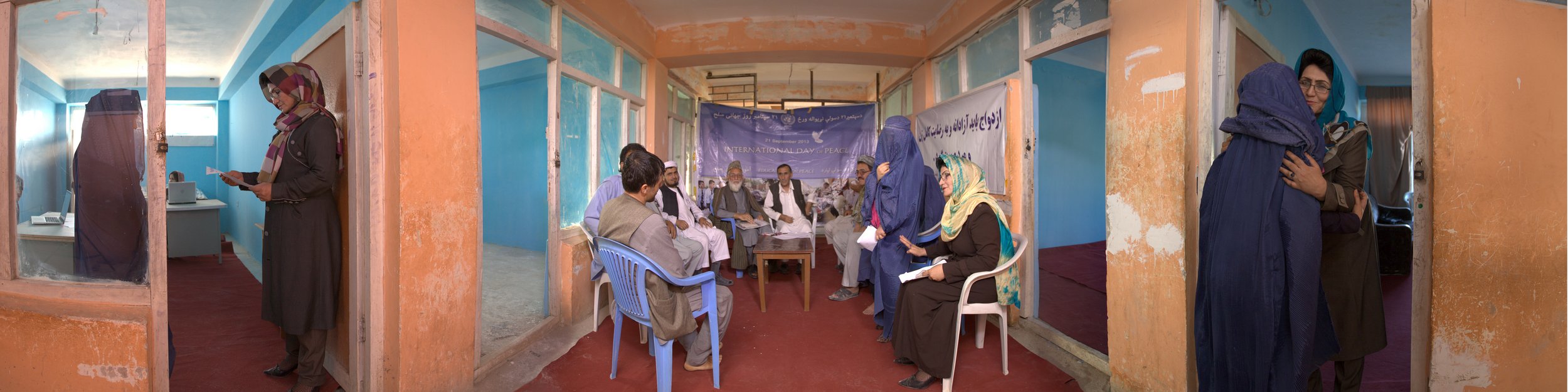
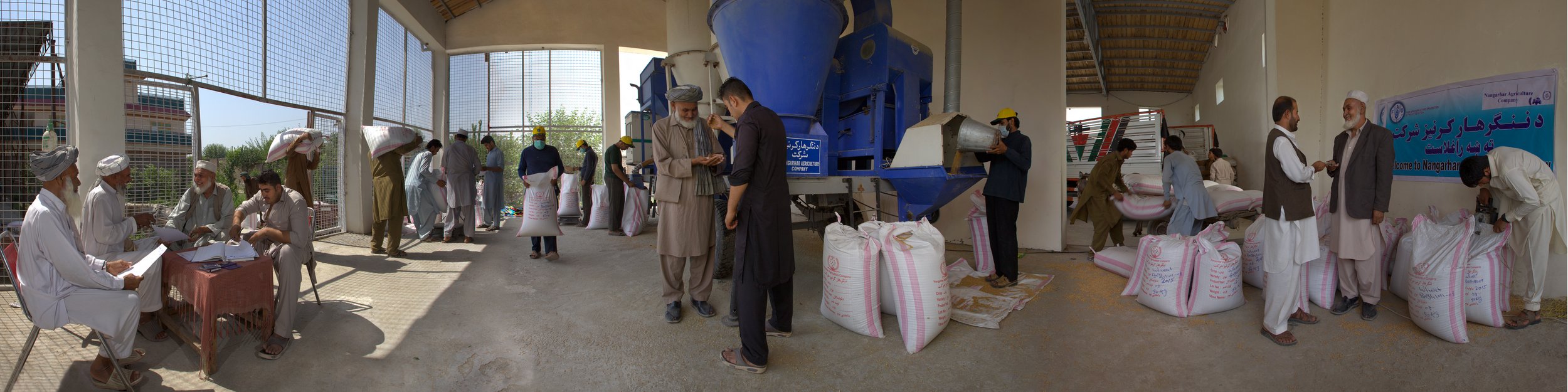
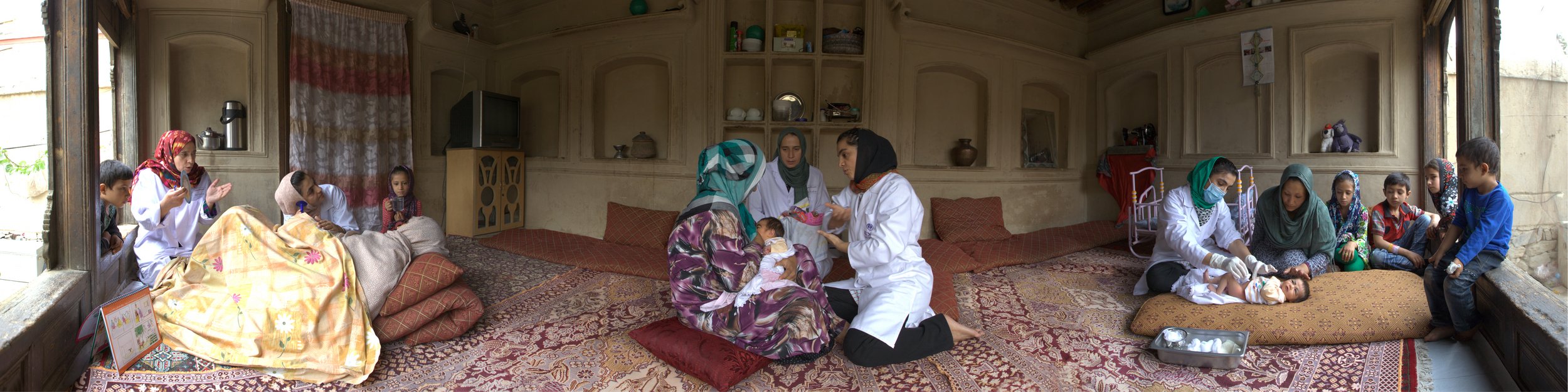
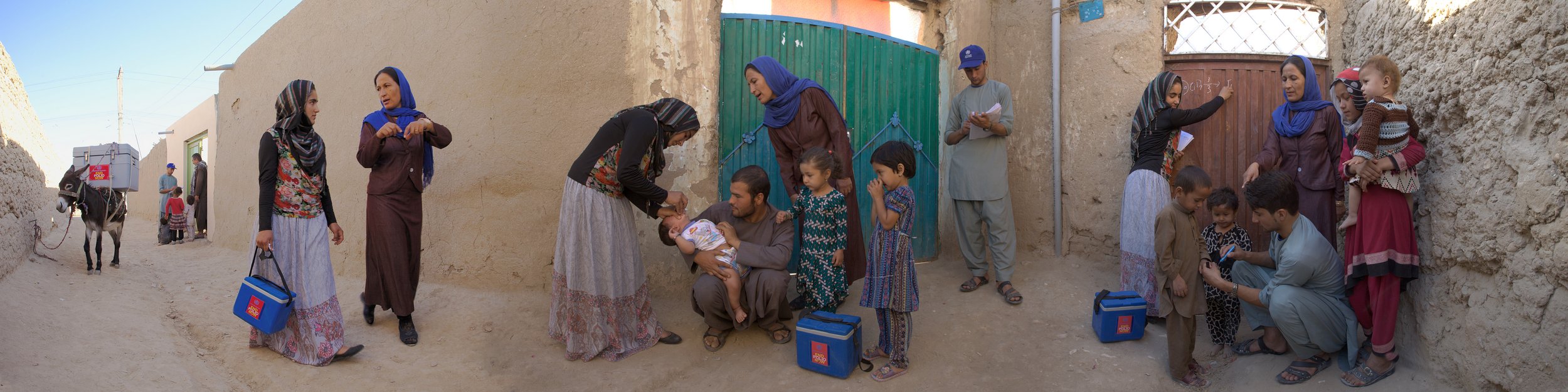
The archived UN Afghanistan UN70 campaign presents Afghan people and their contributions rather than treating communities solely as recipients of assistance. That principle is essential to community risk education: local facilitators, teachers, caregivers and first responders must help shape the messages, recognise local hazards and sustain referral arrangements after international staff depart. UN coordination can supply standards and technical support, while Afghan organisations remain closest to the people who need to use the advice.
For Australian readers, the value is both practical and symbolic. UN and Afghan mine risk education models show how safety training can reduce exposure without pretending that awareness can replace clearance. They also offer lessons for Australian donors, educators, humanitarian organisations and members of the Afghan diaspora who want to support safer communities in ways that respect Afghan leadership, local knowledge and the realities of families affected by conflict.
Why mine risk education still matters
Afghanistan’s conflict has left a dispersed legacy of explosive hazards. In some areas, communities know specific places to avoid; in others, contamination crosses roads, fields and former military positions. Unexploded ordnance may resemble ordinary debris, while improvised devices can be concealed in objects encountered on daily routes. This variability is why national maps and broad warnings must be translated into location-specific guidance delivered by trusted people.
A central UN mechanism is the United Nations Mine Action Service, or UNMAS. Alongside survey, clearance and victim assistance, mine action includes risk education, often labelled mine risk education, or MRE, and explosive ordnance risk education, or EORE. The UN can also connect provincial mine-action teams, Afghan civil society, education authorities and aid partners so that messages do not contradict one another.
Education cannot make contaminated land safe by itself. A child may understand the warning signs and still cross a marked route because the shortcut is the only practical path to school or water. Clearance, marking, fencing, local reporting and livelihood support must accompany training. When awareness is linked to those services, communities can act on what they learn; when it stands alone, the lesson may create fear rather than useful behaviour.
What effective safety training changes
Effective training begins with a small number of actions that a child can remember under stress: stop, step back, do not touch or move the object, and tell a nearby adult or designated authority. For adolescents and adults, the same sequence is joined by safe-route planning, recognising warning signs and knowing when to shelter. Sessions should use pictures, stories and controlled practice with inert training aids, never live explosive items.
A child needs more than a school assembly. Families need consistent household rules, teachers need a reporting channel, and community focal points need a route to specialist help. Local radio, mosque announcements, markets, health workers and women’s groups can reinforce the same message. Printed cards and phone-based content should supplement, rather than replace, face-to-face contact where literacy, connectivity or trust make digital channels less reliable.
Results should be judged by changed behaviour and functioning systems, not attendance numbers alone. A programme can track whether learners can identify a hazard, name the next safe action and explain who will respond. Teams can also record reports, referrals, completed first aid, teacher follow-up and community feedback. Data must protect children’s identities, and evaluation should compare what happened with training rather than claiming every outcome was caused by it.
Building training around Afghan realities
Messages must be built in the languages people use at home, which in Afghanistan commonly include Dari and Pashto as well as languages spoken by smaller communities. Plain Dari and Pashto should be tested with educators and caregivers, not produced by translating an English leaflet word for word. Visual prompts can help children who are still learning to read, while radio scripts and stories can reach families with limited access to written materials.
Local facilitators should decide which examples fit their audience. A warning about a particular route, vehicle or object is more credible when it comes from a teacher, shepherd, health worker or community leader familiar with the area. Training for these facilitators should cover technical accuracy, facilitation, child protection and referral procedures. A train-the-trainer model works best when participants practise, receive feedback and retain simple referral cards after the workshop.
Access must be planned rather than assumed. Some women and girls may face additional barriers to attending mixed or public sessions; female trainers and women-only groups can provide suitable options when communities request them. Children with disabilities, displaced families, pastoral communities and remote households may need different formats and schedules. Any adaptation should come from local consultation, with protection from coercion and stigma.
Training must also join the wider mine-action system. Teams need current contact details, clear boundaries around what can be assessed in the field and rapid escalation for suspected ordnance. Comparative material from other post-conflict settings can help trainers identify questions to test, provided it is adapted rather than copied; related project resources offer one such starting point.
Protecting children throughout mine action
Children should never handle, collect or play with suspected items, even when an object looks harmless. Facilitators must mark a safe distance, explain who will make the area safe and make sure a child can leave without embarrassment. Live ordnance must never be used for demonstration, and visits to clearance sites should follow specialist protocols. Sessions need a documented safeguarding plan, trained staff, informed consent where required and referral pathways for concern.
Every community plan should cover first aid, emergency communication, evacuation and the support available after an explosion. A simple card showing local numbers and meeting points can help when phones fail or roads are blocked. School drills should be age-appropriate and linked to realistic family actions, while preventing panic, stigma or the spread of unverified rumours. Mental-health and psychosocial support should be available after serious incidents.
Photographs and videos can explain hazards, but graphic images may traumatise young viewers and can spread alarming claims when shared without context. Communications teams should use consent, accurate captions and clear sources, and should avoid publishing children’s faces without a genuine public-interest reason. Local media workers also need a rapid way to correct false information, especially during an emergency when families may rely on rumours rather than official messages.
What Australian partners can contribute
Australia brings relevant mine-action experience through the Department of Foreign Affairs and Trade and specialist non-government partners that have worked on contaminated land in Asia and the Pacific. That experience can support technical exchange, training design and evaluation. Its value is greatest when it strengthens Afghan institutions and local partners rather than importing an Australian template. International expertise should complement Afghan leadership, never displace it.
Australian education is governed by state and territory governments, so school programmes require local approvals rather than one national rollout. Materials developed for a Victorian classroom cannot simply be inserted into a New South Wales school. Australian English also favours blunt safety language—‘Stop. Step back. Do not touch. Tell an adult’—but any message used in Afghanistan must still be translated, tested and adapted there.
Remote communities in Central Australia illustrate how distance, seasonal access and dependence on local language shape delivery, although their history and circumstances should not be treated as equivalent to Afghanistan. Their experience reinforces the value of trained local facilitators, flexible scheduling and pre-arranged referral capacity. Australian planners can learn from that logistics reality while relying on Afghan providers to explain the hazards and social conditions they know best.
Australian donors also operate in a competitive grants and procurement market that expects due diligence, explicit budgets, safeguarding controls and measurable results. A credible proposal should fund facilitators, translation, transport, referral follow-up and evaluation rather than a single awareness workshop. Afghan organisations and diaspora networks can contribute language skills, technical advice and fundraising, while avoiding the unfair expectation that representatives speak for every Afghan community.
From public awareness to community action
The UN Afghanistan site is an archived snapshot of a completed UN70 campaign, so its photographs, news and messages are useful records of partnership and Afghan contributions rather than a live referral service. Current programmes should be identified through the UN, Afghan mine-action authorities and established humanitarian partners. This distinction protects credibility and prevents an attractive archive from being mistaken for an active emergency contact point.
Support can take several forms: funding community-led EORE, paying for Dari and Pashto materials, supporting female facilitators, strengthening first-aid and referral networks, or helping Afghan organisations collect evidence. Partners should require transparent safeguarding and financial systems while keeping decisions with national and local teams. The campaign’s central lesson is that Afghan people are leaders in their own safety, not passive recipients of distant messaging.
Act now by backing credible Afghan mine-action organisations in partnership with UN agencies through sustained, flexible funding for risk education, trained local facilitators, translated learning materials and referral services. Share the archive responsibly, support current official channels and help communities turn a dangerous unknown into a clear action they can take: stop, keep everyone back, report the hazard and wait for trained responders.