
Making a Difference
The UN and Afghan Mental Health First Aid
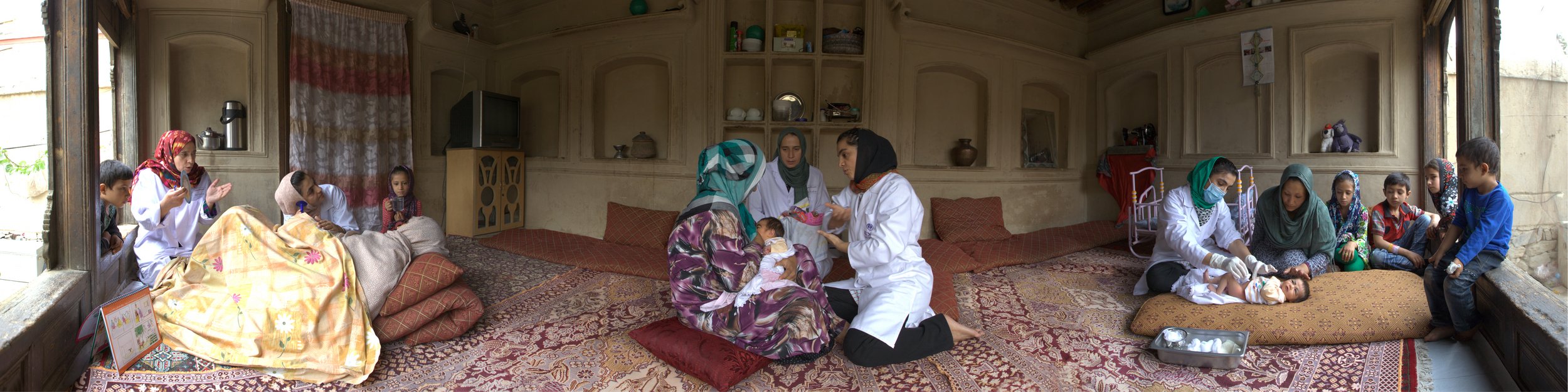
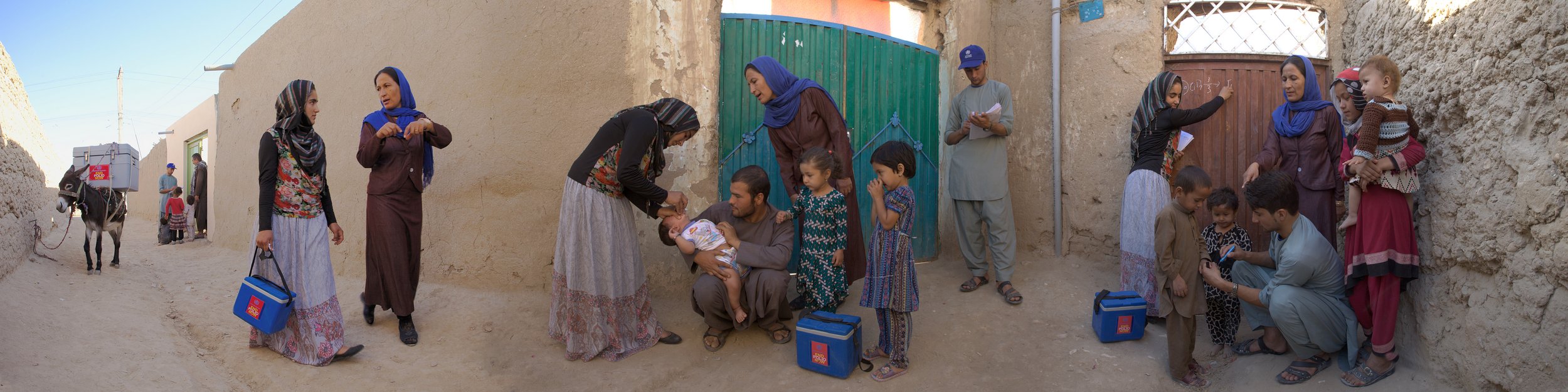
Mental health support in Afghanistan often begins far from a specialist clinic. It may start with a community health worker visiting a family, a midwife speaking with a new mother, or a trusted local worker noticing that someone has stopped sleeping, eating, working or joining daily activities. Training these frontline workers in mental health first aid can make early support part of ordinary community care.
The approach is especially relevant in settings where conflict, displacement, poverty, bereavement and uncertainty have placed sustained pressure on individuals and families. A health worker does not need to become a psychologist to offer useful assistance. They need practical skills to listen safely, recognise warning signs, reduce immediate distress, protect confidentiality and connect people with appropriate services.
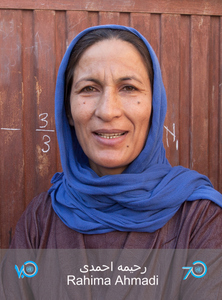
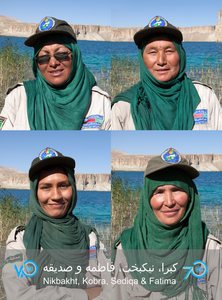
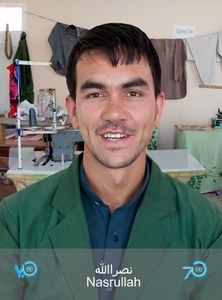
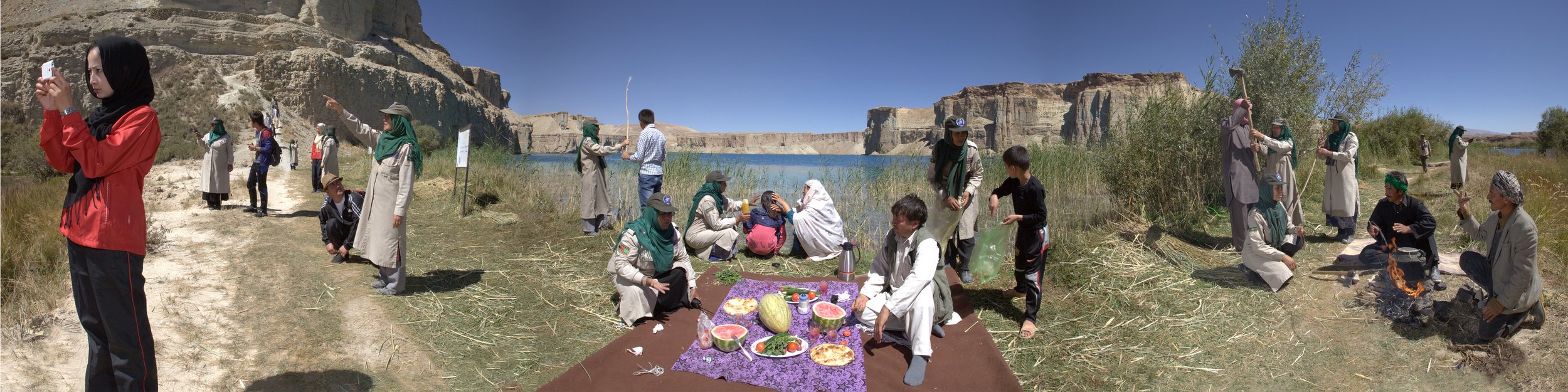
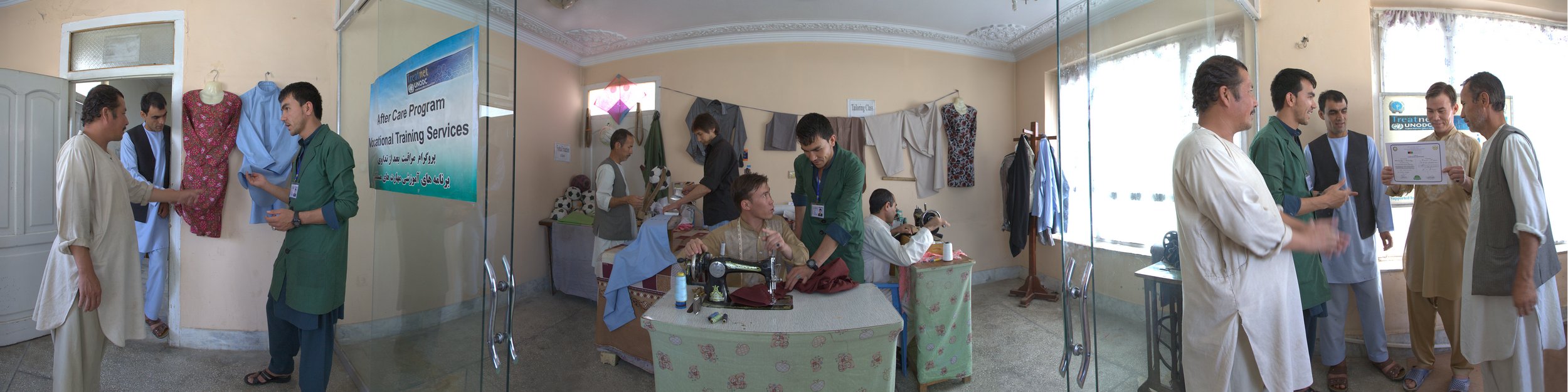
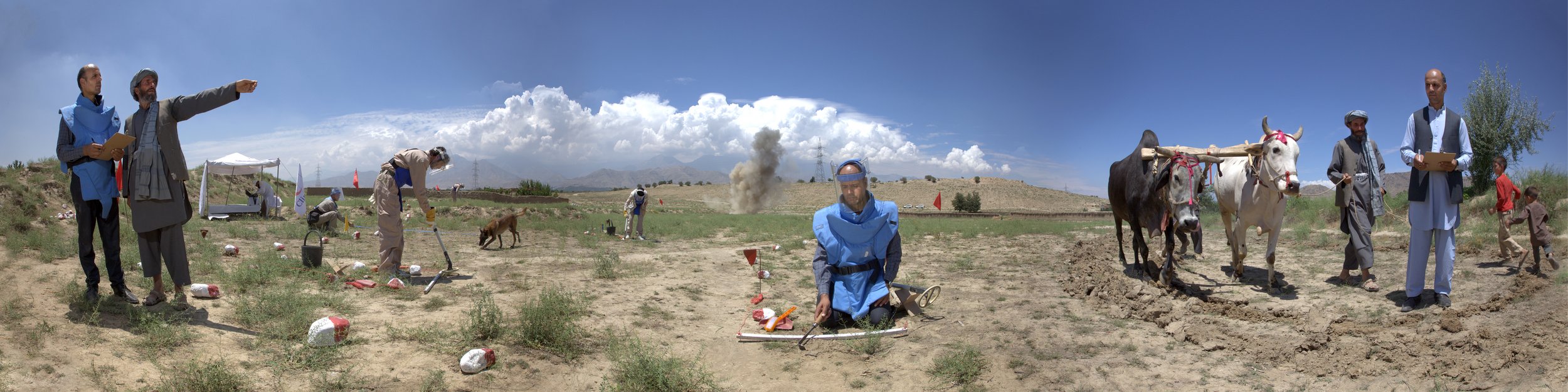
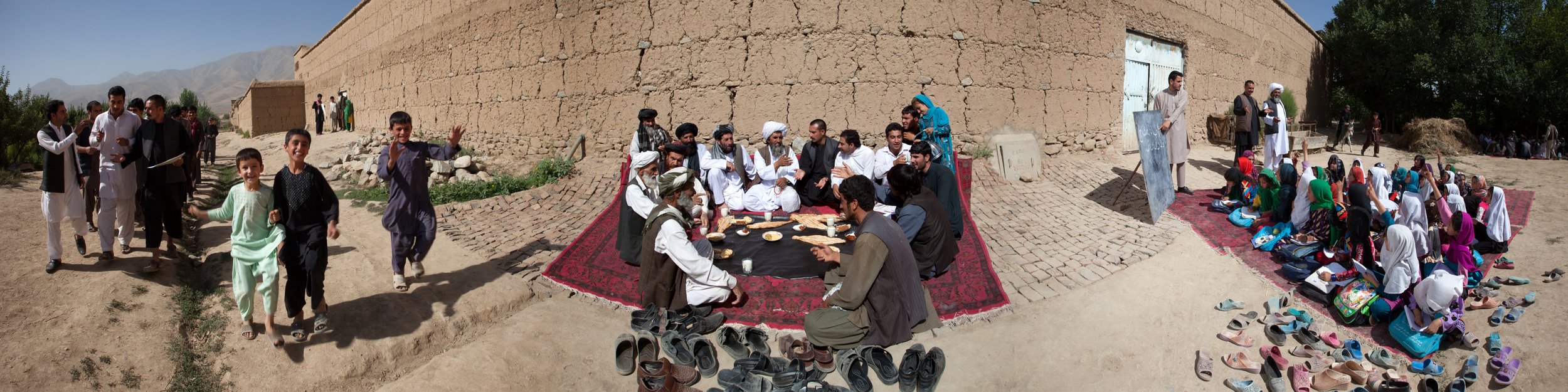
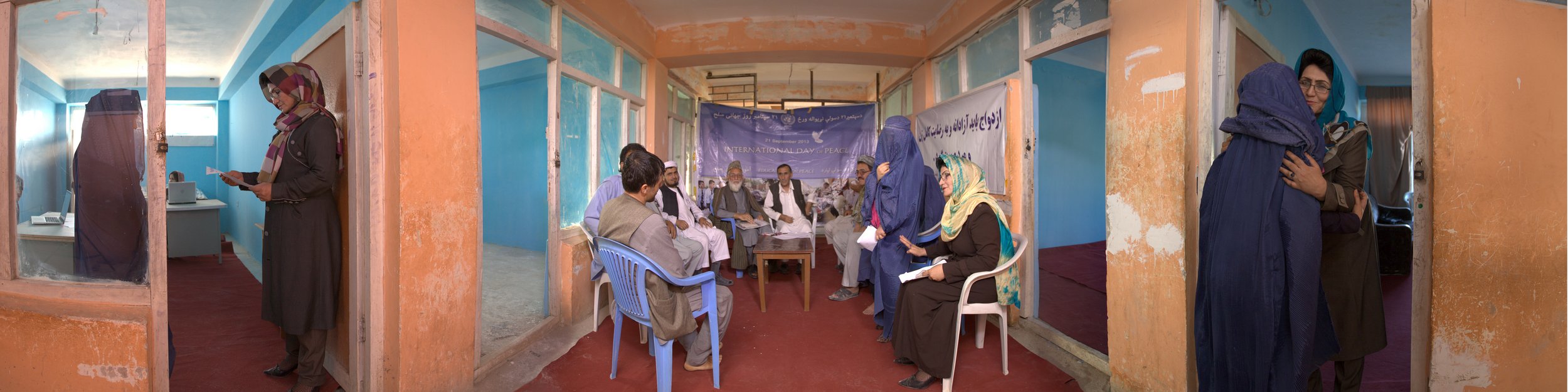
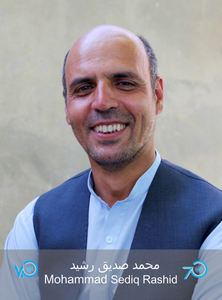
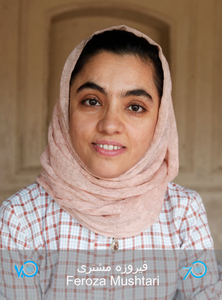
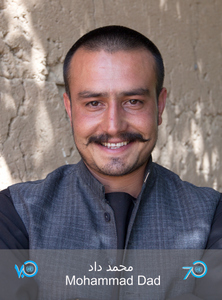
The archived UN Afghanistan website provides the setting for understanding this work. Its UN70 campaign, “Strong UN. Strong Afghanistan.”, highlighted Afghan people and their contributions, alongside photographs, news and messages from the Special Representative of the Secretary-General. The campaign has finished and the page is no longer active, yet its focus on partnership remains useful when considering community-based mental health care.
For an Australian audience, the subject also offers a way to compare health systems without treating them as interchangeable. An outreach worker in rural Afghanistan operates in a very different environment from a GP in regional Queensland or a counsellor connected to a headspace centre in Melbourne. Still, the core principle travels well: trusted people, sound training and clear referral pathways can help communities respond earlier and more safely.
Why Community-Based Mental Health Matters
Afghanistan’s mental health needs are shaped by prolonged conflict, repeated displacement, economic hardship, natural disasters and limited access to specialist care. In many communities, a formal mental health service may be distant, costly or unfamiliar. Social stigma can also make people reluctant to describe emotional distress or seek help from a clinic.
Community health workers are often better placed to identify changes in behaviour because they already have relationships with local families. They may visit homes, support maternal and child health, provide health education or help people navigate basic services. That contact creates an opportunity to recognise depression, anxiety, trauma-related symptoms, severe distress or risks associated with self-harm.
Mental health first aid is not a substitute for psychiatric treatment, psychotherapy or emergency care. It is an early response framework. The worker listens without judgement, checks immediate safety, offers calm and practical support, and helps the person reach a qualified provider when further care is needed. This distinction protects both the community member and the worker from unrealistic expectations.
A community approach can also reduce the separation between physical and mental health. Poor sleep, chronic pain, unexplained fatigue and changes in appetite may appear in a primary care visit before a person speaks about fear or grief. Training can help workers respond to the whole person while remaining within their role.
What Frontline Training Can Teach
A strong programme usually combines knowledge with rehearsed communication skills. Workers can learn to notice signs such as persistent withdrawal, agitation, hopelessness, confusion, panic, traumatic memories or unusual behaviour. They also need guidance on how symptoms may appear differently across age groups, genders and cultural settings.
Active listening is central. This means giving a person time to speak, using plain language, reflecting what has been heard and avoiding rushed advice. Statements such as “That sounds very difficult” or “You deserve support with this” can communicate respect without making a diagnosis. The worker should ask permission before discussing sensitive issues and should never promise absolute secrecy when someone may be at serious risk.
Safety assessment requires particular care. A trained worker should know how to respond if someone mentions suicide, violence, exploitation, psychosis or an inability to care for themselves or a child. The correct action will depend on local procedures, available services and the seriousness of the risk. Training must therefore include escalation pathways, supervision and practical contact information rather than relying on general principles alone.
Workers also need to understand their own limits. Hearing repeated accounts of loss and violence can lead to secondary stress, exhaustion or compassion fatigue. Regular supervision, peer debriefing, manageable caseloads and access to confidential support are essential parts of a responsible programme. A course that teaches workers to help others while ignoring their wellbeing is incomplete.
Adapting Support To Afghan Communities
Mental health language cannot simply be transferred from an international training manual into every Afghan community. Concepts such as trauma, depression or panic may be understood through religious, family, social or physical explanations. A respectful programme makes room for those perspectives while still identifying symptoms that require care.
Local consultation should guide the content. Women’s groups, disability advocates, religious leaders, elders, community organisations and people with lived experience can help identify acceptable ways to discuss distress. Training may need separate or adapted approaches for women, men, adolescents, people living with disabilities and communities affected by displacement.
Language access is equally important. Afghanistan is linguistically diverse, and training materials should be available in forms that workers can use confidently. Role plays should reflect ordinary situations rather than imported scenarios. A conversation with a displaced family, for example, may involve housing insecurity, missing relatives, interrupted schooling and fear of stigma at the same time.
Confidentiality also requires local judgement. In close communities, a worker may know several members of the same family. Programmes need clear rules about private conversations, record keeping, consent and information sharing. The aim is to protect the person seeking help while recognising circumstances in which safeguarding or urgent intervention takes priority.
Cultural adaptation does not mean accepting harmful practices. It means building trust so that evidence-based care can be discussed in a way people recognise as respectful. Community leaders can help reduce stigma, but they should not replace trained health professionals or control a person’s access to confidential support.
Connecting First Aid With Ongoing Care
Mental health first aid has value only when it connects people to further assistance. A distressed person may receive a compassionate conversation and still need medical assessment, trauma-informed counselling, medication review, protection from violence or support with food and housing. Referral systems must be realistic about what services are available in each district.
A useful model can link community health workers with primary care facilities, mobile teams, hospitals, women’s services, child protection organisations and specialist mental health providers. Simple referral forms, agreed consent procedures and follow-up responsibilities can prevent people from disappearing between services. Where transport is difficult, outreach visits or supervised telephone support may help bridge the gap.
The World Health Organization’s mental health and psychosocial support guidance offers useful reference points, including task-sharing and the integration of care into primary health services. Such frameworks still need local implementation. A referral pathway that works in Kabul may not work in a remote province, a displaced-person settlement or an area affected by insecurity.
Data collection should be proportionate and safe. Programmes can monitor training completion, referrals, follow-up and changes in knowledge without collecting unnecessary personal details. Any information about mental health must be protected carefully, especially where disclosure could expose a person to family conflict, discrimination or other harm.
Partnerships are central to sustainability. UN agencies, Afghan civil society organisations, health authorities and community networks each bring different capabilities. The spirit of the UN70 message—strong institutions working with Afghan people—can be applied through shared planning, local ownership and support for Afghan health workers rather than short-term external delivery.
What Australia Can Learn From The Model
Australia has a larger formal health system, yet access remains uneven. Someone in Sydney may find a GP, psychologist or community mental health service within reach, while a person in the Kimberley, the Northern Territory or a remote South Australian community may face long travel times and limited appointments. Rural and remote Australians often understand the value of a trusted local person who can notice when a mate is doing it tough.
Australian services also operate through a mix of public funding, Medicare, private providers, Primary Health Networks, community organisations and targeted programmes. Headspace centres support many young people, while Aboriginal Community Controlled Health Services provide culturally grounded care in many locations. These services are valuable, though availability, waiting times and eligibility vary from place to place.
The Afghan example reinforces the importance of cultural safety. In Australia, that includes listening to Aboriginal and Torres Strait Islander communities, supporting interpreters for people from migrant and refugee backgrounds, and recognising the realities of farming, FIFO work, family violence and social isolation. A one-size-fits-all script is unlikely to serve a community well.
There is also a practical lesson about boundaries. Australian mental health first aid courses can improve confidence among teachers, employers, volunteers and community members, but participants are not clinicians simply because they complete training. They need to know when to contact emergency services, a GP, a crisis line or a specialist service. In an immediate emergency, call 000; Lifeline is available on 13 11 14, and health advice can be reached through Healthdirect on 1800 022 222.
Principles For Effective Community Training
A programme built around Afghan communities should be practical, supervised and connected to services. The following principles can help guide funders, health organisations and community partners:
- Recruit and train trusted local workers who understand the languages, customs and pressures of the communities they serve.
- Use role plays, plain language and locally relevant examples to teach listening, risk recognition, referral and confidentiality.
- Create clear pathways to primary care, specialist mental health support, protection services and emergency assistance.
- Provide regular supervision, peer support and wellbeing resources for workers exposed to distressing stories.
- Measure outcomes safely, with community consent and attention to whether people can actually reach the services to which they are referred.
Training should be delivered as part of a wider system rather than as a stand-alone workshop. Organisations need budgets for supervision, translation, transport, secure records and follow-up. They also need to review whether women, displaced people, people with disabilities and other underserved groups can access help on equal terms.
For Australian partners, responsible engagement means supporting Afghan-led organisations and listening to local expertise. Funding arrangements should allow community organisations to plan beyond a short project cycle, develop their own workforce and report on outcomes without excessive administrative burden. The strongest partnerships share decision-making instead of treating local workers as temporary extensions of an international programme.
The archived UN Afghanistan campaign remains a useful reminder that national strength is expressed through people and relationships. Mental health first aid reflects that idea at a practical level: a trained community worker can open a safe conversation, identify danger and help someone take the next step towards care.
Readers can explore the archived UN Afghanistan campaign materials, learn how local and international organisations approach psychosocial support, and share reliable mental health information through established community networks. Australian organisations can strengthen this work by supporting culturally safe training, backing Afghan-led initiatives and directing people in crisis to qualified services without delay.