
Making a Difference

The UN and Afghan Food Ration Distribution in Winter
Winter in Afghanistan turns food insecurity into an urgent logistical and humanitarian concern. Falling temperatures, heavy snow, damaged roads and high fuel prices can isolate villages for weeks. Families already affected by conflict, displacement, drought or unemployment may have little ability to store food or purchase supplies when markets become inaccessible.
Food assistance during this period is therefore about more than handing out a ration. It involves identifying households at greatest risk, pre-positioning supplies, coordinating with Afghan authorities and local organizations, and reaching people safely before mountain passes close. The work also has to respect the choices, dignity and protection needs of the people receiving support.
The United Nations has worked with Afghan communities and humanitarian partners across these areas for decades. The archived UN Afghanistan website offers a broader picture of the organization’s partnership with Afghans, including stories that place humanitarian action within the lives and contributions of local people.
Why winter makes food insecurity worse
Many Afghan households face seasonal hardship even when they have food available nearby. A family may live several hours from the nearest market, depend on a daily wage that disappears during the coldest months, or lack enough fuel to cook and heat the home. When snow blocks roads, transport costs rise and traders may reduce deliveries. The result is that staple foods become harder to reach and more expensive precisely when household income is under pressure.
Winter also creates a greater need for calories. People living in unheated homes require additional energy to keep warm, while children, older people and those with disabilities may be less able to travel for assistance. Families displaced by conflict or natural disasters often have fewer blankets, cooking utensils and food reserves than established households. A food ration can prevent harmful coping strategies such as skipping meals, selling essential assets or taking children out of school to work.
Food insecurity is rarely caused by a single event. Drought can reduce harvests, economic disruption can limit purchasing power and insecurity can restrict movement. Humanitarian assessments help determine how these factors overlap. Assistance is then directed toward households facing the most severe combination of hunger, exposure and limited access to markets.
How the UN response is organized
The UN does not operate as a single food distribution agency. Different parts of the system contribute distinct responsibilities. The World Food Programme commonly manages emergency food assistance and may provide wheat flour, pulses, vegetable oil or fortified products, depending on assessed needs and available funding. Other UN agencies focus on nutrition, agriculture, shelter, protection, water and sanitation or coordination.
Local and international non-governmental organizations are central to delivery. They help verify beneficiary lists, communicate distribution dates, arrange safe sites, handle complaints and monitor whether assistance reaches the intended households. Community elders, women’s representatives, disability organizations and local volunteers can provide valuable knowledge about isolated families, although their participation must be balanced with safeguards against favoritism or exclusion.
The UN Office for the Coordination of Humanitarian Affairs supports information sharing among agencies and helps identify gaps. Humanitarian teams also coordinate with local authorities and relevant ministries, while maintaining the principles of humanity, neutrality, impartiality and independence. These principles matter because food aid must be allocated according to need rather than political affiliation, ethnicity, gender or location.
What a winter food ration may contain
There is no universal Afghan winter ration. The contents, quantity and duration depend on household size, nutritional requirements, funding, market conditions and whether the programme uses in-kind food, cash assistance or vouchers. A household may receive a package intended to cover several weeks, or repeated distributions throughout the winter.
Staple items often include fortified wheat flour or another cereal, pulses, cooking oil and salt. Some programmes add specialized nutritious foods for young children or pregnant and breastfeeding women. Where markets function and traders can restock safely, cash or vouchers may allow families to buy food locally. This approach can support local commerce while giving households more flexibility, though it is less suitable when prices are unstable or goods are unavailable.
| Assistance approach | What it can provide | Winter advantage | Main consideration |
|---|---|---|---|
| In-kind food package | Staple cereals, pulses, oil and fortified foods | Useful where markets are distant or poorly supplied | Heavy cargo requires storage and transport |
| Cash assistance | Money for food and essential household needs | Gives families flexibility and can support local markets | Inflation and limited market access may reduce its value |
| Food vouchers | Credit for approved food items | Combines choice with some programme controls | Depends on participating retailers and available stock |
| Nutrition support | Specialized foods and counselling | Helps protect children and mothers from malnutrition | Requires screening, follow-up and health referrals |
A well-designed distribution considers cooking conditions as carefully as nutritional content. Food that requires long cooking times may be difficult for households with little fuel. Packaging must be strong enough for transport and storage, and instructions should be communicated in languages and formats people understand. Distribution teams may also connect families to nutrition screening, health services, shelter support or referrals for protection concerns.
Moving supplies before roads close
Winter logistics begin months before the first major snowfall. Humanitarian organizations use weather forecasts, road assessments, warehouse capacity and past seasonal experience to decide where food should be stored in advance. Pre-positioning supplies in provincial and district warehouses can shorten the final journey to remote communities and reduce the risk of a prolonged interruption.
Transport plans must account for mountain roads, river crossings, damaged bridges and areas that can be reached only by smaller vehicles or on foot. In some locations, agencies use local transporters who understand the terrain and seasonal access routes. Contingency stocks are important because a single storm can delay a convoy, while repeated storms can close a route entirely.
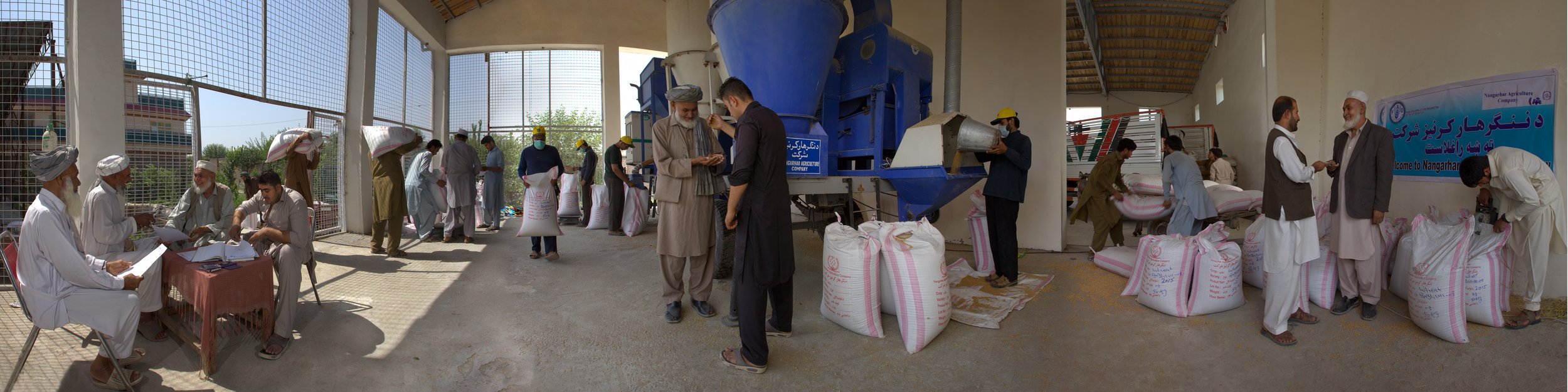
Storage is as important as transport. Warehouses need protection from moisture, pests and theft, with records showing what entered, what was distributed and what remains. Food must be kept in a condition that protects its safety and nutritional value. Where possible, procurement from regional or Afghan suppliers can reduce delivery times and support local economies, provided quality and supply standards are met.
A distribution schedule also has to reflect the realities of winter travel. Sites should be close enough for people to reach without dangerous journeys, and collection times should avoid the coldest hours. When conditions change, partners may need to adjust dates, arrange smaller local distributions or provide additional support for people unable to travel.
Protecting dignity and access
A food distribution can unintentionally exclude the people it is designed to help if its procedures are not accessible. Women may face restrictions on movement, older people may be unable to stand in long queues, and people with disabilities may need assistance reaching or carrying their ration. Protection-sensitive planning reduces these barriers while preserving privacy and safety.
Practical measures can make a significant difference:
- Publish distribution dates and eligibility information through trusted local channels.
- Create separate arrangements for older people, pregnant women and people with disabilities.
- Include female staff or community workers where cultural conditions require them.
- Provide clear complaint and feedback mechanisms that do not expose families to retaliation.
- Check that households headed by women, displaced families and minority communities are not omitted from registration.
Registration and verification must be handled carefully. Documentation requirements should not exclude people who have lost identity papers, moved recently or live in informal settlements. At the same time, partners need safeguards against duplicate records, diversion and pressure from influential individuals. Transparent criteria, independent monitoring and confidential complaints help build trust.
Dignity also means recognizing that recipients are decision-makers in their own households. Food aid should not assume every family has the same diet, storage space or cooking equipment. Consultation with communities can reveal whether a planned ration is practical, whether a cash transfer would be safer, and which groups are missing from existing outreach.
Measuring whether assistance reaches families
Counting distributed bags or registered households is necessary, but it does not show the full result. Monitoring teams examine whether food arrived on time, whether the quantity matched the entitlement, whether recipients faced protection risks and whether the assistance reduced the need to skip meals or sell belongings.
Post-distribution monitoring may include household interviews, phone calls, site observations and market checks. Agencies can compare planned and actual delivery figures, investigate complaints and identify communities where access failed. Nutrition screening can reveal whether children remain at risk even after a food distribution, prompting referrals to health or nutrition services.
Market monitoring is especially important when assistance is provided as cash or vouchers. Prices for flour, cooking oil and fuel can rise rapidly during winter. If the value of a transfer no longer covers the intended food basket, programmes may need to revise the amount or switch to another form of support. In-kind deliveries also require market awareness because large shipments can affect local prices and trader behavior.
Accountability is a continuing process rather than a final inspection. Communities need to know what assistance is available, who qualifies, how to report a problem and when they can expect a response. Feedback gathered in one winter should inform planning for the next, especially in districts where weather, access or displacement patterns change quickly.
Linking emergency food aid with recovery
Winter rations address immediate hunger, but families also need opportunities to become less dependent on emergency support. Where conditions permit, the UN and partners may connect food assistance with agricultural inputs, livestock services, cash-for-work, vocational training or livelihood recovery. These measures can help households restore income and improve their ability to withstand the next shock.
Agricultural programming must be adapted to Afghanistan’s varied environments. Drought-affected farmers may need drought-tolerant seed, water management or livestock vaccination rather than a standard package. Urban households may benefit more from employment support or market-based assistance. A locally informed response avoids treating every province, district or household as though it faces identical conditions.
Nutrition, health, shelter and food security are also closely connected. A family may receive flour and oil yet remain vulnerable because it lacks clean water, heating fuel or access to medical care. Joint planning can reduce these gaps. For children, combining food support with nutrition screening and health referrals is particularly important during the cold season.
The wider significance of this work is reflected in the stories and messages associated with the UN70 “Strong UN. Strong Afghanistan.” campaign. Humanitarian assistance is most effective when it is understood as a partnership with Afghan people, communities and institutions, rather than as a one-way delivery of goods.
Food ration distribution in winter is a test of preparation, coordination and respect. It requires supplies to move through difficult terrain, but it also requires accurate information, fair selection, safe access and meaningful accountability. When these elements work together, emergency food assistance can help families protect their health and preserve choices during the harshest months.
Readers can follow the United Nations’ public information about Afghanistan, learn how humanitarian operations are coordinated and support reliable awareness of the needs facing Afghan communities. Sharing accurate information about winter food security also helps keep attention on the people and local partners whose work makes assistance possible.