
Making a Difference

Expanding Opportunity Through Female Literacy In Afghanistan
Literacy is a practical form of independence. For Afghan women, being able to read a health message, sign a document, follow a medicine label or calculate a household payment can affect everyday safety and decision-making. Adult education also opens a path to skills training, income generation and fuller participation in community life.
The United Nations has supported education and community development in Afghanistan through partnerships with local organisations, government institutions and international donors. Accelerated learning programs have been especially important for adults who missed out on school, including women whose education was interrupted by poverty, displacement, conflict, family responsibilities or restrictions on movement.
These programs are designed around the realities of adult learners. Lessons may combine basic reading, writing and numeracy with health information, livelihoods, civic awareness and child support. Flexible schedules, nearby classes and women teachers can make attendance possible for people who could not fit a conventional school timetable into daily life.
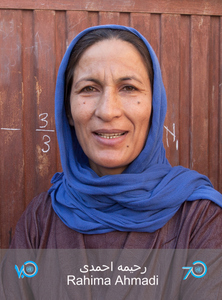
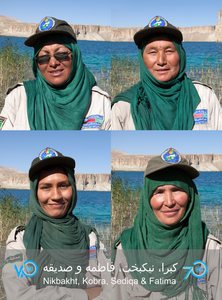
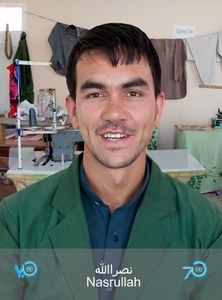
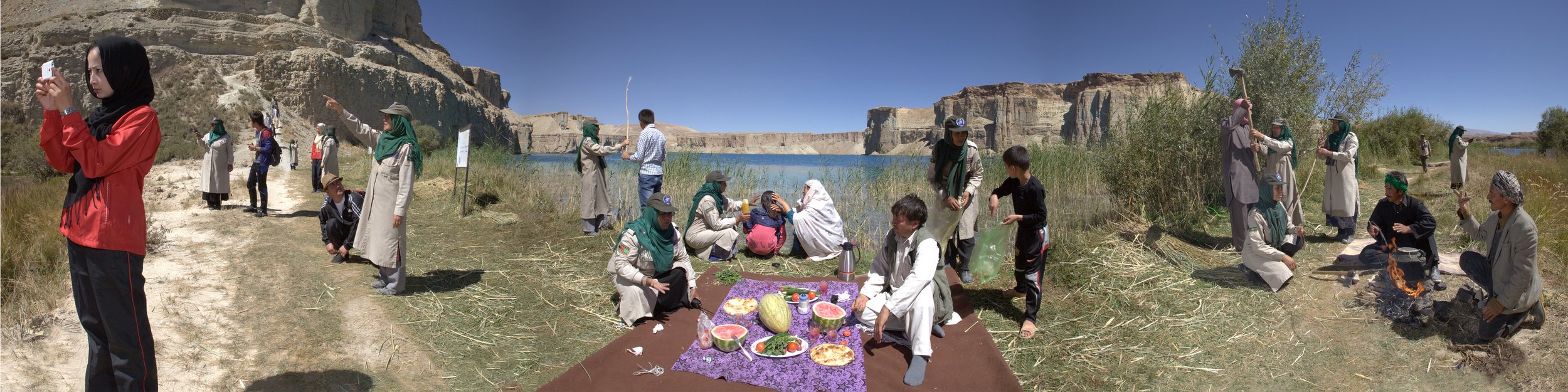
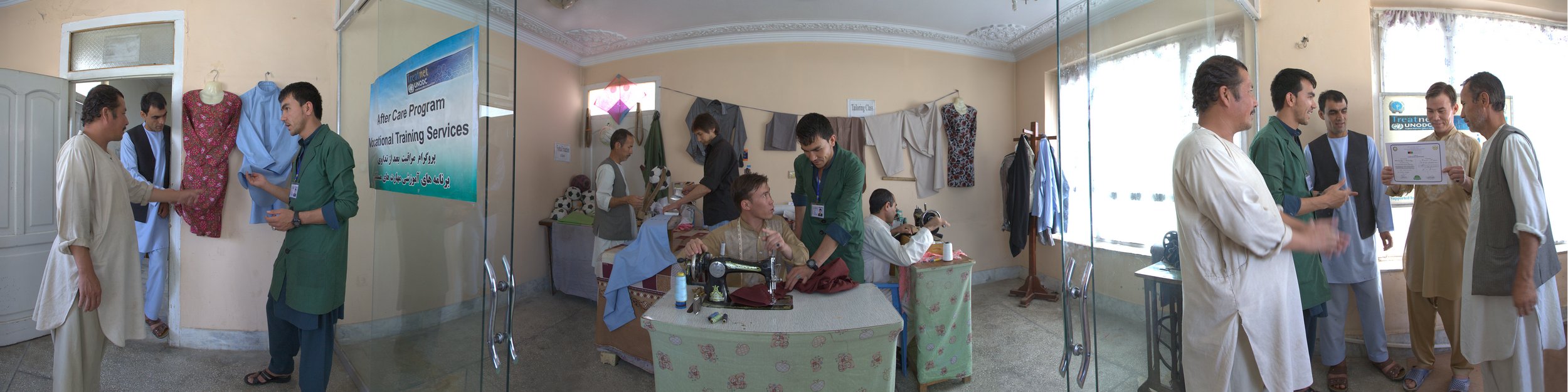
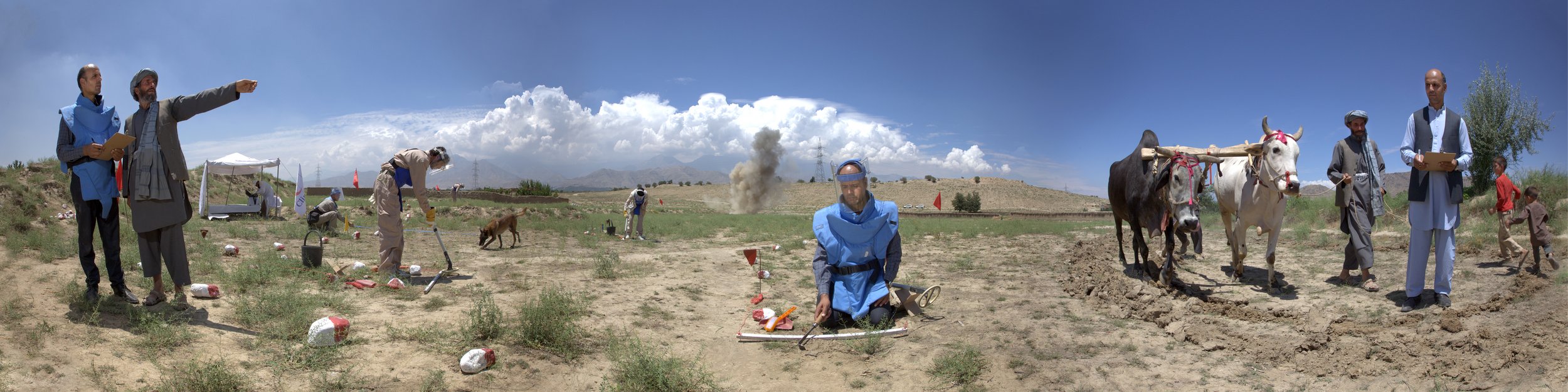
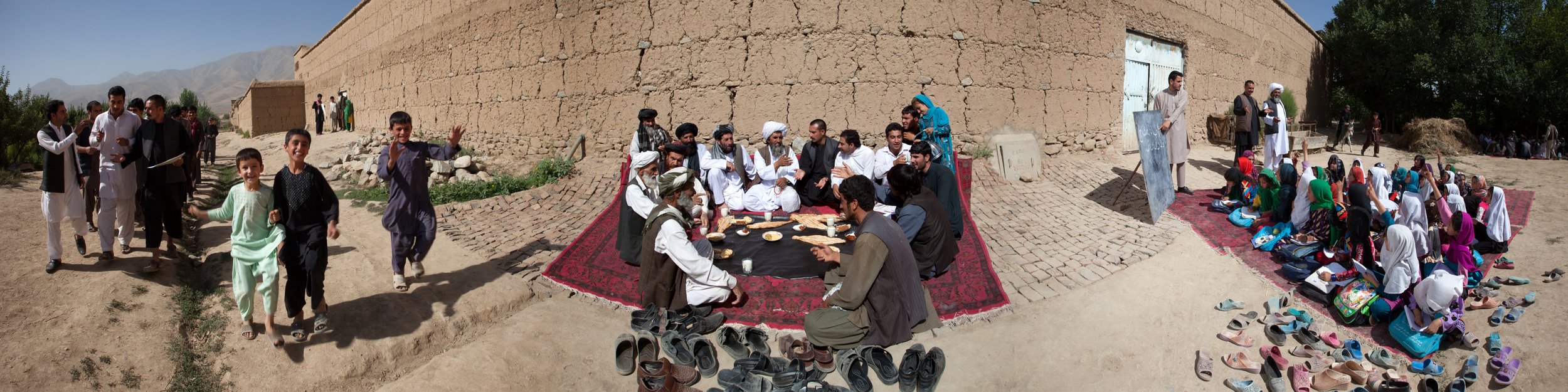
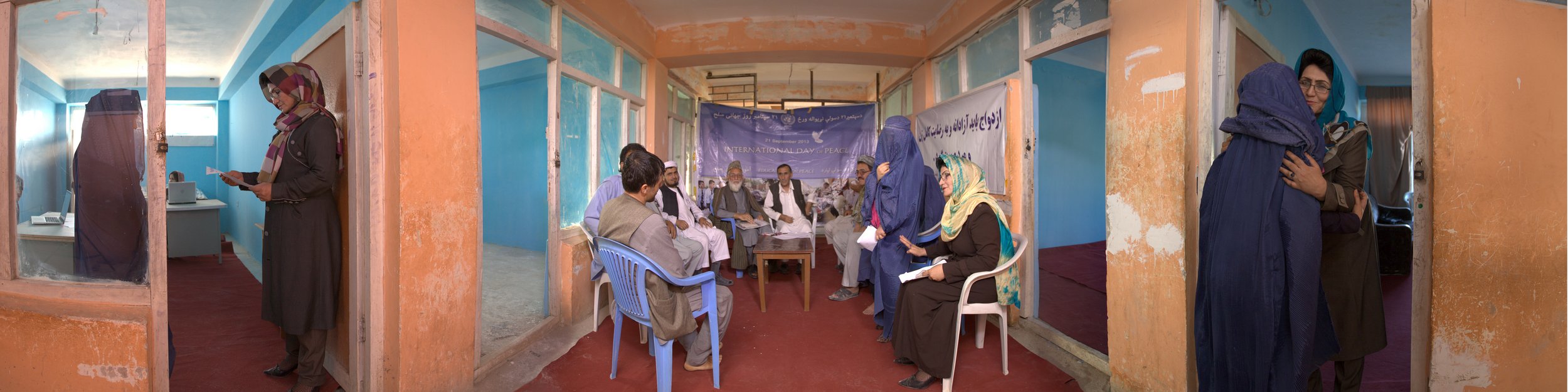
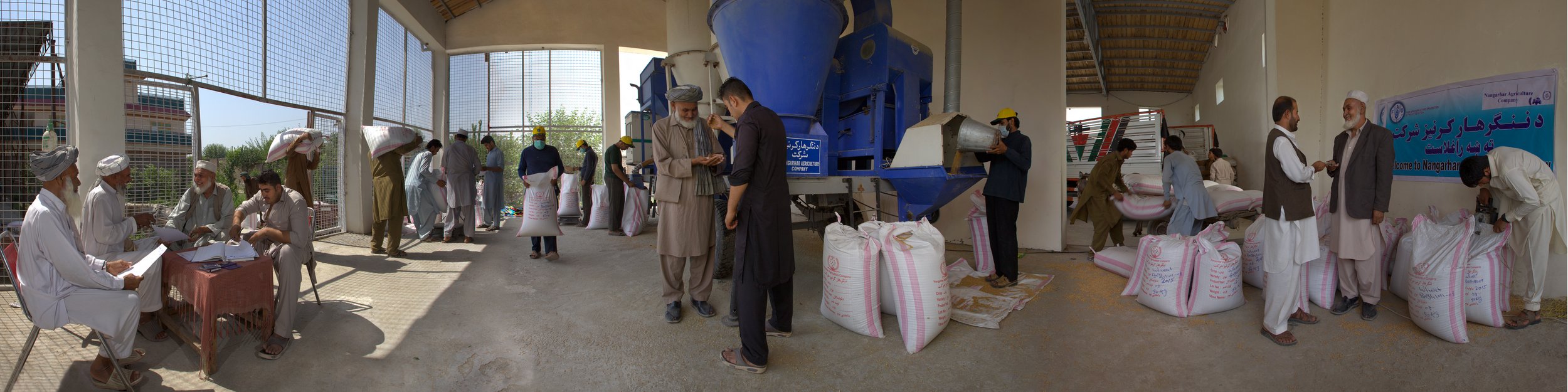
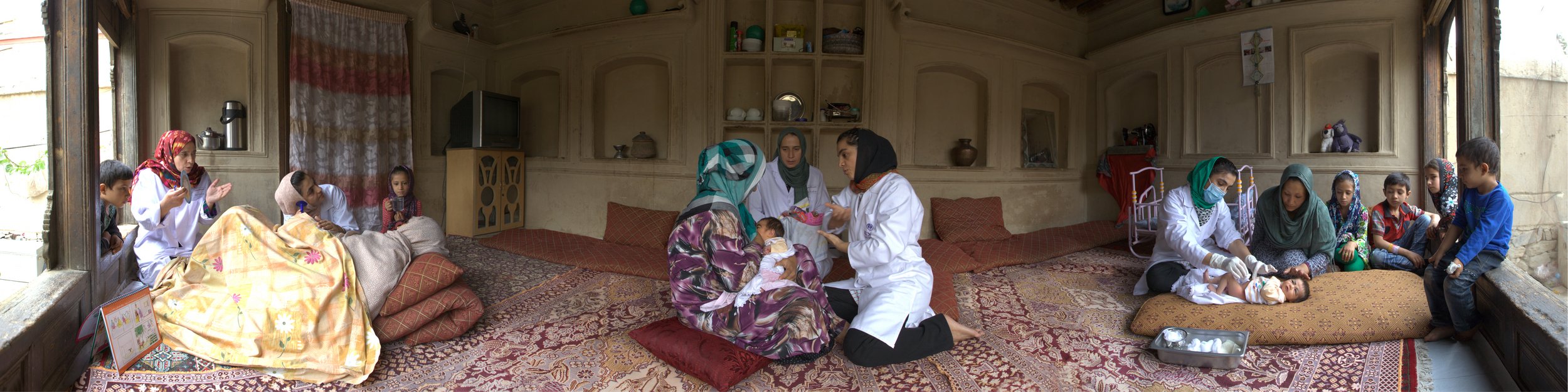
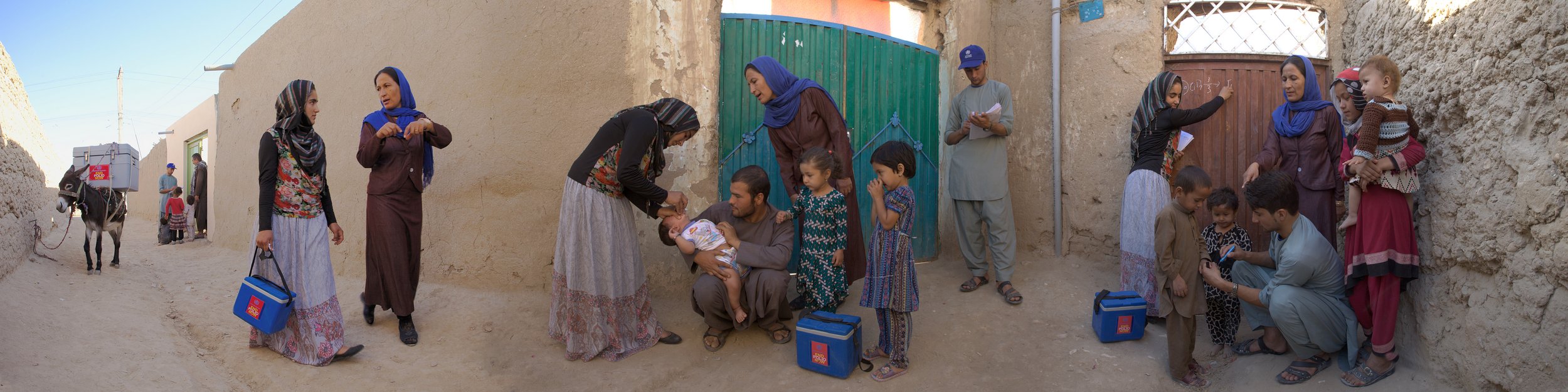
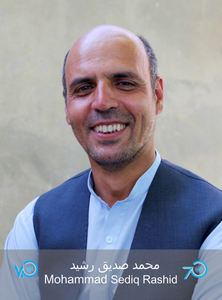
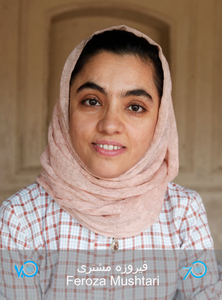
The UN70 campaign, presented through the archived UN Afghanistan website, highlighted the idea of a strong United Nations working alongside a strong Afghanistan. Its photographs and personal stories drew attention to Afghan people contributing to their communities. Female literacy belongs within that wider story: progress is built through local effort, persistence and partnerships that value Afghan women as learners, workers, carers and community leaders.
Why Adult Women’s Literacy Matters
Adult literacy is often described as a classroom outcome, but its effects reach far beyond reading and writing. A woman who can recognise numbers may keep better records for a small business. Someone who can read a text message may receive information about a vaccination clinic or market price without relying on another person. Literacy can reduce dependence and give women greater control over choices affecting their families.
The benefits can extend across generations. Mothers and older sisters who are comfortable with written materials are better placed to support children with homework, encourage school attendance and communicate with teachers. In communities where formal education has been disrupted, an adult learning group can become a trusted point for sharing information and building confidence.
Afghanistan’s geography and social conditions make local access critical. A learning centre in a provincial town may be reachable for some women but impossible for those in remote villages. Travel costs, safety concerns, household duties and the availability of female instructors all influence whether a program succeeds. Effective literacy work therefore treats attendance as a practical issue, not a measure of motivation alone.
How Accelerated Learning Works
Accelerated learning programs condense essential education into a focused course. They do not simply rush through a standard school curriculum. Good programs identify the most useful reading, writing and numeracy skills, then teach them through methods suited to learners who may have had little or no previous schooling.
For adults, lessons often use familiar situations. A class might practise reading names, dates, prices, signs or short messages before moving to longer passages. Numeracy may involve weighing produce, calculating change, planning household spending or recording stock. This approach makes learning immediately relevant and helps participants see progress in ordinary tasks.
Flexible delivery is another important feature. Classes may operate in community buildings, homes, women’s centres or other locally accepted spaces. Sessions can be arranged around farming, caring responsibilities, prayer times and seasonal work. Some programs use peer support, visual materials and oral exercises so that learners can build skills even when books, electricity or internet access are limited.
Accelerated courses also need a pathway beyond the first stage. Learners may progress to vocational training, health education, income-generation activities or further formal study. Without that next step, basic literacy risks becoming an isolated project rather than part of a sustained education system.
The Role Of The United Nations
The UN’s role in Afghanistan has involved coordination, technical support, advocacy and partnership. Education programs depend on cooperation among Afghan communities, local authorities, humanitarian agencies, civil society groups and donors. The United Nations can help bring these efforts together, promote shared standards and draw attention to groups that are often excluded.
UN agencies and partner organisations may support teacher training, learning materials, monitoring and community outreach. In adult female literacy, that support must be sensitive to local languages, cultural expectations and different levels of prior education. A woman who has completed several years of school needs a different learning pathway from someone holding a book for the first time.
The archived UN Afghanistan campaign placed individual Afghan experiences alongside institutional messages from the Special Representative of the Secretary-General. That format matters because statistics alone cannot show how education changes a person’s daily choices. Personal stories can make international cooperation more visible, while photographs can document the dignity and effort involved in community-based learning.
The campaign itself is no longer active, and its website is an archived snapshot rather than a current service portal. Its value today is documentary. It records how the UN presented its partnership with Afghan communities and provides context for understanding education as part of broader efforts to support resilience, opportunity and social participation.
Barriers Facing Afghan Female Learners
Women and girls in Afghanistan have faced serious obstacles to education, including insecurity, poverty, displacement and limits on movement. Adult women may also carry most household and caring responsibilities, leaving little time for study. A literacy program that ignores these pressures can appear available on paper while remaining inaccessible in practice.
Language and location create additional barriers. Afghanistan is linguistically diverse, and teaching materials must be understandable to the communities using them. Rural learners may live far from roads, health services and communications infrastructure. A program may need several small learning groups rather than one central site, especially where transport is expensive or unreliable.
Teachers are central to trust. Female instructors can make classes more acceptable to families and more comfortable for learners discussing personal or health-related topics. They also need training, teaching resources and reliable support. When educators are unpaid, poorly prepared or repeatedly moved, the continuity of learning suffers.
Digital tools can assist education, but they cannot replace safe, human-centred delivery. Mobile phones, radio and offline resources may extend access in some areas, while electricity and connectivity remain uncertain in others. Program design should begin with what learners can use consistently, rather than assuming that an online course is automatically the most efficient answer.
Lessons For Australian Supporters
Australian audiences may recognise the value of flexible adult learning through familiar services such as TAFE, community colleges and the Adult Migrant English Program. These systems show how language, literacy and employment skills can be taught together, with childcare, transport and flexible timetables often influencing whether people can participate.
The comparison has limits. Afghan communities face different security conditions, levels of poverty and restrictions on women’s public participation. Still, an Australian learner in western Sydney, a regional Victorian town or a remote Northern Territory community may understand the practical difference made by a nearby class, a patient tutor and lessons connected to everyday needs.
Public libraries, neighbourhood houses and multicultural community centres across Australia also demonstrate the value of welcoming learning spaces. In places such as Melbourne, Perth and Brisbane, community organisations often connect adult education with settlement support, digital access and referrals to health or employment services. Similar joined-up thinking is useful when considering international development partnerships.
For Australian policymakers and donors, the market for overseas development support is shaped by accountability. Funding decisions need clear evidence, local partners and realistic measures of progress. A useful measure might include regular attendance, reading comprehension, confidence using numbers, transition into skills training or the ability to access essential services—not merely the number of classes delivered.
Building Programs Around Local Strengths
Successful adult literacy initiatives are usually grounded in community knowledge. Local women, elders, teachers and civil society groups can explain when classes are acceptable, which locations are safe and what learning goals matter most. Consultation should continue after a program begins so that delivery can adapt to changing conditions.
Women learners should have a voice in program design. They can identify whether childcare is needed, whether lesson times conflict with market days and which topics feel useful. Their feedback can also reveal problems that outside organisations may miss, such as embarrassment among first-time learners or materials that use unfamiliar examples.
Economic links can strengthen motivation. Literacy classes connected with agriculture, tailoring, small retail, health work or household finance give learners a reason to keep practising. The connection should remain respectful: education is valuable in its own right, and women should not be treated only as potential workers or income earners.
Practical Priorities For Responsible Support
- Fund community-based classes with safe locations, flexible hours and pathways into further learning.
- Invest in Afghan women teachers, including training, fair compensation and ongoing professional support.
- Provide materials in appropriate local languages and use examples drawn from real household and community situations.
- Measure confidence, practical reading and numeracy, attendance and progression rather than relying on enrolment figures alone.
- Coordinate education funding with health, livelihoods, protection and humanitarian services where communities request it.
Measuring Progress Beyond Enrolment
Counting enrolments is useful, but it does not show whether learners are gaining durable skills. Monitoring should consider attendance, course completion, reading comprehension, writing ability and practical numeracy. It should also examine whether women can use those skills outside the classroom.
Qualitative evidence matters as well. A learner may describe feeling more confident at a clinic, reading a child’s school notice or keeping records for a home-based enterprise. These changes can be difficult to capture in a spreadsheet, yet they reveal whether education is becoming part of daily life.
Safeguarding must be built into evaluation. Collecting personal information can create risks in a fragile setting, particularly for women whose participation may attract unwanted attention. Data should be limited to what is needed, stored securely and gathered with informed consent. Monitoring should never place learners, teachers or local partners in danger.
Long-term progress depends on continuity. Short funding cycles can establish a class but may not support teacher retention, learning materials or progression. Coordination among donors and agencies can reduce duplication and help communities move from emergency education toward durable adult learning opportunities.
Keeping Afghan Women At The Centre
Female literacy is strongest when women are treated as active participants in Afghanistan’s future. They are learners, educators, carers, entrepreneurs, health advocates and community organisers. Their experiences should shape the design of accelerated education rather than being added after decisions have already been made.
The UN70 “Strong UN. Strong Afghanistan.” campaign offered a public record of partnership and Afghan contribution. Its archived stories can be read alongside the continuing importance of education access, local leadership and community resilience. They remind audiences that international institutions matter most when their work supports people’s own capacity to act.
For Australians, attention can become practical support through informed giving, responsible advocacy, engagement with reputable aid organisations and interest in how development programs are evaluated. Universities, libraries, schools, diaspora groups and community organisations can also help keep Afghan voices present in public discussion without reducing them to crisis statistics.
Expanding adult female literacy requires patience, protection and consistent investment. Support the organisations and partnerships that place Afghan women’s safety, language, priorities and leadership at the centre of learning, and share credible information about why flexible education remains essential to a stronger Afghanistan.