
Making a Difference
Emergency shelter for displaced Afghan families
The UN and Afghan emergency shelter kits—tents and blankets for displaced families—can provide immediate protection from unsafe weather, rough sleeping conditions and exposure in the first days after displacement. For families who have lost homes to conflict, natural hazards or severe economic shocks, a secure and weather-resistant place to sleep is an essential first step toward safety and stability.
A tent or blanket cannot replace a safe home, yet it can restore basic privacy while longer-term solutions are arranged. Effective provision depends on Afghan leadership, local knowledge, coordinated logistics and careful attention to the needs of children, women, older people, people with disabilities and families hosting others in their homes.
Why emergency shelter matters
Afghanistan’s displacement patterns vary considerably. Some families move from rural districts to cities after conflict, drought, earthquakes or landslides, while others shelter in host households, rented rooms or informal camps. A cold winter, intense summer heat, heavy rain or a sudden flood can quickly make inadequate housing dangerous.
For a displaced family, shelter provides more than physical cover. It offers a place to rest, store belongings, care for children and maintain personal routines. Privacy also matters: adults need space to prepare food, wash and change safely, while children benefit from somewhere that feels recognisably secure.
Emergency accommodation should therefore connect to a wider response. Site drainage, water, sanitation, lighting, food distribution, health services and secure access all affect whether a settlement is protective. Where suitable housing is available, rental assistance or support for host families may be more appropriate than constructing a new camp.
What an Afghan emergency shelter kit contains
There is no universal shopping list for an Afghan emergency shelter kit. Contents are selected according to the climate, displacement setting, household size, local construction practices and available services. A kit intended for a snowy mountain district will differ from one designed for a crowded urban neighbourhood or a flood-prone plain.
A family shelter may include a waterproof groundsheet, durable canvas or synthetic-fabric covering, poles, ropes and pegs. Depending on the environment, it may also contain sleeping mats, blankets, a mosquito net, a bucket, basic repair tools and a light. Some packages provide a secure box for documents and valuables, while others include items such as a torch, solar lamp or basic cooking equipment.
Blankets require careful selection. Lightweight synthetic fleece provides insulation while remaining compact and quick to dry. Wool is durable and warm, but heavier blankets can become burdensome when damp. Thermal comfort also depends on the sleeping surface, wind protection, shelter ventilation and the health of each household member. Fire safety matters as well; heating or cooking should never be used inside a tent unless the supplier expressly confirms that the design and instructions permit it.
From warehouse to a family’s hands
Reliable delivery begins long before a family reaches a distribution point. Procurement teams must verify quality, pack kits according to household needs and store them away from moisture and pests. Transport planning then accounts for damaged roads, changing security conditions, seasonal snow, border procedures and fuel availability. Forecasting errors can create either shortages or piles of supplies that cannot reach families in time.
Distribution should be fair and accessible. Lists must avoid duplication while including people who lack documents or formal registration, including some people with disabilities. Women and girls need safe access to distributions and clear reporting channels. Registration information should be handled carefully, especially in locations where sharing a family’s circumstances could expose them to harm or discrimination.
The strongest models place Afghan organisations and community representatives at the centre of decisions. Local leaders can identify suitable materials, explain which items families will actually use and warn procurement teams about unsuitable products. A feedback mechanism should operate from the beginning, allowing recipients to report missing parts, unsafe designs or changes in their circumstances.
Comparing emergency shelter choices
No shelter option works in every context. Cost, speed, privacy, weather resistance and the expected duration of displacement all influence the decision. Temporary materials can bridge a gap, while stronger structures may be justified where displacement is prolonged and families have safe tenure.
| Shelter option | Main strengths | Important limitations | Most suitable use |
|---|---|---|---|
| Tarpaulin and rope shelter | Quick to assemble and relatively inexpensive | Limited privacy, ventilation and weather protection | A short-term bridge while other arrangements are planned |
| Family tent | Familiar, portable and provides basic privacy | Requires maintenance and careful anchoring; can trap heat | Temporary family accommodation with nearby services |
| Transitional shelter | Better protection from rain, wind and temperature | Higher cost, preparation time and need for secure land | Medium-term stays where construction can be maintained |
| Collective site upgrades | Can add drainage, lighting, sanitation and shared facilities | Requires community agreement, planning and reliable management | Larger or longer-established displacement sites |
The right choice changes as needs evolve. A basic tarpaulin may be appropriate immediately after an emergency, but families should not remain with inadequate shelter for months. Transitional housing can offer greater safety where land tenure is secure. In urban areas, improving rented accommodation may deliver more dignity and independence than supplying tents.
Ways Australians can support emergency shelter
Australian supporters in Sydney, Melbourne, Brisbane, Perth and Adelaide can engage through familiar community activities. School fetes, bake sales, sausage sizzles, workplace giving days and neighbourhood fundraising events all provide practical ways to raise funds or gather requested supplies. Experienced organisers should check local safety requirements, insurance and event guidance before asking volunteers to collect goods.
Australia’s retail market offers many apparent options, but consumer products are not automatically suitable for humanitarian use. Camping shops sell tents designed for recreation, while bedding retailers and op shops may have blankets that differ in size, insulation and durability. Purchases should follow a verified need list covering material, quantity and packaging requirements. Climate also matters: supplies assembled for a mild Australian city may suit one region of Afghanistan but fail during an Afghan winter or flood season.
Direct shipping can waste money or create problems at the border. Courier charges, customs inspections and restrictions on items such as fuel, generators and compressed gas can delay aid. Supporters should send parcels only when an organisation confirms an address and accepted contents. Residents of the Logan area south of Brisbane can check local contacts and event guidance through the City of Logan before organising a public collection or community event.
- Donate through a current, verified United Nations or Afghan-led humanitarian channel so funds can be used where needs are greatest.
- Fund complete household packages where possible, as several coordinated essentials are often more useful than one donated item.
- Ask partners for specific requirements covering quantities, materials, sizes and safe delivery methods before purchasing supplies.
- Request regular feedback about distribution, feedback systems and local adjustments so supporters can follow the impact without exposing recipients to unnecessary risk.
Turn awareness into action
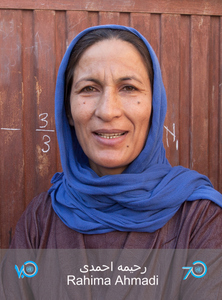
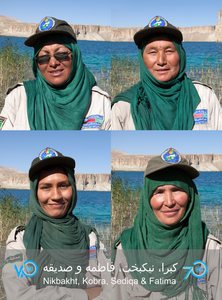
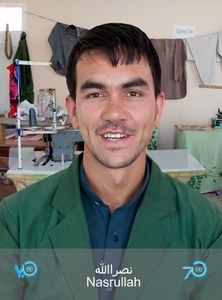
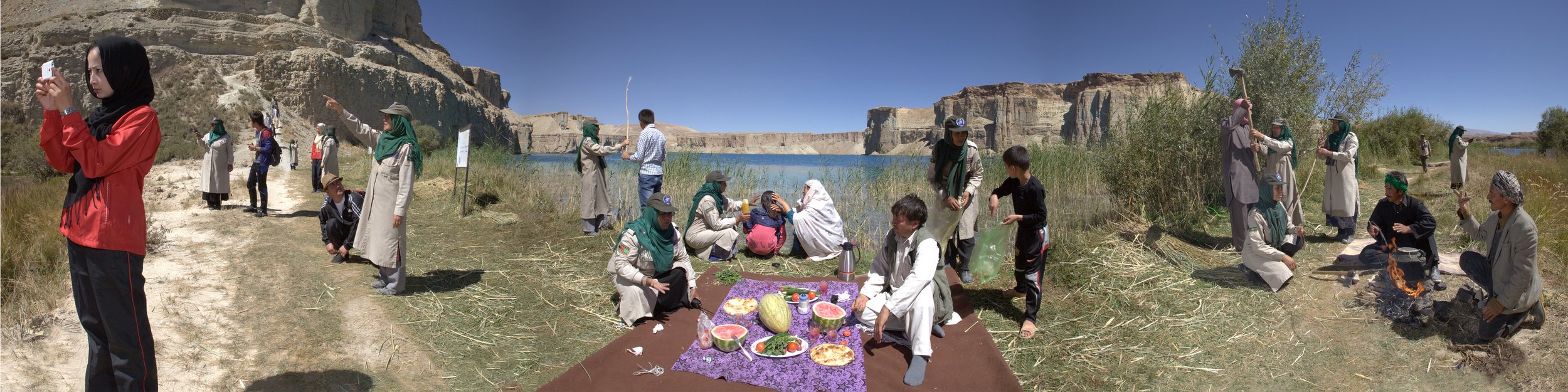
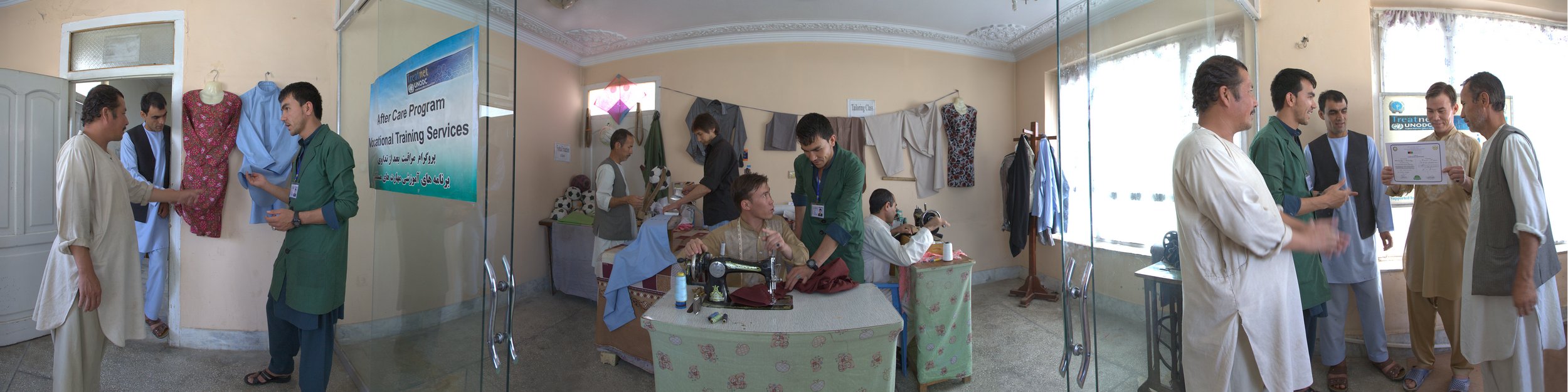
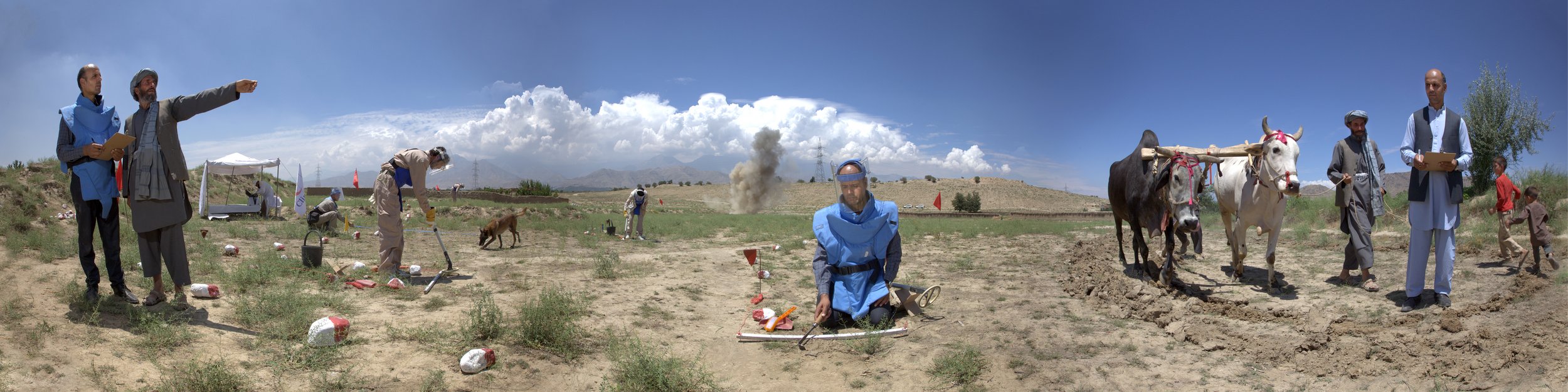
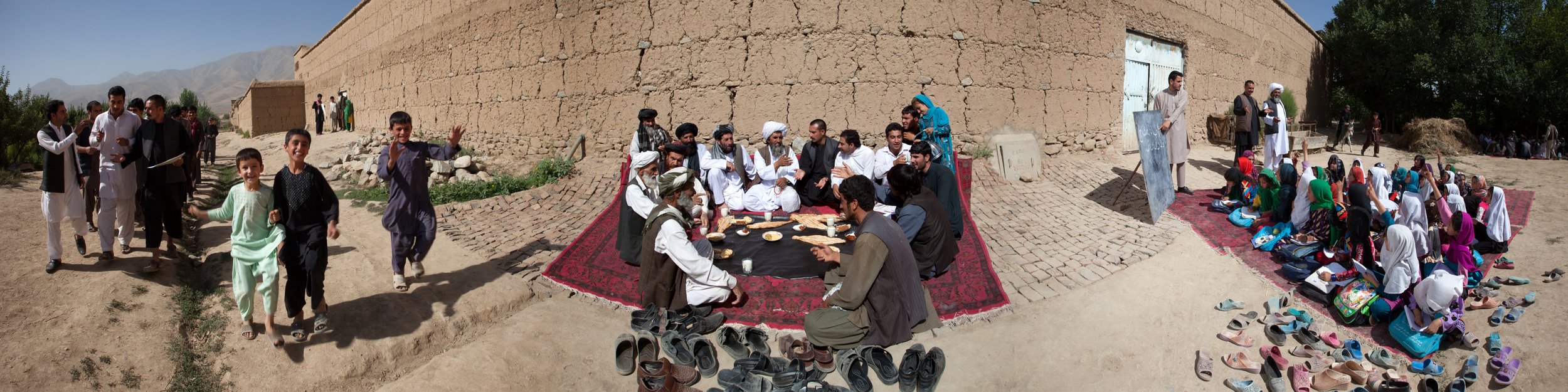
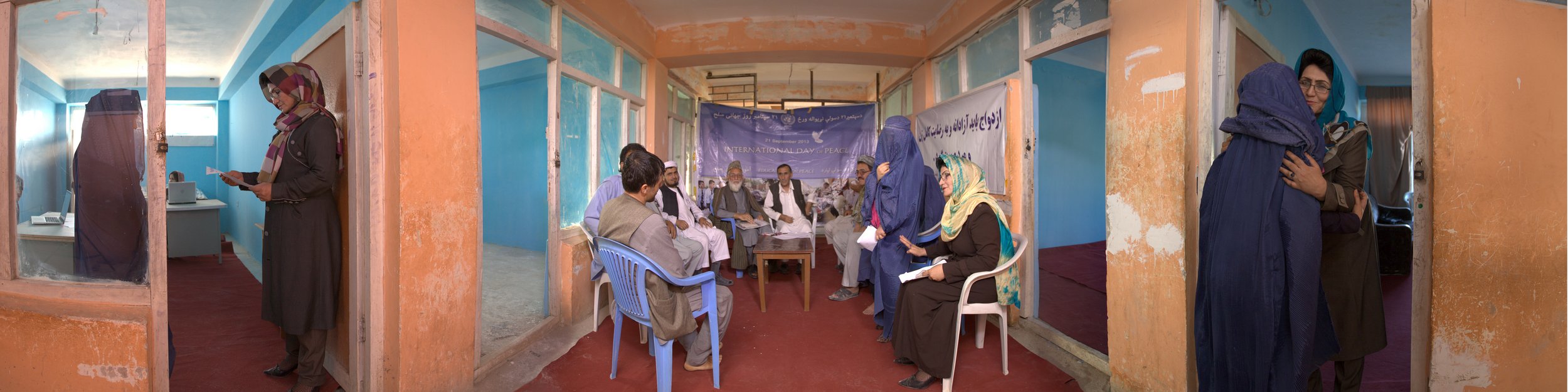
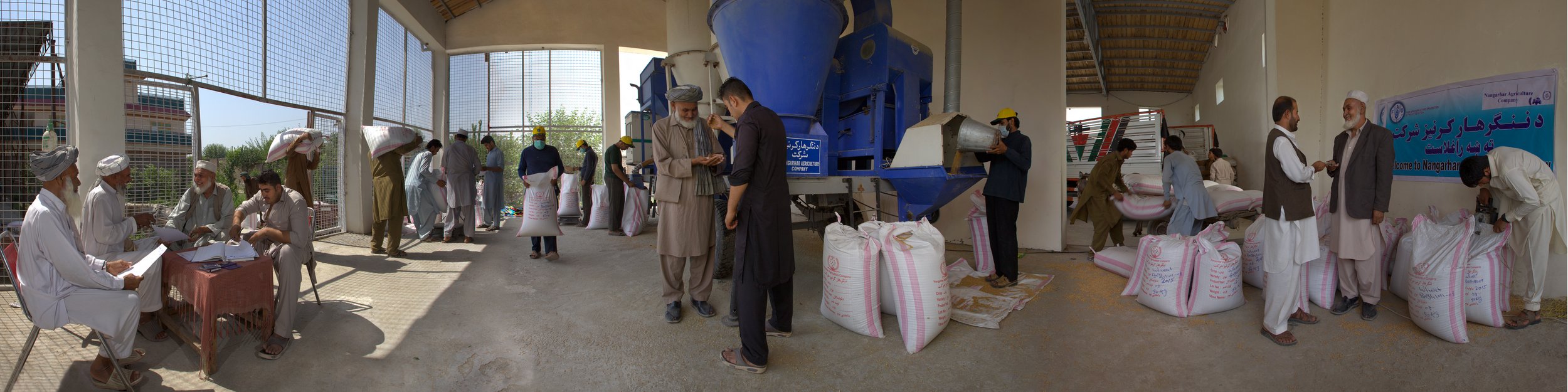
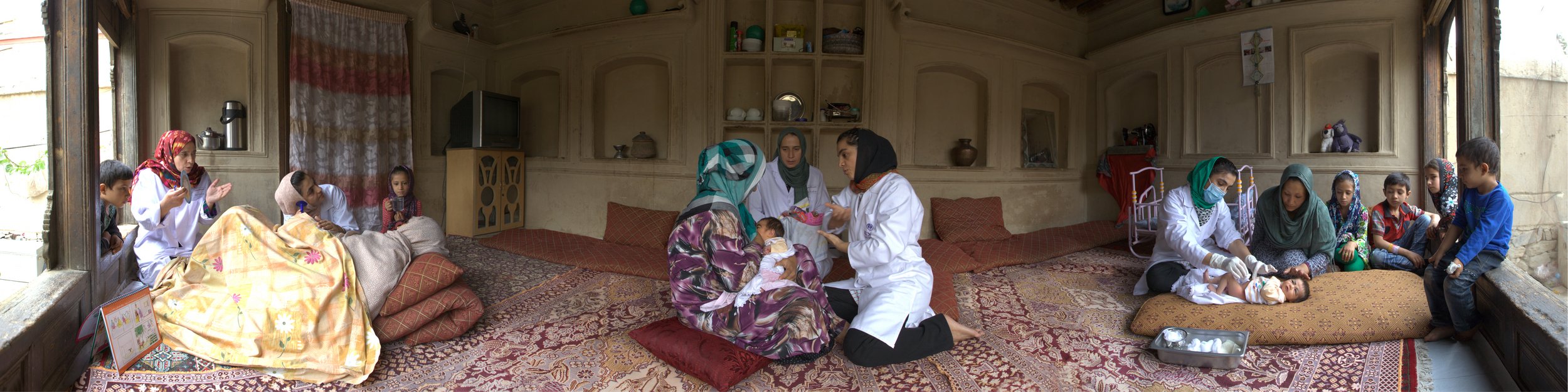
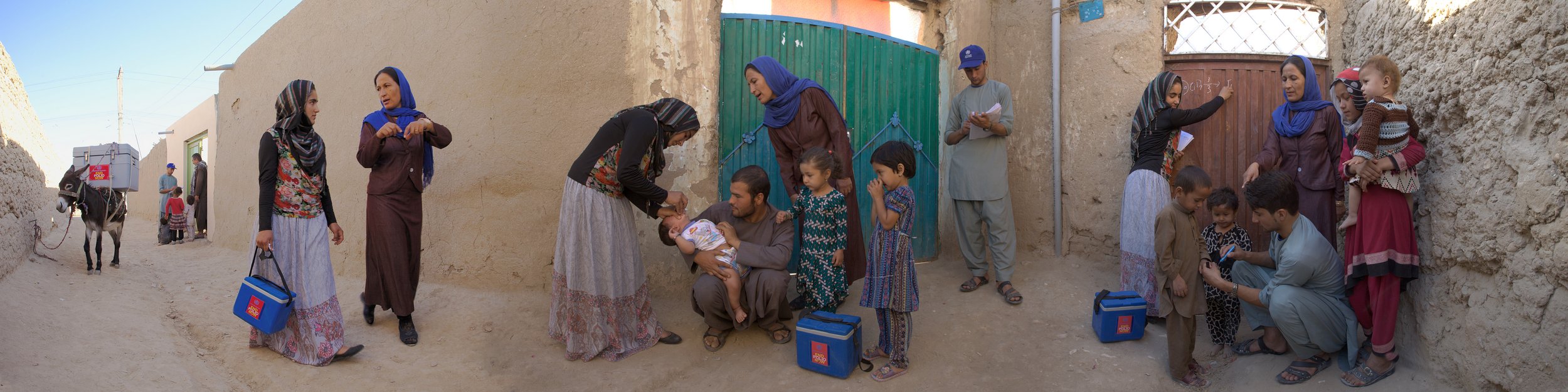
The UN70 campaign recorded how Afghan communities contribute to resilience, development and peace. Campaign stories, photographs and messages from senior UN representatives remain available through the UN Afghanistan archive. This archived snapshot provides valuable context, but it is no longer an active campaign platform, so current donation and contact details should be verified before being shared.
Stories can strengthen public support when they are presented with consent and without turning people affected by displacement into symbols of distress. Australian communities can share Afghan-led perspectives, challenge stereotypes and keep attention on practical needs such as safe shelter, warm bedding, clean water and accessible services. Local media, schools, workplaces and faith groups can use these accounts to encourage informed and sustained engagement.
Choose one action today: support a currently verified emergency response, fund an Afghan-led organisation, advocate for adequate displacement assistance or share a consented story from the campaign archive. Every practical contribution can help a displaced family retain dignity while the community works toward a durable solution.