
Making a Difference
Adaptive sport, Afghan resilience and shared opportunity
Adaptive sport gives Afghan athletes a way to compete, train and belong. It also exposes a practical challenge: equipment must fit the athlete, withstand difficult conditions and remain repairable when supply chains are long. Wheelchairs, running prostheses, adapted cycles, swimming aids and sit-skis can expand participation, but a device only works when it is selected with the athlete and supported by skilled technicians.
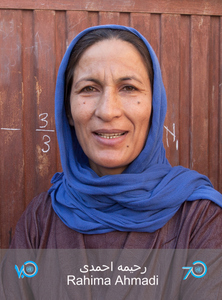
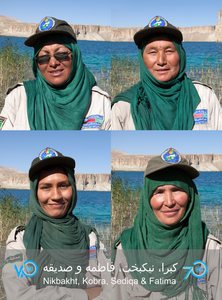
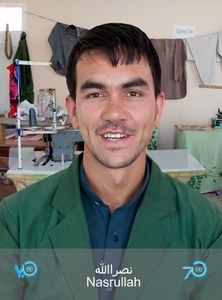
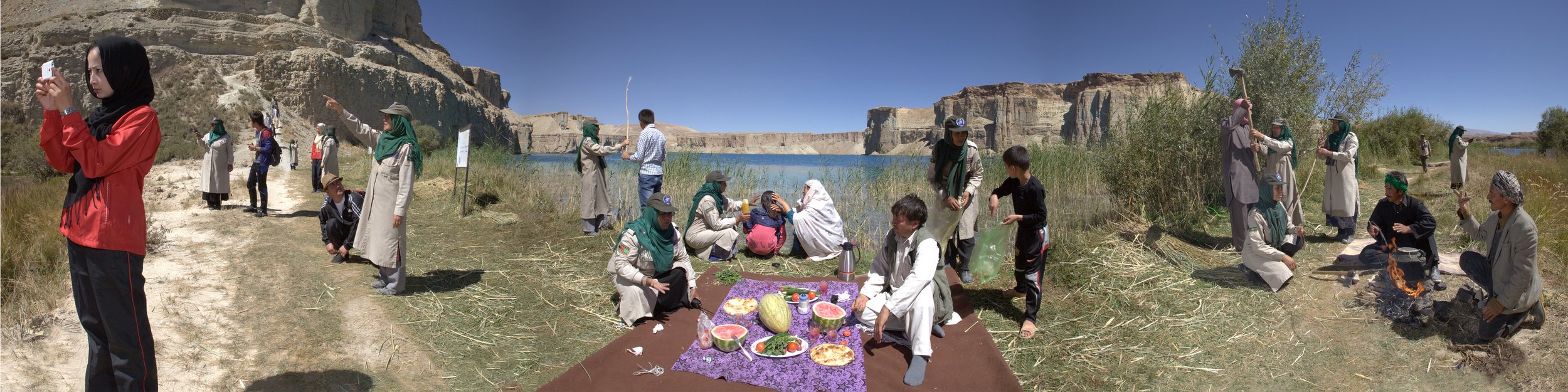
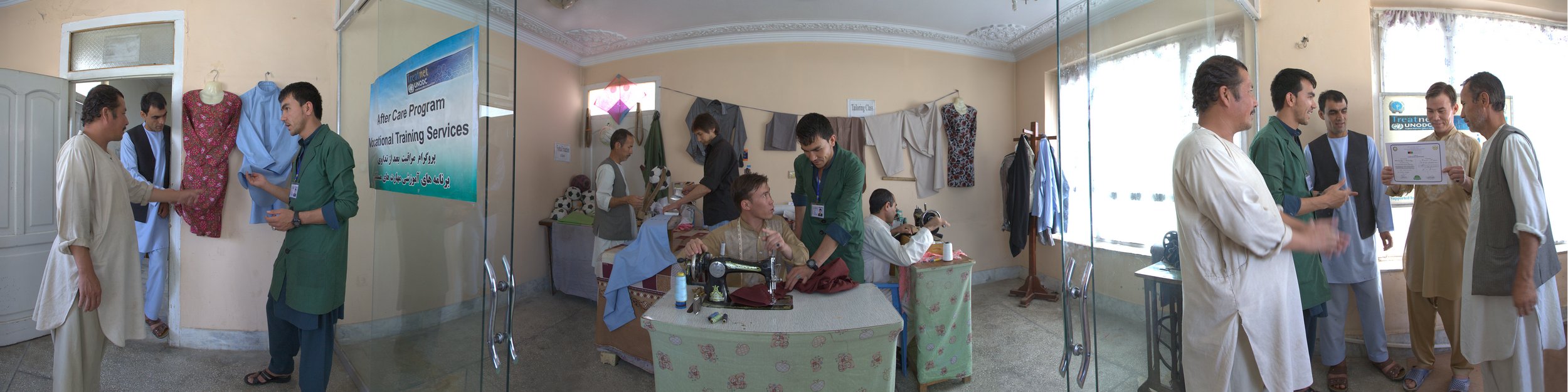
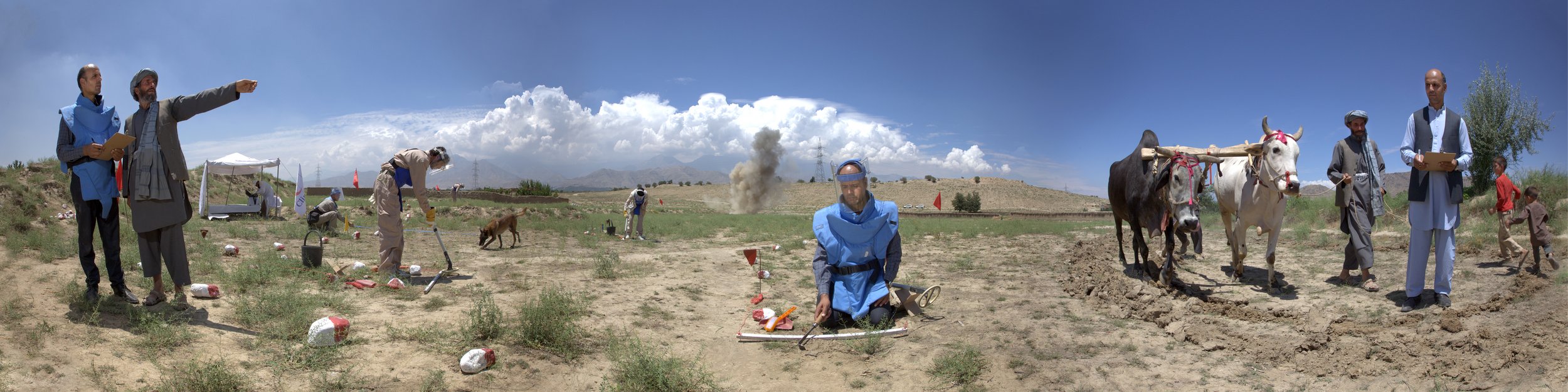
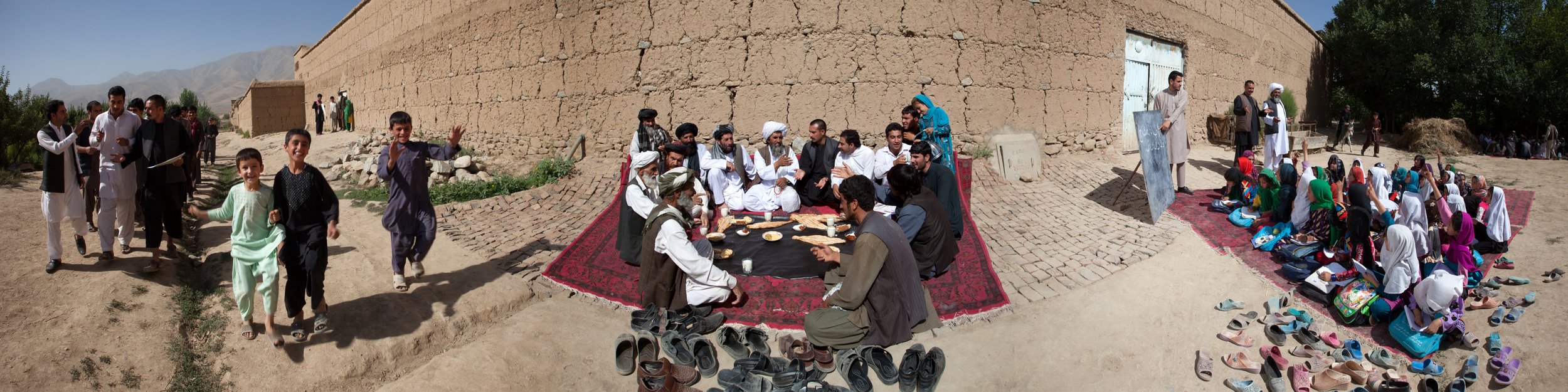
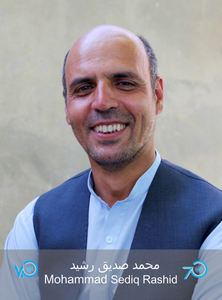
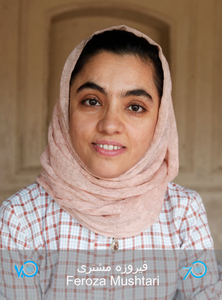
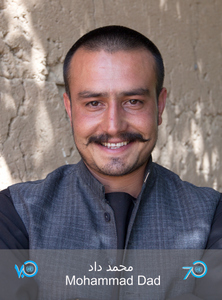
The United Nations can help by advancing disability-inclusive policy, connecting expertise and keeping the consequences of exclusion visible. The archived UN70 campaign, Strong UN. Strong Afghanistan., reflects this approach by presenting Afghan people as partners in progress. Afghan Paralympic Committee representatives, athletes, coaches and disability organisations must help determine priorities, while international support should strengthen their leadership rather than create parallel structures.
Equipment as a bridge to competition
Adaptive equipment is more than a collection of specialist additions. A racing prosthesis must match the athlete’s alignment and stride, a basketball wheelchair needs stability and manoeuvrability, and a sit-ski requires secure mounting and carefully adapted poles. For athletes with limited hand or arm movement, straps, lightweight frames and modified controls can make training possible. Correct fitting is essential to performance, confidence and the prevention of injury.
Afghanistan’s Paralympic history includes athletes such as Robina Jalali, who competed at the 2008 Beijing Paralympic Winter Games. Her participation brought visibility to adaptive skiing and demonstrated the value of creating a pathway from local training to international competition. Every new pathway can support more athletes in choosing equipment suited to their sport, ambitions and physical requirements.
Participation also depends on the environment around the equipment. Accessible venues, trained coaches, reliable transport, safe changing areas and maintenance support determine whether a device becomes a regular part of an athlete’s life. A technically advanced chair or prosthesis has limited value if an athlete cannot reach practice, use the venue’s facilities or replace a damaged part.
The UN role in widening access
Article 30 of the Convention on the Rights of Persons with Disabilities recognises the right to participate in physical education, sport and recreation. This connects disability inclusion with the wider goals of health, education, employment and peaceful development. It also provides a practical standard: sporting systems should accommodate athletes rather than expect people to adapt without appropriate equipment or support.
Within their mandates, United Nations entities can support stronger systems by improving data on participation, encouraging accessible facilities, expanding rehabilitation services and supporting the training of prosthetists, orthotists, coaches and technicians. They can also help governments and sporting bodies apply inclusive procurement standards. Equipment purchases should account for assessment, fitting, warranties, spare parts, transport and long-term maintenance.
United Nations communications can challenge stigma by portraying Afghan athletes as skilled competitors, students, workers and community leaders. Campaign stories, photographs and public messages can shift public understanding, particularly when disability is represented through everyday achievements rather than pity. Such visibility matters for children who need to see a future for themselves in sport.
Partnership must remain grounded in Afghan priorities. International organisations can provide technical assistance, funding and useful connections, but Afghan athletes and institutions should lead decisions about equipment, events and training. The most effective support builds local capacity, allows athletes to influence decisions and leaves behind systems that continue operating after an event or shipment ends.
Built for Afghan conditions
Afghanistan presents demanding conditions for adaptive equipment. Kabul’s altitude, cold winters, hot summers, dusty roads and uneven playing surfaces can affect both athletes and devices. Outside major cities, athletes may travel long distances over rough terrain, while workshops capable of repairing specialist components can be difficult to access. Equipment selected elsewhere therefore requires careful planning for transport, storage and use.
Adaptation can include reinforced frames, locally available fasteners, replaceable components and practical carrying cases. A workshop equipped to manufacture everyday orthoses may not have the capacity to produce an elite running prosthesis, but technicians with the right training can still maintain, adjust and safely prepare devices for competition. Modular systems and accessible spare-parts inventories can reduce the time an athlete spends away from training.
Local production should be supported where it is safe, appropriate and guided by Afghan professionals. Training in assessment, fabrication, quality control and record keeping can turn donated equipment into a foundation for stronger services. Digital tools, including socket scanning and remote clinical consultation, may support this work, provided they are accessible to users and paired with hands-on expertise.
Gender and affordability must shape equipment strategies. Women and girls may need female fitters and coaches, private changing spaces and safe transport. A donation that arrives without fitting, training or a repair plan can become a financial and logistical burden. Inclusive procurement therefore includes the human support needed to use the equipment and the community conditions required for athletes to thrive.
Australian partnerships and practical pathways
In Australia, disability competition is commonly called Para sport. The Australian Paralympic Committee operates in Canberra’s high-performance environment alongside the Australian Institute of Sport, while state institutes support athletes through training and development. Community clubs remain central to participation, often relying on volunteers, local sponsors, grants and the commitment of families and coaches.
For athletes and service providers, the Australian market offers mature rehabilitation, mobility and sporting networks in Sydney, Melbourne, Brisbane and other cities. Useful entry points include:
- Using Australian Paralympic Committee resources to understand classification, safeguarding and pathways into local Para sport.
- Connecting Afghan athletes with state institutes, university rehabilitation programs, prosthetics services and adaptive clubs.
- Working with specialist Australian suppliers on equipment trials, quality standards, warranties and repairable components.
- Checking whether an NDIS plan may support eligible assistive technology, recognising that sporting purposes and funding rules vary between plans.
For institutions and businesses, practical contributions include sharing technical expertise and supporting participation at sustainable cost:
- Asking prosthetists, physiotherapists, engineers and coaches to join remote clinics led by Afghan specialists.
- Supporting technician placements, workshop tools, athlete travel and repair kits through recognised disability-sport organisations.
- Using Australian freight and supply networks to provide parts selected with Afghan partners rather than sending untested surplus equipment.
- Sharing workshop protocols and procurement experience through universities, rehabilitation providers and engineering associations.
Travel and customs requirements are part of any genuine partnership. Australian Border Force applies biosecurity rules to imported sporting goods, and used liners, soil or other biological material may attract additional scrutiny. Athletes should check requirements before travelling and should not assume sporting equipment is exempt. Equipment travelling toward Afghanistan must also meet Australian export controls, customs declarations and appropriate partner due-diligence processes.
A lasting pathway from support to participation
Support should be judged by what remains usable after the photographs, speeches and opening ceremonies end. Durable results require an athlete-led plan that includes assessment, procurement, fitting, coaching, maintenance and opportunities to compete. The equipment is important, yet so are the technicians, clubs, family members, medical professionals and governing bodies who make participation possible.
Because the UN Afghanistan campaign has concluded, the archived material remains useful for athlete stories and background, while practical requests should be directed through current official Afghan and international sporting organisations. Australian readers can act by sharing an athlete’s story, funding a technician placement, sponsoring workshop equipment, contributing to a vetted athlete programme or strengthening a local adaptive club. Every partnership should place Afghan athletes at the centre and include training, repair and follow-up. With those elements in place, adaptive equipment becomes more than an accessory: it becomes a pathway to training, competition, employment and public visibility.