
Making a Difference
Community Mediation Training And Conflict Resolution In Afghanistan
The United Nations and Afghan Conflict Resolution: Community Mediation Training is best understood as practical peacebuilding carried out close to where disputes begin. In Afghanistan, community leaders, women’s groups, elders, religious figures, youth representatives and local organisations have often helped people manage disagreements before they become wider violence. Training can strengthen those efforts by giving trusted mediators structured methods, ethical guidance and access to referral networks.
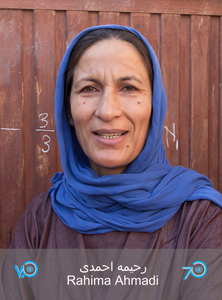
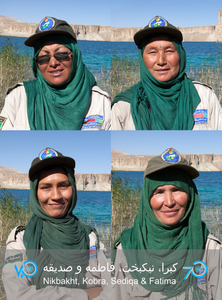
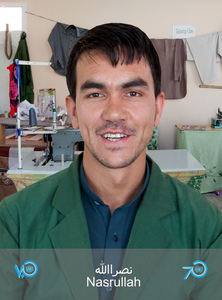
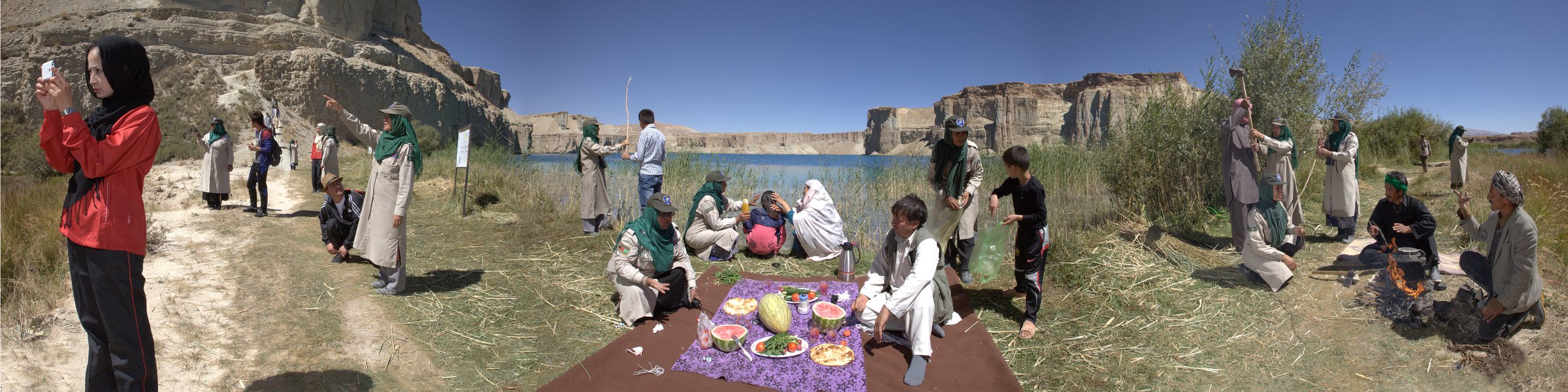
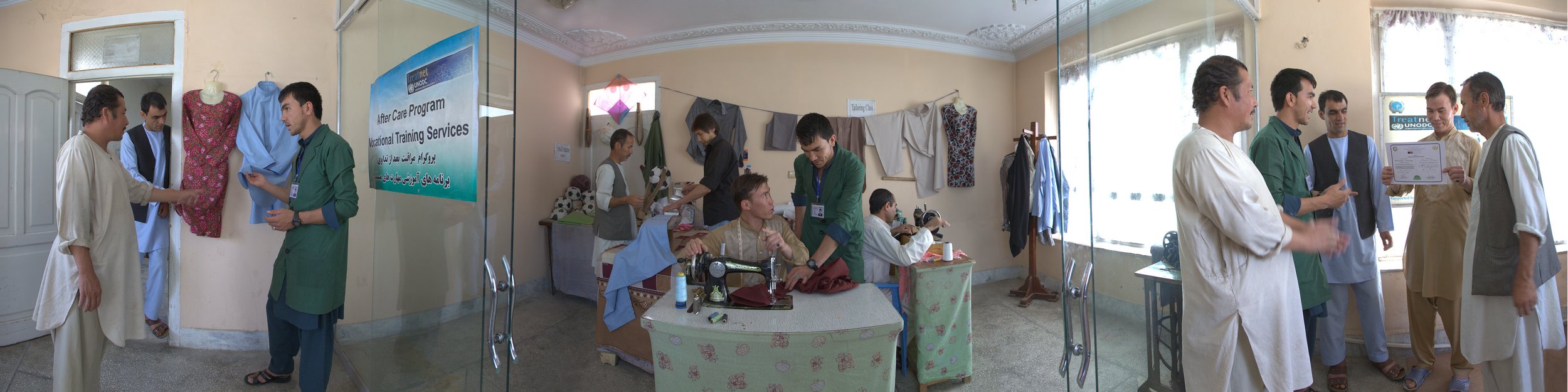
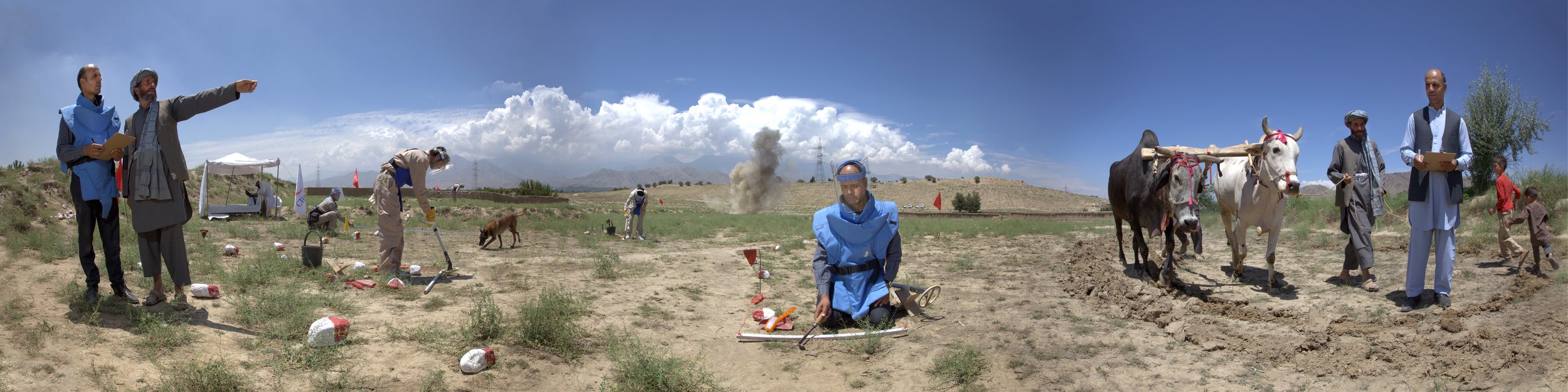
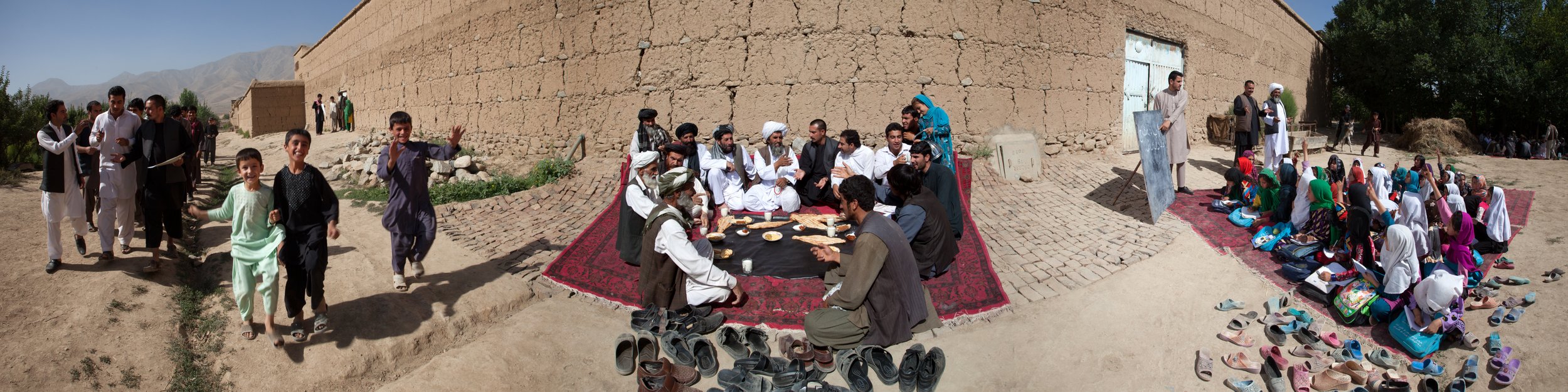
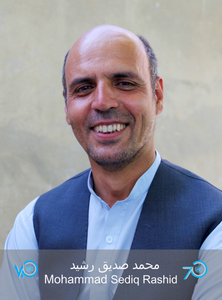
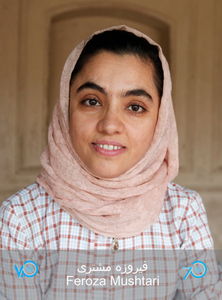
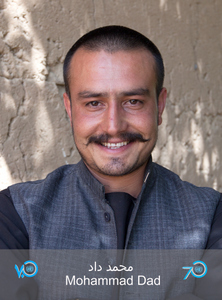
The archived UN Afghanistan website, including its UN70 “Strong UN. Strong Afghanistan.” campaign, presented stories of Afghan people contributing to their communities. Its photographs, messages and profiles reflected a partnership-based approach rather than a story in which international institutions act alone. The campaign is no longer active, but its emphasis on Afghan agency remains useful when examining local peacebuilding and conflict resolution.
Community mediation does not replace formal justice, security services or political negotiations. It operates in the space between families, neighbours, villages, schools, workplaces and local authorities. A disagreement over land, water, marriage, debt or community leadership may be addressed through a facilitated conversation, while serious crimes, threats and rights violations require appropriate legal and protection responses.
For an Australian audience, the subject has practical relevance. Australia has Afghan communities in Melbourne, Sydney, Adelaide, Perth and other cities, while local councils, neighbourhood houses, community legal centres and settlement services regularly support people navigating conflict across languages and cultures. Understanding how mediation works in Afghanistan can deepen appreciation of community-led peacebuilding and the responsibilities involved in supporting it.
Why Local Mediation Matters
Afghanistan’s conflicts have occurred at several levels, from national political disputes to tensions within a village or household. Local disagreements can be intensified by displacement, poverty, unequal access to land and water, ethnic or tribal divisions, restrictions on women’s participation, and the effects of prolonged armed conflict. A small dispute may carry the weight of previous violence and mistrust.
A trained community mediator helps participants identify the actual issues beneath an accusation. A quarrel described as a personal insult may involve an unresolved property boundary, a damaged irrigation channel or an unpaid loan. Careful mediation separates facts, needs and fears from rumours. It can create a safer setting for people to negotiate a practical agreement without forcing them to abandon their dignity.
The value of local resolution also comes from familiarity. People are more likely to speak openly with someone who understands local language, customs and power relationships. That familiarity must be balanced with impartiality. A respected elder may have influence, but influence alone does not guarantee fairness, particularly when a woman, minority group, returnee or person with limited social status is involved.
Community mediation therefore works best as part of a wider peacebuilding system. Mediators need links to legal aid, protection services, health providers, local authorities and organisations supporting displaced people. An agreement that ignores domestic violence, coercion or unequal power can make a vulnerable person less safe.
What Mediation Training Teaches
Training usually begins with listening. Mediators learn to allow each participant to explain what happened, how the dispute has affected them and what outcome they consider acceptable. Active listening includes paraphrasing, checking facts and recognising emotion without endorsing every claim. These skills can lower tension and prevent a meeting from becoming another confrontation.
A second area is conflict analysis. Participants may map the people involved, the history of the dispute, the resources at stake and the forces that could either escalate or calm the situation. Trainers can introduce techniques for identifying interests rather than focusing only on stated positions. Someone demanding exclusive access to a water source may primarily be seeking reliability, recognition or protection from future shortages.
Ethical practice is central. Mediators should explain that participation is voluntary, clarify confidentiality and identify situations where mediation is unsuitable. They need to recognise threats, intimidation, trafficking, child protection concerns and gender-based violence. Training should make clear that an agreement cannot legitimise abuse or remove a person’s right to seek formal justice.
Role-play is often more effective than lectures alone. Trainees can practise opening a session, managing interruptions, speaking separately with participants, recording an agreement and following up later. Scenarios based on land, family, market access and community resources allow participants to rehearse decisions they may face in real life.
Inclusion, Gender And Protection
Afghan communities are diverse, and no single model of mediation fits every province, district or settlement. Language, ethnicity, rural and urban experience, religious interpretation and displacement history can influence who is trusted. A process designed around one group’s customs may exclude others if trainers do not examine who has authority and who is missing.
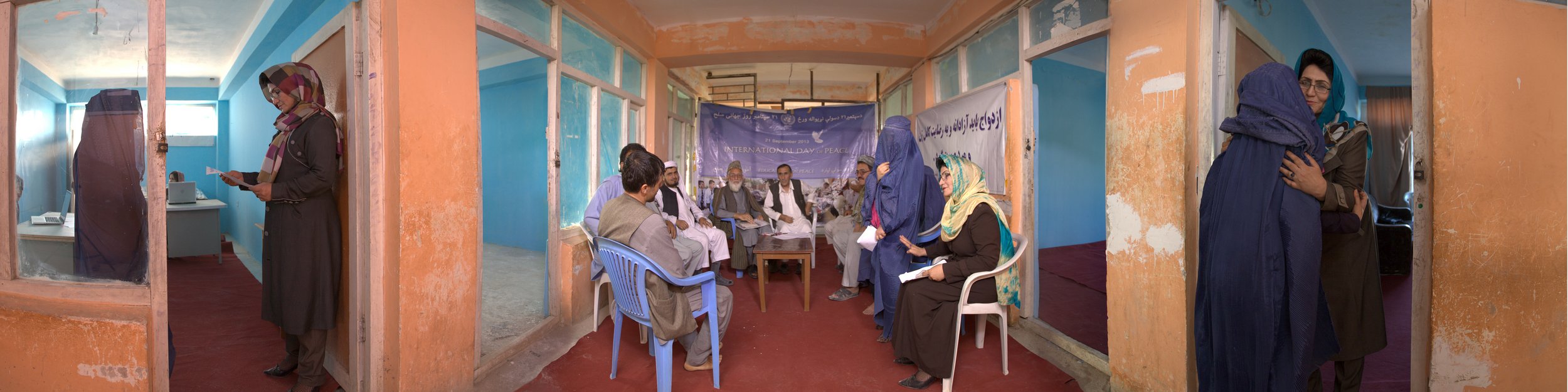
Women’s participation is particularly important. Women may experience the effects of conflict directly while being excluded from public meetings where decisions are made. Women mediators and women’s community networks can identify concerns that men may not hear, including safety at home, access to services, early or forced marriage and the impact of displacement on children.
Inclusion requires more than inviting women to attend. Meetings may need separate sessions, female facilitators, safe transport, childcare, suitable timing and privacy. A woman should never be pressured to negotiate with a person who has threatened or harmed her. In some cases, the responsible action is referral to specialist protection or legal services rather than mediation.
This principle has parallels in Australia, where multicultural services in Melbourne’s northern suburbs, western Sydney and Adelaide may work with interpreters, faith leaders and family support organisations. Cultural awareness is valuable, but it cannot excuse coercion or discrimination. Australian community workers are also expected to follow safeguarding rules, privacy duties and referral procedures when a person faces serious harm.
Linking Customary Practice With Formal Systems
Afghanistan has long relied on local mechanisms for settling disputes, including jirgas, shuras and informal negotiations. These bodies can offer speed, social legitimacy and knowledge of local relationships. They may also reproduce unequal power, exclude women and minorities, or prioritise reconciliation over accountability. The question is not whether customary practice is simply good or bad; it is how it operates in a particular situation.
UN-supported peacebuilding can help communities examine these strengths and risks. Training may encourage mediators to document agreements, explain rights, consult affected people and refer matters that exceed their authority. It can also support dialogue between community structures and formal institutions so that people are not forced to choose between inaccessible courts and unregulated informal decisions.
Documentation must be handled carefully. Written records can preserve commitments and support follow-up, but they may expose people to retaliation if confidentiality is weak. Mediators need guidance on what to record, where records are stored and who may access them. In areas with limited literacy, agreements may need to be explained orally and confirmed in ways participants understand.
Australian readers may recognise a similar balance in local dispute resolution. Community legal centres, tenancy services and neighbourhood mediation programs can help people resolve problems before litigation, but they do not handle every matter. A dispute involving family violence, serious criminal conduct or immediate danger requires a different response. Clear boundaries protect both participants and mediators.
The United Nations Partnership Model
The United Nations’ role in Afghanistan has included political engagement, humanitarian coordination, development support, human rights work and assistance to national and local institutions. Community mediation training fits within this wider peacebuilding environment. It can strengthen local capacity while connecting community experience with broader efforts to reduce violence and support social cohesion.
The UN’s strongest contribution is often convening people who would not otherwise meet. It may bring together Afghan civil society organisations, local authorities, women’s representatives, youth groups, religious leaders and development partners. Training resources, technical advice and monitoring can help a community organisation build a consistent approach without replacing local ownership.
The “Strong UN. Strong Afghanistan.” campaign placed Afghan individuals and their contributions at the centre of its public message. That framing matters for conflict resolution. A peace process is more credible when communities are treated as participants with knowledge and agency, rather than as passive recipients of an international project.
At the same time, international support must remain realistic about limits. A workshop cannot resolve structural inequality, remove armed threats or substitute for political settlement. Effective assistance requires long-term relationships, careful risk assessment and respect for Afghan organisations that understand local conditions. It also requires attention to how funding arrangements affect which voices are heard.
Lessons For Australian Peacebuilding
Australia’s Afghan diaspora gives this subject a direct local dimension. Community organisations in Melbourne, Sydney and other cities may support newly arrived families with housing, education, employment, health care and language access while also helping relatives remain connected across borders. Disagreements can arise around generational expectations, financial pressure, marriage, tenancy and settlement responsibilities.
Local institutions can learn from the principles of Afghan community mediation without copying Afghan structures. A neighbourhood house might use trained facilitators to support a dispute between community groups. A council could work with bilingual workers and trusted cultural organisations before a misunderstanding grows. A community legal centre can combine mediation where suitable with clear advice about rights and safety.
The Australian labour market also shapes settlement pressures. Families may be balancing casual work, shift schedules, vocational study, rental costs and recognition of overseas qualifications. These pressures can affect participation in mediation. Services that schedule meetings only during standard office hours may exclude people working in hospitality, transport, healthcare or warehousing.
Respect for community customs can strengthen participation. Meetings may need to account for prayer times, Ramadan, gender preferences and the role of extended family, while still applying Australian law and safeguarding standards. Local multicultural festivals and community gatherings can build relationships before a dispute occurs, but they should not be treated as substitutes for professional support.
For Australians following UN Afghanistan through its archived campaign material, the central lesson is straightforward: sustainable peace is built through relationships, skills and accountability. Community mediation training gives people tools to listen, identify risks, negotiate responsibly and connect disputes with appropriate services. Its impact depends on whether those tools are used inclusively and supported over time.
Readers can explore the archived UN Afghanistan campaign, learn about the work of Australian settlement and community legal organisations, and support Afghan-led groups that promote dialogue, protection and social cohesion. Sharing reliable information and valuing the voices of affected communities are practical ways to contribute to a stronger understanding of peacebuilding.