
Making a Difference



From Kabul to Villages: Emergency Food Delivery in Afghanistan
Emergency food assistance in Afghanistan is a vast logistical operation shaped by geography, weather, insecurity, poverty and the changing needs of communities. Moving a bag of wheat flour, pulses or fortified nutrition products from a central warehouse to a remote household requires much more than transport. It depends on assessment, procurement, safe access, local coordination and careful distribution.
The journey often begins in Kabul or another regional hub, where humanitarian agencies receive and organize supplies. From there, convoys travel along major highways before smaller vehicles, community networks and local distribution points carry food into villages. Each stage must be planned around road conditions, seasonal isolation and the dignity and safety of the people receiving assistance.
This work reflects the wider purpose of the United Nations in Afghanistan: supporting communities while working with Afghan institutions, civil society, local leaders and international partners. The archived UN70 campaign, built around the message “Strong UN. Strong Afghanistan,” highlighted Afghan people and their contributions. Food delivery is one practical expression of that partnership, especially when families face hunger, displacement or the loss of livelihoods.
Why Emergency Food Assistance Matters
Afghanistan’s food insecurity is driven by several pressures at once. Drought can reduce harvests and livestock production, while floods can destroy fields, roads and storage facilities. Economic hardship makes it difficult for households to purchase food even when markets remain open. Conflict and displacement can separate families from farms, jobs and community support.
Children, pregnant women, older people and people living with disabilities often face the greatest risks. A household that skips meals may also sell livestock, tools or land to survive, making recovery harder. Emergency food supplies therefore protect immediate health while helping families avoid decisions that deepen long-term poverty.
Food assistance may include staple commodities such as wheat flour, rice, pulses and cooking oil. Humanitarian organizations can also provide specialized products for children suffering from acute malnutrition, as well as supplementary foods for pregnant and breastfeeding women. In some locations, families receive cash or vouchers instead of physical supplies when markets can reliably provide food at reasonable prices.
The appropriate response depends on local conditions. A remote village cut off by snow may need food delivered before winter, while a drought-affected district may require repeated support during the lean season. Assessments help determine whether households need in-kind food, cash-based assistance, nutrition services or a combination of approaches.
The Route From Central Warehouses to Remote Communities
The movement of supplies usually follows a hub-and-spoke system. Food is brought into Afghanistan through regional supply routes, inspected and stored in warehouses. Kabul can serve as an important coordination and logistics center, although supplies may also enter or move through regional hubs closer to the areas of greatest need.
Large trucks carry commodities along highways connecting urban centers and provincial capitals. At district level, cargo may be transferred to smaller trucks able to use narrower roads, bridges and mountain routes. In some places, local transporters, pack animals or community-arranged vehicles are needed to complete the final distance.
Timing is critical. Snow can close mountain passes, while heavy rain can turn unpaved roads into mud. Flash floods may wash away bridges or damage culverts. Agencies therefore pre-position supplies before severe weather, using warehouses and forward storage locations to reduce the risk of villages being left without assistance.
The delivery chain also includes documentation and stock management. Staff record quantities, batch information and destination points, then monitor whether shipments arrive in usable condition. Proper storage protects food from moisture, pests and heat. These details may appear routine, but a breakdown at any point can delay assistance or reduce its value.
Coordination Makes the Supply Chain Work
Emergency food distribution involves more than one organization. United Nations agencies, national and international nongovernmental organizations, local authorities, donors, transport companies and community representatives each have distinct responsibilities. Coordination helps prevent duplicated distributions in one area while another community receives too little support.
Needs assessments provide the basis for targeting. Teams may examine household income, food consumption, displacement, crop conditions, market prices and access to services. Community consultations can help identify families that formal records miss, including widows, newly displaced households and people living in isolated settlements.
Distribution sites must be selected with safety and access in mind. A location that is too far away may exclude older people or families without transport. Crowded sites can create protection concerns, particularly for women and children. Clear schedules, orderly queues, complaint channels and separate arrangements where appropriate can make assistance safer and more respectful.
Local knowledge is essential. Community members understand seasonal roads, water crossings, village boundaries and social dynamics that may not appear on a map. When humanitarian partners listen to that knowledge and communicate clearly about eligibility and timing, they can reduce confusion and build trust around emergency relief.
What Reaches a Household
The contents of a food package vary according to the program, season and nutritional objective. A general food ration may focus on calories and household staples, while a nutrition intervention provides nutrient-dense products designed for specific age groups. The goal is to match the assistance to the risks identified through assessments.
| Delivery approach | Typical use | Main advantage | Key limitation |
|---|---|---|---|
| In-kind food parcels | Remote areas or disrupted markets | Provides physical food directly | Heavy to transport and store |
| Cash assistance | Functioning local markets | Gives families choice and supports traders | Prices may rise or goods may be unavailable |
| Food vouchers | Markets with selected commodities | Combines household choice with program controls | Requires participating retailers |
| School-based meals | Children attending supported schools | Encourages attendance and supports learning | Does not reach children outside school |
| Specialized nutrition supplies | Children and mothers at nutritional risk | Targets specific health needs | Requires screening, follow-up and clinical referral |
A household may receive food on a monthly schedule, during an emergency response, or for a defined number of distribution cycles. The amount depends on family size, program resources and the intended duration of support. In some cases, assistance is designed to cover a gap until a harvest, livelihood activity or market recovery becomes possible.
The handover is only one moment in the process. Families need information about how to prepare or use the supplies, especially when products are unfamiliar or intended for children with special nutritional needs. Health and nutrition workers may provide screening, counseling and referrals alongside food distributions.
Accountability is equally important. People should know why they were selected, what they are supposed to receive and how to report a missing item, damaged package or inappropriate conduct. Feedback mechanisms help agencies correct errors and identify protection concerns that may otherwise remain hidden.
Reaching Women, Children and Displaced Families
Women often carry responsibility for preparing meals and caring for children, yet they may face barriers when collecting assistance. Distance, lack of safe transport, social restrictions and the absence of female staff can affect access. Distribution planning must consider these realities rather than treating every household member as equally able to reach a collection point.
Female humanitarian workers and community volunteers can improve communication with women and girls. Their participation may make it easier to discuss nutrition, protection and household needs. It can also help agencies understand whether assistance is reaching all members of a family or being controlled in ways that create additional risk.
Displaced families may have no established place in a host community’s distribution system. They may move repeatedly, lack identity documents or live in informal settlements far from services. Registration and verification processes need to be flexible enough to include them while protecting assistance from fraud and diversion.
Children benefit when food support is linked with health, education and water services. School meals can encourage attendance, while nutrition screening can identify children requiring specialized care. Safe water and sanitation reduce illness that prevents children from absorbing nutrients, showing why emergency food supplies work best within a broader humanitarian response.
Protecting Dignity and Reducing Risk
A successful food operation is measured by more than the tonnage delivered. It should reduce hunger without exposing people to unnecessary danger, humiliation or exploitation. Collection points need crowd management, shade or shelter where possible, accessible routes and procedures for people with limited mobility.
Security conditions may change quickly. Convoys can face blocked roads, checkpoints, conflict-related restrictions or threats from criminal groups. Humanitarian teams assess routes, coordinate movement and may suspend deliveries when access cannot be made sufficiently safe. Such pauses are difficult for families waiting for assistance, but staff safety and civilian protection remain fundamental.
Diversion and corruption are additional risks. Strong documentation, independent monitoring, transparent beneficiary lists and community feedback can help protect supplies. Agencies also need to investigate complaints and respond when food is withheld, exchanged unfairly or distributed in a discriminatory manner.
The human element remains central. A food parcel represents a family’s ability to prepare meals, keep children in school and preserve limited income for rent, medicine or transport. Respectful communication during delivery can be as meaningful as the commodities themselves. It signals that people affected by crisis are partners with rights, not simply recipients of aid.
Linking Relief With Recovery
Emergency food assistance addresses immediate needs, but it can also support recovery when connected to longer-term programs. Food-for-assets activities, agricultural support, cash-for-work initiatives and livelihood grants may help communities repair irrigation channels, restore farmland or improve access roads. These approaches must be designed carefully so that households in severe need are not required to work in order to eat.
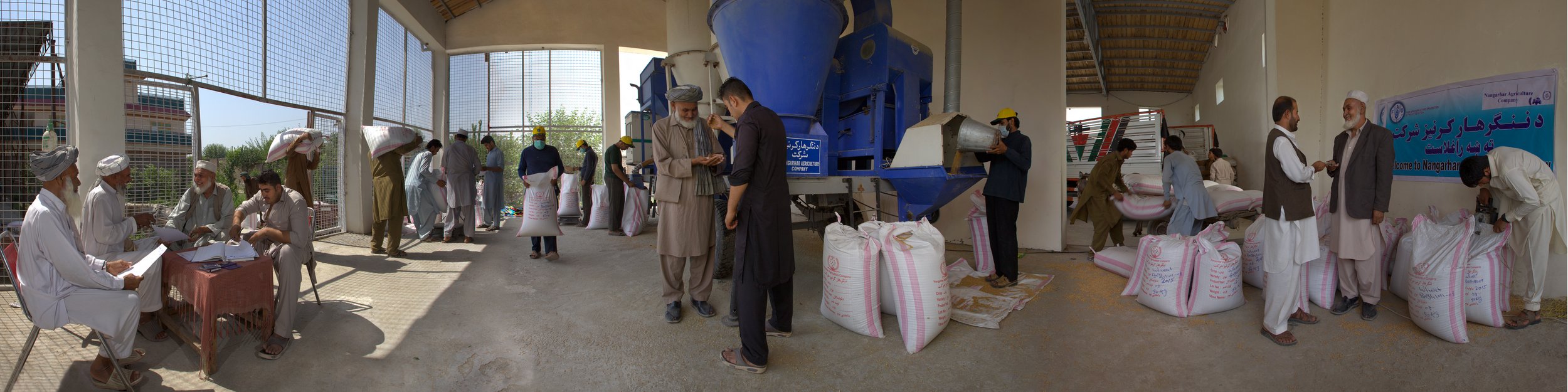
Local procurement can sometimes reduce transport distances and strengthen markets. Buying suitable food within Afghanistan may support farmers, millers and traders, provided supplies are available, quality standards are met and purchases do not push prices beyond what ordinary families can afford. Market analysis is essential before choosing this approach.
Resilience also depends on community infrastructure. Better storage, water systems, veterinary services and climate-adapted agriculture can reduce the severity of future food crises. Early warning systems allow agencies and authorities to act before drought, floods or economic shocks become catastrophic.
The broader UN partnership in Afghanistan includes humanitarian response, development work and efforts to support communities through difficult transitions. Stories featured through the UN Afghanistan archive place Afghan voices at the center of that work. Emergency food delivery is most effective when it respects local experience and contributes to community capacity rather than operating as a disconnected, short-term intervention.
Practical Priorities for Effective Food Delivery
- Pre-position staple foods and nutrition supplies before winter, flooding or expected seasonal access problems.
- Use needs assessments that include displaced families, female-headed households, people with disabilities and isolated villages.
- Combine food parcels, cash, vouchers and nutrition services according to market conditions and household risks.
- Involve Afghan community representatives in route planning, site selection, monitoring and complaint resolution.
- Protect dignity through clear communication, accessible distribution points, safe crowd management and confidential feedback channels.
From Kabul’s warehouses to a village collection point, every stage of emergency food assistance depends on coordination and trust. The final delivery may be a single package, but reaching that household requires transport planning, local knowledge, responsible storage, humanitarian access and a commitment to accountability.
Readers can support informed humanitarian engagement by following UN Afghanistan updates, sharing reliable information about food insecurity and learning how emergency agencies coordinate with Afghan communities. Sustained attention helps keep the needs of vulnerable families visible and supports practical action when the next shipment begins its journey.