
Making a Difference

Afghanistan’s opium reduction and the UN stories behind it
Afghanistan’s opium economy has shaped rural livelihoods, public health, regional security and international policy for decades. The country was once responsible for the majority of global illicit opium production, with poppy cultivation providing income in areas where farmers had few reliable alternatives. Any assessment of reduction efforts therefore needs to look beyond hectares eradicated and examine household income, treatment access, enforcement, and the resilience of communities.
The most dramatic recent change came after the de facto authorities announced a nationwide ban on poppy cultivation in April 2022. According to United Nations Office on Drugs and Crime monitoring, opium poppy cultivation fell by about 95 percent in 2023 compared with the previous year. That sharp fall represented a major disruption to the illicit market, though it also created immediate economic pressure for farmers, laborers and traders who had depended on the crop.
The United Nations has contributed through evidence-based monitoring, alternative development, drug treatment, border cooperation and support for Afghan institutions and communities. The archived UN Afghanistan archive also reflects a wider UN approach: strong results are built through Afghan participation, local knowledge and partnerships rather than through a single enforcement measure.
Measuring a historic decline
UNODC’s Afghanistan Opium Survey has been central to understanding the scale and location of cultivation. Satellite imagery, field observations, farmer interviews and market analysis help establish trends that cannot be captured through isolated seizures or anecdotal reports. This independent evidence allows governments, donors and humanitarian agencies to see where cultivation is falling, where it may be shifting, and which communities face the greatest economic consequences.
The 2023 decline was exceptional. Estimated cultivation dropped from roughly 233,000 hectares in 2022 to about 10,800 hectares in 2023. Opium production also fell sharply, reducing the supply of raw material available for heroin manufacture. The reduction disrupted established income streams and contributed to higher prices for remaining opium, a factor that may encourage renewed cultivation if restrictions weaken or alternative livelihoods fail to produce comparable returns.
The 2024 survey showed why the situation requires continued monitoring. Cultivation increased compared with the exceptionally low 2023 level, while remaining far below the levels recorded before the ban. The change does not erase the earlier reduction, but it demonstrates that enforcement announcements alone cannot settle the future of Afghanistan’s narcotics economy. Rural debt, food insecurity, limited irrigation and uncertain markets continue to influence household decisions.
What the figures show
| Indicator | Earlier pattern | Recent evidence | Why it matters |
|---|---|---|---|
| Opium poppy cultivation | About 233,000 hectares in 2022 | About 10,800 hectares in 2023 | Shows the scale of the sudden contraction |
| Change in cultivation | Long-term dependence in major growing provinces | Approximately 95% decline in 2023 | Indicates a major market and livelihood shock |
| 2024 direction | Exceptionally low 2023 baseline | Cultivation rose from 2023 while staying well below pre-ban levels | Signals that progress remains vulnerable |
| Rural income | Poppy often offered credit, labor and a buyer | Legal crops may have lower or slower returns | Explains why alternative development is essential |
| Public health need | Drug use and dependence remain serious concerns | Treatment, prevention and harm reduction remain necessary | Reduced cultivation does not end drug-related harm |
| Monitoring requirement | Production estimates varied by province and year | Surveys continue to track cultivation and market effects | Reliable data supports proportionate policy |
These figures should be read with care. A reduction in cultivation is different from the disappearance of the wider drug economy. Stocks held from earlier harvests, trafficking routes, processing networks and demand in destination markets can continue to shape the situation. A sustainable counter-narcotics strategy must therefore combine crop monitoring with action against trafficking, precursor chemicals and money flows.
The figures also reveal why local stories matter. A national percentage can hide very different experiences between provinces, districts and villages. In one community, the ban may mean a shift to wheat or livestock; in another, it may mean seasonal unemployment, unpaid loans or migration. UN field work and community-based programs are most valuable when they connect national analysis with these household-level realities.
Helping farmers move toward legal income
Alternative development is the economic foundation of lasting opium reduction. Farmers are more likely to remain within a legal production system when they can obtain seeds, water, technical advice, storage, transport and a dependable buyer. Replacing poppy with a crop that has no market, irrigation or protection from price volatility can leave households poorer and make illicit cultivation attractive again.
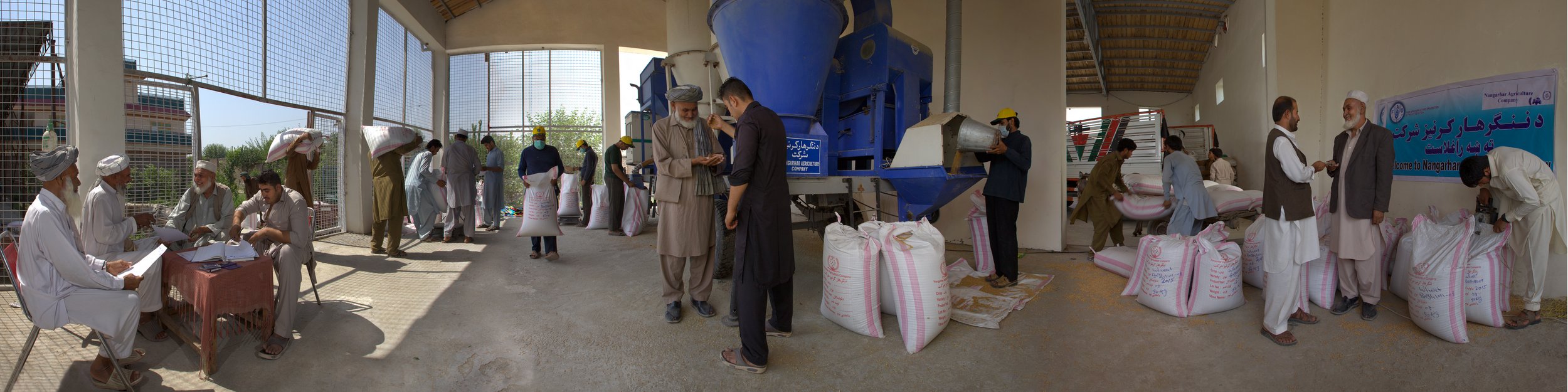
UN-supported programs in Afghanistan have used approaches such as irrigation rehabilitation, wheat and horticulture support, livestock assistance, vocational training and small business development. The most effective projects address several constraints at once. A farmer may need improved seed, but also a road to market; a woman-led household may need poultry or beekeeping equipment, but also permission, training and access to local buyers.
Community participation improves the chances of success. Local councils, farmers’ groups, women’s organizations and district-level actors can help identify which interventions are practical. Programs designed without this input risk distributing unsuitable crops or infrastructure that cannot be maintained. Afghan ownership also helps ensure that alternative livelihoods are seen as a long-term rural development effort rather than a short-lived response to international pressure.
Timing matters as much as design. Poppy provides relatively quick returns, access to informal credit and a purchasing network that reaches remote villages. Legal agriculture often pays later and exposes farmers to weather, pests and market losses. Transitional assistance, cash-for-work, crop insurance mechanisms, storage facilities and guaranteed purchasing arrangements can help bridge that gap while farms become more productive.
Supporting communities affected by drugs
Opium reduction is also a public health issue. Afghanistan has experienced widespread use of opioids, including dependence linked to opium and heroin. Families affected by addiction often face stigma, lost income, violence and health risks. Women and children can carry a large share of the unpaid care burden, while people who use drugs may struggle to access confidential treatment.
UN agencies and partners have supported drug demand reduction through treatment centers, community outreach, prevention programs and technical assistance for health workers. Evidence-based care can include medically supervised withdrawal, psychosocial counseling, family support and longer-term relapse prevention. Services need to be accessible outside major cities, where many people have limited transport and few trained providers.
A successful counter-narcotics policy must avoid treating people with dependence as criminals by default. Traffickers who organize production and distribution occupy a different position from farmers under economic pressure or individuals seeking relief from addiction. Proportionate responses, referral to treatment and protection from abuse can improve public health while strengthening trust in institutions.
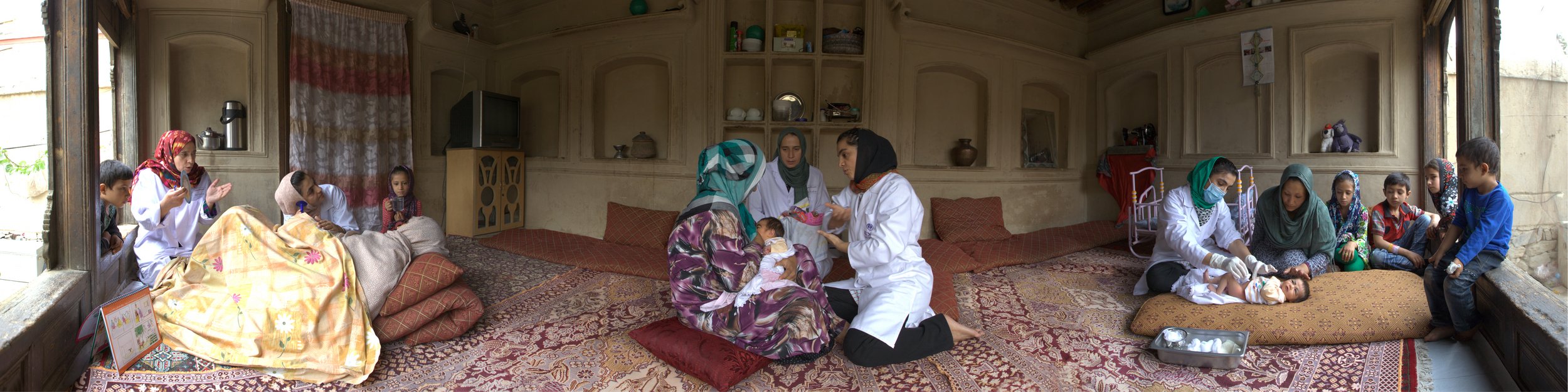
Women’s access deserves particular attention. In many settings, women cannot comfortably approach male providers or travel alone to distant facilities. Female health workers, discreet community services and family-centered care can make treatment more reachable. Such measures also align drug policy with broader humanitarian goals, including protection, mental health and support for vulnerable households.
Strengthening enforcement and regional cooperation
Cultivation reduction becomes more durable when paired with action against trafficking networks. UN assistance has supported criminal justice institutions, border management, forensic capacity and cooperation among countries affected by Afghan narcotics flows. These efforts can help identify organized actors, intercept shipments and improve the quality of investigations and prosecutions.
Regional cooperation is essential because illicit drugs move across borders, while precursor chemicals and financial proceeds may pass through several jurisdictions. Information sharing, controlled deliveries, customs training and compatible legal procedures make it harder for traffickers to exploit gaps between national systems. Cooperation also needs to address the rights of people living in border communities, whose livelihoods may depend on cross-border commerce.
Enforcement must be carefully targeted. Broad punishment of impoverished farmers can deepen insecurity without dismantling the networks that profit most from drugs. Effective law enforcement follows the money, investigates organizers and protects witnesses, while maintaining due process. Transparent procedures matter especially in a context where institutions may have limited public confidence.
The UN’s comparative advantage lies in bringing together monitoring, technical standards and international coordination. It cannot substitute for Afghan decision-making or solve the narcotics economy through external action. Its strongest role is to help create reliable evidence, connect institutions and communities with expertise, and support policies that reduce harm while respecting human rights.
Lessons from Afghan success stories
Afghanistan’s recent reduction offers several important lessons. First, rapid policy change can produce a measurable effect when restrictions are applied across major growing areas. Second, the speed of a decline does not determine its durability. A short-term contraction can be followed by displacement, hidden cultivation or renewed planting if farmers lack viable income.
Third, data is a practical tool for protection as well as accountability. Regular cultivation surveys can identify communities facing the largest losses and guide humanitarian or development assistance. Price tracking can show whether legal crops offer realistic returns. Treatment data can reveal where public health services are missing. Combining these sources creates a clearer picture than a single annual estimate.
Fourth, local success stories should be assessed by their lasting outcomes. A project that distributes seeds may appear successful in its first season, yet its real value depends on harvest quality, household profit, market access and continued adoption. A treatment program should be judged by retention, recovery support and patient safety rather than the number of people registered once.
The strongest programs share several characteristics:
- They pair poppy reduction with practical, locally selected livelihood options.
- They provide multi-year support rather than one-off agricultural inputs.
- They include women, young people and marginalized households in planning and delivery.
- They combine supply reduction with treatment, prevention and harm-reduction services.
- They use independent monitoring to distinguish genuine progress from temporary disruption.
Building a durable path forward
Afghanistan’s opium reduction should be understood as a significant policy and market shift, not as a finished success. The 2023 collapse in cultivation demonstrated that large changes are possible. The subsequent rise from that unusually low base showed that rural economies can revert when legal alternatives, household security and market confidence remain weak.
Future assistance should protect food security while supporting legal production with real commercial potential. Irrigation, roads, cold storage, agricultural extension and access to finance may appear less dramatic than eradication figures, but they determine whether farmers can remain within the legal economy. Projects should also include safeguards against debt, exploitation and unequal distribution of assistance.
Counter-narcotics work will be more credible when it measures both reduced supply and reduced harm. That means tracking cultivation and seizures alongside farmer income, treatment coverage, child welfare, women’s participation and community safety. Independent UN monitoring can help keep these goals visible and ensure that international support follows evidence rather than headlines.
Afghanistan’s experience shows that durable progress depends on the connection between policy, livelihoods and dignity. Support the organizations and community-led programs working on legal rural economies, public health and evidence-based counter-narcotics policy. Share credible reporting, strengthen responsible partnerships and keep Afghan communities at the center of efforts to turn a dramatic reduction into lasting recovery.