
Making a Difference
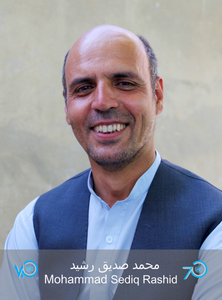
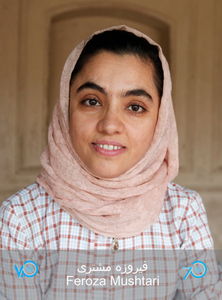
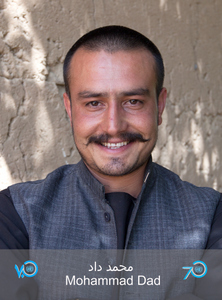
Afghan Youth Skills Building Through Carpentry And Sewing
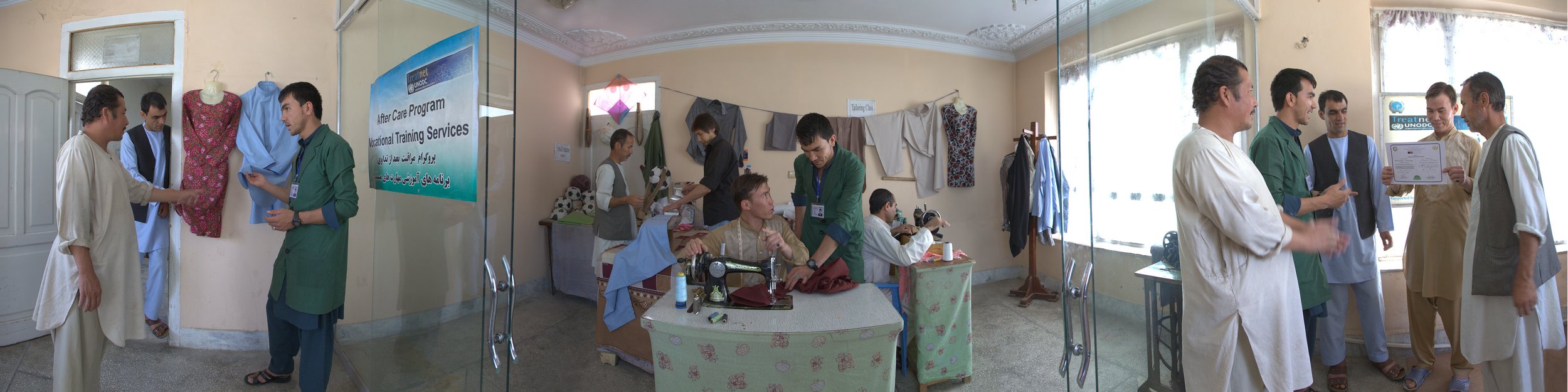
For many young Afghans, practical training can open a path towards income, dignity and greater independence. A carpentry bench, a sewing machine and a patient instructor can become the starting point for work that serves families, neighbourhoods and wider markets.
The United Nations has supported vocational education in Afghanistan through equipment, training and partnerships designed around local needs. Workshops for carpentry and sewing give young people a chance to develop useful trades while learning how to manage materials, meet customer expectations and build a sustainable livelihood.
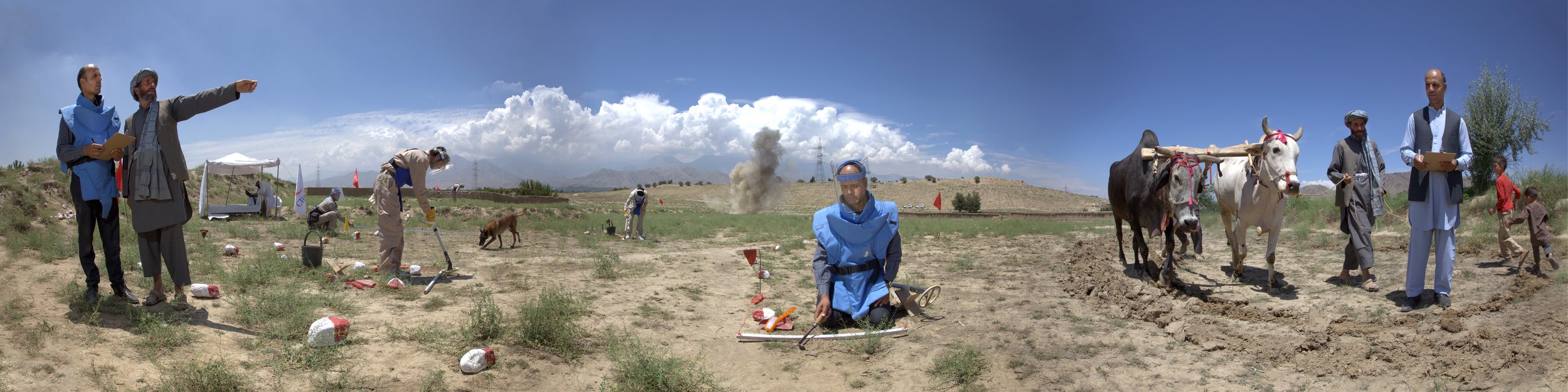
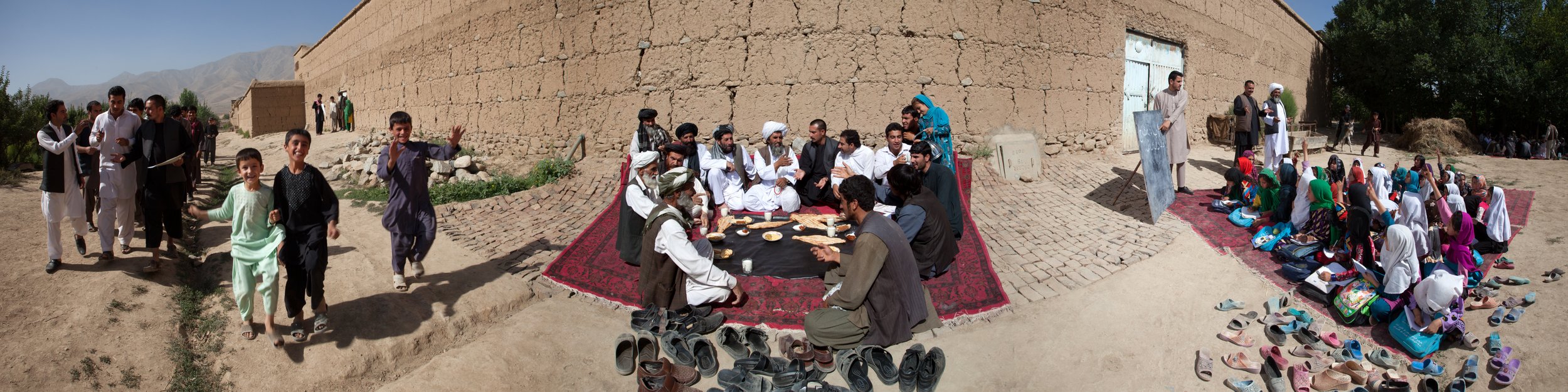
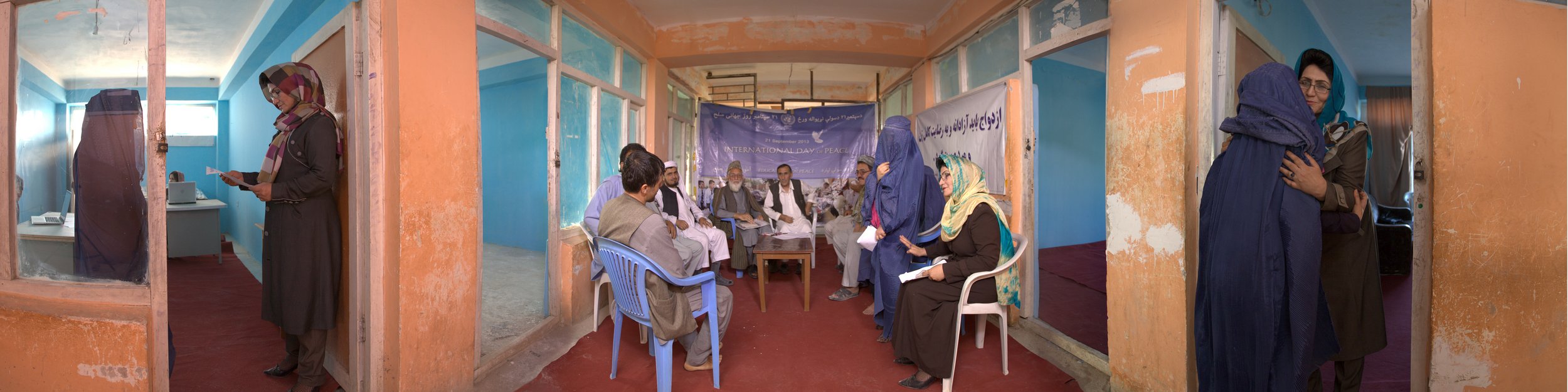
The UN70 “Strong UN. Strong Afghanistan.” campaign presented Afghan people as active contributors to their communities and country. Its archived stories and photographs captured a period when skills development was linked to wider goals: stronger local economies, more resilient households and greater participation by young people.
For an Australian audience, these workshops are easy to understand through familiar examples. TAFE campuses, community tool libraries, repair cafés and weekend makers’ markets all show how practical skills can connect learning with employment. In Afghanistan, similar principles take shape in settings where access to formal work and business finance can be far more limited.
Why Vocational Training Matters For Afghan Youth
Youth unemployment and underemployment can affect household security across Afghanistan. A young person who learns to build a table, repair a door or sew school clothing may be able to earn from small commissions, work with a local enterprise or train another apprentice. The value of the workshop extends beyond the individual student.
Carpentry and sewing are especially adaptable trades. Carpentry can support construction, furniture repair, shop fitting and the production of household items. Sewing can lead to tailoring, alterations, uniforms, home textiles and small-scale clothing production. These activities require practical ability more than expensive academic credentials, making them relevant for people whose access to formal education has been interrupted.
Training also builds habits that employers and customers value. Students learn to measure accurately, plan a job, estimate costs, care for equipment and complete work on time. Such lessons can make the difference between an occasional sale and a viable microenterprise.
In Australia, a similar pathway might run through a TAFE certificate, a pre-apprenticeship course or a community organisation. Afghan workshops operate within different economic and social conditions, yet the central idea is familiar: hands-on education can convert talent into dependable work.
What UN Support Adds To A Workshop
A vocational classroom needs more than an empty room. UN assistance can help provide benches, hand tools, sewing machines, cutting equipment, protective gear and basic materials. Reliable equipment allows students to practise repeatedly instead of waiting for scarce tools to become available.
In carpentry, training may cover safe saw use, joinery, sanding, finishing and furniture assembly. Students can learn to distinguish between different timber qualities, reduce waste and produce consistent dimensions. Sewing instruction can include pattern cutting, machine operation, stitching, garment repair and fabric selection. Both trades benefit from lessons in maintenance because a damaged machine or blunt blade can interrupt a small business.
Safety is central to responsible skills development. Young people need guidance on workshop layout, ventilation, electrical equipment, sharp tools and protective clothing. This has a clear parallel in Australia, where work health and safety duties apply across construction, manufacturing and training environments. Australian providers often document risk assessments and induction procedures; Afghan programmes also need practical safety routines suited to their equipment and premises.
Quality control is another important contribution. A customer purchasing a cabinet, dress or set of curtains needs confidence that the item will last and match the agreed design. Trainers can introduce inspection checklists, sample pieces and simple production standards, helping students understand that craftsmanship creates repeat business.
Carpentry Skills That Strengthen Local Communities
Carpentry workshops can respond to everyday needs in crowded towns and rural districts. Young workers may repair windows, construct shelves, make tables or produce doors for homes and small businesses. Local production can reduce the cost and delay associated with transporting bulky goods from distant centres.
The trade also encourages creative problem-solving. A skilled craftsperson can adapt a design when timber is scarce, reuse offcuts for smaller products and adjust construction methods to local conditions. These capabilities matter in communities where imported materials may be expensive or difficult to obtain.
A successful carpentry programme should connect training with realistic customer demand. Students might begin with stools, storage boxes, low-cost desks or repair services before moving into more complex furniture. They can learn to prepare a written estimate covering materials, labour, transport and a modest profit margin.
Australian consumers will recognise this route from local maker markets in Melbourne, Brisbane or Adelaide, where handmade furniture competes with mass-produced products through durability and personal service. Afghan trainees face a smaller and less predictable market, but the same principles apply: understand what people need, control costs and deliver work that earns trust.
A workshop can also become a community resource. Graduates may take on apprentices, collaborate with builders or supply fittings to local retailers. Each additional connection helps circulate income within the area and gives young people a reason to see skilled work as a respectable long-term choice.
Sewing Enterprises And Household Income
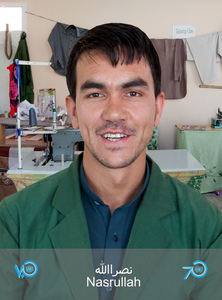
Sewing can be started on a smaller physical footprint than many trades. A room with suitable lighting, tables, machines and fabric storage may support several trainees. This makes garment production and alterations accessible to people who cannot afford a large workshop or who need to combine paid work with household responsibilities.
Students can begin with basic repairs and progress to made-to-measure garments, children’s clothing, uniforms, cushions and reusable household items. Learning to take measurements, prepare a pattern and finish seams neatly helps them serve customers with different requirements. Business lessons can cover fabric purchasing, order records, delivery dates and pricing.
Women and girls may face particular barriers to education and employment in Afghanistan, making carefully designed skills programmes significant. Training arrangements must reflect local safety, mobility and social circumstances. Where direct participation is restricted, remote support, home-based production or women-led community networks may offer limited alternatives, although these approaches cannot replace the wider freedoms that secure education and employment should provide.
There are useful Australian comparisons. Many households buy, mend or donate clothing through op shops, while community sewing groups teach alterations and textile reuse. Australian businesses must also follow workplace safety requirements and, when employing staff, obligations under the Fair Work Act and relevant modern awards. Afghan trainees may not operate under the same regulatory system, yet learning fair pricing, safe conditions and clear agreements remains valuable.
Sewing groups can strengthen social ties as well as income. Participants share techniques, discuss customer demand and pool purchases of thread or fabric. A cooperative approach may lower costs and help individual makers accept larger orders than they could manage alone.
From Workshop Products To Wider Markets
Technical training becomes more powerful when it includes a route to customers. A young carpenter or tailor needs information about demand, transport, packaging and payment, as well as the ability to make a good product. Business mentoring can introduce simple bookkeeping, stock control, customer communication and digital promotion where internet access permits.
Afghan artisans may sell through local shops, markets, social networks, wholesalers or community organisations. Some products can reach national and international buyers when quality, documentation and supply consistency are strong. The UN has highlighted how export quality certification can help Afghan craftspeople connect their work with global markets and meet buyer expectations.
Export opportunities should be approached carefully. A small enterprise must understand shipping costs, customs requirements, currency changes and the risk of accepting orders it cannot fulfil. Product design also needs to respect the preferences of the intended market without erasing the cultural identity that gives Afghan handicrafts their appeal.
Australian buyers increasingly encounter handmade products through Etsy-style platforms, Instagram shops, farmers’ markets and independent retail stores. They often look for ethical sourcing, durable construction and a clear story about who made an item. An Afghan producer who can describe materials, working methods and quality controls may be better placed to reach this audience.
Local sales remain the foundation. A stable customer base in Kabul, Herat, Mazar-e-Sharif or a smaller district can provide the cash flow needed to improve tools and expand production. International interest should complement local enterprise rather than become the only measure of success.
Building Confidence, Safety And Independence
A workshop provides more than a technical skill. It can help young people practise communication, cooperation and decision-making. Completing a chair or garment to a customer’s specifications gives a student visible evidence of progress, which can strengthen confidence after years of disruption or limited opportunity.
Training programmes are most effective when they are inclusive and connected to community realities. Schedules may need to account for transport, caring responsibilities and seasonal work. Instructors should use clear demonstrations, supervised practice and feedback rather than assuming that every student has the same literacy or previous experience.
Useful workshop habits include:
- Measuring twice before cutting timber or fabric
- Keeping tools clean, labelled and safely stored
- Recording material costs and customer orders
- Checking finished work before delivery
Progress can also be tracked through practical demonstrations. A trainee might produce a small item independently, repair a faulty seam or explain the cost of a completed job. These assessments show employers and customers what a person can do more clearly than attendance alone.
Strong programmes create links with suppliers, local businesses, vocational institutes and community leaders. Graduates can receive referrals, shared workspace or advice when they begin trading. Mentors may also help them avoid common mistakes, such as underpricing labour or accepting an order without securing the necessary materials.
For an Australian reader, this resembles the support offered by enterprise hubs, adult learning centres and apprenticeship networks. The difference lies in the scale of risk. In Afghanistan, a modest set of tools or a reliable sewing machine may represent a major investment, so protecting equipment and maintaining access to training can have an immediate effect on household prospects.
Turning Skills Into Lasting Opportunity
Carpentry and sewing workshops cannot resolve every economic or social barrier facing Afghan youth. They can, however, provide a practical foundation for earning, cooperation and local problem-solving. Their success depends on consistent equipment, capable trainers, safe learning conditions and realistic links to buyers.
The archived UN70 campaign placed these efforts within a broader picture of Afghan contribution and resilience. Its message remains relevant: a strong partnership is measured through the opportunities people can use in everyday life. A trained craftsperson, a new apprentice and a customer who receives reliable work all form part of that chain.
For Australian organisations, educators and socially conscious buyers, the connection can be meaningful. Supporting ethical Afghan craft enterprises, sharing vocational expertise and choosing well-made products can help sustain the market relationships that training makes possible. The most effective support respects local knowledge and allows Afghan makers to define their own ambitions.
The next step is to value practical education as a serious investment. Promote fair access to trade training, support safe and inclusive workshops, and seek responsibly made Afghan goods through credible channels. Each action helps turn a workshop skill into income, confidence and a stronger future.