
Making a Difference
Afghan youth sports programs build teamwork and peace
Across Afghanistan, sport can create a rare space where young people meet beyond ethnic, regional, linguistic, and social divisions. A football pitch, volleyball court, or schoolyard does not remove the pressures surrounding young Afghans, but it can establish shared rules, common goals, and regular contact. These experiences help participants practise cooperation in ways that extend beyond the game.
The United Nations has long treated youth participation, community dialogue, education, and social cohesion as connected priorities. In that wider setting, sport can support peacebuilding by giving young people practical opportunities to listen, lead, resolve disagreements, and accept responsibility for a group. Sports activities are most effective when they are safe, inclusive, locally led, and linked to broader support for children and adolescents.
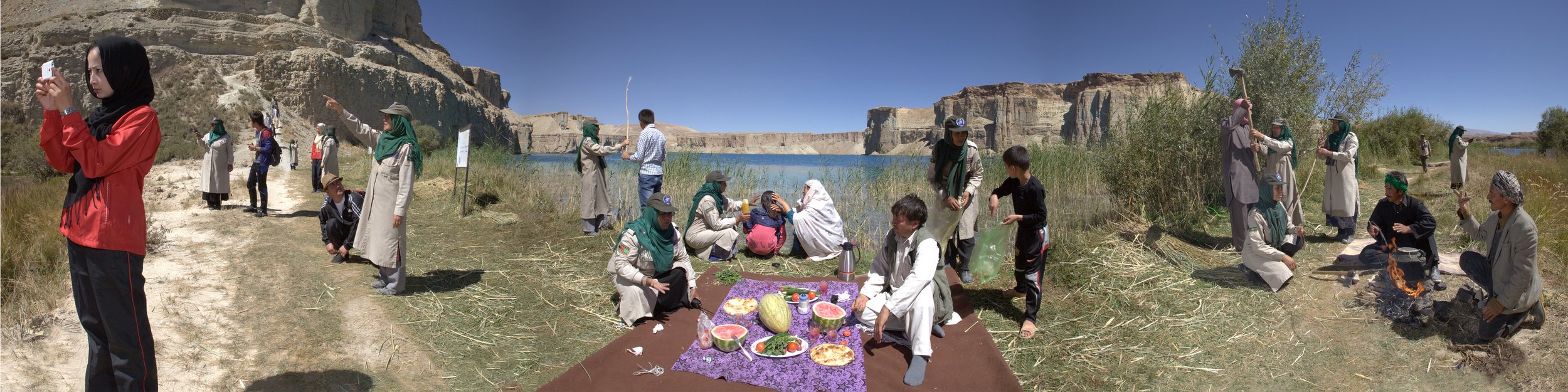
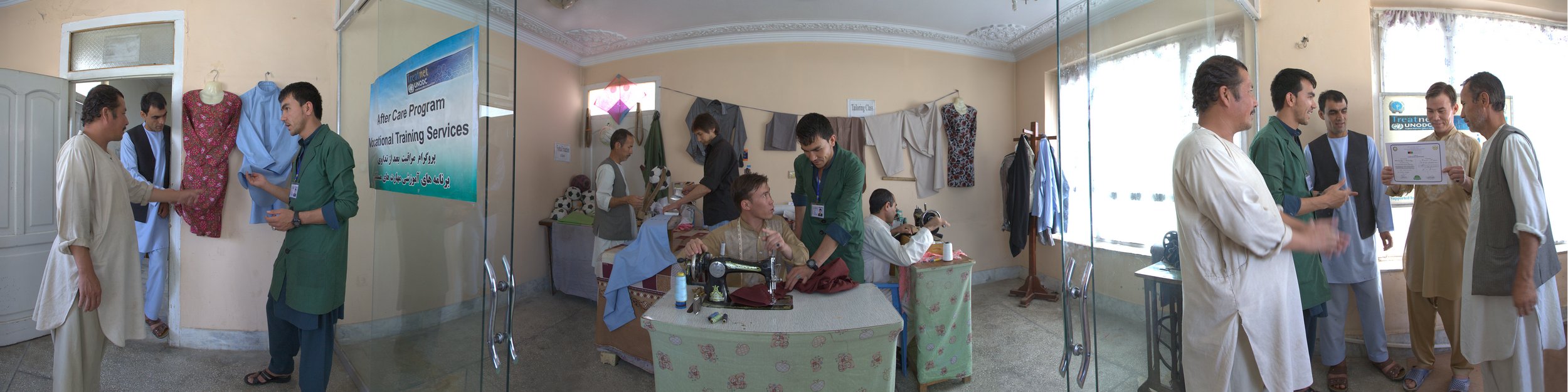
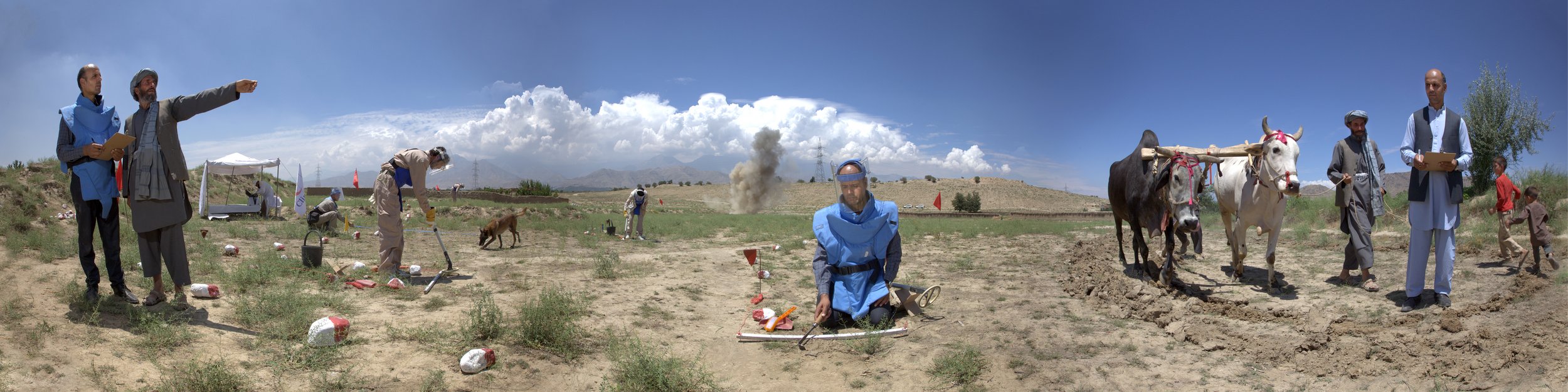
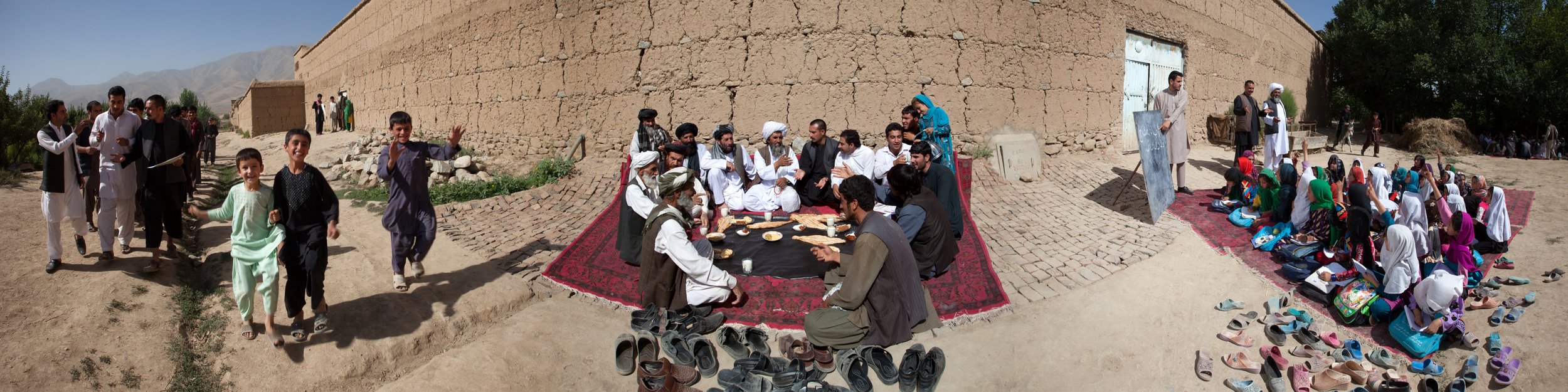
The archived UN Afghanistan campaign provides a useful lens for understanding this work. Its stories about Afghan people and their contributions placed individual effort within a national partnership. Youth sport belongs in that picture because it shows how ordinary community activities can strengthen trust and give young people a constructive role in Afghanistan’s future.
Why sport matters for young people
Team sports teach habits that peacebuilding also requires. Players must communicate, follow agreed rules, manage frustration, and recognise the value of another person’s contribution. A young athlete who learns to pass rather than play alone is developing a small but meaningful lesson in interdependence. Coaches can reinforce that lesson by rewarding fair play, respect, and collective achievement alongside winning.
Sport also supports physical and mental wellbeing. Regular activity can improve concentration, confidence, fitness, and emotional regulation, especially for adolescents living with stress or uncertainty. A structured practice session provides routine, while a team offers social connection. These benefits matter in communities where young people may have limited access to recreational facilities, counselling, or safe public spaces.
The peacebuilding value is not automatic. Competition can deepen divisions if teams are organised around exclusion, if officials tolerate abuse, or if boys and girls receive unequal opportunities. Youth sports programs need clear safeguarding standards, trained coaches, accessible facilities, and methods for preventing harassment and discrimination. The objective is a culture of belonging, rather than simply a schedule of matches.
The United Nations role in community sport
The UN’s contribution is often strongest when it supports local actors instead of replacing them. Afghan schools, civil society groups, municipalities, sports associations, families, and youth leaders understand local conditions in ways that an international organisation cannot. UN agencies and partners can help connect these groups with training, planning tools, protection guidance, and resources for inclusive activities.
This support fits within wider UN priorities in Afghanistan, including youth engagement, human rights, community resilience, education, and peaceful participation. Sport may serve as an entry point for conversations about cooperation, gender equality, disability inclusion, and non-violent conflict resolution. A tournament can become a setting where young people learn about teamwork, while coaches and community leaders identify additional needs.
The UN can also help document what works. Monitoring participation, attendance, safety, and attitudes toward other groups gives partners evidence for improving activities. A credible program should ask whether girls and boys can participate, whether children with disabilities are accommodated, whether rural communities receive attention, and whether young people have a voice in decisions. Evidence helps move sport for peace from a slogan to a responsible practice.
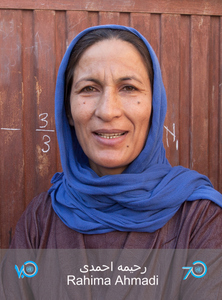
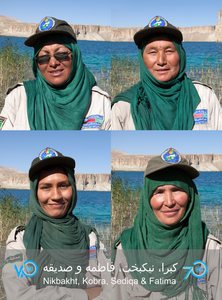
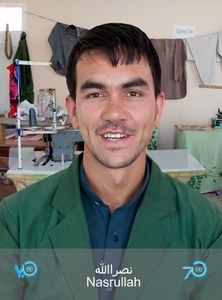
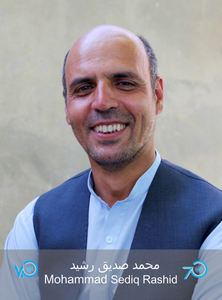
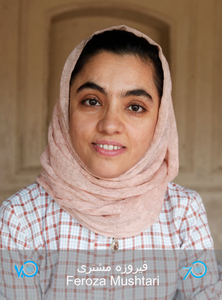
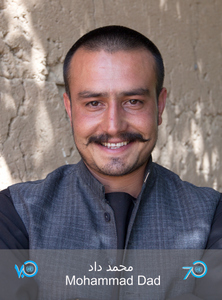
UN70 campaign materials contribute to this public-facing role by highlighting Afghan individuals and their contributions. Such storytelling can challenge narratives that portray young Afghans only as victims or problems. Showing youth as athletes, organisers, volunteers, and teammates presents them as contributors with skills and agency.
From a match to a peacebuilding lesson
A sports session becomes more valuable when its social purpose is made explicit. Coaches can begin with agreements on respect and finish with a short reflection on how the team handled disagreement. Players might rotate leadership roles, design a fair-play rule, or work together to welcome a new participant. These simple methods connect the emotional experience of sport with everyday civic behaviour.
Mixed-team activities can encourage contact among young people from different backgrounds. Organisers should form teams carefully, consult families, and account for local customs and security conditions. The aim is meaningful interaction, not a symbolic event that disappears after one day. Regular practices and repeated cooperation are more likely to build trust than a single high-profile tournament.
Girls’ participation deserves particular attention. Women and girls in Afghanistan face serious restrictions and barriers, so any activity involving them must be designed with safety, dignity, community consultation, and applicable humanitarian principles in mind. Female coaches, women’s organisations, confidential feedback channels, and appropriate facilities can make participation more realistic. Inclusion should be measured by meaningful access and decision-making, not by publicity alone.
The same principle applies to young people with disabilities and those living in remote areas. Adapted equipment, accessible venues, transport assistance, and flexible formats can widen participation. When programs include different abilities and backgrounds, teamwork becomes a lived experience rather than an abstract message.
| Program feature | Contribution to teamwork | Peacebuilding value | Safeguard to prioritise |
|---|---|---|---|
| Mixed community teams | Encourages communication and shared responsibility | Builds contact across social or local divisions | Transparent selection and respectful team formation |
| Trained coaches | Models fair play and constructive conflict management | Helps prevent abusive behaviour and retaliation | Background checks, safeguarding training, and reporting routes |
| Girls’ and women’s participation | Expands leadership and cooperation | Supports equal dignity and social inclusion | Safe venues, consultation, privacy, and female leadership |
| Accessible youth facilities | Gives more children a regular place to meet | Strengthens community connection | Disability access, transport planning, and local oversight |
| Reflection after games | Turns experience into learning | Links sport with dialogue and non-violent problem-solving | Age-appropriate facilitation and confidential feedback |
| Local partnerships | Shares ownership with Afghan communities | Improves legitimacy and continuity | Clear responsibilities, monitoring, and accountable funding |
What effective youth programs need
A strong program begins with a community assessment. Organisers should understand which groups are excluded, what facilities are available, when young people can safely travel, and which concerns families may have. This groundwork reduces the risk of importing a model that does not suit the location. Local youth should help shape the rules, timetable, sports, and measures of success.
Coach development is equally important. A coach is more than a technical instructor; they are often the adult who sets the tone for interaction. Training should cover conflict sensitivity, child protection, first aid, inclusion, psychological support, and referral pathways. Coaches must know how to respond when a participant reports bullying, violence, exploitation, or distress.
Programs also require modest but reliable resources. Safe playing surfaces, drinking water, basic medical supplies, equipment maintenance, and transport can determine whether an activity continues. Short-term funding may produce an impressive launch but fail to sustain regular participation. Partnerships with schools, community organisations, and local authorities can help integrate activities into existing structures.
Monitoring should include the experience of participants, not just the number of matches played. Useful indicators may include retention, diversity of participants, leadership opportunities, reported incidents, perceptions of safety, and examples of cooperation outside the sporting setting. Young people can help collect feedback through peer committees or anonymous surveys, provided their privacy is protected.
Recommendations for inclusive sports initiatives
- Build each program with Afghan youth, families, coaches, schools, and community organisations from the earliest planning stage.
- Make safeguarding, conflict sensitivity, and referral support compulsory parts of coach and volunteer training.
- Set practical participation goals for girls, young people with disabilities, rural communities, and other groups that are often left out.
- Pair games with facilitated reflection, peer leadership, and community service so teamwork becomes useful beyond the playing field.
- Track safety, inclusion, trust, and continuity alongside attendance and sporting performance.
Connecting sport with education and livelihoods
Youth sports programs can have a wider effect when they connect with education and skills development. Participants may gain experience in event planning, refereeing, equipment management, communications, first aid, or coaching. These roles help young people see pathways from volunteering to vocational learning and community employment. They also give adolescents who are not elite athletes a reason to remain involved.
Schools and learning centres can use sport to reinforce lessons about health, citizenship, equality, and peaceful communication. A mathematics class might manage tournament scores; a language lesson might involve writing team agreements; a health session might cover hydration and injury prevention. Such links make sport part of a broader development approach instead of treating it as an isolated activity.
Youth leadership is especially valuable. When participants help organise fixtures, settle minor disputes, welcome newcomers, or maintain equipment, they practise decision-making in a visible and accountable way. Adult support remains essential, but young people should have genuine responsibilities. This balance can build confidence without placing unrealistic burdens on them.
Partnerships should also protect the neutrality and safety of sporting spaces. Activities must not be used to promote political factions, stigmatise communities, or pressure young people into public roles they have not chosen. Clear codes of conduct and transparent selection processes help preserve trust. The UN and its partners can encourage these standards through coordination, technical advice, and public accountability.
A message carried by Afghan stories
The UN Afghanistan archive presents a campaign built around Afghan people and their contributions. That emphasis is important for understanding youth sport. Peace is not created only in formal negotiations or international meetings; it is also rehearsed in daily acts of cooperation. Young people who share a field, support a teammate, or resolve a disagreement are participating in a social process that deserves recognition.
Stories about athletes and volunteers should avoid presenting sport as a cure for Afghanistan’s complex problems. Games cannot substitute for protection, education, livelihoods, rights, or political solutions. They can, however, complement these efforts by strengthening relationships and giving communities a practical language for cooperation. Responsible storytelling should show both achievement and the conditions that make participation possible.
The archived nature of the campaign also gives its message a lasting value. Although the original site is no longer active, its photographs, news, messages, and links to UN Afghanistan channels record a moment of public engagement. Readers can view that material as part of a broader history of international partnership with Afghan communities, while remembering that current programs and circumstances require up-to-date local information.
Afghan youth are more than beneficiaries of peacebuilding. They are organisers, players, coaches, mentors, and community members with ideas about what safe and hopeful participation should look like. Supporting those roles can help transform teamwork on the pitch into trust in schools, neighbourhoods, and civic life.
Explore the archived UN Afghanistan campaign materials, share stories that recognise Afghan youth contributions, and support locally led initiatives that make sport safe, inclusive, and consistent. When communities invest in young people’s ability to cooperate, they strengthen the relationships on which lasting peace depends.