
Making a Difference

Career Counseling for Afghan Youth: Pathways Beyond Migration
Every week, dozens of young Afghans consult relatives abroad about routes that might carry them out of the country. The reasons vary: families separated by decades of conflict, an economy that struggles to absorb new graduates, and the magnetic pull of stories shared on messaging apps from Sydney, Melbourne, and other diaspora hubs. For many, departure feels like the only script they know. The United Nations has been reshaping that script through career counseling services that match ambition with opportunity, while keeping young people rooted in their own communities.
The approach is pragmatic rather than rhetorical. Counsellors meet students, recent graduates, and informal workers in district centres, listen carefully to their skills and constraints, then walk them through realistic career pathways. Where local demand exists, those pathways lead to jobs, apprenticeships, or further training inside Afghanistan. Where genuine obstacles remain, the same counsellors help applicants explore formal migration channels, prepare for skilled visa assessments, and connect with diaspora mentors who have navigated the same journey.
Understanding the push factors behind Afghan youth migration
Push factors in Afghanistan are rarely abstract. A young woman in Bamyan who finishes high school may find that the nearest university faculty is hours away and offers limited enrolment slots. A young man in Nangarhar with a diploma in civil engineering may apply for hundreds of positions before receiving a single interview, as employers trim recruitment during lean budget cycles. Household responsibilities add weight, particularly for first-born sons expected to contribute to rent and food within months of finishing school.
The decision to leave is rarely impulsive. Most young Afghans weigh the cost of leaving against the cost of staying for months or years before acting. Smuggler fees, dangerous routes through multiple borders, and uncertain reception in transit countries are widely known. Yet the alternative, a long stretch of unemployment in a district with few formal employers, often feels heavier. Career counselling enters this calculation not by lecturing but by widening the menu of options that young people can see clearly and pursue safely.
Diaspora links influence the picture as well. Families in the western suburbs of Sydney, in Dandenong, and in parts of Brisbane regularly send encouragement home, sometimes along with offers of financial support for the journey. Counsellors respect those bonds rather than dismissing them, and use them as a starting point for conversations about timing, preparation, and the realistic chances of skilled migration pathways.
The framework of UN career counseling services in Afghanistan
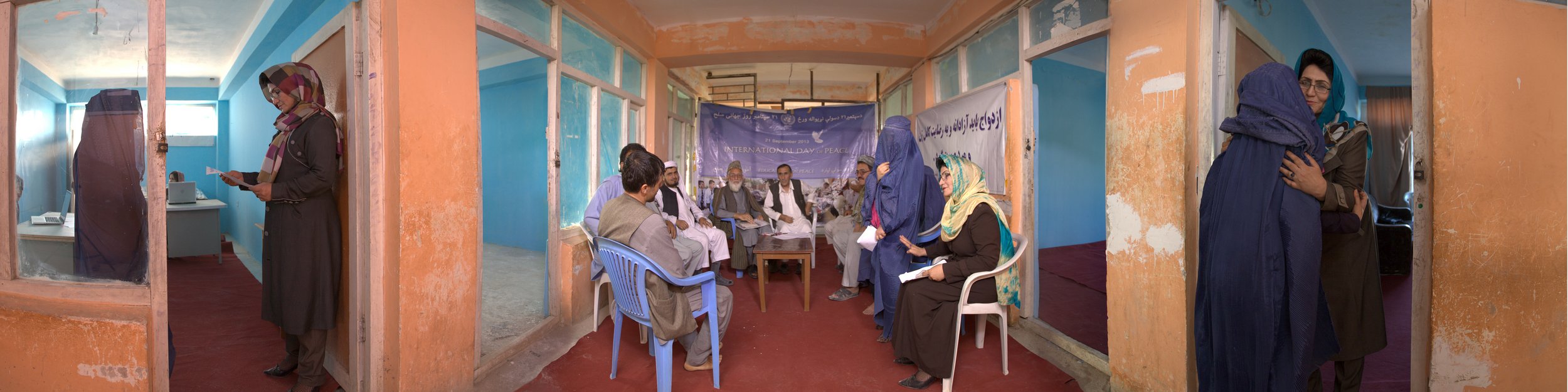
The counseling framework rests on a simple division of labour. Counsellors employed through United Nations agencies and partner organisations operate out of provincial youth centres, vocational institutes, and selected secondary schools. They are supported by a central team that maintains a database of Afghan employers, training providers, scholarship bodies, and diaspora contacts. A standard first session lasts about forty-five minutes, with follow-up sessions scheduled at intervals matched to each client's pace.
Sessions are confidential and structured around four questions. What skills and qualifications does the client already hold? What sectors are growing in their home province? What constraints, including family duties and security considerations, narrow their options? And which migration pathway, if any, aligns with their long-term goals? The answers feed into a written plan that clients keep, often on a phone, and that counsellors reference in subsequent visits. Where a client expresses interest in applying to countries such as Australia, the plan includes links to skills assessment portals and recognition pathways for Afghan qualifications.
Counsellors receive continuous training to keep pace with shifting labour markets. Workshops held in Kabul cover emerging fields such as renewable energy installation, mobile phone repair, and remote customer service. Counsellors also learn how to read labour market data released by Afghan ministries, the World Bank, and international research bodies, allowing them to point clients toward sectors with genuine hiring momentum.
Skills assessment and vocational pathway planning
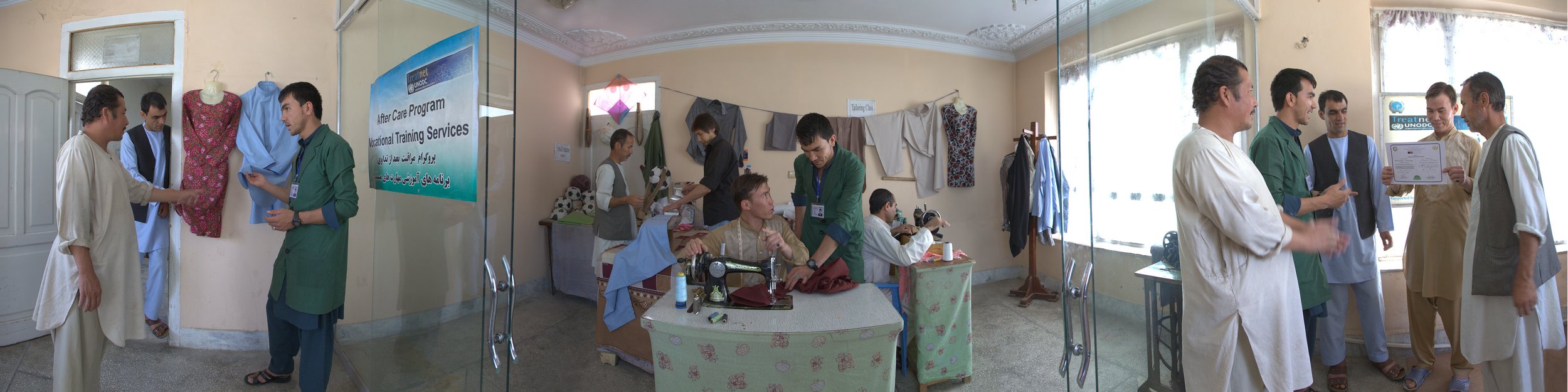
Many young Afghans leave school with impressive titles but limited practical evidence. A certificate in information technology, for instance, may not specify whether the holder can troubleshoot a network, build a simple application, or maintain accounting software. The UN's career counseling teams work with vocational institutes in Kabul, Herat, Mazar-i-Sharif, and Jalalabad to refresh curricula so that assessments cover both technical knowledge and hands-on competence.
Clients leaving the counselling room typically carry a refreshed CV, a list of short courses they can complete locally, and the names of three or four employers actively recruiting in their field. For trades such as welding, electrical work, plumbing, and carpentry, the plan often points to apprenticeships advertised by Afghan construction firms rebuilding provincial infrastructure. For graduates in business, education, and healthcare, the plan leans on the growing presence of NGOs and the public sector's continued investment in service delivery.
Where the assessment reveals gaps, counsellors refer clients to short, accredited programs. Several of these programs have been co-designed with Australian vocational providers, drawing on the TAFE model that links training to regional industry demand in states such as Western Australia and Queensland. The aim is not to replicate the Australian system but to borrow its emphasis on employer engagement and outcome measurement.
Building employer linkages inside Afghanistan
Career counselling is only as useful as the jobs it points toward. The UN teams have invested heavily in employer engagement, particularly with mid-sized Afghan businesses that often hire through informal networks. By formalising job postings and offering shortlisting support, the program opens these vacancies to candidates who would otherwise be overlooked.
Sectors showing strong demand include construction tied to road and school rehabilitation, agriculture value chains that need young people willing to work in processing and logistics, and the digital economy, where remote roles in data entry, graphic design, and customer support can be performed from Afghan cities. Healthcare, long reliant on overseas-trained staff, is expanding its intake of locally qualified nurses and technicians. The counselling service keeps its employer database updated so that newly announced positions reach clients within days rather than weeks.
Employers benefit as well. Several Afghan firms have reported reduced recruitment costs and lower turnover after working with the counselling service, particularly for technical roles where word-of-mouth hiring had previously delivered mismatches. The UN teams are now exploring partnerships with industry associations to scale this approach across more provinces.
Mentorship networks including Afghan professionals in Australia
Australia hosts one of the largest Afghan communities outside the region, with concentrations in Sydney's western suburbs, parts of Melbourne, and growing clusters in Brisbane and Perth. Career counseling services have drawn on this diaspora through structured mentorship pairings that connect aspiring young Afghans with professionals who have rebuilt careers abroad.
A mentor in Parramatta working in civil engineering, for instance, can guide a young Afghan through the recognition steps required for skilled visas in New South Wales, share practical advice on settling into the Australian labour market, and explain what TAFE NSW courses carry weight with local employers. A mentor in Dandenong familiar with small business grants can speak with a young entrepreneur about the realities of registering a company and navigating the Australian Taxation Office. Mentors commit to a defined schedule of video calls over several months and receive support from the UN team to manage expectations on both sides.
The mentorship strand also benefits mentors themselves. Many Afghan Australians have reported a renewed sense of purpose from contributing to country-of-origin development, a connection that complements their resettlement journey. Some mentors travel back to Afghanistan for short training assignments, while others host online workshops attended by dozens of mentees at a time.
Bridging education, training and local economic demand
The most encouraging results have come from programs that braid together short training, paid internships, and employer commitments to interview graduates. In one pilot, counselling clients who completed a twelve-week course in solar panel installation at a Herat training centre were placed in paid internships with energy firms operating in western Afghanistan. Several were retained after the internship, with wages that allowed them to support their families without leaving the country.
Comparable pilots are running in agriculture processing in Balkh, mobile phone repair in Kabul, and early childhood education in Daikundi. Each pilot shares a common design: training that responds to employer demand, internships that give real workplace exposure, and a counselling team that stays in touch with participants for at least a year. The model draws on lessons from Australian vocational programs, including the role of TAFE Queensland and TAFE Victoria in linking training to regional industries such as mining, agribusiness, and community services.
Evaluation is built into each pilot. Counsellors track employment outcomes at three, six, and twelve months, compare retention rates against control groups who did not receive the full package, and feed the findings back to training providers and employers. The data is publicly available and is increasingly used by Afghan ministries when planning further investment in technical education.
Sustained outcomes and the road ahead
Sustaining the program requires steady funding, and the UN teams are working with donors to lock in multi-year commitments rather than the short cycles that have hampered similar initiatives in the past. They are also pressing Afghan authorities to recognise the role of career counselling in national youth policy, so that the service is not solely dependent on international support.
The road ahead is not short. Economic conditions inside Afghanistan remain difficult, and the pull of migration will not vanish. What can shift is the quality of choice. When a young Afghan in a provincial town can meet a counsellor, complete a relevant short course, secure an internship, and earn a wage that supports a family, the appeal of an uncertain journey fades. When a young Afghan with a clear dream of building a life abroad can access accurate information, skilled mentors, and a fair application process, that journey becomes safer and more dignified. Both outcomes represent genuine progress, and both depend on the quiet work of career counsellors who meet their clients one conversation at a time.
If you would like to support career counselling services for Afghan youth, share this article with community organisations, vocational institutes, and diaspora networks in your area. Donations to United Nations agencies working in Afghanistan remain one of the most direct ways to fund counsellor salaries, training materials, and employer engagement. Australian readers can also volunteer through established resettlement agencies that work with newly arrived Afghans, helping to welcome those whose migration pathways have already begun.