
Making a Difference
Afghan Youth Leadership Camp And The Practice Of Peacebuilding
Young people in Afghanistan have long carried responsibilities that extend well beyond their years. They help families navigate uncertainty, support neighbours during crises and create links between communities divided by distance, identity or experience. A youth leadership camp can turn that everyday resilience into practical peacebuilding skills: listening, mediation, civic participation and collaborative problem-solving. Learn more about Zai Hai Shiniokeru De Yu Jing Ji Zhi Yuan Cetoshiteno Shang Pin Quanno Ke Neng Xing.html.
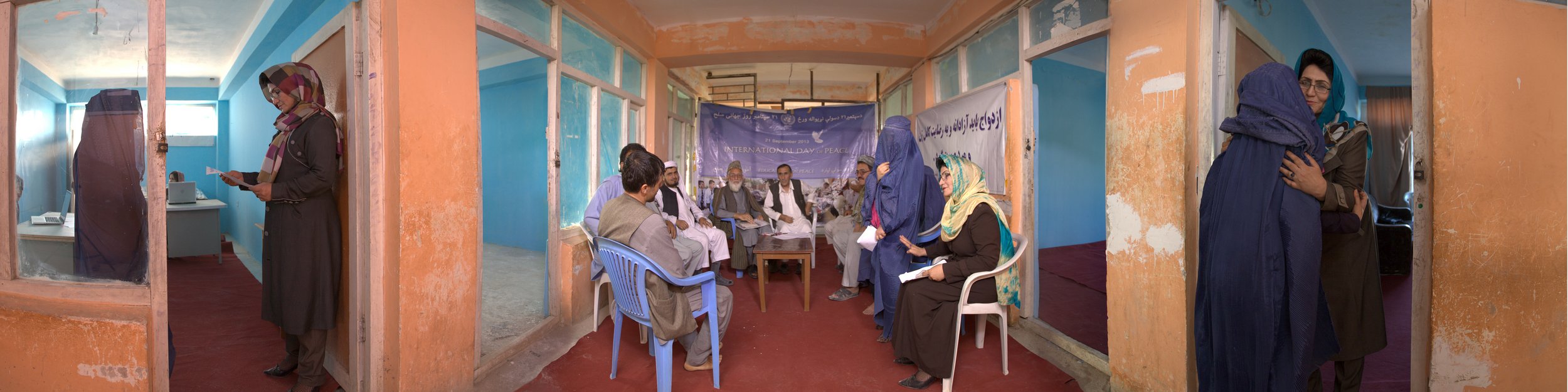
The Afghan Youth Leadership Camp sits within a wider United Nations effort to support Afghan voices and community-led solutions. Its value is best understood through the activities it enables, rather than through a single event or slogan. The archived UN Afghanistan archive provides useful background on the UN70 campaign, its messages and the people whose work reflected the idea of a strong Afghanistan supported by a strong United Nations.
Why Youth Leadership Matters In Afghanistan
Afghanistan has a young population, and its future depends heavily on whether young people can participate safely in decisions affecting their communities. Youth leadership is not simply preparation for employment or public office. It is also preparation for resolving disputes before they grow, communicating across social boundaries and recognising the concerns of people whose lives may be very different.
A camp creates a temporary community where participants can practise those abilities. Young women and men may arrive with different regional, ethnic, linguistic or educational backgrounds. Structured sessions help them move from personal experience to shared analysis. Instead of treating young people as passive recipients of assistance, facilitators position them as partners who understand local pressures and can identify realistic responses.
This approach is especially important where formal institutions are difficult to access or public trust has been weakened. A participant who learns how to convene a respectful discussion may later use that skill at a school, mosque, neighbourhood meeting or community organisation. Small acts of cooperation can contribute to social cohesion when they are repeated and supported locally.
Peacebuilding Through Practical Activities
UN-facilitated peacebuilding activities commonly combine discussion with applied exercises. Participants might map sources of tension in their communities, examine how rumours spread, practise non-violent communication or simulate a mediation between groups with competing needs. These methods make peacebuilding concrete. Young people can test language, assumptions and responses in a setting where mistakes become learning opportunities.
Team tasks are equally important. A group could be asked to design a community initiative with a limited budget, ensuring that women, displaced families, people with disabilities and minority groups are considered. The exercise teaches negotiation and accountability while revealing the difference between a good idea and a workable plan. It also encourages participants to divide responsibilities according to skills rather than status.
Cultural and recreational activities can reinforce the same lessons. Shared meals, storytelling, sport and creative work provide informal ways to build trust. A cricket match, for example, can create connections across language or regional differences when teams are formed inclusively and the rules are agreed together. The activity matters because it gives participants time to know one another as people, not only as representatives of a group.
Building Skills For Dialogue And Mediation
Effective peacebuilding begins with communication. Camp sessions can teach participants to ask open questions, summarise what another person has said and distinguish between a position and an underlying need. Those skills are useful when a disagreement involves land, family expectations, access to services or a misunderstanding amplified through social media.
Mediation practice helps young leaders understand that resolving conflict is not the same as deciding who is right. A facilitator may guide participants through a fictional dispute, asking them to identify interests, consider risks and develop options acceptable to all sides. The process encourages patience and confidentiality, while showing that a calm conversation can reduce the pressure for confrontation.
Digital literacy also has a place in contemporary youth peacebuilding. Online rumours can intensify fear, particularly during a crisis. Participants can learn to check sources, avoid sharing unverified claims and communicate without inflammatory language. These are modest but powerful safeguards in communities where a message can travel rapidly through mobile phones and online networks.
Inclusion, Safety And Local Ownership
A credible youth camp must be designed around safety. This includes careful travel arrangements, appropriate accommodation, confidential reporting channels and clear expectations about respectful conduct. For young women, participation may depend on family confidence, female facilitators, suitable venues and schedules that recognise caring responsibilities. Inclusion cannot be achieved by simply inviting diverse participants to a programme designed without them.
Accessibility also requires attention to language and disability. Materials may need to be available in relevant local languages, with interpretation or adapted formats where necessary. Participants from rural areas may have less experience speaking in formal workshops than those from major cities. Skilled facilitation makes room for both kinds of knowledge and avoids allowing confident speakers to dominate every session.
Local ownership protects the work from becoming a one-off international project. UN staff and partner organisations can provide technical support, safeguarding and connections to broader networks, while community leaders and young participants shape the priorities. A leadership camp is stronger when participants leave with relationships they can maintain, rather than only certificates or photographs.
From Camp Learning To Community Action
The real test of a leadership programme comes after participants return home. Follow-up support can help them form small teams, refine project ideas and connect with schools, local organisations or humanitarian partners. Activities might include peer dialogue sessions, awareness campaigns, youth consultations or initiatives that bring together communities with shared practical concerns.
Projects should be achievable within local conditions. A small dialogue between students, a volunteer campaign to improve access to information or a community discussion about preventing harmful rumours may have greater value than an ambitious project that lacks funding and permission. Clear objectives, modest budgets and regular reflection help young leaders maintain momentum.
Economic realities matter as well. Afghan youth may face unemployment, interrupted education and limited access to finance. Peacebuilding should therefore recognise the connection between social stability and livelihoods. Skills in project planning, budgeting and ethical enterprise can support initiatives that strengthen trust while addressing practical needs, such as vocational cooperation or community-based services.
This is relevant to Australian readers because youth programmes in Sydney, Melbourne and Brisbane often combine civic participation with employment pathways. The local market shapes what is possible: a community enterprise must understand customer demand, operating costs and access to finance. The same principle applies in Afghanistan, even when the scale and risks are very different.
Lessons For Australian Communities
Australia has its own experience of bringing people together across difference. Multicultural neighbourhoods in western Sydney, community houses in Melbourne and youth services in Brisbane regularly support people who speak several languages or have arrived from conflict-affected countries. Their work shows that belonging is built through repeated contact, reliable services and opportunities to contribute.
Australian customs can also offer useful points of comparison. A shared barbecue, a local sporting club or a school community event creates informal contact that formal meetings sometimes cannot. These settings are not automatically inclusive, however. Organisers still need to consider dietary requirements, prayer times, cultural protocols and whether young women feel able to participate freely.
The Australian market provides another practical reference. Youth-led projects may need to work with local councils, social enterprises, small businesses and community grant programmes. Someone developing a peace-focused initiative in Parramatta, Footscray or Logan might prepare a simple budget, seek donated venue space and build a relationship with a local shop or service provider. Afghan participants can apply comparable planning principles while adapting them to their own security, cultural and economic environment.
Disaster preparedness also demonstrates why community networks matter. Australian communities affected by bushfires, floods or cyclone conditions depend on trusted local communication and cooperation with public agencies. Guidance on community economic support illustrates a related principle: resilience involves protecting livelihoods and local supply systems as well as responding to immediate danger. For Afghan youth, peacebuilding similarly works best when social trust and everyday economic security are considered together.
Measuring Trust And Sustaining Partnerships
Peacebuilding results are often gradual and difficult to express through a single statistic. Useful indicators can include the number of youth-led activities completed, the diversity of participants, the quality of referral pathways and whether people continue working together after the camp. Feedback should ask whether participants feel safer speaking across differences and whether their communities recognise their contribution.
Stories also matter, provided they are gathered ethically. A participant may describe changing the way they respond to a disagreement, helping neighbours access reliable information or inviting a previously excluded group into a project. Such accounts reveal changes in confidence and relationships that attendance figures cannot show. Consent, privacy and protection from retaliation must guide any public storytelling.
Partnerships need continuity. UN agencies, Afghan civil society groups, educational institutions and local authorities can offer different forms of support, but coordination is essential. Participants should know who can advise them, where to refer protection concerns and how to seek modest resources for community work. Alumni networks, mentoring and periodic learning sessions can keep the camp’s relationships active.
The strongest model treats youth leadership as a long-term investment rather than a single workshop. Young people need space to lead, the authority to make decisions and honest recognition of the limits they face. When international partners listen carefully and transfer responsibility safely, facilitation becomes a bridge to local leadership instead of a substitute for it.
An Afghan Youth Leadership Camp demonstrates how peacebuilding can be learned through practice: by listening before responding, planning with others, mediating fairly and turning shared concerns into achievable action. Readers in Australia can support this work by following credible UN information, learning from Afghan-led initiatives and strengthening inclusive youth programmes in their own communities. Explore the archived UN material, discuss its lessons with local schools or community organisations, and make room for young people to shape the peaceful, connected societies they will inherit.