
Making a Difference


Afghan Youth Innovators Building Social Solutions Through Hackathons
Afghan youth have long demonstrated that innovation does not depend solely on advanced laboratories, reliable infrastructure, or large technology companies. It can begin with a phone, a community concern, a small team, and the determination to solve a practical problem. In Afghanistan, young people have used digital tools, local knowledge, and social enterprise to respond to challenges in education, public health, employment, agriculture, and access to information.
Hackathons offer a structured way to support that energy. In a short, collaborative event, participants identify a problem, develop an idea, test a prototype, and present a possible solution to mentors and community representatives. The strongest projects may continue through incubation, partnerships, funding, or integration into existing services.
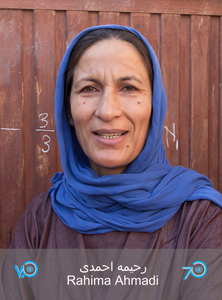
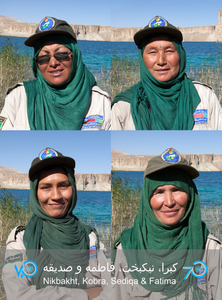
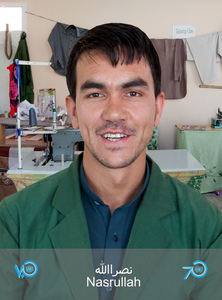
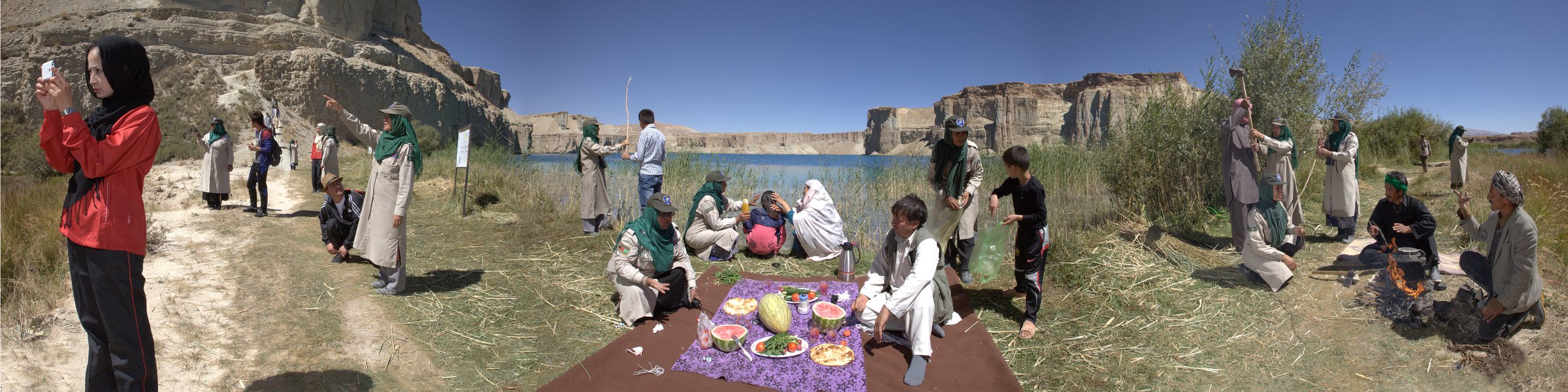
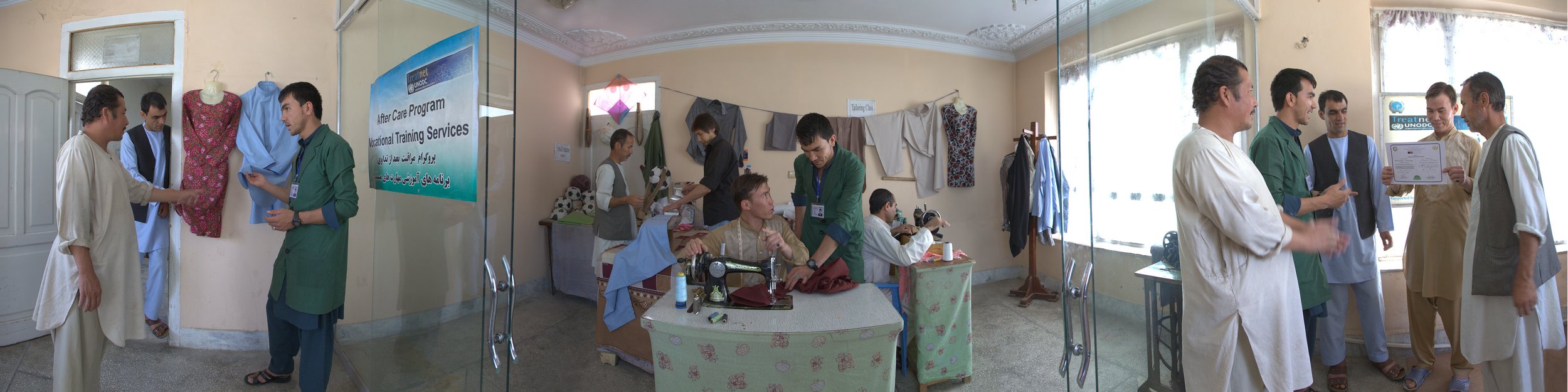
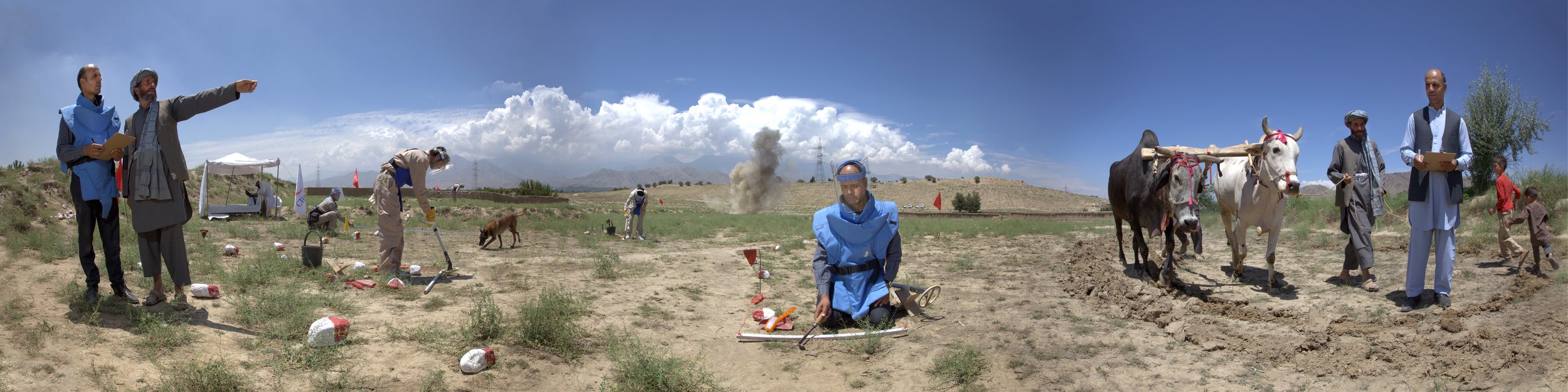
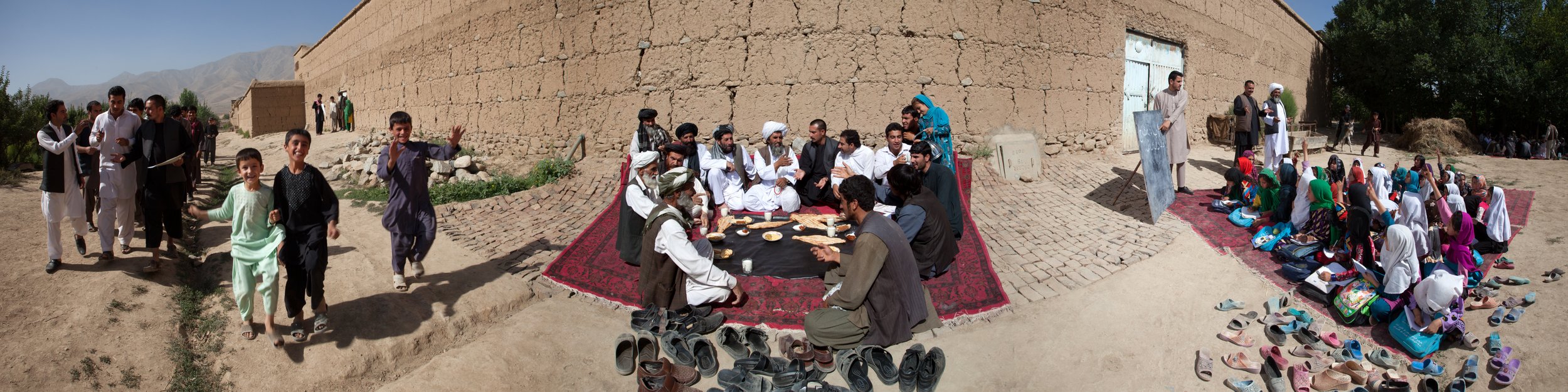
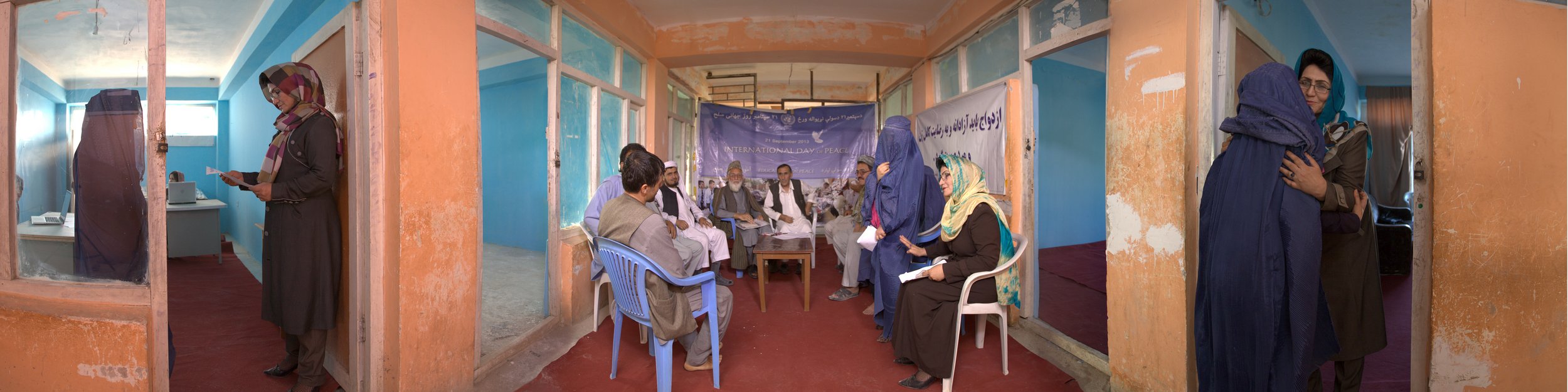
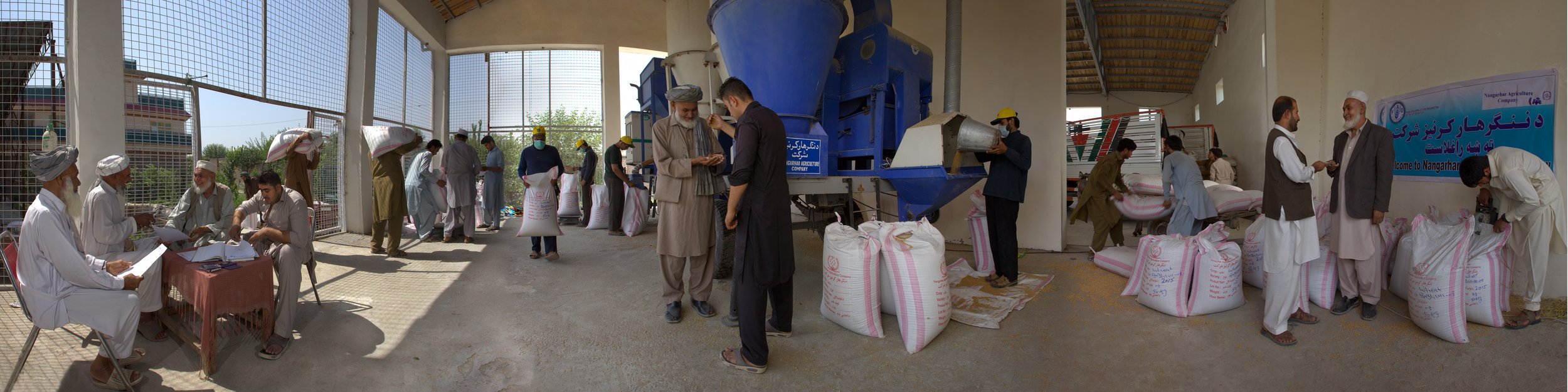
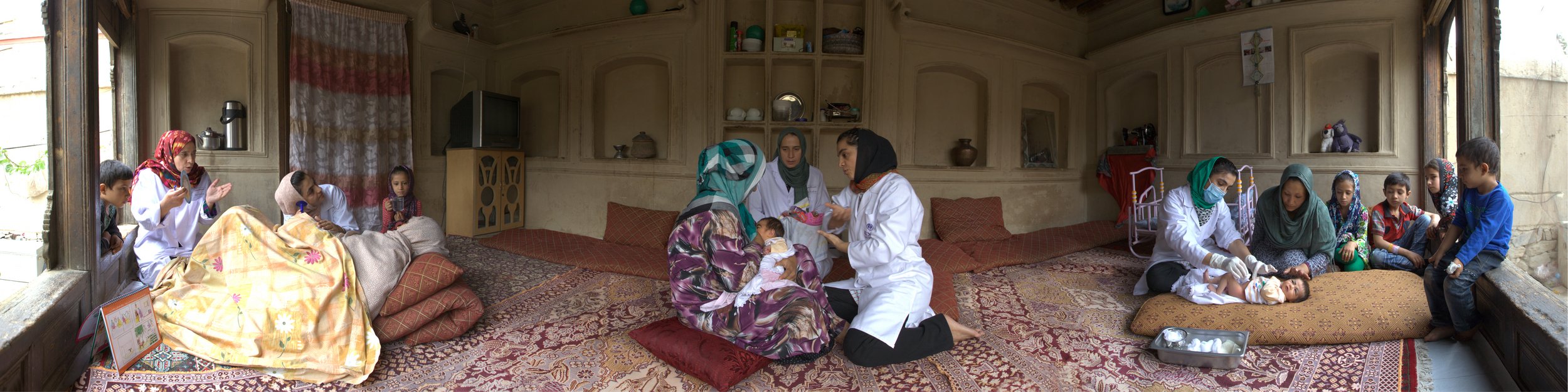
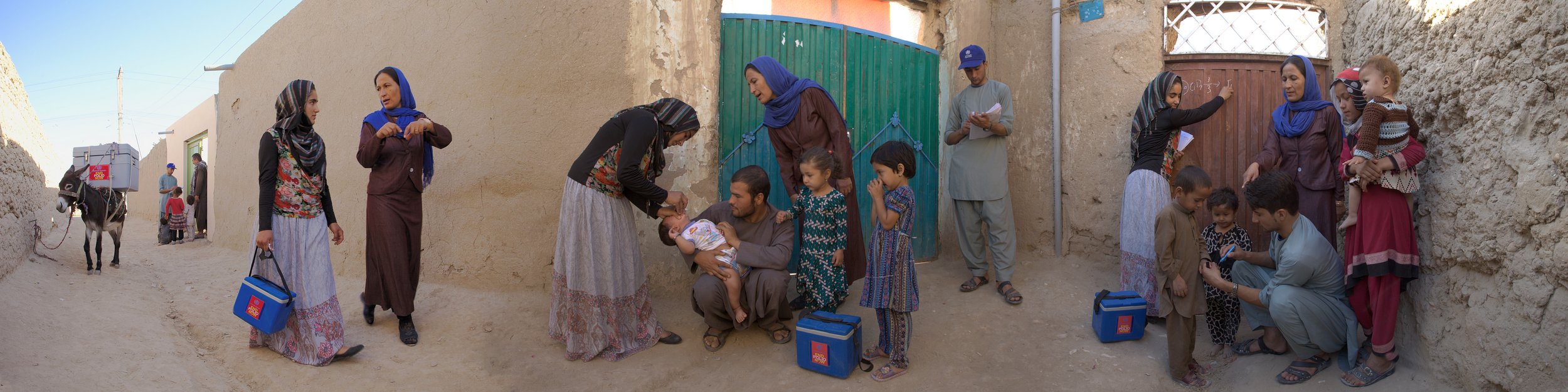
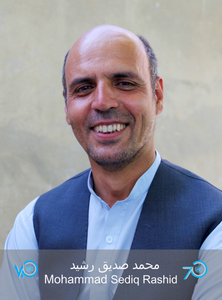
The United Nations’ work in Afghanistan provides an important setting for understanding this approach. The archived UN70 “Strong UN. Strong Afghanistan.” campaign presented Afghan individuals and communities whose contributions reflected resilience, public service, and determination. Youth innovation fits naturally within that wider story: social progress is strengthened when Afghan people are supported as creators, organizers, and decision-makers.
Why Youth Innovation Matters In Afghanistan
Afghanistan has a young population, and its future depends heavily on whether young people can access education, dignified work, civic participation, and opportunities to shape their communities. Innovation programmes can help transform frustration into constructive action by giving participants tools, networks, and a platform for their ideas.
A hackathon is valuable because it focuses attention on real needs. A team might explore how to share health information in local languages, connect rural producers with buyers, improve access to learning materials, or make public information easier to understand. The best concepts usually come from direct experience rather than abstract assumptions.
Youth-led innovation also broadens the definition of development. A successful project does not have to be a sophisticated application. It may be a low-cost service, a community reporting system, a radio-based learning model, an accessible transport map, or a process that helps women and people with disabilities receive support more easily.
How A Social Impact Hackathon Works
A well-designed event usually begins with a clear challenge. Organizers consult communities, civil society groups, public institutions, and service providers before defining the problem. This preparation prevents teams from building attractive prototypes that fail to address what people actually need.
Participants then form multidisciplinary groups. A useful team may include a software developer, designer, researcher, subject specialist, storyteller, and community organizer. Technical ability is helpful, yet listening skills and knowledge of local conditions are equally important. Teams typically move through problem definition, idea selection, prototype development, user feedback, and a final presentation.
Mentors guide the process without taking ownership away from participants. They can help teams test assumptions, estimate costs, protect personal data, and identify possible partners. Judges should assess more than visual polish. Relevance, inclusion, feasibility, safety, sustainability, and the likelihood of community adoption deserve greater weight than a dramatic presentation.
The event should end with a pathway beyond the final pitch. Small grants, incubation, technical support, access to public data, and introductions to implementing organizations can help a promising idea become a functioning service. Without follow-up, even an excellent prototype may remain a temporary demonstration.
Areas Where Afghan Teams Can Make A Difference
Education is a natural area for youth-led problem solving. Teams can develop offline learning resources, teacher-support tools, language-accessible materials, or systems that help students continue studying when schools or internet connections are disrupted. Solutions should account for device sharing, electricity shortages, literacy levels, and the different experiences of girls and boys.
Public health presents another field for practical innovation. Young innovators can help improve the delivery of reliable information, appointment reminders, referral guidance, or community feedback. Health-related projects require careful review because inaccurate advice, weak confidentiality, or unsafe data collection can cause harm. Partnerships with qualified health professionals are essential.
Employment and livelihoods are also closely connected to digital innovation. Platforms that connect apprentices with businesses, help small enterprises manage orders, or provide market information to farmers may create value without requiring expensive equipment. A project is more likely to last when it uses tools that people already understand and when its operating costs are realistic.
Humanitarian response can benefit from better communication and coordination. Local teams may design ways to map needs, share verified service information, or make aid feedback more accessible. However, humanitarian technology must avoid exposing the identities or locations of vulnerable people. Privacy-by-design is especially important in environments affected by conflict, displacement, and economic insecurity.
| Social challenge | Possible youth-led solution | Essential partners | Main safeguard |
|---|---|---|---|
| Interrupted learning | Offline lessons, teacher networks, or multilingual study resources | Schools, educators, education agencies | Protect children’s data and test materials locally |
| Limited health information | Verified messaging, referral directories, or reminder services | Health workers, clinics, public health organizations | Medical review and strict confidentiality |
| Youth unemployment | Skills matching, apprenticeship tools, or enterprise support | Businesses, training centers, chambers of commerce | Avoid exclusion based on connectivity or gender |
| Rural market access | Price information, producer coordination, or logistics support | Farmers’ groups, cooperatives, local traders | Use simple interfaces and confirm information quality |
| Humanitarian assistance | Service maps, feedback channels, or needs reporting | Community groups, humanitarian agencies | Do not collect unnecessary personal or location data |
Designing For Inclusion And Local Trust
Innovation programmes in Afghanistan must be inclusive by design. Organizers should consider how women, persons with disabilities, rural youth, displaced people, and participants from minority communities can take part safely and meaningfully. That may require separate consultation sessions, accessible venues, flexible schedules, travel support, or remote participation options.
Language is another central consideration. A digital product available only in technical English will exclude many potential users. Interfaces, instructions, and training should reflect Afghanistan’s linguistic diversity and use clear language. In some communities, audio, visual communication, SMS, or radio may be more practical than a web-based platform.
Trust develops through transparency and repeated contact. Communities need to know who is collecting information, how it will be used, and what benefit the project is intended to provide. Youth innovators should test early versions with users, accept criticism, and change the design when local feedback reveals a problem.
Safety must be treated as part of innovation rather than an administrative detail. Events should establish guidance for online harassment, informed consent, secure communication, and responsible public demonstrations. Participants should never be pressured to disclose political views, personal histories, or sensitive information to qualify for support.
From Prototype To Sustainable Service
The transition from a weekend concept to a dependable service is often the hardest stage. Teams need to understand who will maintain the product, pay for basic operations, update content, respond to users, and measure results. A solution that depends entirely on one volunteer may not survive after the event ends.
A practical continuation plan can begin with a small pilot. The team selects one community or user group, defines a limited set of outcomes, and observes how the service performs over several weeks or months. Useful measures might include active users, successful referrals, time saved, learning completion, income generated, or increased access for an underserved group.
Partnerships can provide the stability that young teams lack. UN agencies, local organizations, universities, telecommunications companies, public institutions, and responsible businesses may offer mentoring, infrastructure, research support, or routes to scale. Partnerships should preserve local ownership and give young innovators a genuine role in decisions.
Funding should also be realistic. Some projects can operate with open-source software and community volunteers; others need hosting, equipment, staff, or regulatory support. A responsible funder examines the total cost of ownership rather than financing only the initial build. Sustainability may involve grants, institutional adoption, cooperative models, or integration into an existing programme.
The United Nations Role In Supporting Afghan Innovators
The United Nations can help connect youth creativity with wider development and humanitarian priorities. Its agencies and partners often have knowledge of community needs, field networks, technical expertise, and relationships with public institutions. These assets can help a promising idea move from a local event to a carefully tested initiative.
The UN70 “Strong UN. Strong Afghanistan.” campaign offers a useful public narrative for this work. Although the campaign is now an archived snapshot and is no longer active, its focus on Afghan people and their contributions remains relevant. The campaign’s stories, photographs, messages, and media links can be viewed as a record of how Afghan communities were presented as partners in shaping the country’s future.
A UN-supported hackathon should therefore avoid treating Afghan youth as passive beneficiaries. Participants should help define the challenge, set the evaluation criteria, and determine what success means. International organizations can provide resources and coordination while ensuring that community knowledge remains central.
Documentation also matters. Recording the process, lessons, user feedback, and outcomes allows later programmes to improve. Public communication should celebrate achievement without exaggerating results. A prototype is an important beginning, but it should not be described as a completed solution until users have tested it and evidence supports that claim.
A Practical Framework For Future Programmes
Effective innovation events require preparation before participants arrive. Organizers can conduct community consultations, identify trusted local partners, review digital access, and establish safeguarding procedures. They can also publish the challenge in accessible language and explain what support will be available after the event.
During the event, teams need enough time to speak with users rather than rushing directly into development. Mentors should encourage low-cost experiments, clear assumptions, and honest reporting of limitations. Judges can use a transparent scoring framework so that participants understand why one proposal receives support over another.
Afterward, selected teams should receive structured assistance. A three-month pilot, regular mentoring sessions, modest operational funding, and access to technical review may be more valuable than a large prize awarded without follow-up. Organizers should invite users and community partners to evaluate the pilot alongside technical experts.
- Start with a locally verified problem rather than a fashionable technology.
- Include women, rural participants, people with disabilities, and different language communities from the planning stage.
- Build privacy, safety, accessibility, and offline access into the first prototype.
- Pair every winning idea with a realistic pilot, mentor, budget, and responsible partner.
- Publish lessons and evidence so future Afghan youth innovation programmes can build on what worked.
Afghan youth innovators bring insight that outside organizations cannot reproduce on their own. When hackathons are connected to community priorities, ethical standards, and long-term partnerships, they can become more than short competitions. They can create pathways for young people to contribute to public life, strengthen local services, and develop practical solutions shaped by Afghan experience.
The archived UN Afghanistan campaign provides a valuable place to explore that broader vision through its stories, photographs, messages, and media resources. Visit the campaign archive and related UN Afghanistan channels to learn from the people whose work represents a strong Afghanistan, share responsible examples of youth-led problem solving, and support innovation that remains accountable to the communities it serves.