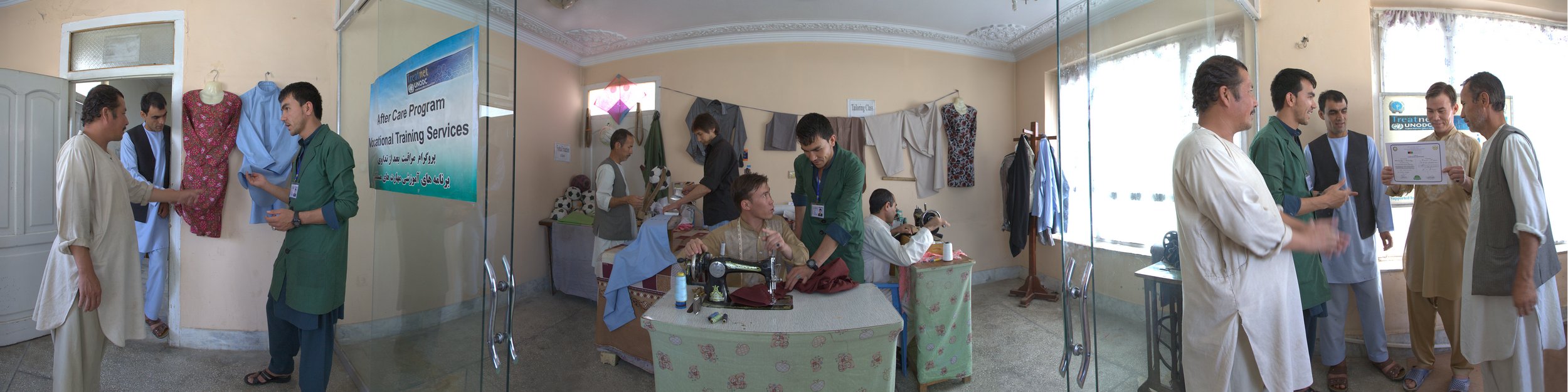
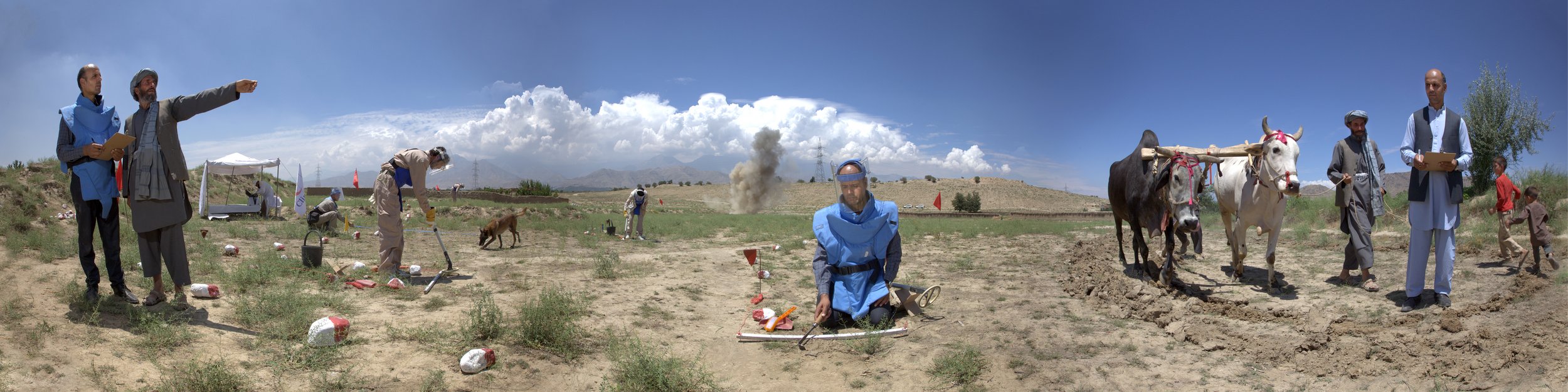
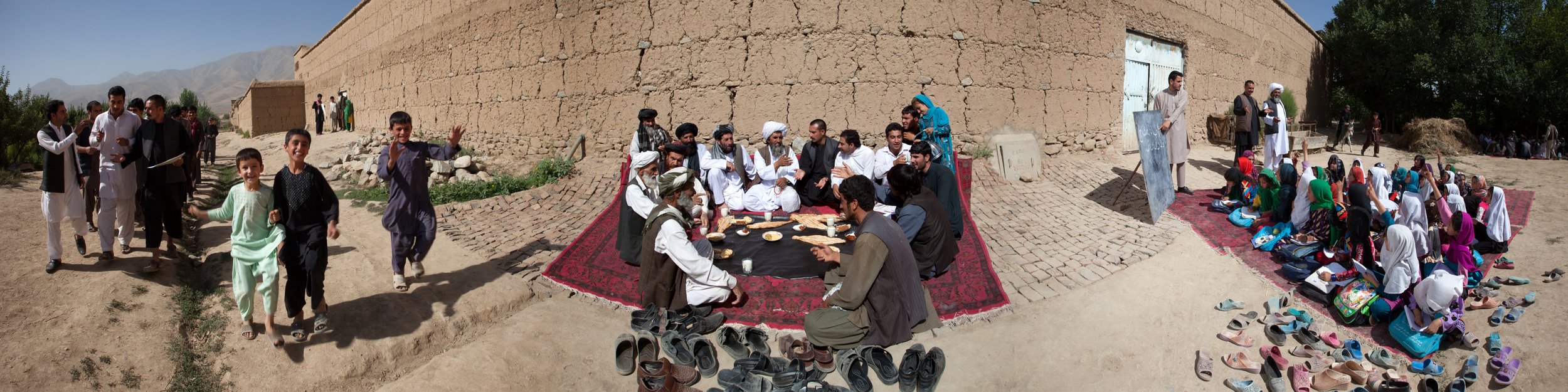
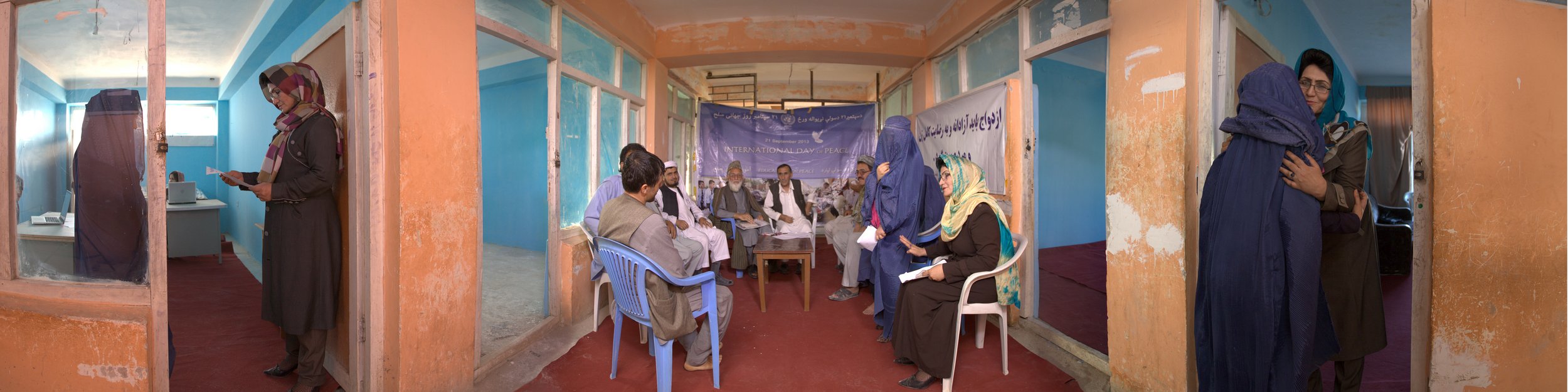


Making a Difference


Afghan Youth Entrepreneurship Through Business Plan Competitions
Afghan youth entrepreneurship has long been connected to questions of employment, community resilience, and economic opportunity. For many young Afghans, starting a small enterprise is a practical response to limited formal jobs. A shop, farm, repair service, digital business, or home-based production activity can support a family while providing useful goods and services to neighbors.
Business plan competitions offer a structured way to identify and encourage these ideas. Participants develop a proposal, explain the problem they want to solve, estimate costs, and present a path toward income. The strongest entries may receive mentoring, training, visibility, or financial support, although the value of the process extends beyond the prize itself.
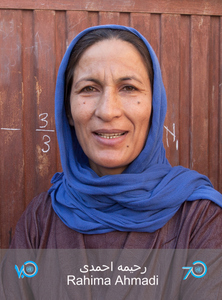
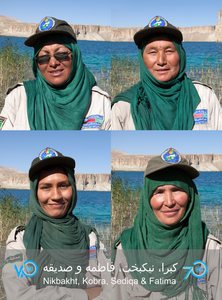
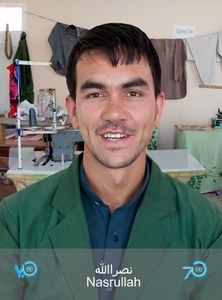
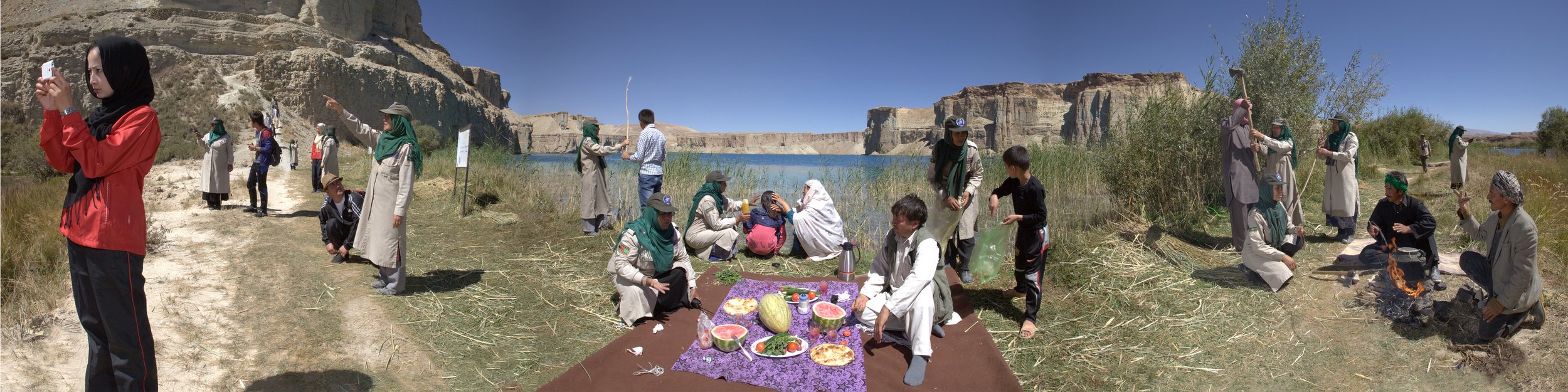
The United Nations has featured Afghan individuals and community stories through its “Strong UN. Strong Afghanistan.” campaign, launched as part of the UN70 anniversary. The website connected personal achievements with the wider work of the United Nations in Afghanistan. Its archived status means it should be read as a record of a completed campaign, rather than as a current application portal or active competition announcement.
Why Youth Enterprise Matters In Afghanistan
Young people represent a significant source of energy, creativity, and local knowledge. They understand the daily needs of their communities, from affordable transport and agricultural services to tutoring, food processing, tailoring, communications, and repair work. When these insights are combined with basic business skills, they can become viable microenterprise or small-business proposals.
Entrepreneurship also creates forms of participation. A young person who builds a service for a village, neighborhood, or district contributes to local economic activity and develops confidence as a decision-maker. A successful enterprise can employ relatives, train apprentices, purchase from local suppliers, and keep money circulating within the community.
The benefits are practical rather than automatic. A promising idea may still face high transport costs, unreliable electricity, limited access to credit, insecurity, market disruption, or restrictions affecting women’s participation. A well-designed youth enterprise programme therefore needs to connect training with realistic market analysis, safeguarding, finance, and continued support.
How A Business Plan Competition Works
A competition usually begins with an open call or invitation to submit a short business concept. Applicants describe the product or service, the intended customers, the resources required, and the reason the idea is needed. Clear application criteria help ensure that young people from different educational and economic backgrounds can participate.
Shortlisted candidates may receive business development training before preparing a fuller plan. This stage can cover customer research, pricing, bookkeeping, supply chains, marketing, legal considerations, risk management, and measuring social impact. Mentors can help applicants replace broad claims with evidence, such as estimated demand, supplier quotations, or interviews with potential customers.
A judging panel then assesses the proposals against published standards. Awards might include seed funding, equipment, a place in an incubation programme, technical advice, or introductions to buyers and financial institutions. Transparent scoring matters because it makes the process easier to trust and gives unsuccessful applicants useful feedback.
The most valuable competitions treat the event as the beginning of an enterprise journey. A presentation day may create visibility, but the business still needs follow-up visits, accounting support, market connections, and a way to respond when assumptions prove wrong. Progress should be tracked through indicators such as revenue, customer retention, jobs supported, and continuity after the initial grant.
From An Idea To A Viable Enterprise
A strong proposal starts with a clearly defined customer problem. “I want to open a business” is a goal, not a business model. A stronger statement explains who needs what, how often they need it, what they currently use, and why the proposed solution would be affordable or more convenient.
The plan should then connect activities to numbers. Founders need to estimate start-up costs, monthly expenses, expected sales, gross margin, and the point at which income can cover operating costs. Even simple calculations can reveal whether an idea requires too much capital or whether a different product, location, or pricing approach would be more realistic.
Local knowledge is a major asset. An agricultural entrepreneur may understand seasonal demand, water access, crop cycles, and transport routes better than an external adviser. A young woman operating a home-based enterprise may identify customer preferences and safety concerns that are invisible in a standard market survey. Competitions should recognize this knowledge while helping participants test their assumptions.
Business plans should also include risk controls. A proposal can identify alternative suppliers, emergency savings, flexible delivery arrangements, and ways to protect equipment or records. For digital ventures, data security and reliable connectivity deserve attention. For food, health, and agricultural enterprises, quality standards and responsible handling are essential.
Comparing The Main Forms Of Support
Business plan competitions are one instrument within a wider entrepreneurship ecosystem. Their usefulness depends on how well they fit the participant’s stage of development and the type of enterprise being proposed. A student with an early concept needs a different service from an existing shop seeking working capital.
| Support mechanism | Best suited to | Main value | Limitation to address |
|---|---|---|---|
| Idea competition | Early-stage concepts | Visibility, feedback, and confidence | Winners may still lack implementation skills |
| Business plan competition | Ventures with a defined model | Structured planning and seed support | Detailed plans can favor applicants with more education |
| Incubator programme | New enterprises needing guidance | Mentoring, training, and peer learning | Requires time, staff, and sustained participation |
| Microfinance or small loan | Businesses with predictable cash flow | Working capital and asset purchase | Repayment can increase pressure during market shocks |
| Apprenticeship or skills programme | Youth building practical abilities | Technical experience and employability | Training may not include market access or finance |
| Buyer or supplier linkage | Enterprises ready to trade | Reliable customers and lower input costs | Small businesses may struggle to meet volume requirements |
A competition can become more inclusive when organizers offer plain-language guidance, local-language materials, accessible venues, and assistance with applications. The judging process should assess the quality and feasibility of the idea rather than rewarding polished writing alone.
Support should also be matched to risk. Grants may be appropriate for testing an unproven concept, while loans are better considered after revenue patterns become clearer. A referral system can help participants reach vocational training, legal advice, financial services, or specialized agricultural and digital support.
Inclusion, Mentorship, And Community Trust
Youth enterprise programmes work best when participation reflects the communities they aim to serve. Young women, people with disabilities, rural applicants, returnees, and youth from low-income households may face barriers to travel, technology, documentation, finance, or public presentation. Competition design can reduce those barriers through flexible submission methods, regional outreach, and confidential support.
Mentorship is especially important after selection. A mentor can help a founder speak with customers, negotiate with suppliers, monitor cash flow, and decide when to change direction. Effective mentoring is practical and respectful. It should strengthen the participant’s own decisions rather than impose an outside model that does not fit local conditions.
Community trust is another form of capital. Enterprises depend on relationships with customers, elders, suppliers, workers, and local institutions. A young entrepreneur who communicates clearly, keeps commitments, and handles complaints responsibly can build a reputation that is as important as initial funding.
For women and girls, programme safeguards require careful attention. Safe meeting arrangements, appropriate communication channels, privacy, and family or community engagement can affect whether participation is possible. Inclusion should be measured through actual access, completion, business survival, and income outcomes rather than through registration numbers alone.
Lessons From UN Afghanistan’s Public Campaign
The “Strong UN. Strong Afghanistan.” campaign placed individual Afghan stories within a broader picture of partnership and service. Its focus on people and their contributions offered a useful reminder: development is not only represented by institutions or projects. It is also visible in the initiative of entrepreneurs, community leaders, students, workers, and families.
That perspective is relevant to business plan competitions. A young founder should not be presented simply as a recipient of assistance. The person brings knowledge, effort, relationships, and a calculated willingness to take a risk. External support can remove obstacles, but local initiative gives the enterprise its purpose and staying power.
The archived campaign website included photographs, messages from the Special Representative of the Secretary-General, news, and links to UN Afghanistan media and social channels. Because the snapshot is no longer active, readers should avoid treating old campaign pages as current information about funding rounds, eligibility rules, or available services.
Its lasting value is as a communications and learning record. Stories from such campaigns can show how public recognition builds confidence, how diverse experiences shape development priorities, and how the United Nations presents its partnership with Afghan communities. They can also encourage organizations to document outcomes responsibly, with consent and without exaggerating the effect of a single award.
Building Better Competitions For Young Founders
Organizers can improve a competition by designing the full pathway before announcing the prize. The pathway should explain recruitment, training, judging, funding, mentoring, monitoring, and referrals. Participants need to know what happens after the final presentation and what obligations accompany financial or in-kind support.
A useful programme also separates business potential from social popularity. Public votes can help raise awareness, but technical judges should examine customer demand, financial assumptions, operational ability, ethical standards, and risks. Independent review and conflict-of-interest rules protect credibility.
The following practices can make youth entrepreneurship initiatives more practical and equitable:
- Publish simple eligibility rules, scoring criteria, deadlines, and award conditions in relevant local languages.
- Provide short training on customer research, budgeting, pricing, recordkeeping, and risk management before final judging.
- Reserve outreach and support for women, rural youth, applicants with disabilities, and people with limited formal education.
- Pair funding with mentoring, supplier contacts, market linkages, and follow-up measurement for at least several months.
- Report results carefully, including businesses that changed direction, paused operations, or needed additional support.
Measurement should go beyond counting applications and winners. Programme teams can track how many businesses start trading, remain active, reach customers, create paid work, and generate enough cash to continue. Qualitative feedback is valuable too, especially when it explains why a plan succeeded or why a promising enterprise had to adapt.
Turning Recognition Into Opportunity
A competition can give young Afghans a platform, but recognition becomes meaningful when it leads to practical opportunity. An award ceremony may attract attention from customers and partners; a mentor may prevent an expensive mistake; a buyer introduction may create the first dependable contract. These connections turn a business plan from a document into an operating enterprise.
For institutions working with Afghan youth, the central task is to build bridges between ambition and infrastructure. That means connecting education with markets, finance with responsible risk, and public storytelling with measurable results. It also means respecting the different conditions faced by urban and rural entrepreneurs, women and men, and formal and informal businesses.
Readers exploring the archived UN Afghanistan campaign should use its stories as historical context and inspiration, while checking current UN, government, and partner channels for any present-day programmes. Organizations can carry the campaign’s spirit forward by documenting Afghan-led enterprise, supporting fair access to business development, and investing in the local relationships that help young founders endure.
Young entrepreneurs can turn a carefully tested idea into a source of income, service, and community strength. Institutions, mentors, funders, and customers all have a role in making that possibility more attainable. Supporting credible business plan competitions is one practical way to help Afghan youth move from initiative to sustainable enterprise.