
Making a Difference
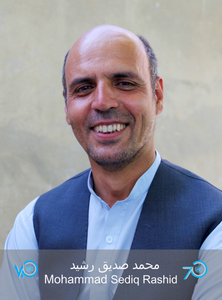


Building Afghan Youth Employability Through Practical Soft Skills
Young Afghans bring determination, education, creativity and local knowledge to a difficult employment environment. Turning those strengths into secure work often requires more than technical training. Communication, teamwork, confidence, problem-solving and the ability to present experience clearly can make a decisive difference when opportunities are limited.
Soft skills and interview preparation workshops give participants a structured way to practise these abilities. A well-designed session can help a young person explain what they can do, respond to workplace situations and approach employers with greater confidence. These capabilities matter across sectors, from community services and small business to education, agriculture, technology and humanitarian work.
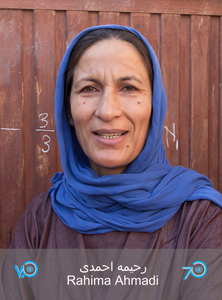
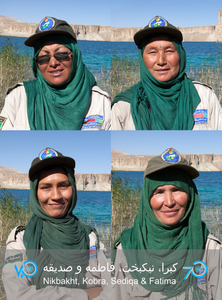
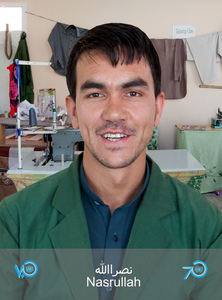
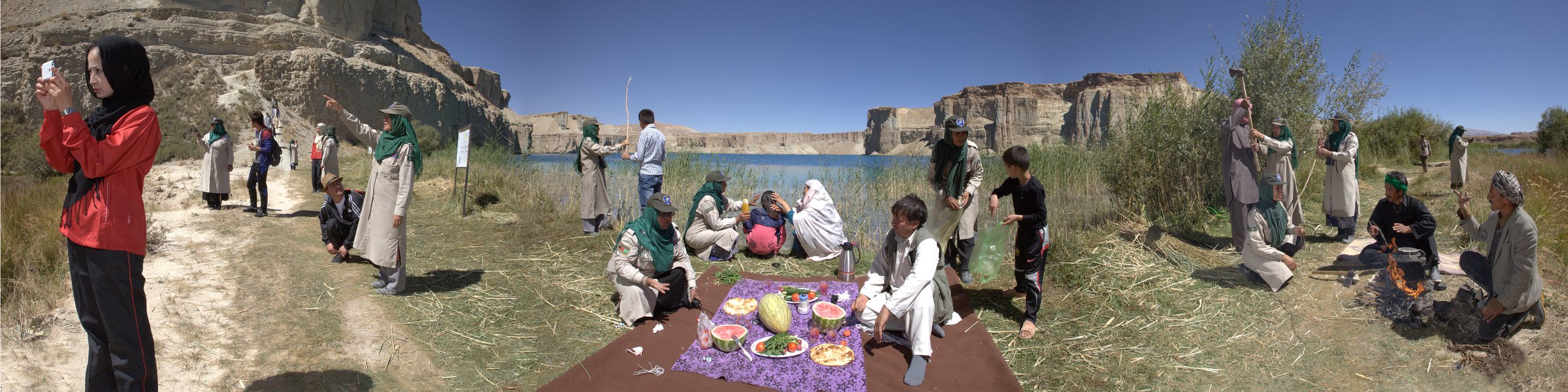
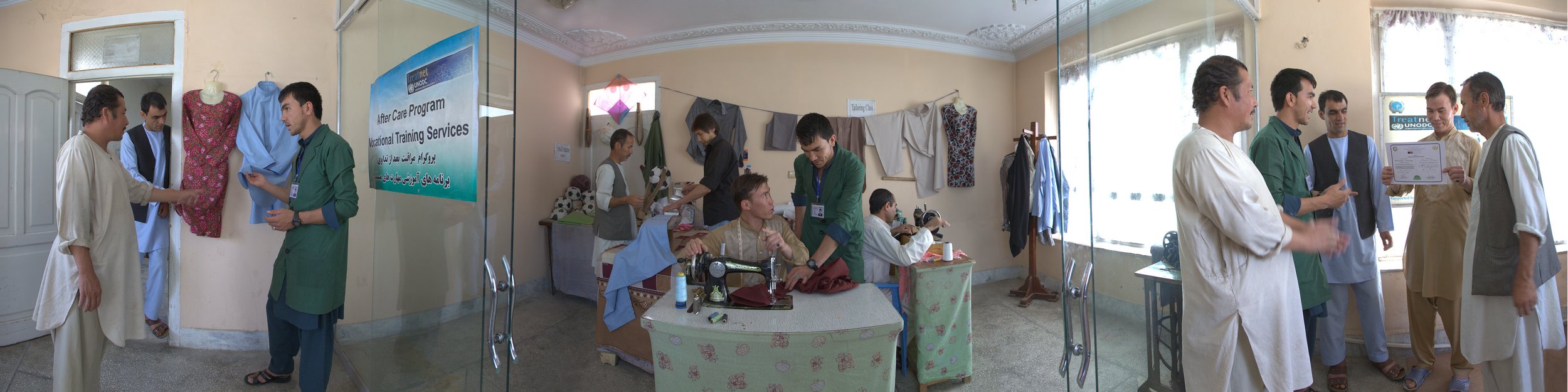
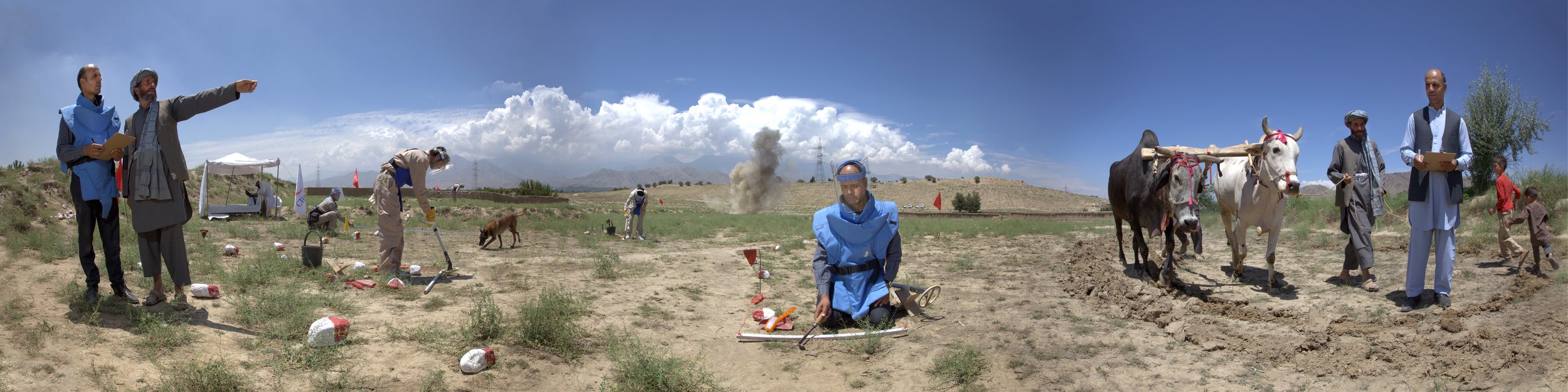
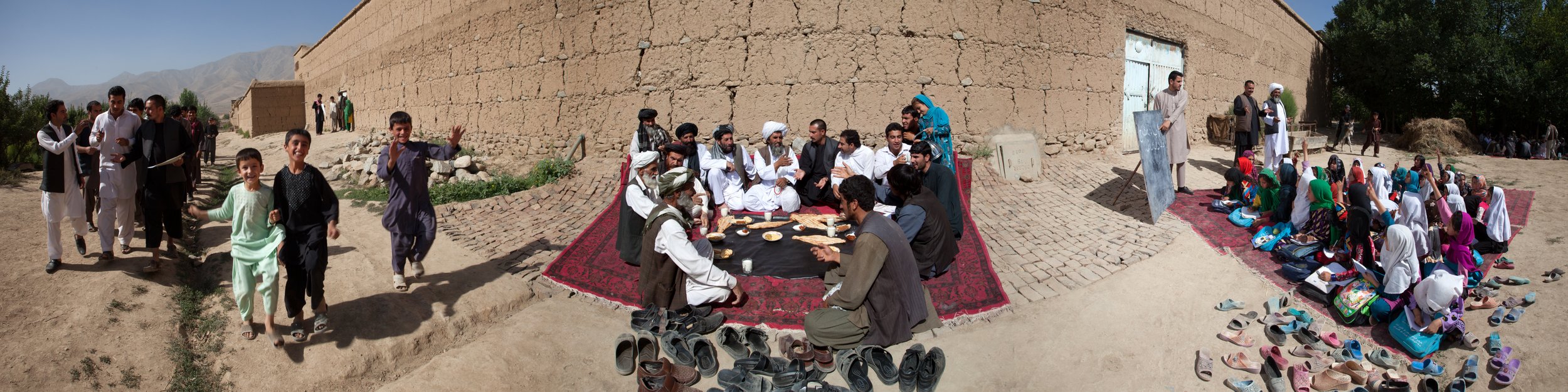
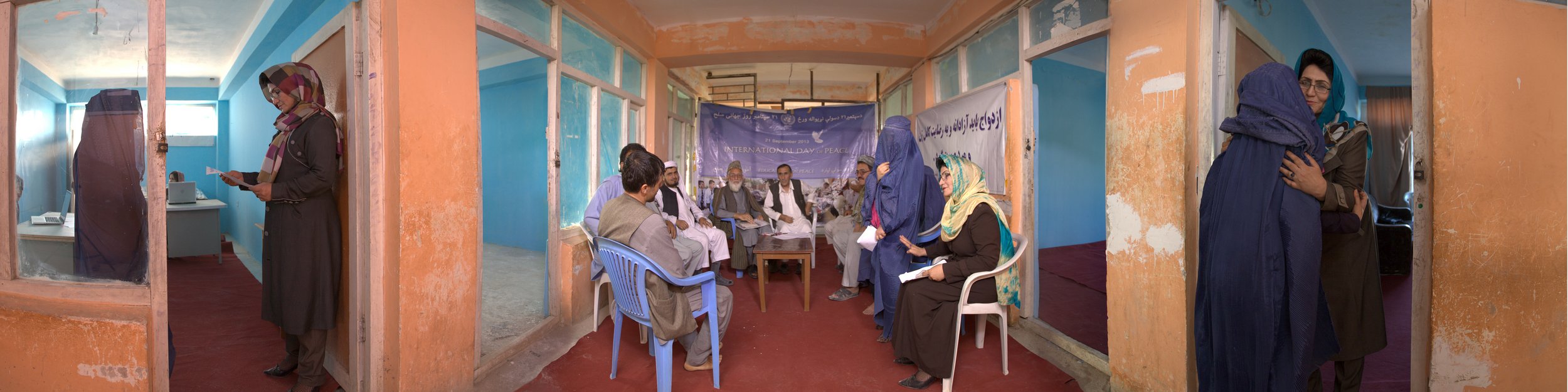
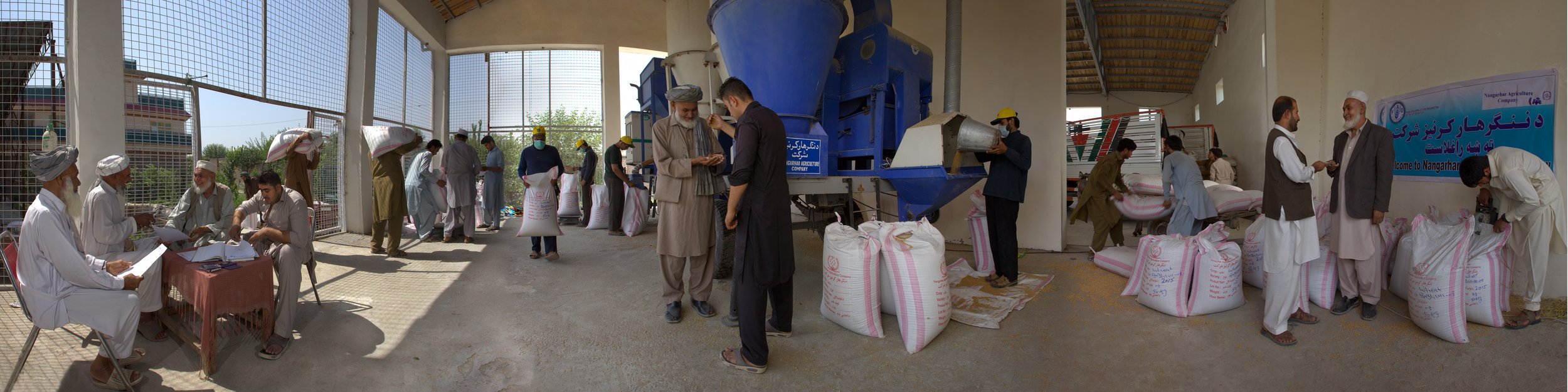
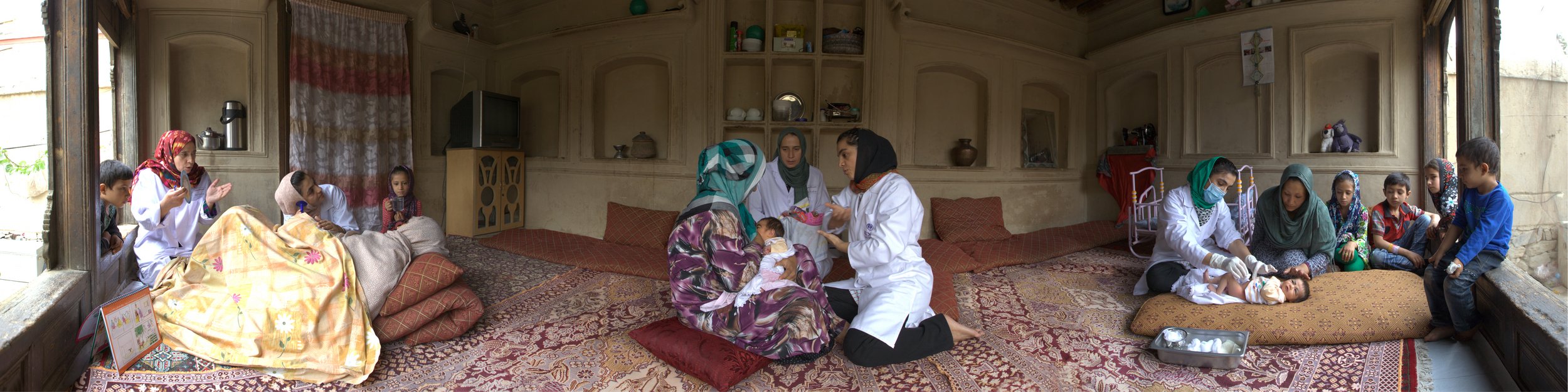
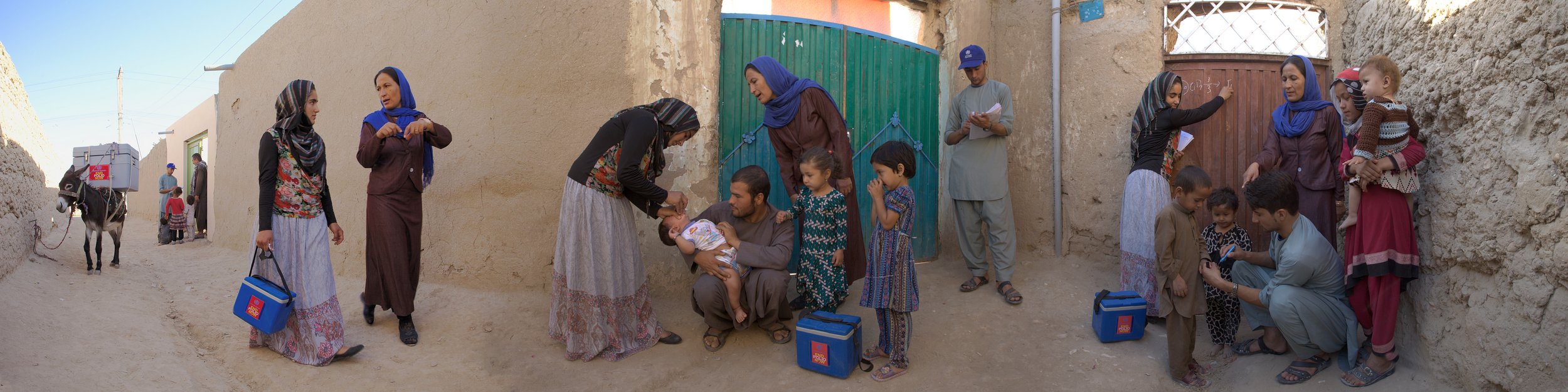
The archived UN70 campaign associated with UN Afghanistan documented Afghan people and their contributions to their communities. Its broader focus on partnership and human potential provides a useful setting for examining youth employability. The campaign is no longer active, yet the lessons behind effective training remain relevant to organisations supporting young Afghans today and to Australian audiences interested in practical development work.
Why Employability Skills Matter For Afghan Youth
Afghanistan’s young population includes people with varied experiences of study, paid work, volunteering, family responsibilities and displacement. Many have developed valuable abilities outside formal employment. A young person who organises a community activity may have planning and leadership skills; someone who supports a family business may understand customer service, budgeting and negotiation. Workshops can help participants recognise these capabilities and express them in language employers understand.
Formal qualifications still matter, but hiring decisions frequently involve behaviours that certificates do not fully show. Employers may look for reliability, respectful communication, initiative and the capacity to learn. In settings where recruitment is competitive, a candidate who can give a clear example of solving a problem may be better placed than someone who simply lists general qualities on a CV.
Employability training should avoid suggesting that individual confidence can solve structural barriers. Access to decent work is influenced by safety, mobility, discrimination, household responsibilities, economic conditions and the availability of vacancies. A responsible programme therefore combines personal development with realistic labour-market information, referrals, employer engagement and safeguarding.
For Australian readers, the idea has a familiar parallel. A young person applying through SEEK or a local employment service may need to match their skills to a position description, address selection criteria and perform well in an interview. Afghan youth face a different context, yet the underlying need to translate experience into evidence is shared across labour markets.
What A Strong Soft Skills Workshop Covers
An effective workshop begins with communication. Participants can practise active listening, clear speaking and respectful disagreement through paired exercises and small-group discussions. Facilitators might ask them to explain a task to a colleague, receive constructive feedback or describe a workplace misunderstanding. These activities build practical communication rather than relying on abstract definitions.
Teamwork is best explored through realistic scenarios. Groups can be asked to plan a small community project, divide responsibilities and respond to a late change. The exercise reveals how participants make decisions, manage conflict and include quieter voices. Reflection afterwards is essential: learners should identify the behaviour they used, the result it produced and what they would change next time.
Problem-solving and adaptability are equally important. Workshops can present a situation such as a delayed delivery, an unhappy customer or a missing piece of information. Participants then outline the issue, suggest options, consider risks and choose a response. This simple process helps young people demonstrate judgement without pretending that every workplace problem has a perfect answer.
Professional conduct should be discussed in culturally and locally appropriate terms. Punctuality, confidentiality, safe behaviour, appropriate dress and respectful treatment of colleagues can affect workplace trust. Facilitators should avoid presenting one cultural style as universally correct. The goal is to help participants understand the expectations of a particular employer while preserving dignity and cultural identity.
Australian employment providers will recognise many of these themes in TAFE career-readiness programmes and community employment services. The practical format also suits Afghan contexts, where participants may benefit from role-play, visual prompts and examples drawn from local businesses instead of long lectures.
Turning Experience Into A Strong Application
Many young people underestimate experience that was unpaid, informal or gained through family and community life. A workshop can help them create a skills inventory covering communication, organisation, customer care, digital tools, languages, financial responsibility and leadership. Each skill becomes more credible when linked to a specific action and result.
The STAR approach—situation, task, action and result—offers a straightforward structure for applications and interviews. A participant might describe helping coordinate a neighbourhood distribution activity. The situation was a high number of families needing assistance; the task was to organise a fair process; the action involved creating a list and coordinating volunteers; the result was a quicker and more orderly service.
This method is more useful than memorising polished phrases. Interviewers need to hear what the candidate actually did, what they learned and how they handled constraints. Facilitators should encourage plain language, accurate claims and concise answers. A person who says, “I was responsible for everything,” gives little evidence; a person who explains a specific responsibility gives an employer something to assess.
CV and application practice should reflect the realities of the intended labour market. Participants may need versions in Dari, Pashto or English, depending on the employer. They should learn to place relevant experience near the top, use readable formatting, check contact details and adapt their application to each vacancy. Digital literacy is part of this process, including email etiquette, file naming and safe use of online platforms.
Australian examples can make the lesson concrete. Recruiters in Sydney, Melbourne or Brisbane often scan applications quickly and expect a concise resume tailored to the role. In Australia, a candidate may also need to respond to selection criteria or provide referees. These conventions should be presented as one labour-market model, not as a universal standard for Afghanistan.
Making Interview Practice Safe And Relevant
Interview workshops work best when they create repeated opportunities to practise. Participants can begin with introductions, move to common questions and then attempt a short simulated interview. Each round should focus on one improvement, such as giving a fuller example, speaking more audibly or avoiding an answer that wanders away from the question.
Useful questions include: “Tell us about a time you worked with others,” “How would you respond to a difficult customer?” and “What would you do if you did not understand an instruction?” Participants should prepare themes rather than fixed scripts. This allows them to answer naturally and reduces the risk of freezing when an employer asks an unfamiliar question.
Feedback must be specific, balanced and respectful. A facilitator could note that a participant maintained good eye contact and gave a relevant example, then suggest a shorter opening answer. Public criticism can discourage people who already feel uncertain, so private feedback, peer encouragement and the option to observe before participating are valuable safeguards.
Interview preparation also needs to reflect gender, disability, language and security considerations. Some participants may have limited access to transport, phones or private spaces for online interviews. Others may face questions or assumptions linked to family status, ethnicity or gaps in education. Workshops should explain lawful and appropriate interview boundaries where possible, while helping participants identify when they need support from a trusted organisation.
Australian practice offers familiar comparisons. A handshake is common in some Australian professional settings, although people may choose a nod or verbal greeting for cultural, health or personal reasons. Direct communication is often valued, and arriving a little early is generally seen as courteous. These customs should be taught as context, alongside the reminder that respectful professionalism can take different forms.
Connecting Training With Real Employment Pathways
A workshop becomes more valuable when it links directly to employers and vacancies. Programme staff can consult local businesses, civil society organisations, public institutions and training providers before developing activities. Their input can identify the communication, digital and technical skills that entry-level workers actually need, rather than relying on generic assumptions.
Employer engagement can include workplace talks, site visits, mentoring, mock interviews and short placements. Employers should receive guidance too. They need to understand the purpose of inclusive recruitment, avoid exploitative unpaid work and provide clear information about duties, hours, pay and safety. Young people deserve realistic pathways, not promises that a workshop alone will guarantee employment.
Monitoring should measure more than attendance. Useful indicators include improved interview performance, completed CVs, applications submitted, referrals accepted, internships begun and employment retained after several months. Participant feedback can show whether training felt safe, accessible and relevant. Disaggregated data may reveal whether women, displaced youth, people with disabilities or those in remote areas are benefiting equally.
Australian organisations considering partnerships can contribute through practical channels. A community group in Melbourne might support digital interview practice; a TAFE provider could share accessible career resources; a business network in Perth or Adelaide might offer employer perspectives on entry-level recruitment. Any partnership should be locally led, protect participant data and avoid treating Australian systems as a template to be imposed.
The most sustainable approach combines soft skills with technical learning, career guidance, psychosocial support and connections to decent work. It recognises the resilience already present among Afghan youth while giving that resilience a practical employment language. The result is a stronger bridge between personal capability and genuine opportunity.
Organisations working with young Afghans can turn these principles into action by auditing existing employability sessions, adding structured interview practice and inviting local employers to review the content. The archived UN Afghanistan campaign offers a reminder that individual stories sit within wider community efforts. Supporters can explore its preserved photographs, messages and public materials for context, then invest in current, locally led programmes that help young people build confidence, present their abilities and move towards safe and meaningful work.