
Making a Difference
Afghan Youth Debating Peace Through University Competitions
For Afghan university students, debating peace was more than an academic exercise. It offered a structured way to examine conflict, justice, citizenship and the future of their country while listening to opinions that might differ from their own. In a society affected by decades of war, a university debate could become a small but meaningful space for dialogue.
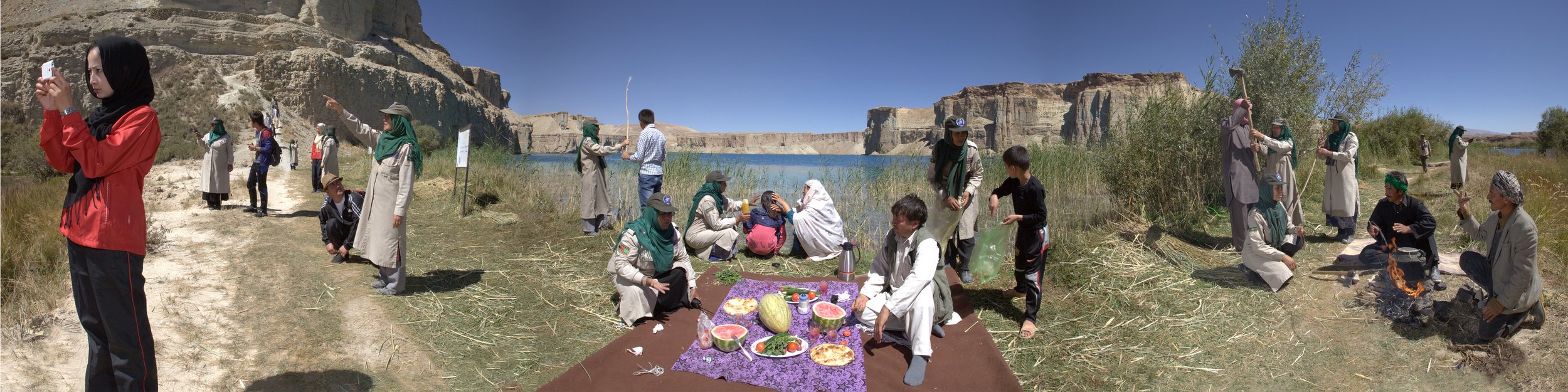
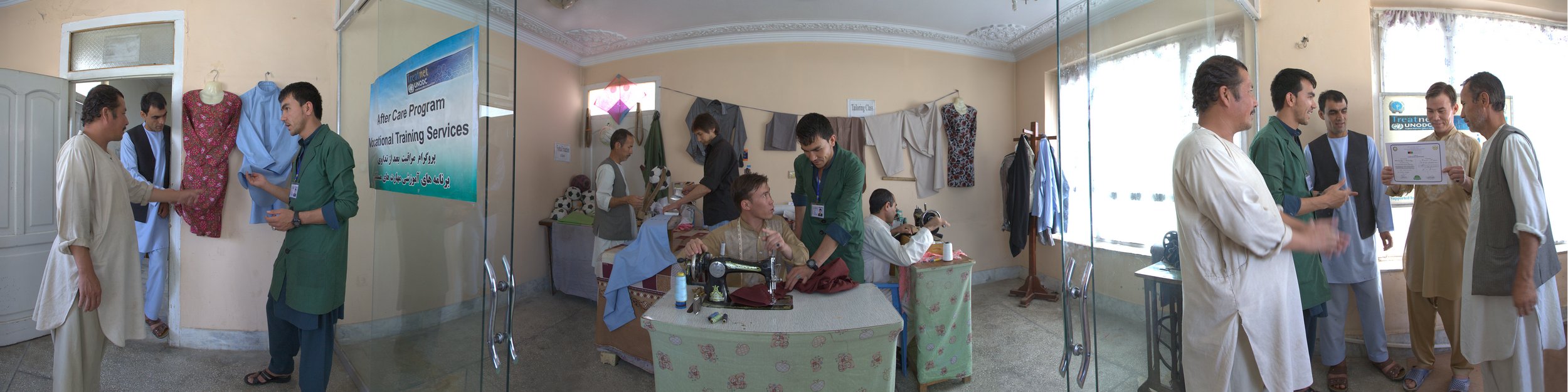
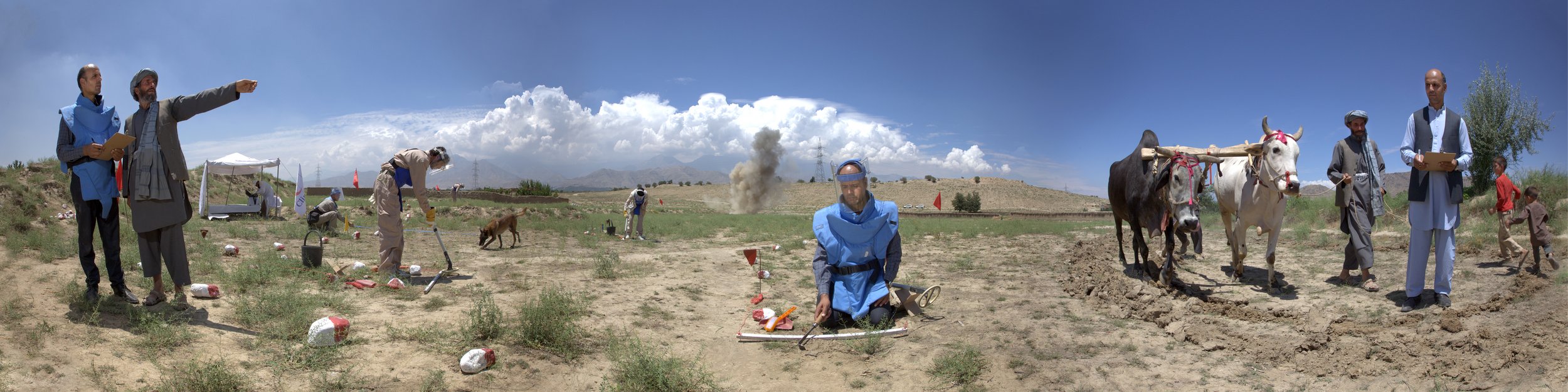
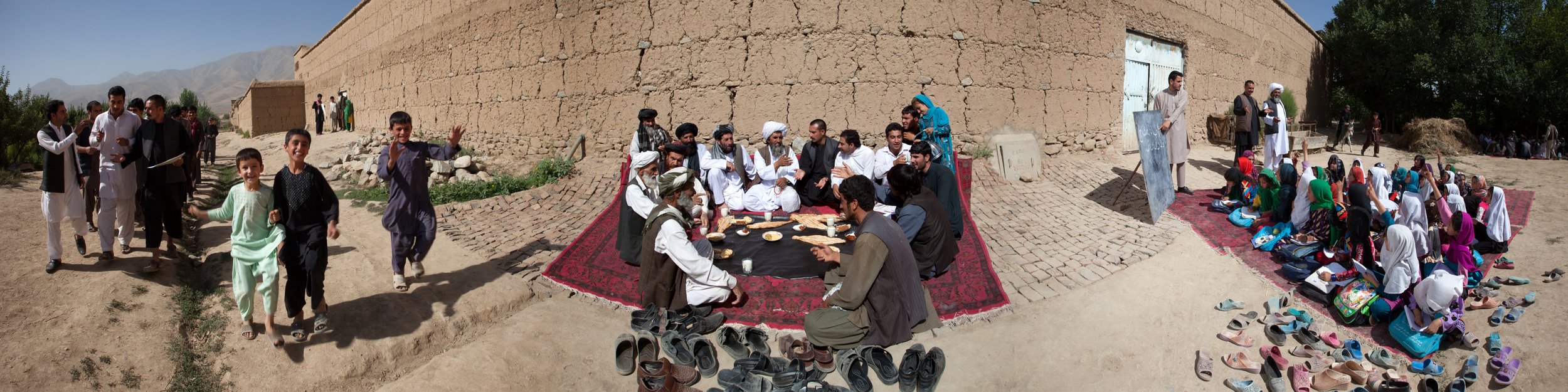
The United Nations supported youth engagement in Afghanistan through public campaigns, educational activities and partnerships with Afghan institutions. The UN70 campaign, built around the message “Strong UN. Strong Afghanistan.”, highlighted the contributions of Afghan people and connected their stories to the wider work of the United Nations. University competitions focused on peace and civic responsibility reflected that broader effort.
The archived UN Afghanistan website presented campaign photographs, news, messages from the Special Representative of the Secretary-General and links to media platforms. Since the campaign has ended and the website is no longer active, its materials are best understood as a record of a particular moment: one in which Afghan young people were being encouraged to speak publicly about peace and their role in shaping national life.
Why University Debates Mattered In Afghanistan
A university debate creates rules for disagreement. Participants must research a subject, develop an argument, listen to an opposing case and respond without abandoning reasoned discussion. These habits are valuable in any society, but they carry particular importance in Afghanistan, where political and social disputes have often been shaped by violence, exclusion and mistrust.
Youth debates also challenged the idea that students are passive recipients of policy. Participants were asked to interpret peace as a practical issue rather than an abstract slogan. They could examine education, women’s participation, reconciliation, human rights, local governance, employment and the responsibilities of public institutions. The format gave students a visible role in conversations that frequently took place without them.
The university setting added intellectual depth. Students from different faculties could approach peace from legal, economic, social, historical or cultural perspectives. A law student might focus on rights and accountability, while a student of economics could connect peace with jobs and inequality. Such exchanges demonstrated that peacebuilding involves much more than the absence of armed conflict.
The United Nations Role In Youth Engagement
UN-sponsored competitions generally work best when the United Nations acts as a convener and partner rather than as the sole voice in the room. In Afghanistan, that role could include helping establish a fair competition framework, connecting universities, supporting communication and placing student concerns within a wider peacebuilding conversation.
The UN’s presence also gave the activity international visibility. The UN70 campaign was designed to show how the organization’s work relates to Afghan communities, institutions and individuals. A student debate fitted naturally into that purpose because it presented Afghan youth as contributors to public life, rather than simply as beneficiaries of assistance.
This distinction matters. International organizations can provide platforms, resources and technical support, but durable peace depends on Afghan ownership. Competitions become more meaningful when students select issues that affect their communities, when Afghan educators guide the process and when the discussion is connected to local realities. The strongest partnership is one that expands opportunity without replacing local leadership.
The campaign’s photographs and related media also helped make youth participation visible. Public recognition can encourage students who rarely see their ideas represented in national conversations. It can show families, educators and policymakers that university students possess knowledge and civic energy that deserve serious attention.
From Argument To Peacebuilding Skill
A debate competition does not resolve a conflict by itself. Its value lies in the skills it develops and the relationships it can create. Participants learn to distinguish evidence from assertion, question assumptions and explain a position to people who may not initially agree with them.
These skills have direct peacebuilding applications. Negotiators must identify shared interests, acknowledge competing fears and search for language that permits cooperation. Community leaders need to communicate across social divisions. Journalists and civil servants must assess claims carefully. Students who practice these abilities in a supervised setting gain tools that can serve them beyond the university.
Debating can also make disagreement less threatening. When students argue for a position and then listen to a rebuttal, they experience conflict in a controlled form. The opposing speaker becomes a fellow participant rather than an enemy. That experience cannot erase political or social divisions, but it can weaken the assumption that disagreement must lead to hostility.
A well-designed competition also rewards respectful conduct. Judges can assess evidence, clarity, responsiveness and teamwork alongside persuasive delivery. This encourages students to understand that effective public speech is not simply about speaking loudly or defeating an opponent. It is about making a case while preserving the possibility of continued dialogue.
What Students Could Bring To The Conversation
Afghan youth had a distinctive perspective on peace because they were living with the consequences of conflict while preparing to inherit responsibility for the country’s future. Their concerns extended beyond ceasefires and security arrangements. They included access to education, safe mobility, employment, freedom of expression, public trust and the ability to participate in decisions that affected everyday life.
University debaters could also connect national questions with local experience. Peace might mean the ability to travel safely to class, the return of displaced families, fair access to public services or a community dispute being settled without armed pressure. These perspectives help broaden peace discourse from diplomatic language to the practical conditions that allow people to live with dignity.
Gender inclusion was another important dimension. Women students’ participation challenged narrow assumptions about who could speak on security, politics and reconciliation. When debate spaces are accessible to women and men, they produce a fuller account of the effects of conflict and the requirements of peace. Representation does not guarantee agreement, but it improves the range of experiences considered.
The same principle applies to regional, linguistic and socioeconomic diversity. A competition that brings students together from different backgrounds can reveal how national policies are experienced unevenly. It can also create friendships and professional networks that remain valuable after the event ends.
| Debate Element | Immediate Student Activity | Longer-Term Peacebuilding Value |
|---|---|---|
| Research | Gathering evidence and checking sources | Encourages informed public discussion |
| Rebuttal | Responding to an opposing argument | Builds tolerance for disagreement |
| Teamwork | Dividing roles and preparing together | Develops cooperation across differences |
| Judging | Applying shared criteria fairly | Reinforces accountability and impartiality |
| Public speaking | Presenting ideas to an audience | Strengthens civic participation |
| Reflection | Reviewing performance and feedback | Supports learning and constructive self-criticism |
Designing A Competition That Builds Trust
The rules of a university debate shape its social impact. If the process appears biased, the event can reproduce the mistrust it is meant to address. Organizers therefore need clear topics, transparent judging criteria, equal preparation time and a respectful code of conduct.
Topics should be challenging without putting participants at unnecessary personal risk. Discussions of peace may involve sensitive questions about political authority, reconciliation, justice or the rights of minority communities. Organizers can protect constructive dialogue by distinguishing criticism of ideas from attacks on individuals or groups.
Language access is equally important. Afghan students study and communicate in several major languages, and a competition should avoid treating one language or accent as a measure of intelligence. Translation, bilingual materials or separate language categories can help ensure that strong ideas are not excluded by linguistic barriers.
Judges should represent more than one institution or professional background. Academics, civil society representatives, legal experts, journalists and peace practitioners may each recognize different strengths in an argument. Training judges before the event can improve consistency and reduce the influence of personal preferences.
Safety must remain central. Participants need to know how their names, photographs and statements will be used, particularly when subjects are politically sensitive. The United Nations and university partners have a responsibility to assess risks, protect personal information and avoid presenting student participation as a substitute for broader protection.
Beyond The Competition Hall
The influence of a debate can fade quickly if it ends with an award ceremony. Its ideas become more durable when organizers create ways for participants to continue working together. Students might publish a collection of essays, hold campus dialogues, support peer mediation or contribute to youth consultations on peace and development.
Universities can also connect debate programs with student societies, research centers and community organizations. A discussion about women’s access to education, for example, could lead to a campus awareness project or a research brief. A debate about local governance could encourage students to study public service delivery in their own provinces.
Documentation matters as well. Photographs, student speeches, judging criteria and event reports can preserve the record of youth participation. The UN70 campaign’s archived materials demonstrate the value of documenting public engagement, particularly when political circumstances later change and active webpages are no longer available.
Follow-up should measure more than the number of participants. Useful indicators include the diversity of students involved, the quality of cross-campus cooperation, the number of continuing initiatives and participants’ confidence in engaging with disagreement. These measures reveal whether a competition created a lasting civic practice or simply a one-day performance.
Principles For Future Peace Debates
Organizations planning similar university activities can use the following principles:
- Put Afghan universities, educators and students at the center of planning and decision-making.
- Select peace-related topics that connect national policy with everyday community concerns.
- Use transparent judging, accessible language arrangements and clear protections for participants.
- Include women, students with disabilities and participants from varied regions and social backgrounds.
- Provide follow-up opportunities so debate leads to research, dialogue, volunteering or civic action.
Afghan youth debating peace through university competitions represented a constructive form of public participation. The events could not replace political negotiation, security reform or community-level reconciliation, yet they addressed a foundation shared by all three: the ability to hear another position, test one’s own assumptions and search for common ground.
The archived UN70 campaign remains a useful record of that approach. Its message about a strong United Nations and a strong Afghanistan was expressed through stories of people and partnerships, including young citizens prepared to contribute ideas rather than wait for others to define their future. Preserving those stories helps keep attention on the capabilities of Afghan communities.
Supporters of peace education, universities and youth organizations can carry the work forward by creating safe debate forums, recording student perspectives and connecting campus dialogue with community needs. When Afghan students are given the space, preparation and respect to debate peace, their voices become part of the country’s continuing effort to build a more inclusive and peaceful future.